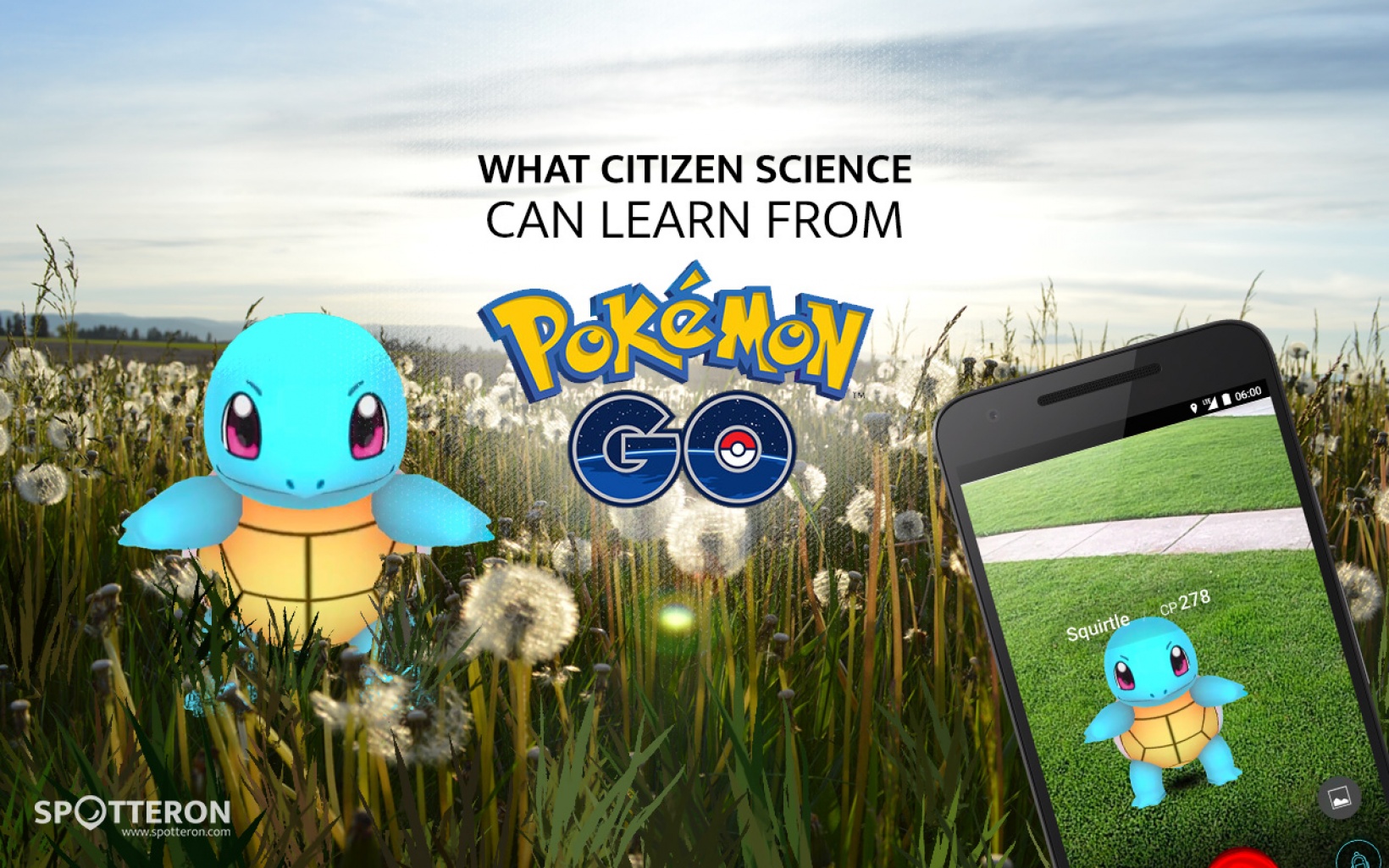
The hype continues: millions of people worldwide are taking their smartphones, go out and hunt down virtual spieces called Pokemons. And those people are not just the hard core gamers or the pokemon fans out there - the phenomon reaches out far.
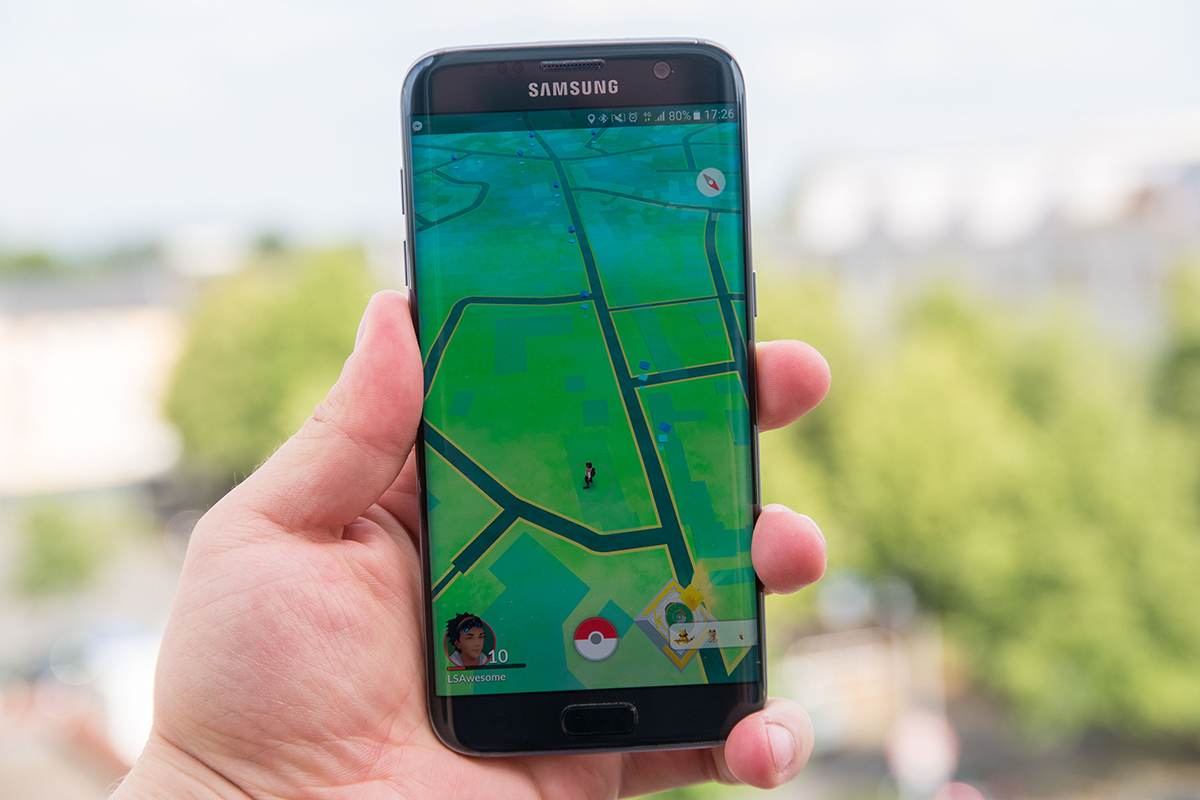
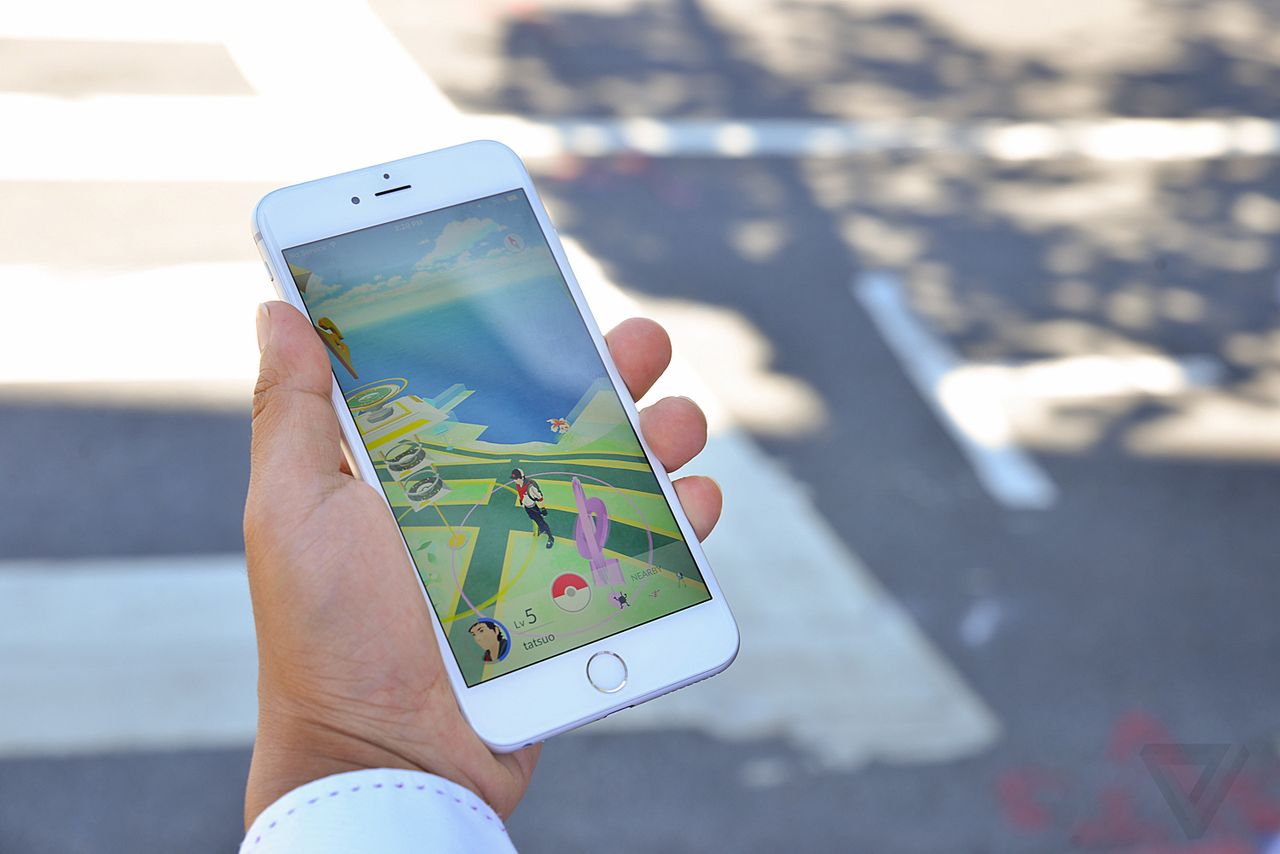
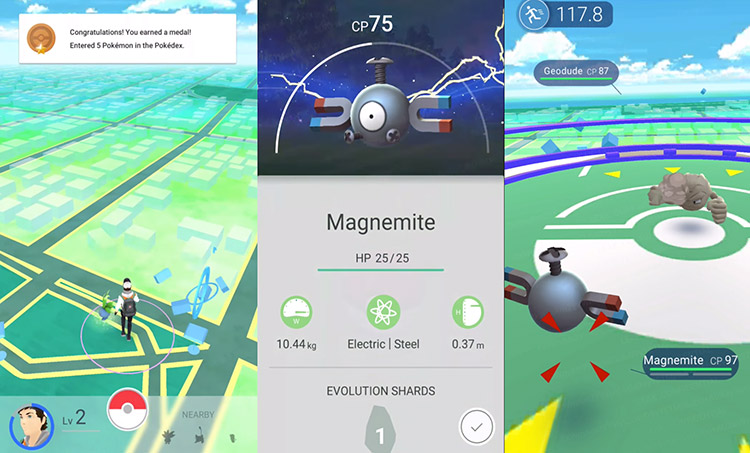
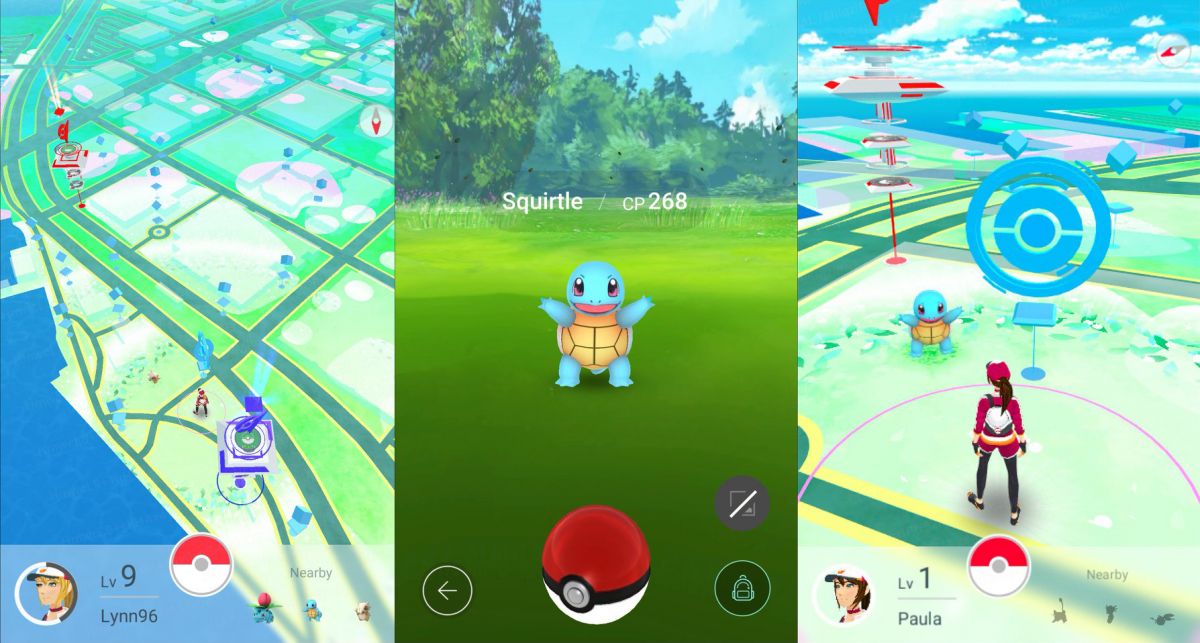
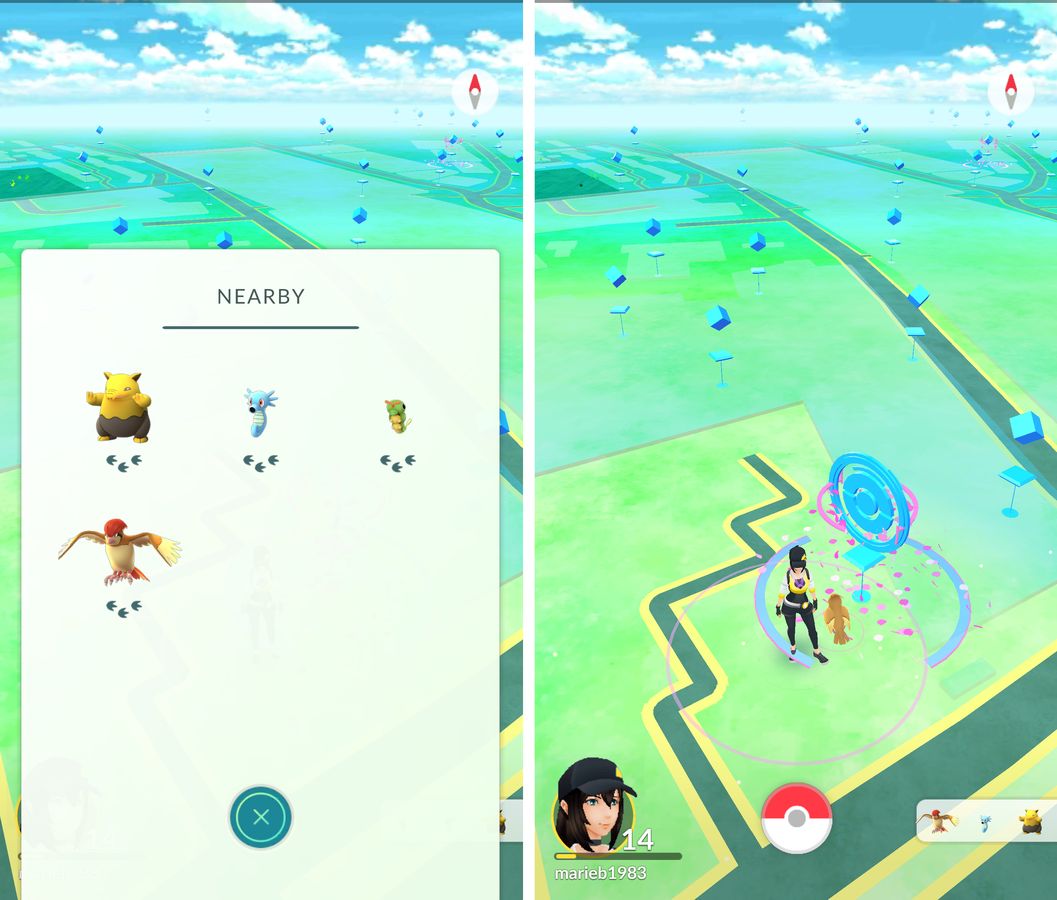
Pokemon Go is a mobile game, as a player you see a map and encounter mainly 2 things: pokestops, at which you can get equipment and pokemons, little monsters you can catch and collect. The core concept of Pokemon Go is somehow (in a distance) related to what monitoring Citizen Science projekt try to achieve: an outdoor experience in which participants encounter spieces and collect sightings. Interestingly, the creatures in SPOTTERON try to behave a little bit like "real" animals. Spieces are bound to various biotops like e.g. Water Pokemons are found around watery bodies in real world.
Sure, behind the Pokemon Go apps stands the huge amount of resources of Nintendo and a GEO gaming studio called Niantic Labs (which before released also INGRESS), which results in advanced features like mixed reality experience, high class interface designs and countless hours of development - but there are common principles involved, from which Citizen Science can learn.
* Mobile First:
The times of desktop computer fade. Especially for applications, which root in outdoor usage a website is simply not enough anymore. Smartphones as mobile compuiters with GPS, camera and other sensor equipment are ready to be used anytime from our pockets. While even reading, video watching and research take place on the mobile, especially interactive applications like Citizen Science projects should strongly be advised to think mobile first.
* Gamification:
Pokemon Go is a game. It's core is completly built around points and rewards, which results in long term involvement of users, because there are alyways new things to achieve. Citizen Science projects can also use gamification elements for ongoing user motivation. At least a leaderboard should be part of any projects apps. Depending on the project's data set and aim, recurring community competitions or collection-sets can be further aspects for a gamification supported app environment. Also, user experience points can be valid asset for ongoing motivation of Citizen Scientists. By earning virtual points and recieving badges as public proof, users have the next step in mind. To be clear - Citizen Science is not just a game. But gamification elements can help in running projects with long term involvement and high reach.
* Community building
In Pokemon, a player doesn't feel alone. The user knows, there are other players around, and there are special places called gyms, where participants can interact. But the urge runs deeper. One independet app, a chat system for Pokemon Go was so sucessful, that they needed to upgrade their server structure. In Citizen Science apps, participants also should have the possibility to interact with each other. We currently develop the SPOTTERON Community Package, in unleashes the power of social media within Citizen Science. Community building is very important, because it taps in our need to communicate with others, share what we find and learn new things.
* Feature updates
Pokemon Go is still beta, but more features are on the horizon. As every modern software, a tool like an smartphone app is never "finished". Modern apps rely strongly on regular updates, not only for technical improvements but also to introduce new features on a regular basis. With SPOTTERON, this is one of our key concepts: all Citizen Science apps in SPOTTERON get all the freshly developed features we release for other projects for free.
[edit]
and finally: Design.
Always consider that your project should not only be built for the science side, but also for Citizens. User Interface Design, Performance and Usability are important parts of every (!) interactive #CitizenScience project.
Citizen Science for sure is something very different from a pocket monster game, but technology has no borders. Online tools should feel real for users, must be well designed for effective use and capable of providing an involving experience.. If Citizen Science wants to increase its impact on the world (and the potential is a big one in my opinion), it also has to increase its reach and motivation for getting out there and let people discover their environment again.
If you want to know more about what we do for Citizen Science at SPOTTERON, please dont hesitate to get in contact!