SPOTTERON
Regular app updates for compatibility, stability and security

We will take care of regular app updates for compatibility, stability and security. This also means that we add new features of other projects in your apps.
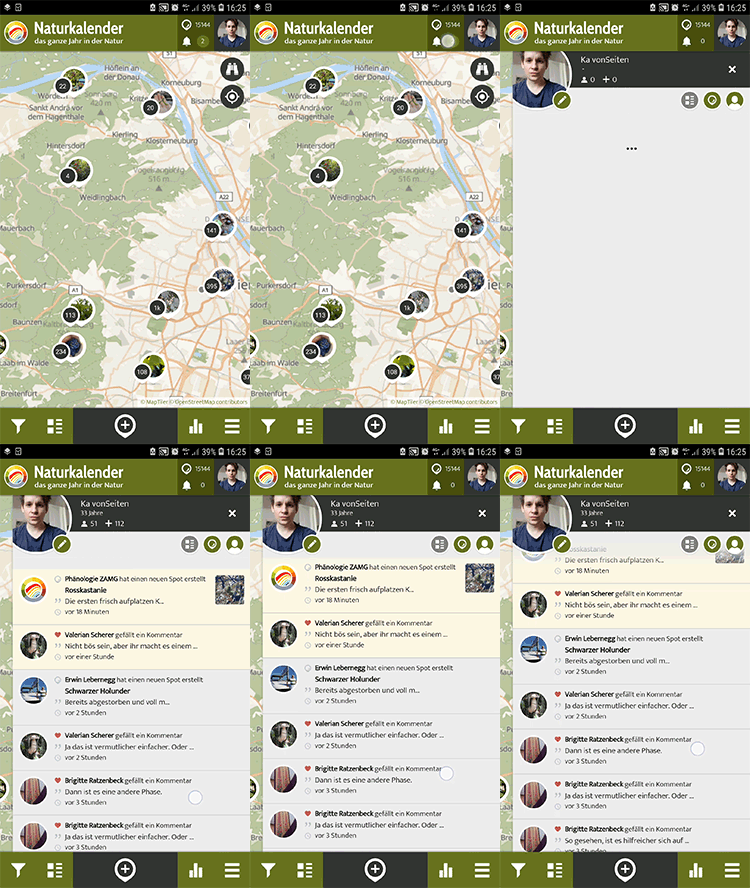
Web-App: interactive map, embeddable in own homepage
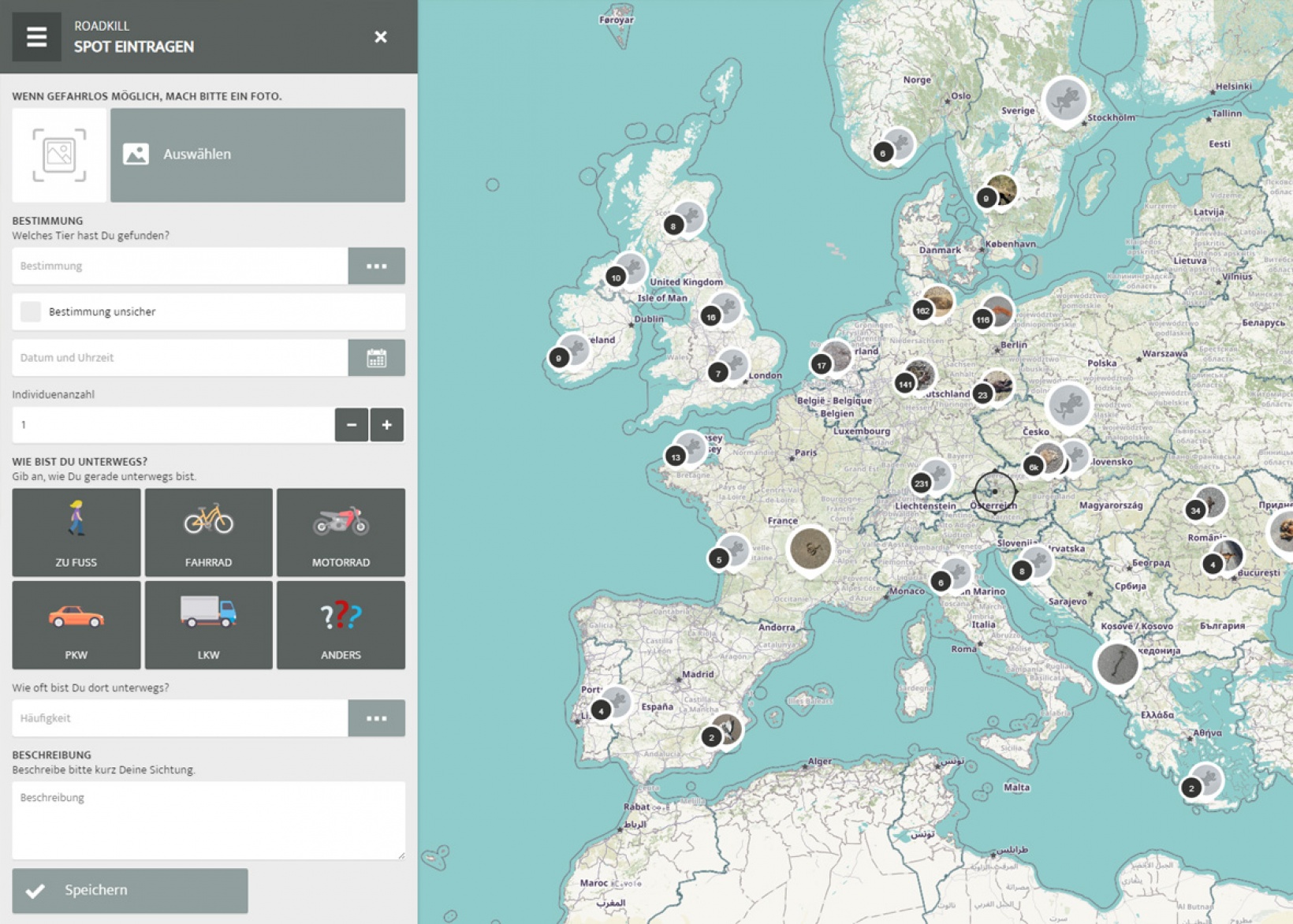
You will be able to embed the interactive map from the apps in your own homepage. This web-app will also allow entering data directly via a browser.
Custom app icon design with logo and project identity
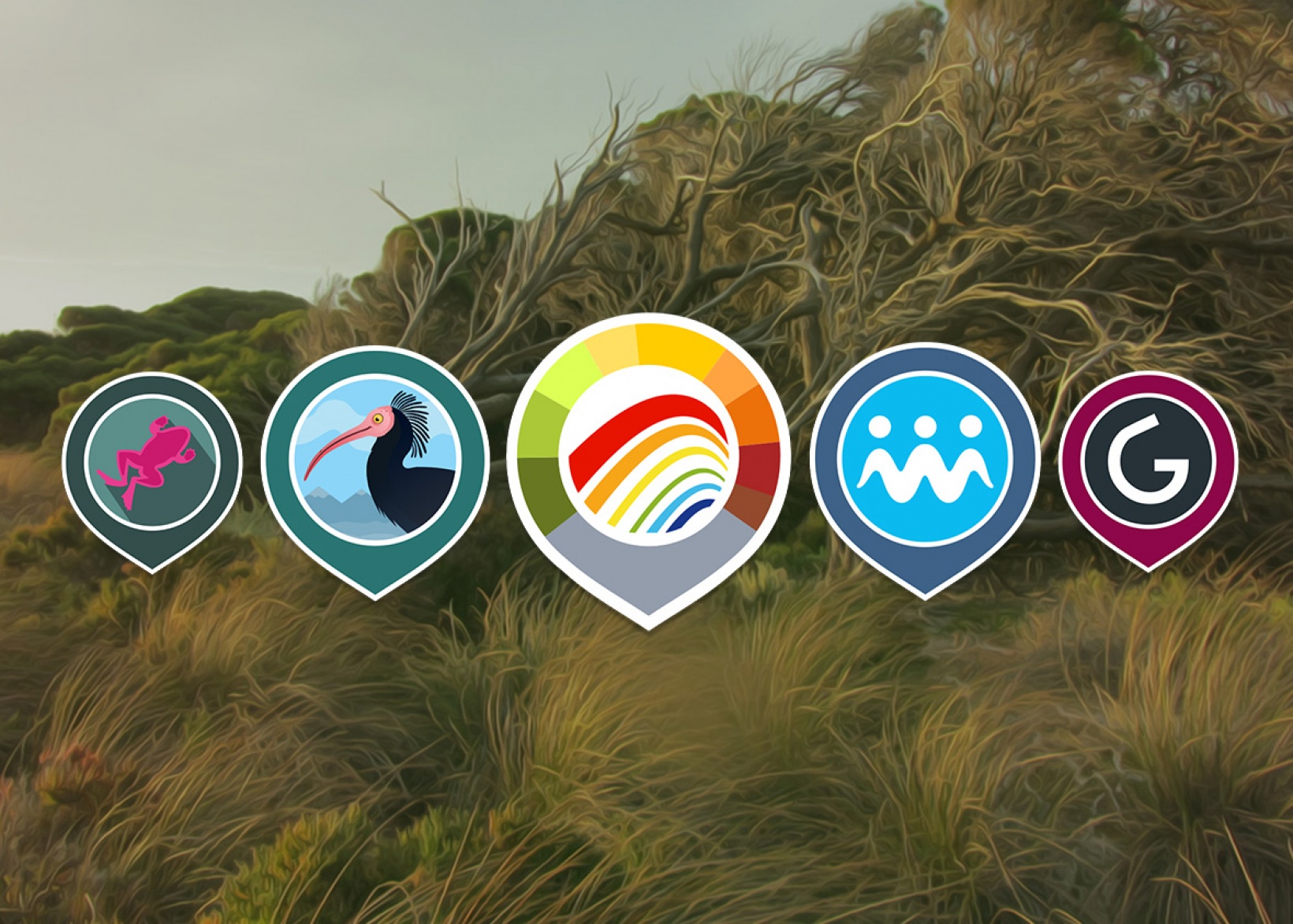
A logo and an app icon will be designed individually for the project and in accordance with the project's identity. Both the logo and the icon will be available to the project in multiple resolutions and can be used for promotional content or anything else for free.
Store setup with all necessary assets
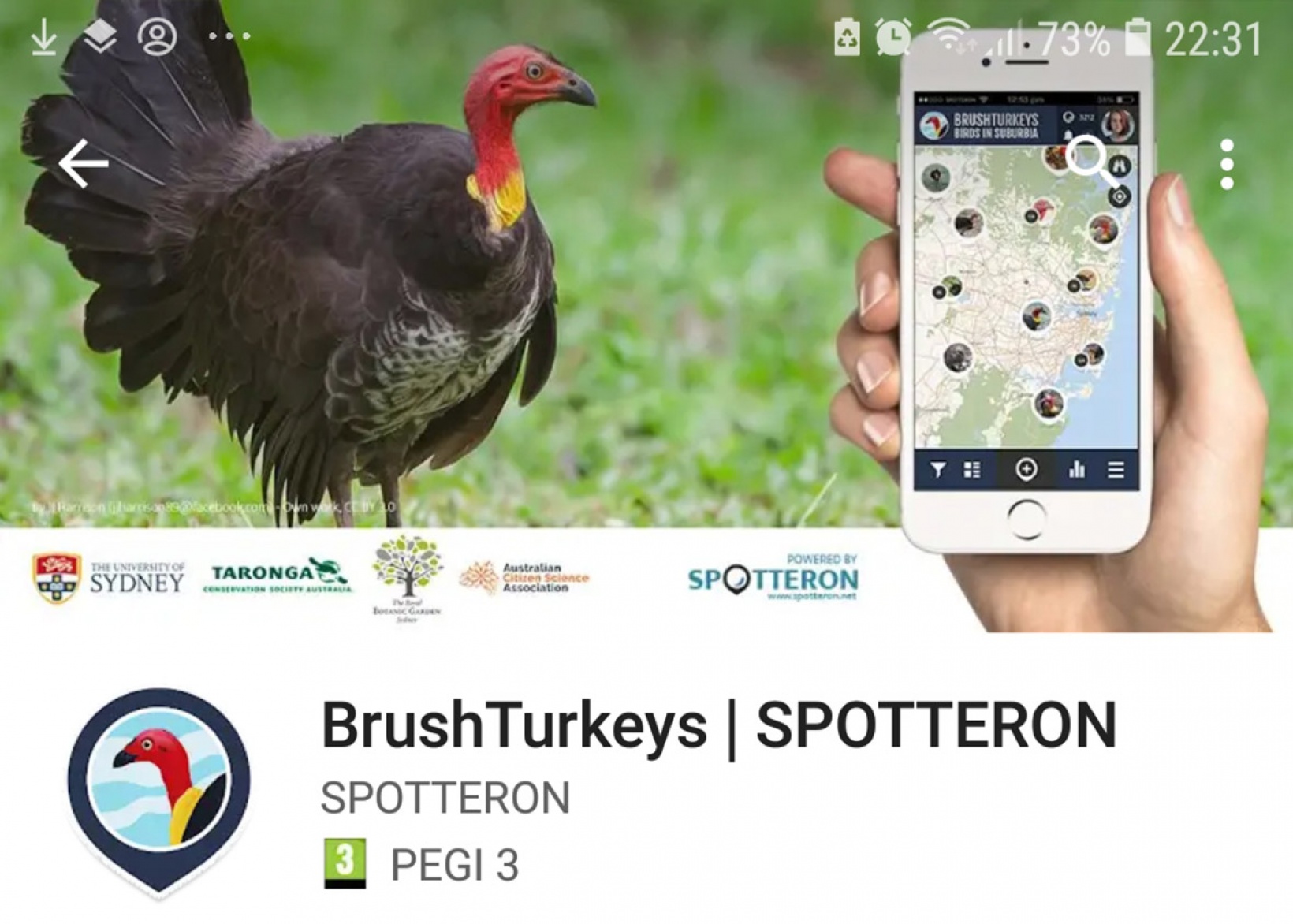
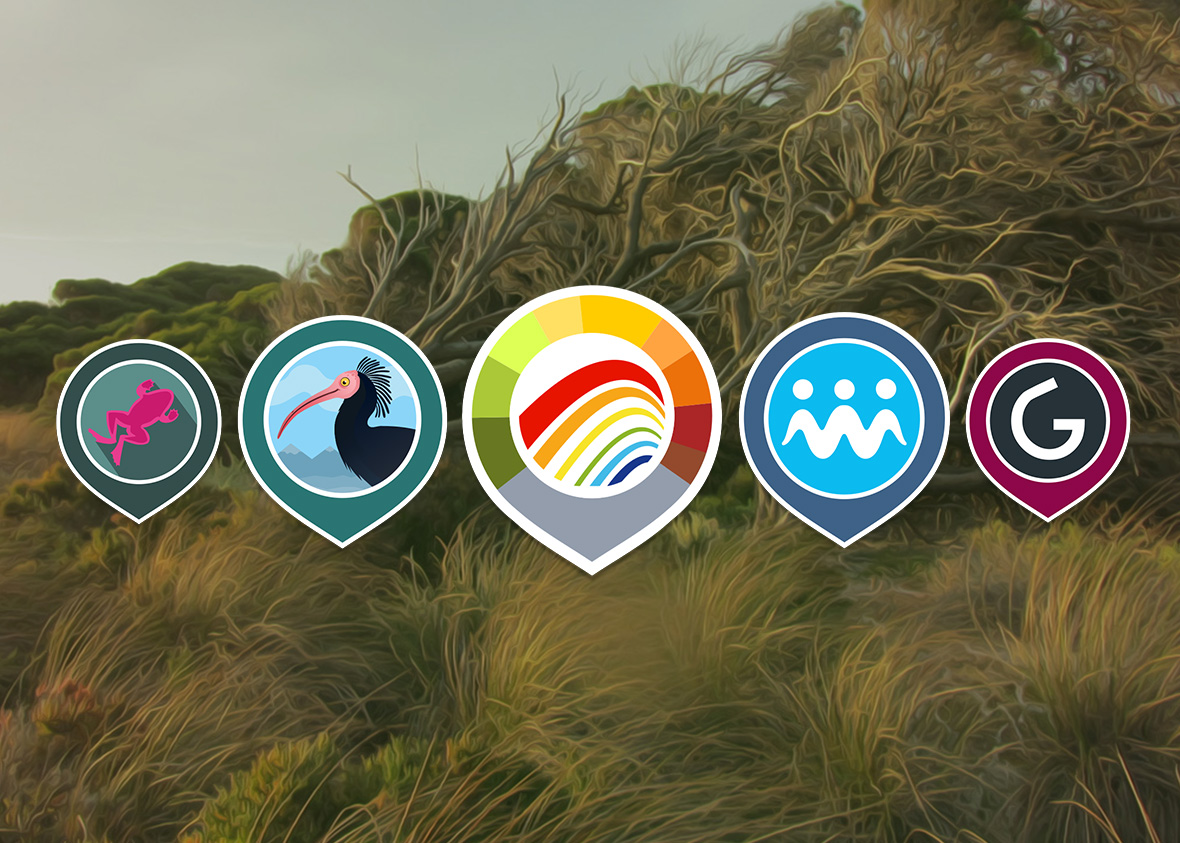
We will take care of getting your apps into the Android and Apple App store, including all assets necessary. This includes the icons, image teasers and more, which we design exclusively for your project.
Custom smartphone apps for Android and iOS
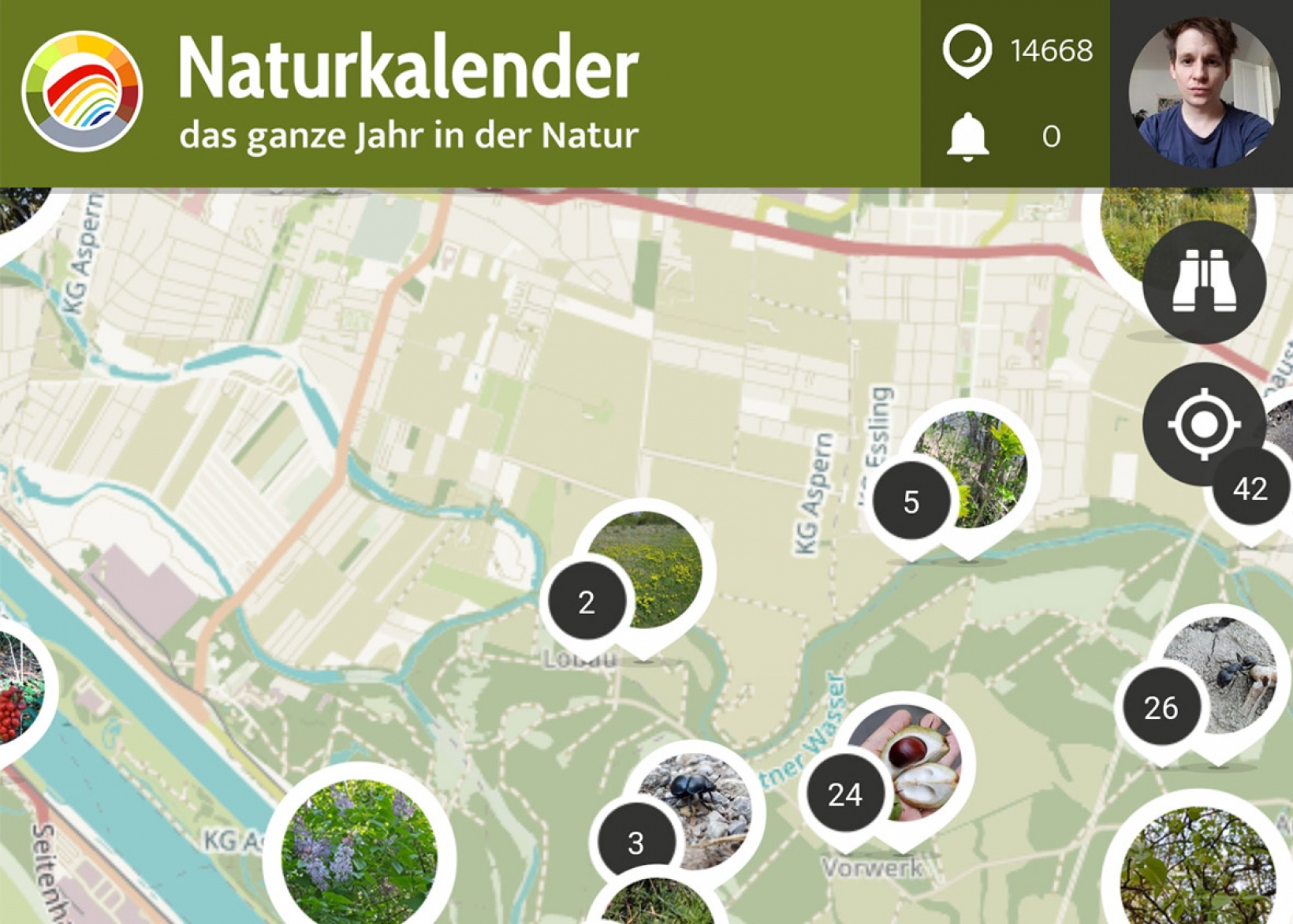
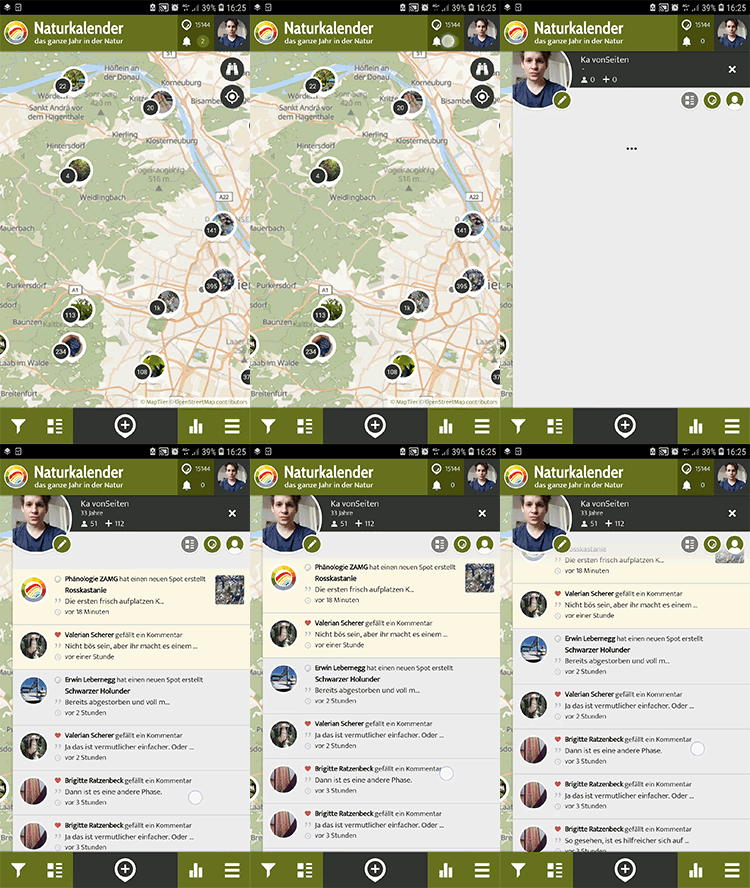
Custom smartphone apps for both Android and iOS are designed individually for projects and made available in the relevant stores. The design process also includes support, experience and expertise brought to the table in the process leading there, when projects need to come up with questionnaire structure and other structures.
LACON

The Lacon Team works closely together on big and small projects in the fields of ecology, environment protection and landscape architecture. On meadows, in the forest, out in the field, on construction sites or oin the office, zeal and team spirit always come along. They're a colourful mixture of experts that goes on nature exploration trips once a year.
University of Salzburg
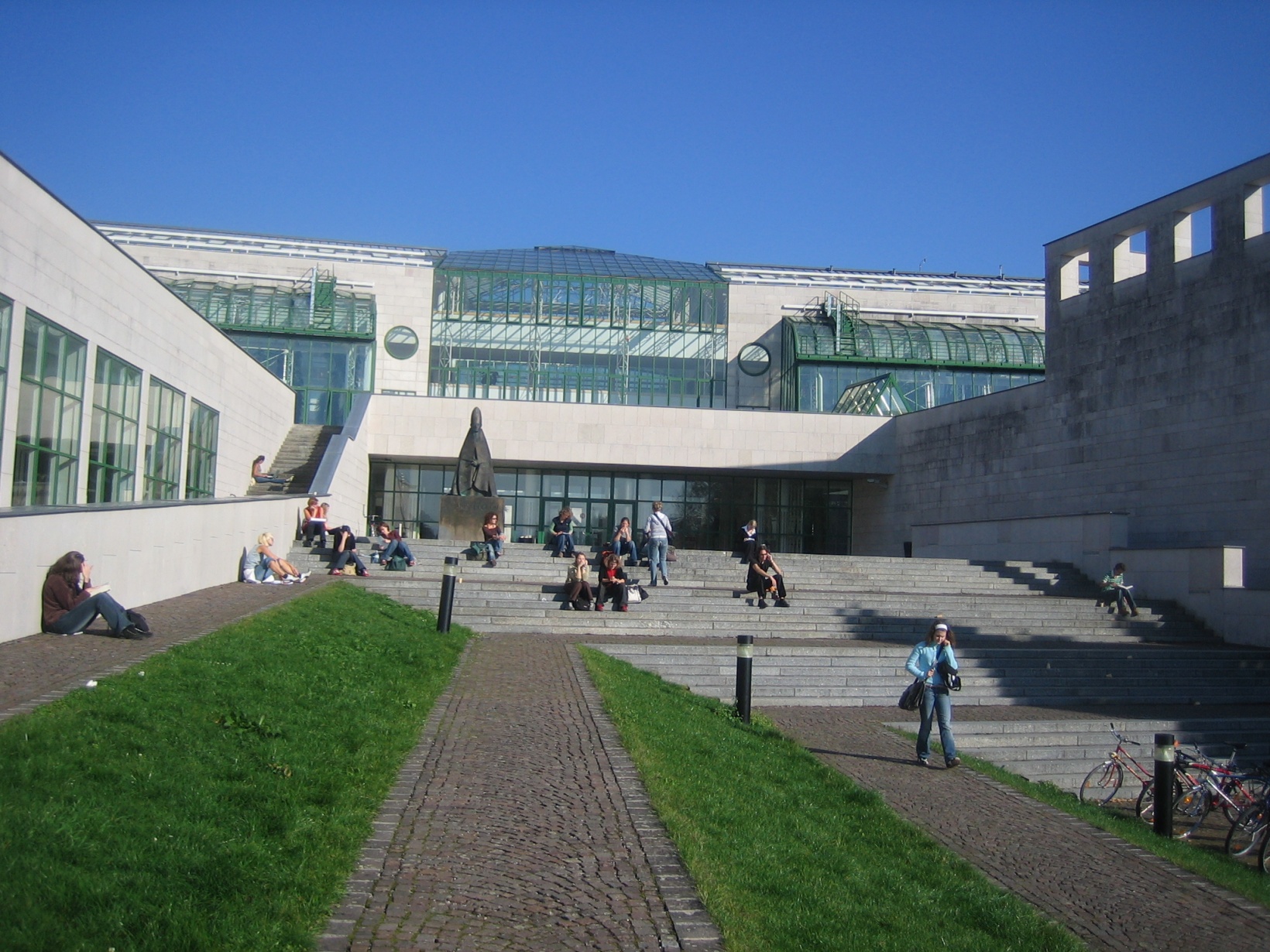
The University of Salzburg, also known as the Paris Lodron University of Salzburg (German: Paris-Lodron-Universität Salzburg, PLUS), named after its founder, Prince-Archbishop Paris Lodron, is a public university in Salzburg municipality, Salzburg state, Austria. It is divided into the four faculties Natural Sciences, Cultural and Social Sciences, Law and Catholic Theology. Established in 1622, the university was closed in 1810 and re-established in 1962. Today, it has around 18,000 students and 2,800 employees and is the largest educational institution in Salzburg state.
The University of Salzburg sees great potential for projects that bring together citizens with science. It is an excellent objective for the university to build a bridge between the academic world and society, which is why the University created it's own "Citizen Science Point of contact".
University of Zurich
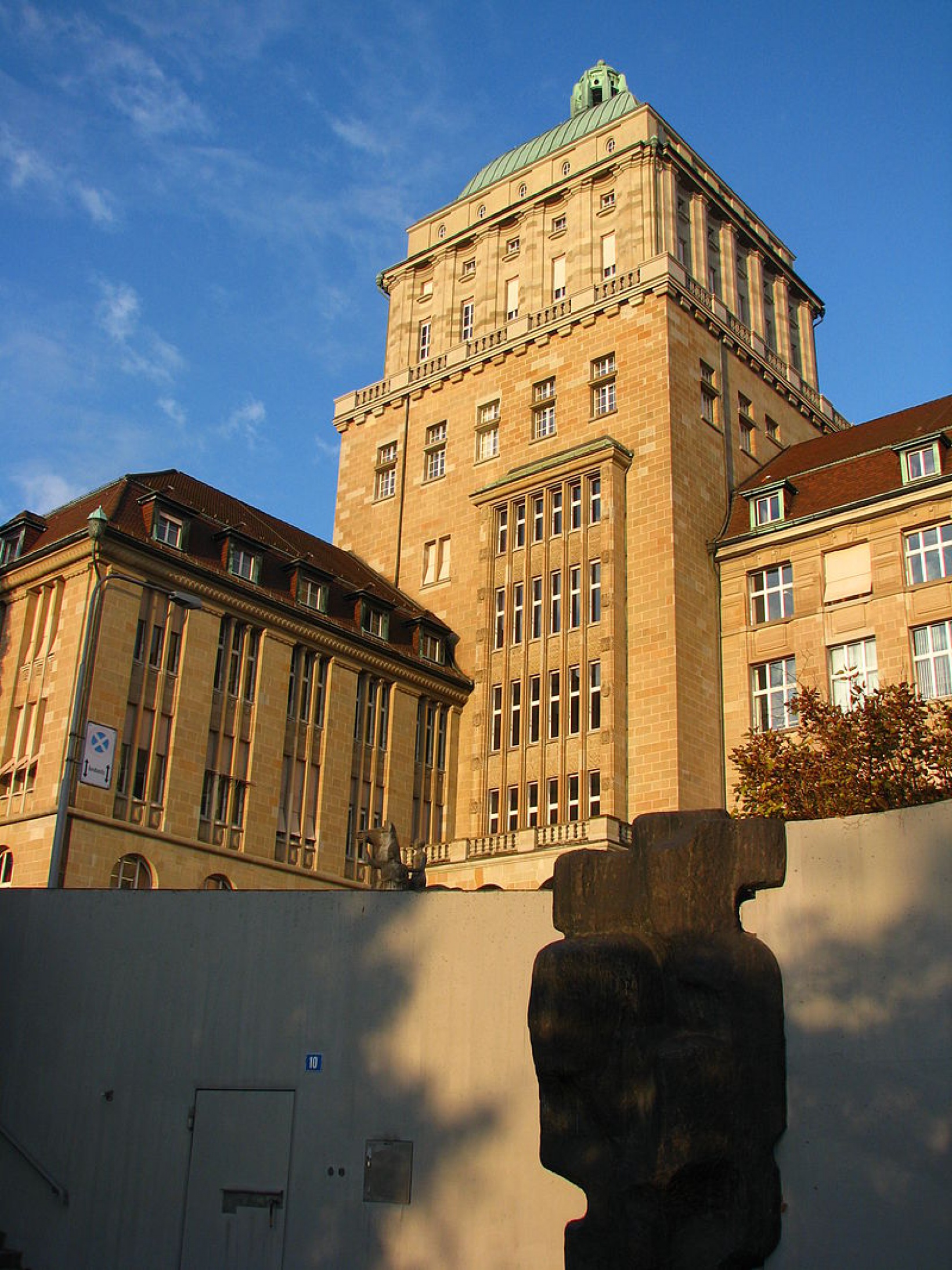
The University of Zurich (UZH, German: Universität Zürich), located in the city of Zürich, is the largest university in Switzerland, with over 26,000 students. It was founded in 1833 from the existing colleges of theology, law, medicine and a new faculty of philosophy. Currently, the university has seven faculties: Philosophy, Human Medicine, Economic Sciences, Law, Mathematics and Natural Sciences, Theology, and Veterinary Medicine. The university offers the broadest range of subjects and courses of any Swiss higher education institution. Since 2017 the University of Zurich has a Citizen Science Competence Center that aims at engaging academic scientists and the public in next-generation citizen science projects.
Stockholm University
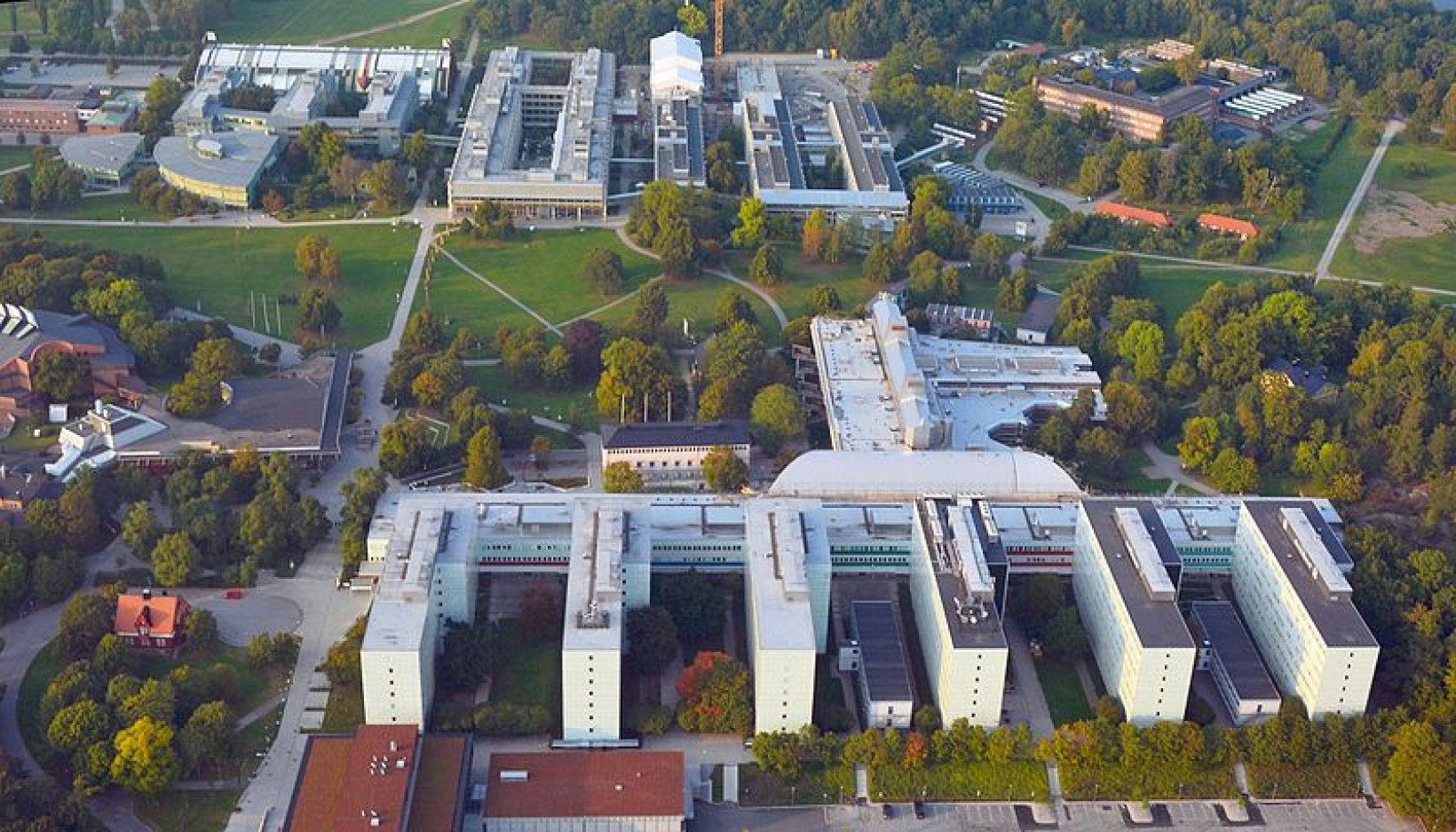
Stockholm University (Swedish Stockholms universitet) is a public university in Stockholm, Sweden, founded as a college in 1878, with university status since 1960. Stockholm University has two scientific fields: the natural sciences and the humanities / social sciences. With over 70,000 students at four different faculties: law, humanities, the mathematical, and natural sciences, it is one of the largest universities in Scandinavia. The institution is regarded as one of the top 100 universities in the world by the Academic Ranking of World Universities (ARWU, QS World University Rankings and the Times Higher Education World University Rankings (THE). As with other public universities in Sweden, Stockholm University's mission includes teaching and research anchored in society at large.
Citizen Science has a long tradition in Sweden having been practiced since the mid 18th century and is, therefore, an integral part of Stockholm University.
Central Institution for Meteorology and Geodynamics
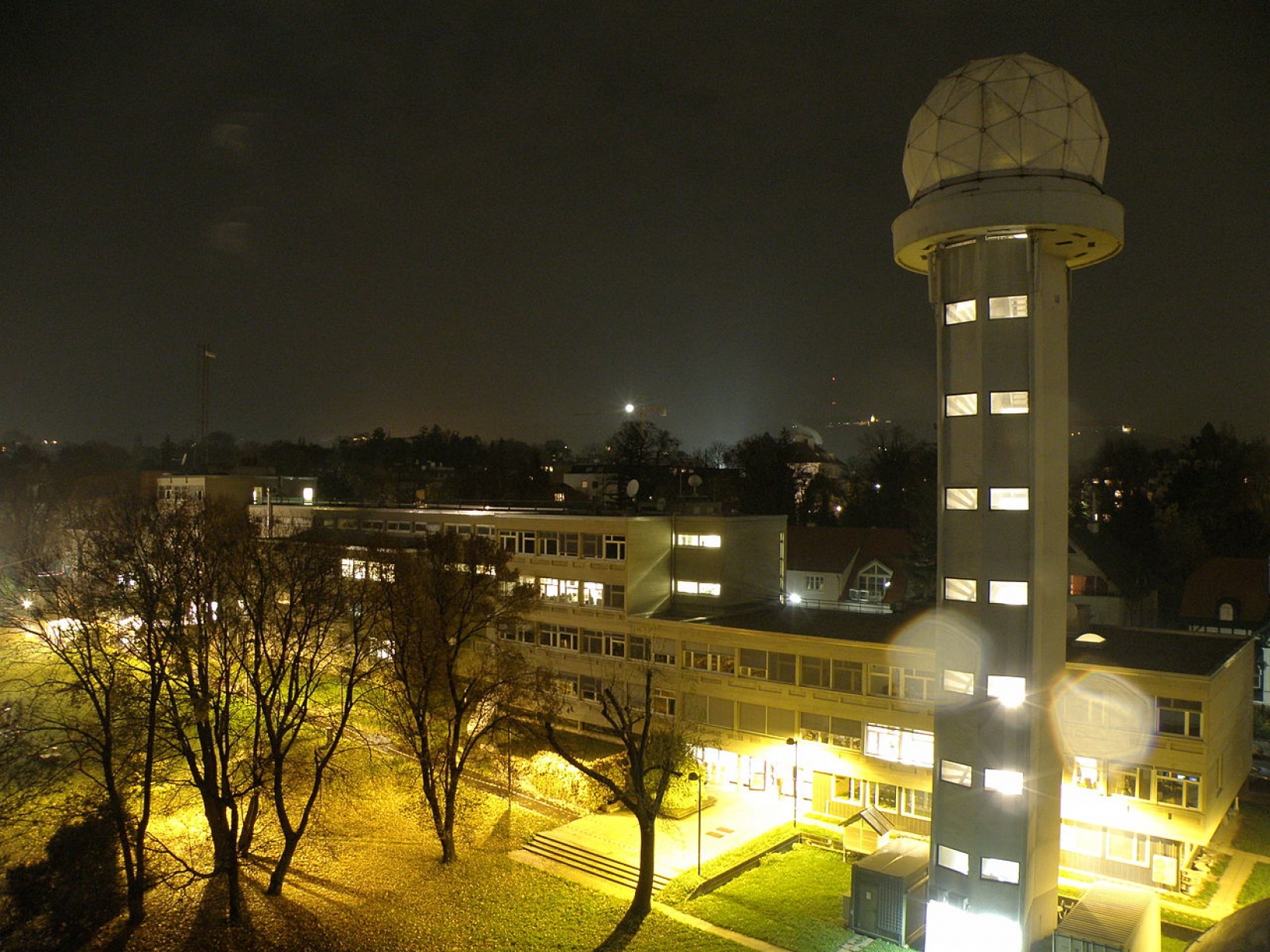
The Central Institution for Meteorology and Geodynamics (German: Zentralanstalt für Meteorologie und Geodynamik, ZAMG) is the national meteorological and geophysical service of Austria. It is a subordinate agency of the Austrian Federal Ministry for Science and Research. The ZAMG headquarters are located in Vienna, with regional offices in Salzburg, Innsbruck, Graz, and Klagenfurt. ZAMG was founded in 1851 and is the oldest weather service in the world. Its task is not only to operate monitoring networks and to conduct research in various fields, but also to make the results available to the public.
ZAMG has a long tradition of involving the general public in their research - whether it's observing nature, the weather or earthquakes, dating back as early as 1897. Their research is not only of scientific importance; it also presents a useful tool for agricultural purposes or anybody else who might be interested.