SPOTTERON
Forschen im Almtal
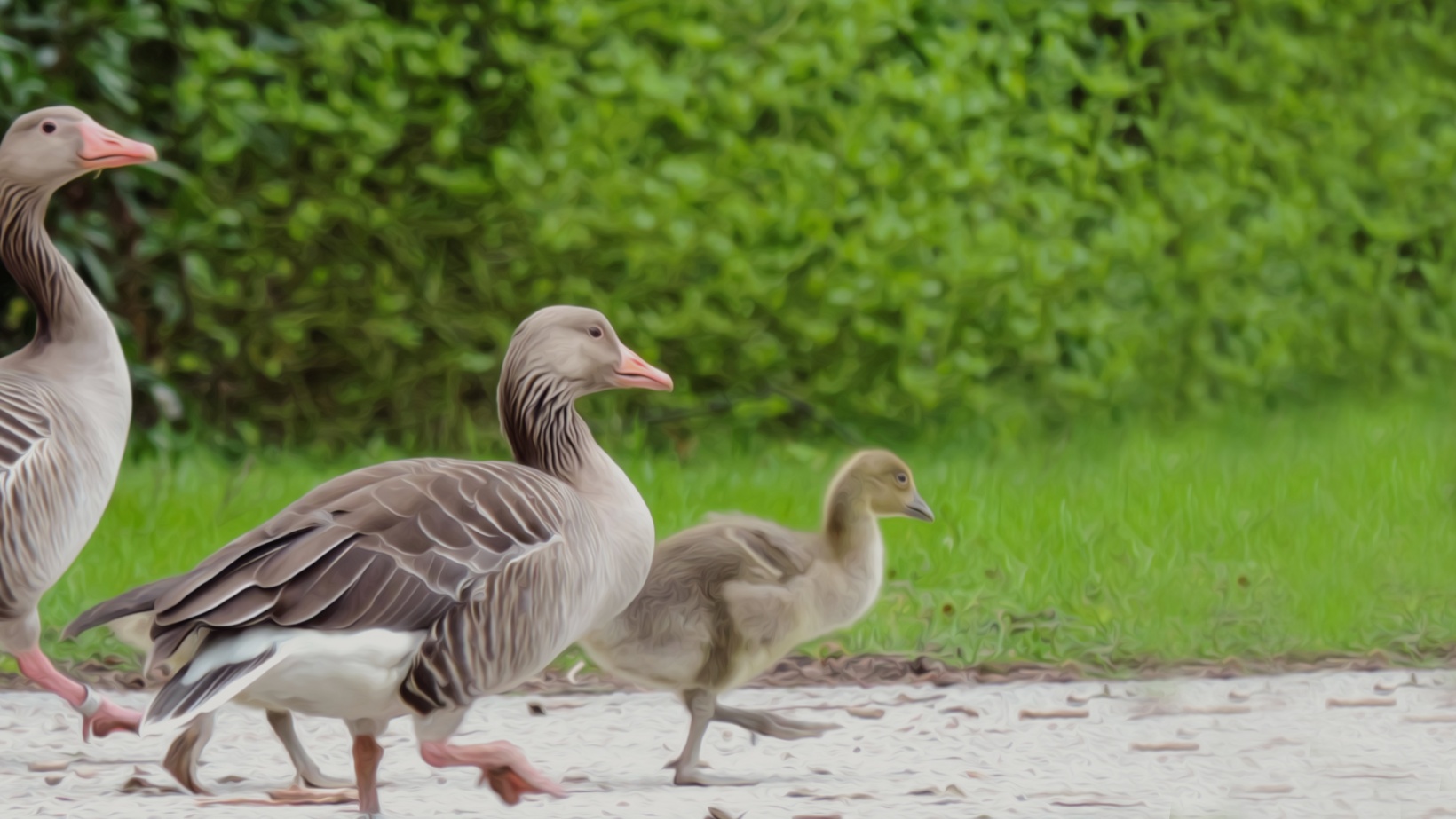
"Forschen im Almtal" is the app for a Citizen Science project of the University of Vienna in collaboration with the wildlife park in Grünau in Austria's Almtal. Visitors of the Wildlife park can become Citizen Scientists and observe three bird species (grey goose, raven and northern bald ibis) and help collect data on their behaviour in the Citizen Science App 'Forschen im Almtal'.
Nature's Calendar Lower Austria
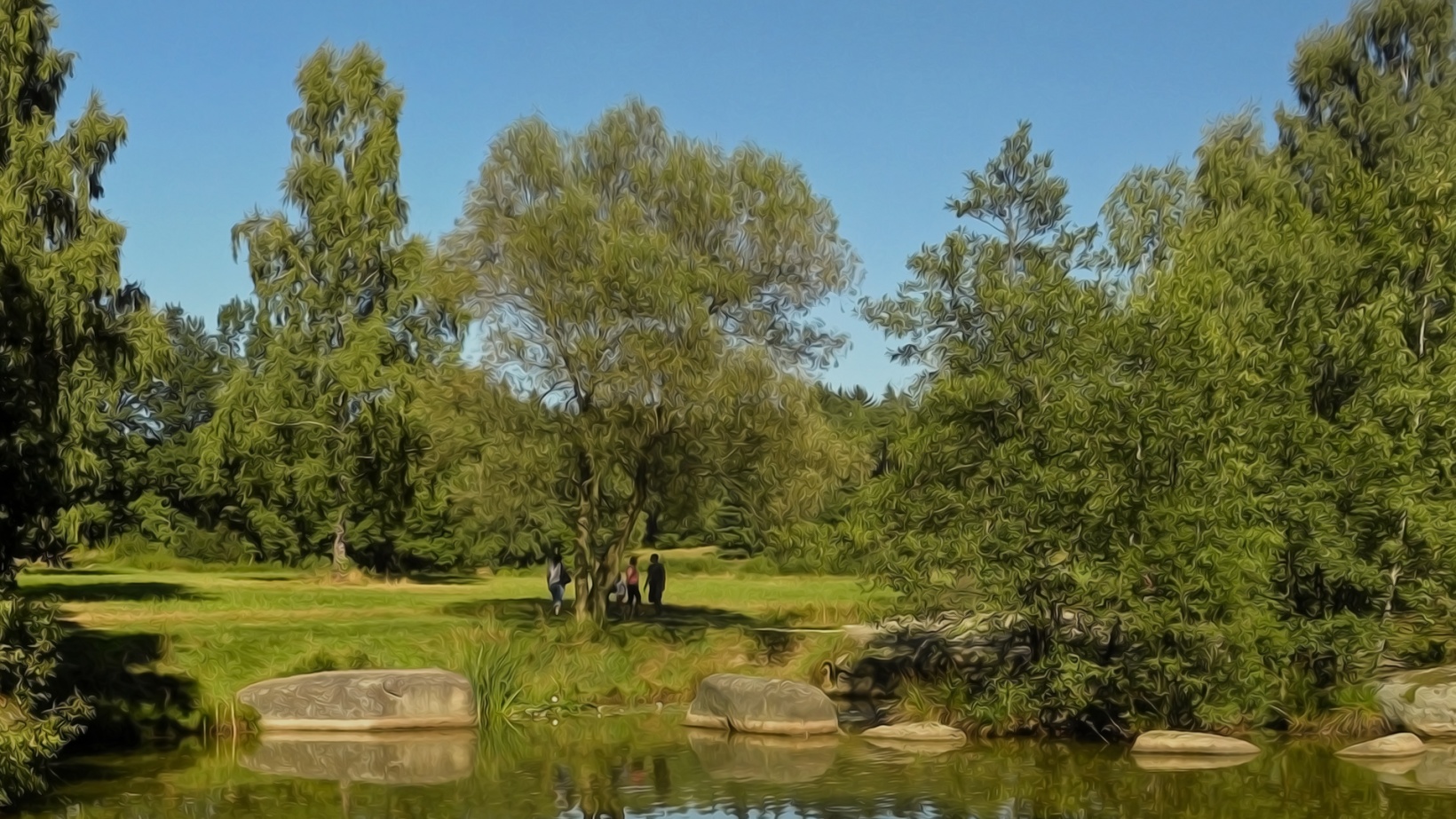
Nature seems to be on a rollercoaster ride these days. Sometimes there's spring in the middle of winter, then there are cold spells over and over again when it's almost summer. This is why nature- and climate researchers need more and more information about when plants begin to blossom, have fruits or start throwing off their leaves or when animals are active. Entries in the ‚Nature's Calendar' App support the Austrian ZAMG's data collection.
WaldrApp
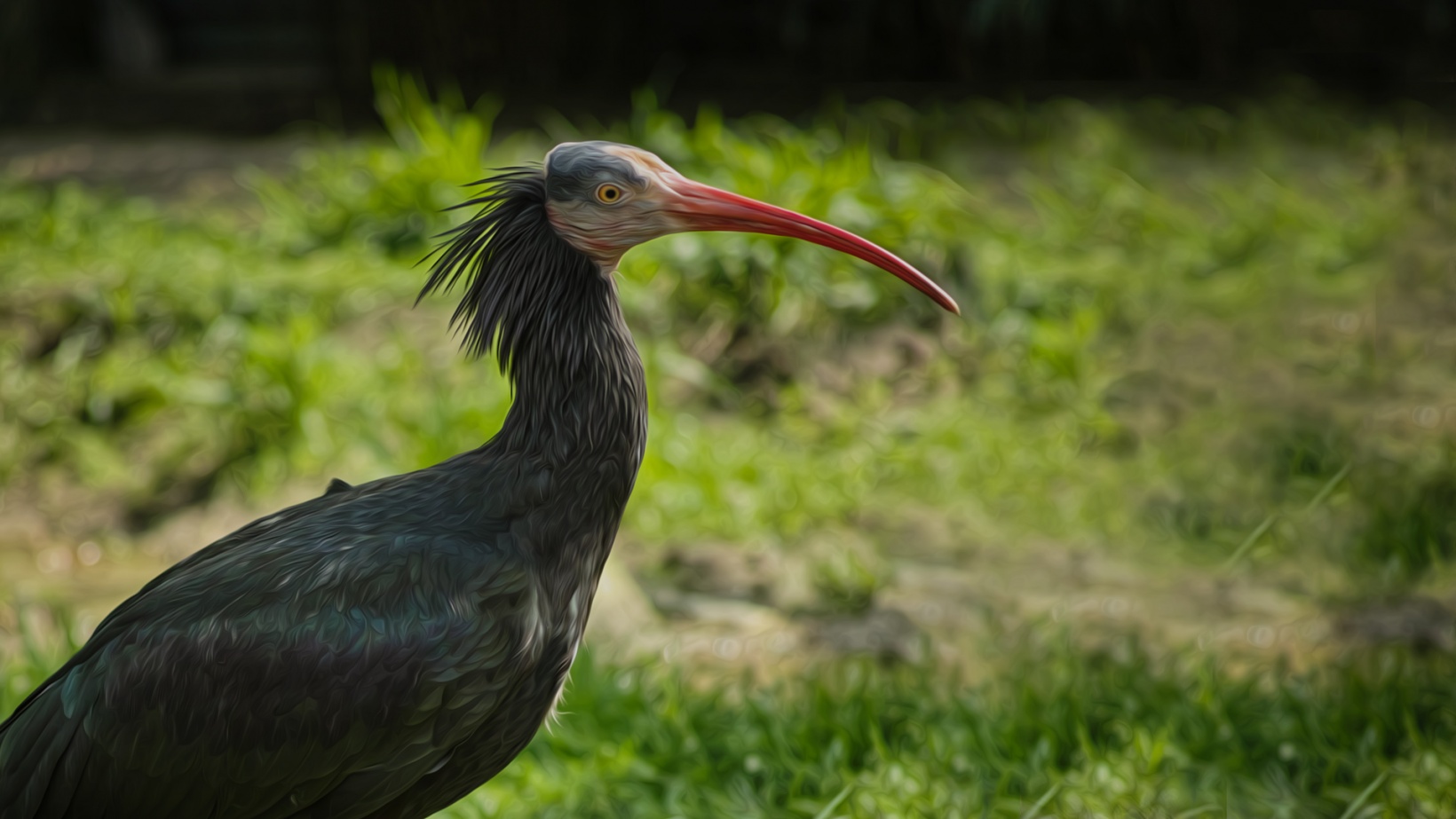
WaldrApp is a Citizen Science project from the University of Vienna aiming to collect ecological information on the whereabouts of "Waldrapps" (English: northern bald ibis). Since these birds are an endangered species, the data collected through the app can help gain essential data for future settling projects.
Was Geht Ab?
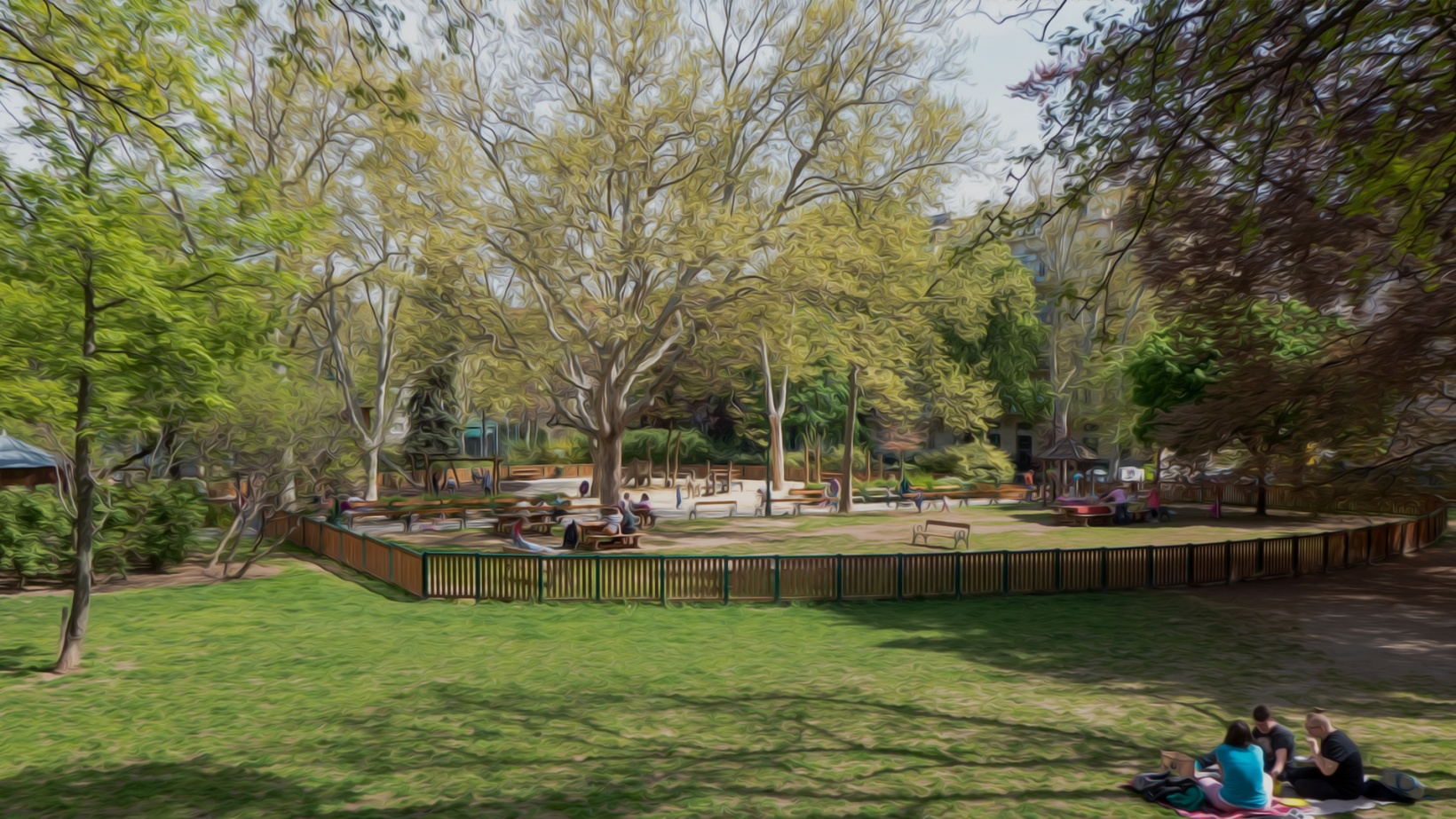
In collaboration with the Institue for Transport at the University of Life Sciences, Vienna, this Citizen Science App was specially made for kids and teenagers. The Community Science project aspires to understand better how they perceive and rate possible dangers and their surroundings in general.
Fjällkalendern
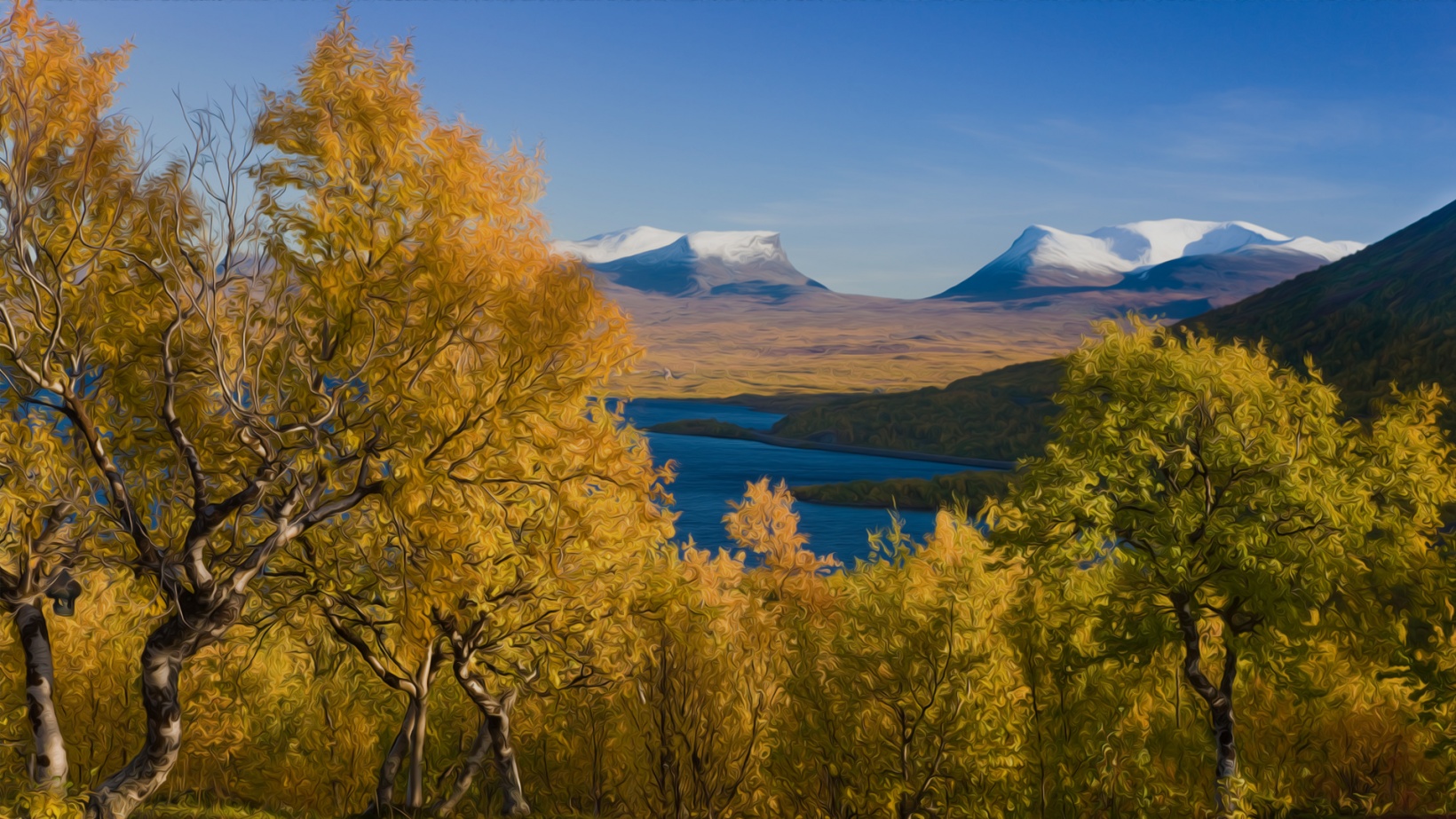
While visiting Abisko, it's possible to participate in the research project concerning climate change effects in the Arctic and in the Swedish mountains. Interested Citizen Scientists can enter their observations of the mountain slope Nuolja/Njullà in" fenologislinga" ("science path") and thereby contribute to this citizen observatory.
Global2000 LitterBug
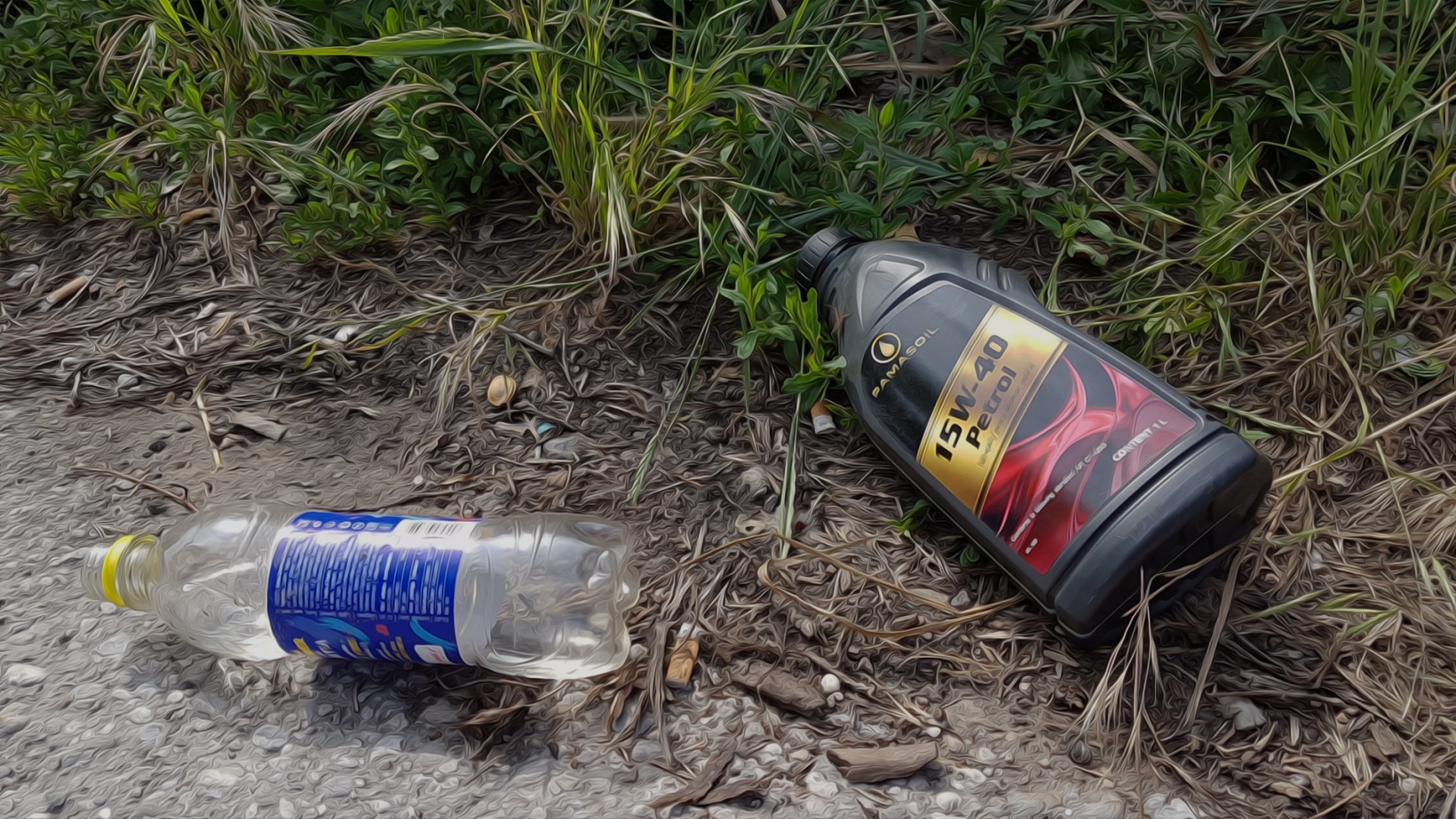
Global 2000's "LitterBug" Project is an initiative of the independent Austrian environmental organization GLOBAL 2000 alongside the Austrian Alpine Association "Edelweiss" and Alpine Club Mountain Club. The initiative was created to free nature from trash and to sharpen our awareness for the trash surrounding us in nature. The aim is to support a sustainably clean environment everywhere.
Nature's Calendar Styria (Austria)
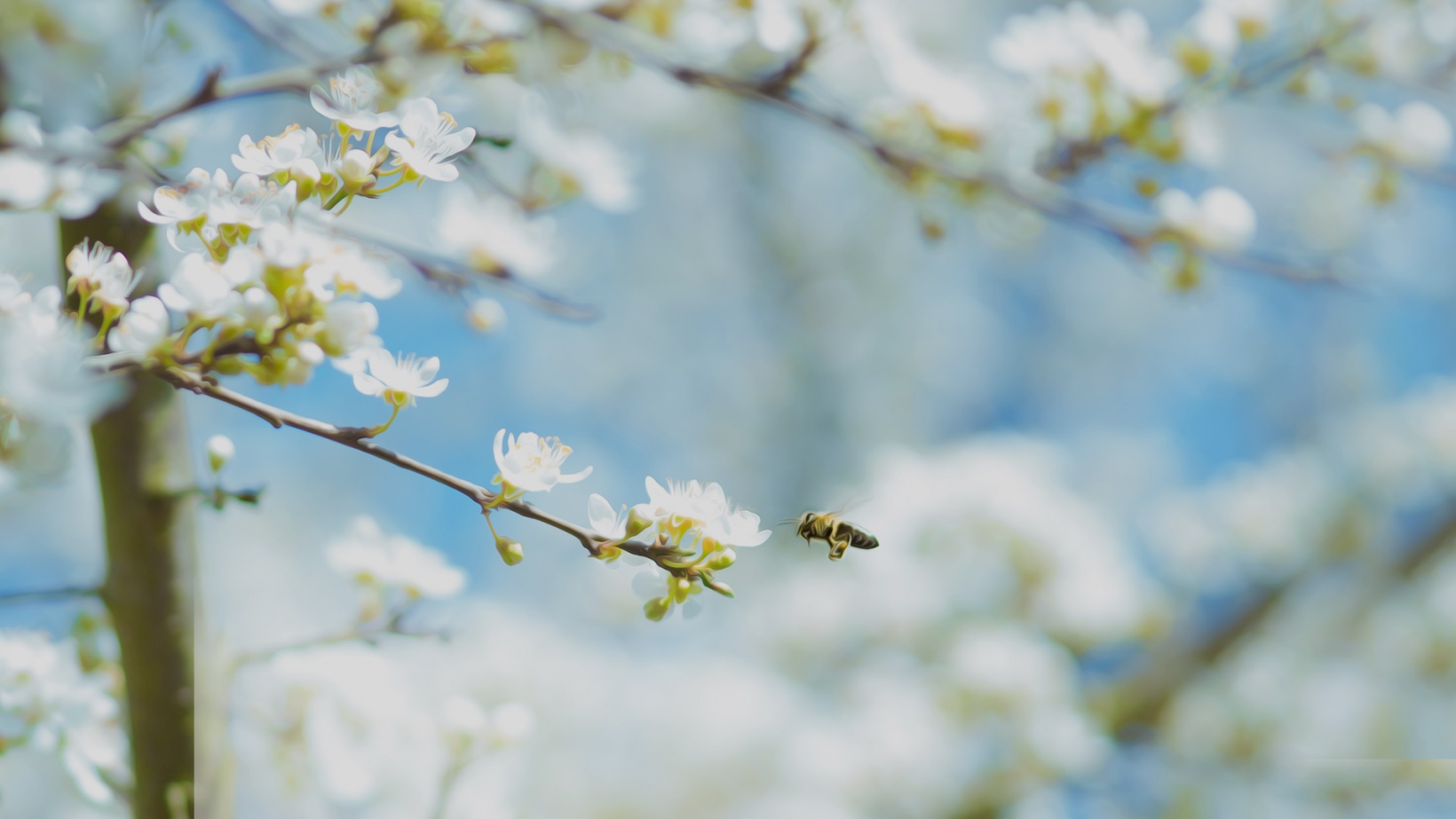
Nature's Calendar Styria is another regional Nature's Calendar project which also aims to observe nature with the help of attentive Citizen Scientists. They support environment- and climate research with observations of when plants begin to blossom, trees produce fruit or start throwing off leaves or when animals are active. The collected data also goes into the data collection of the Austrian ZAMG (Central Institution for Meteorology and Geodynamics).
CrowdWater
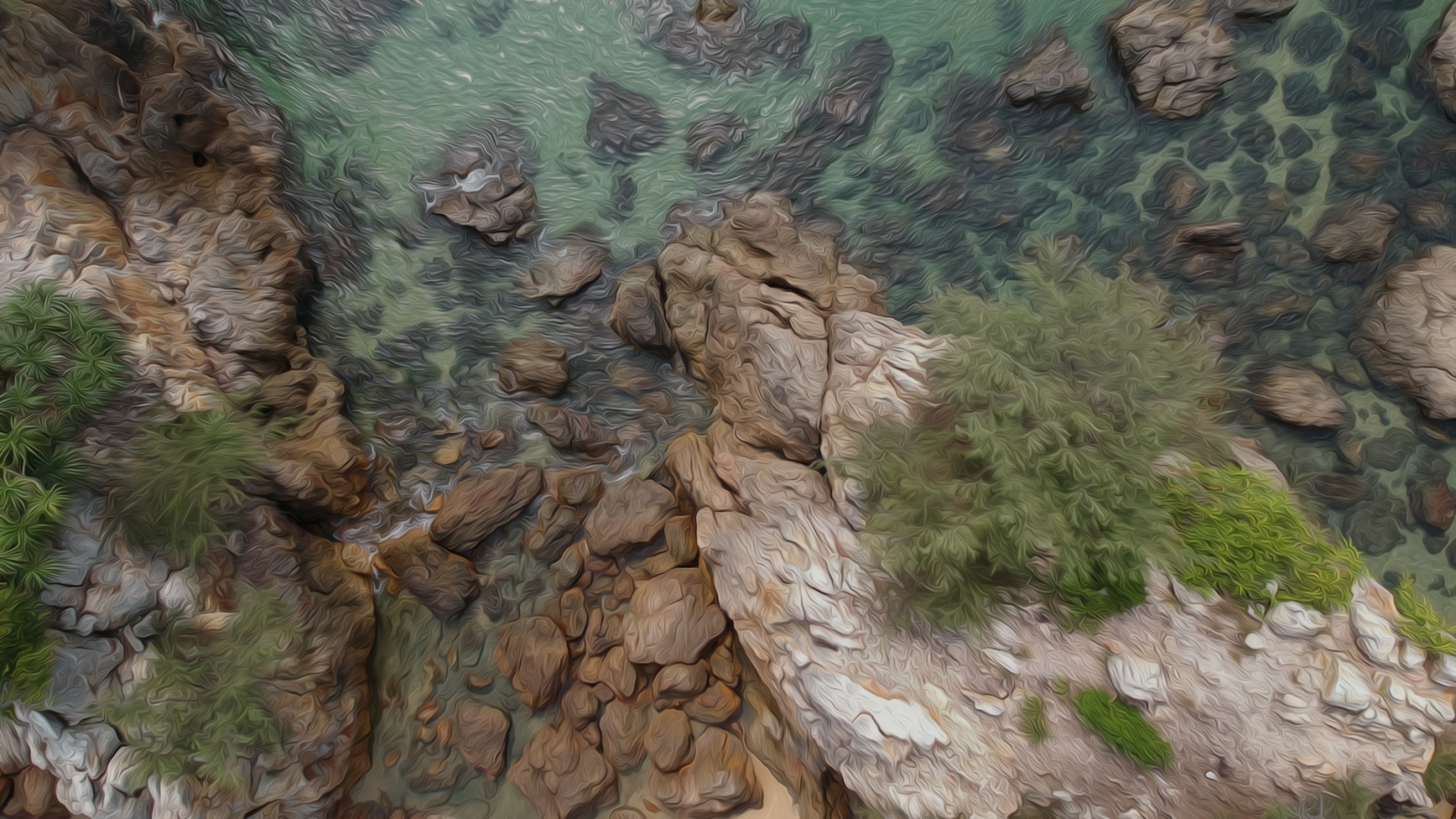
CrowdWater is a global Citizen Science project initiated by the University of Zurich, which collects hydrological data. The goal is to develop a cheap and easy data collection method that can be used to predict floods and low flow. The long-term aim of the project is to complement existing gauging station networks, especially in regions with a sparse measurement network, such as in developing countries.
Anslagstavlan
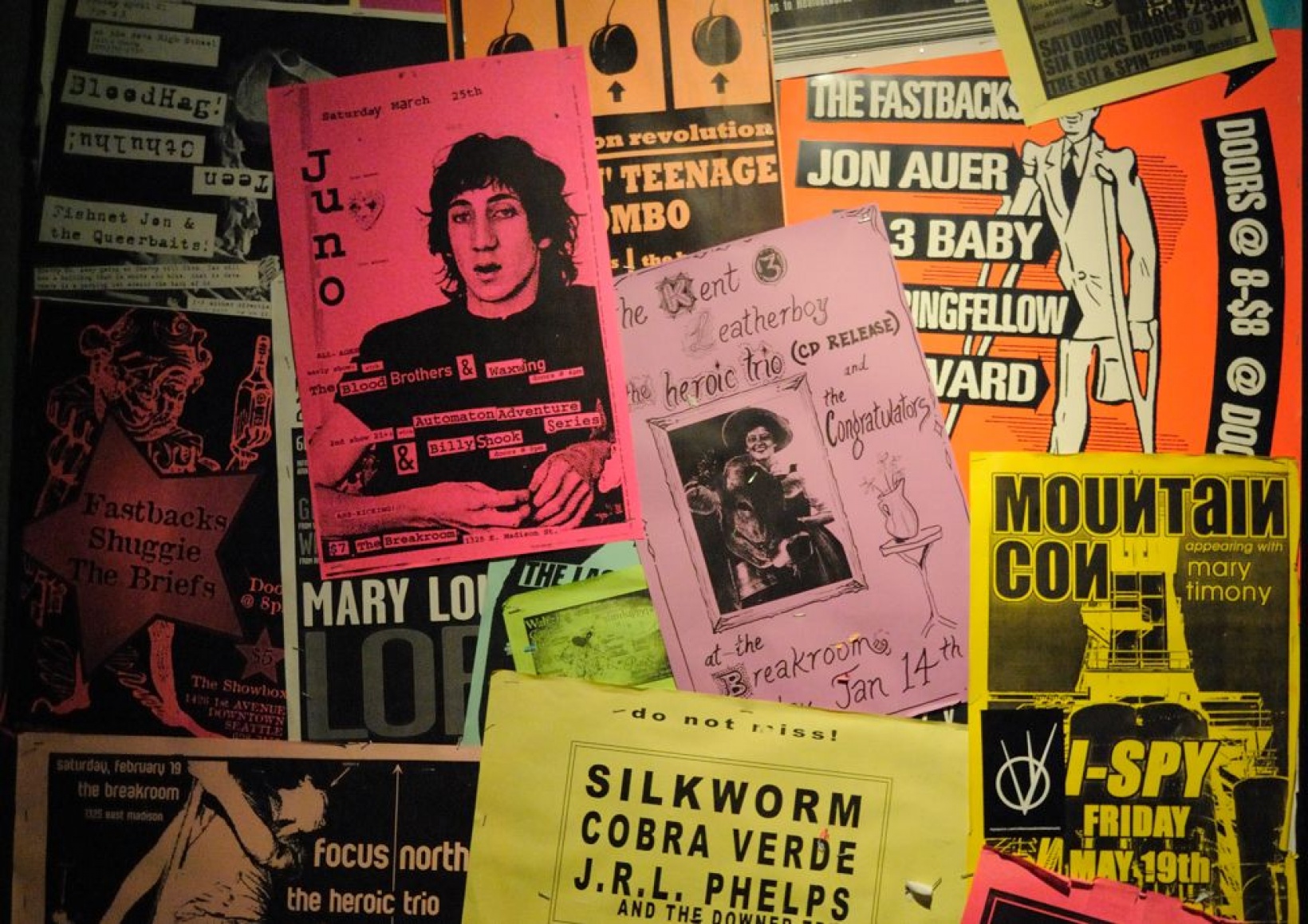
The Citizen Science project Anslagstavlan ("Public boards") collects images from bulletin boards around the world. By taking pictures of messages and describing them, you contribute to the scientific research on communication of a collaborated Community Science project among the University of Gothenburg, the University of Stockholm and the European Researchers' Night. Also, you are sharing a piece of culture with peers around the world.
Surveillance

This community project aims to show the surveillance apparatus we are constantly being watched by. With their entries, the users can collect data on surveillance technology in their surroundings and also raise awareness of the denseness of surveillance surrounding citizens in their day to day lives.