SPOTTERON
Spot-a-Bee
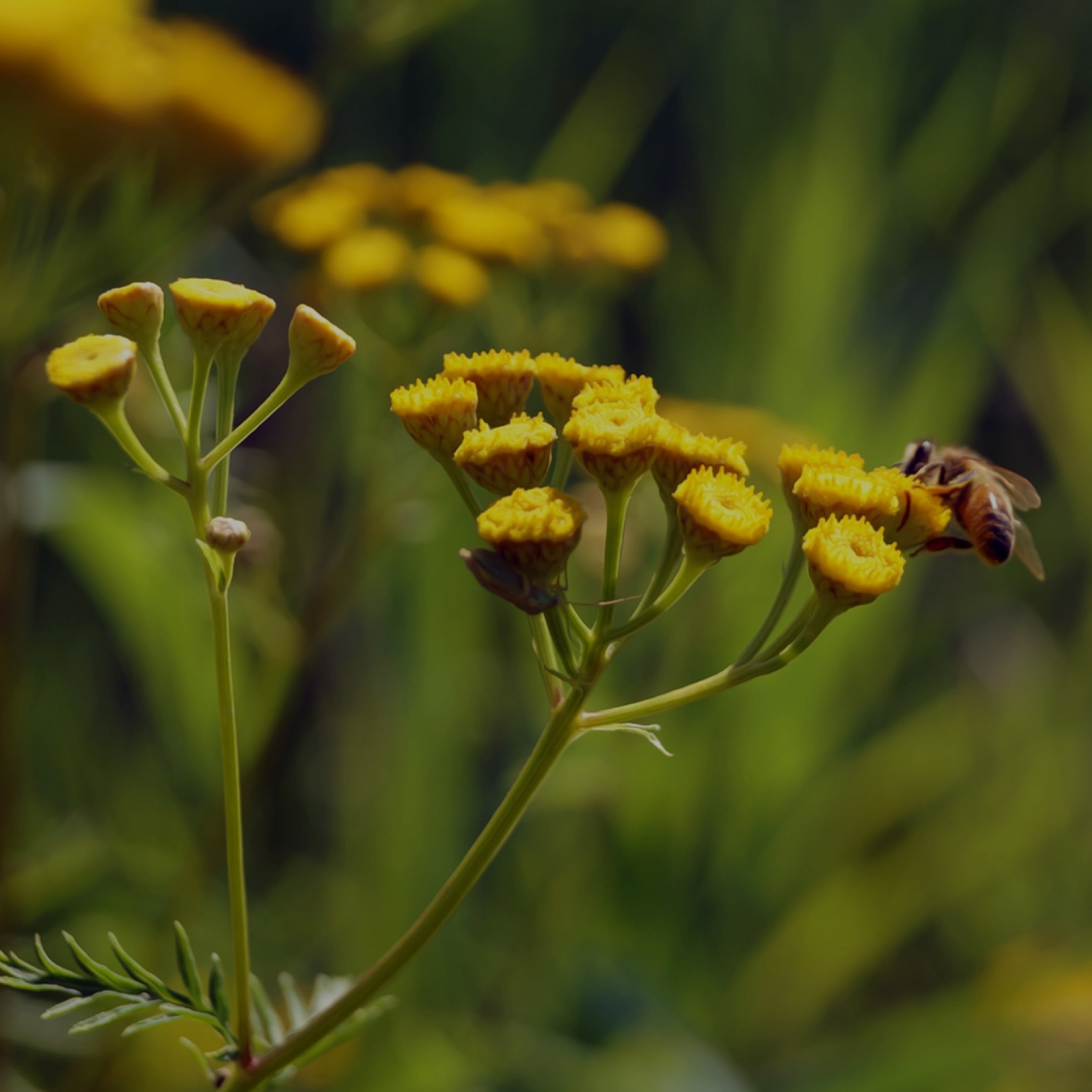
At the Spot-a-Bee Citizen Science project, the researchers of Cardiff University and the University of Glasgow, UK want to find out what plants, trees and shrubs are important for bees in city and town parks and gardens. The project also wants to understand how planting in urban places might affect the production of urban honey. People can help survey bee-friendly plants in towns, cities and villages.
New Citizen Science app feature pages
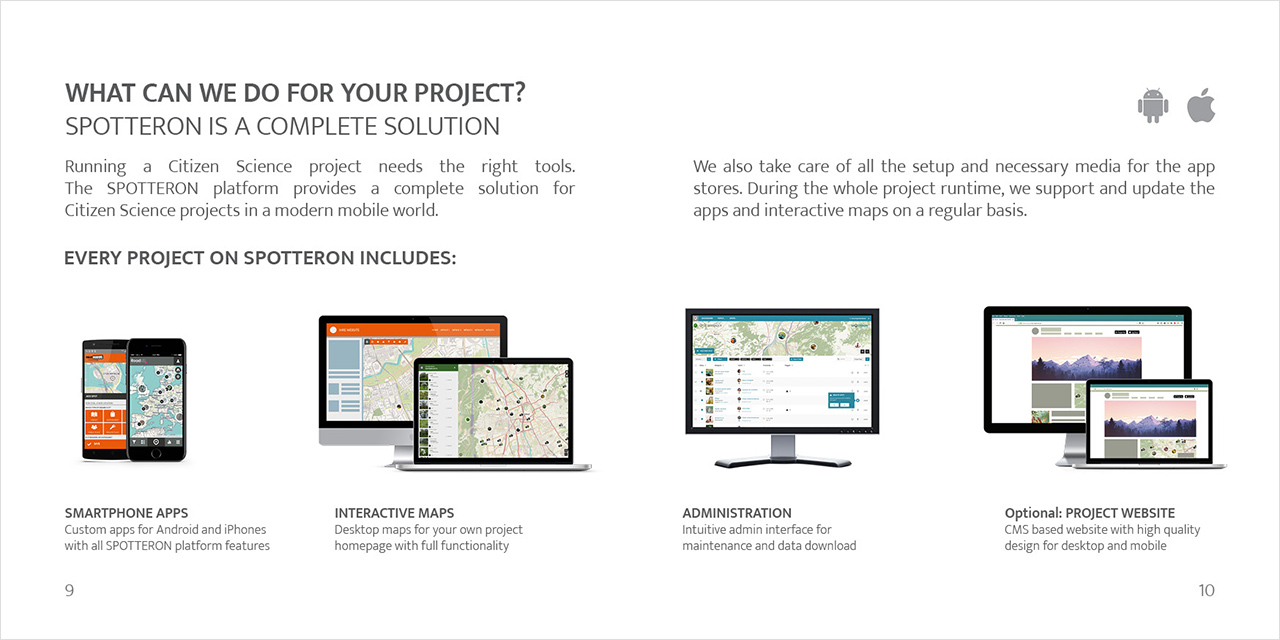
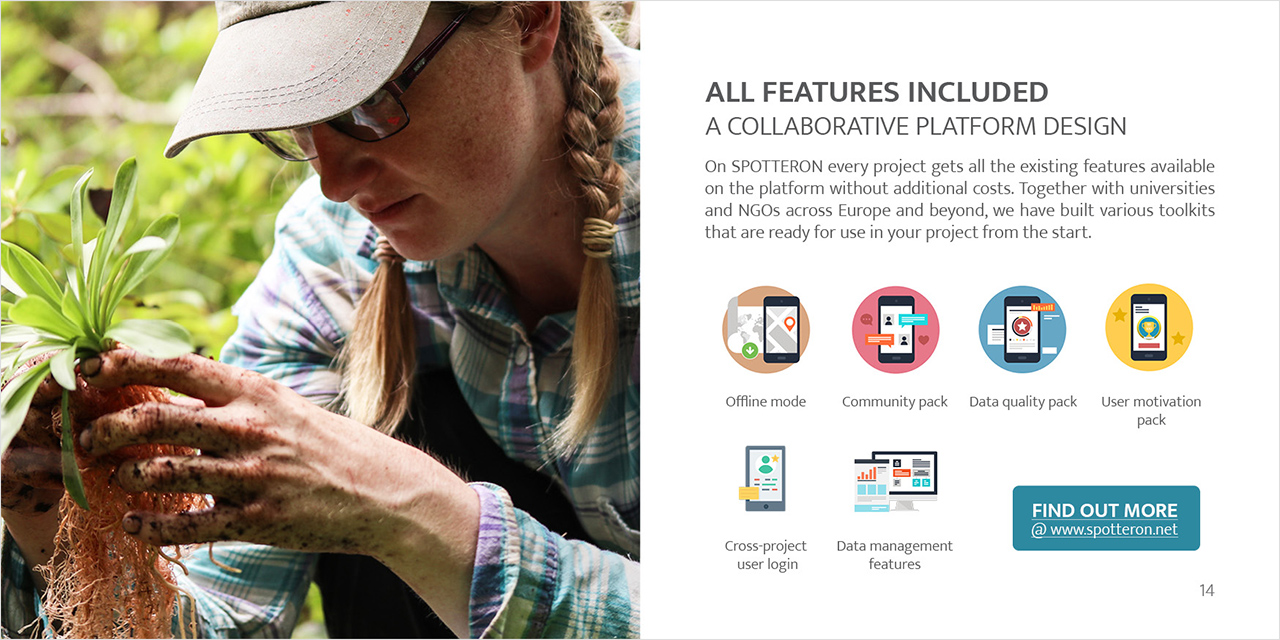
Our section about the available core-features for your Citizen Science App has been redone! You can find now a better overview of the various functionalities of the SPOTTERON, which are available for all Citizen Science Apps on the platform.
SPOTTERON Citizen Science Presentation
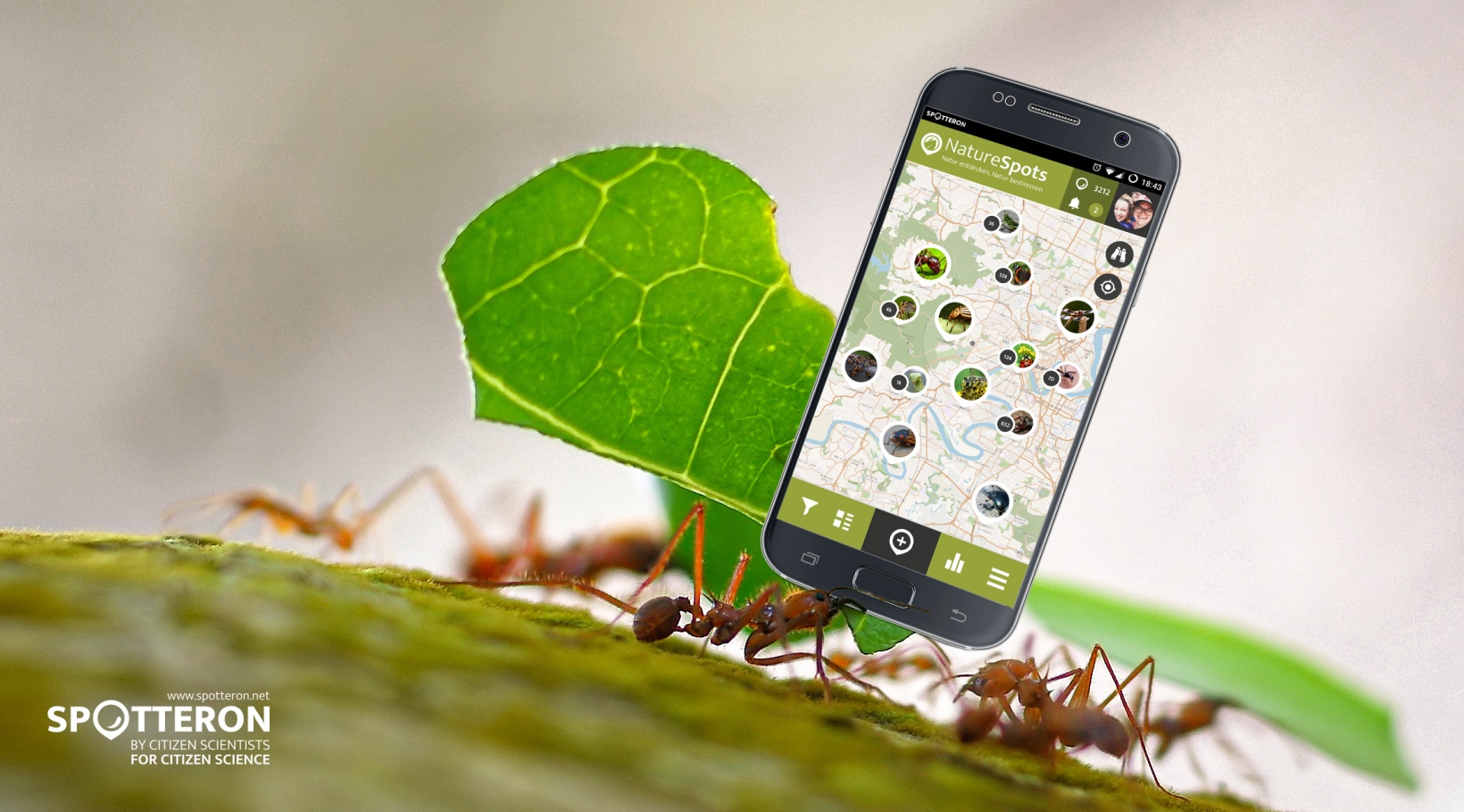
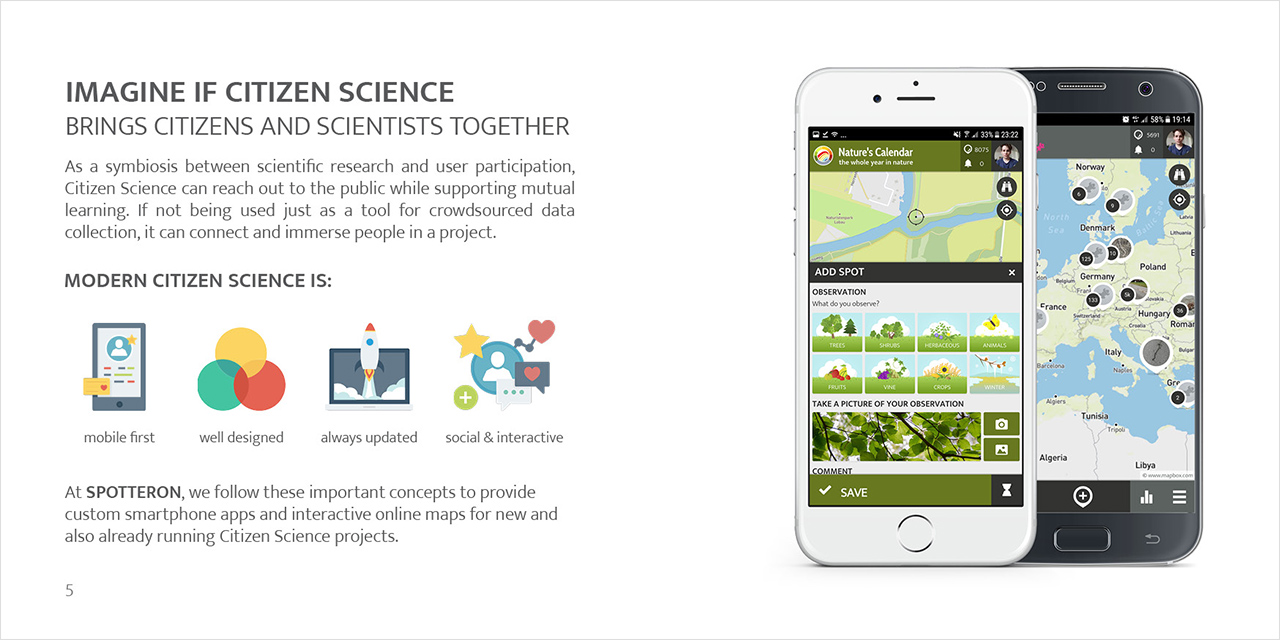
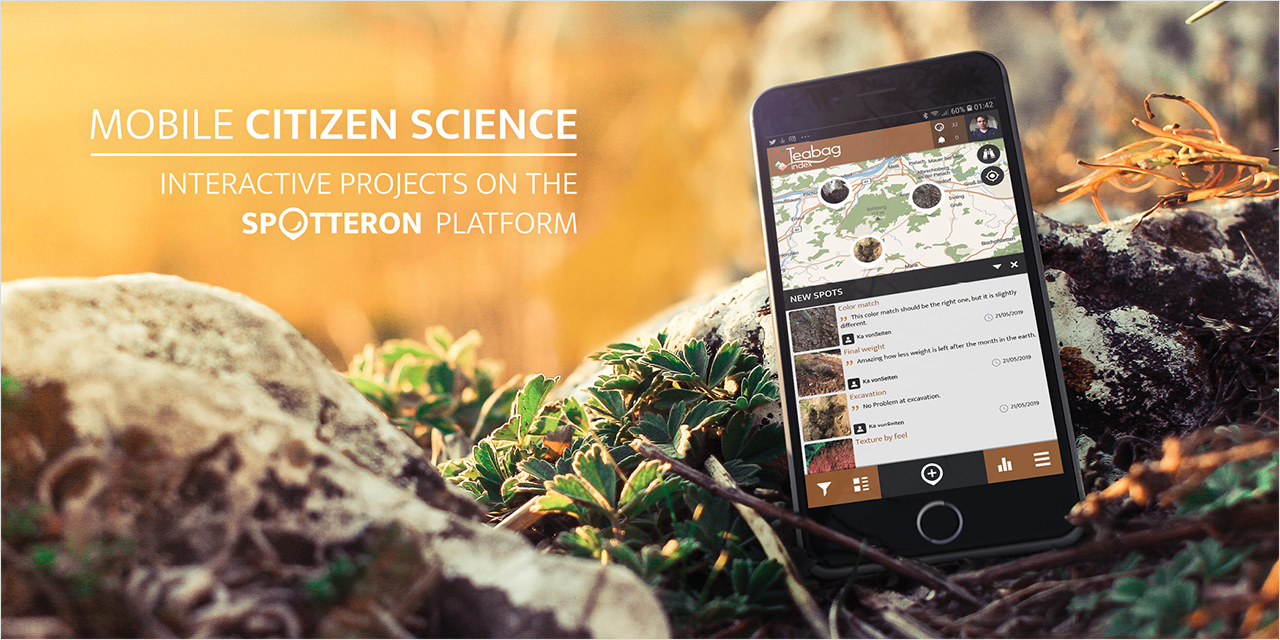
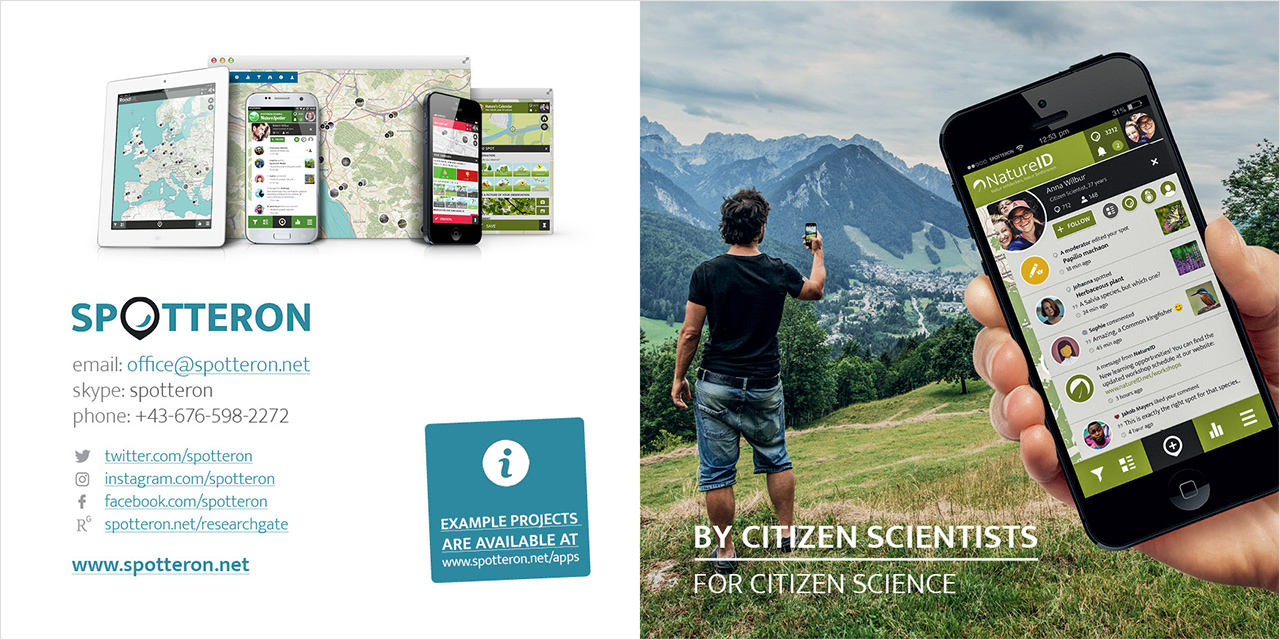
Here you can view and download our current presentation about the SPOTTERON platform and Citizen Science apps, we build for interactive research projects:
SPOTTERON Citizen Science Presentation
Here you can view the presentation as single page export, for a complete file please download the presentation as PDF
New Citizen Science App: CoronaReport, ArtSpots, Nature's Calendar Burgenland
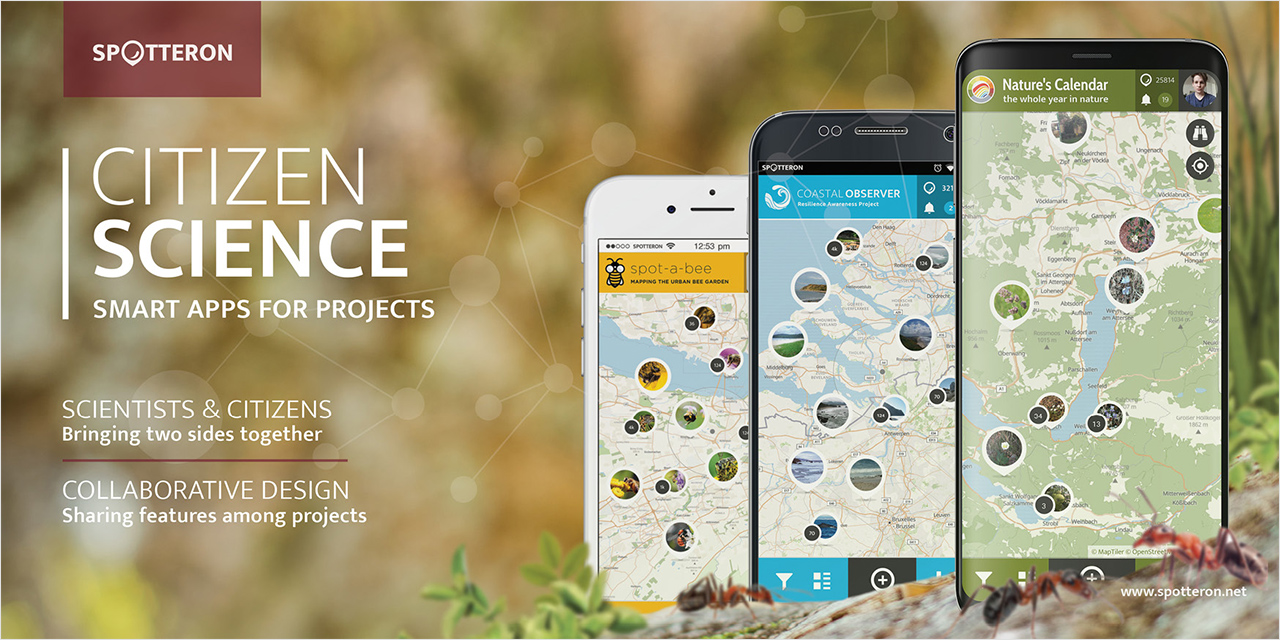
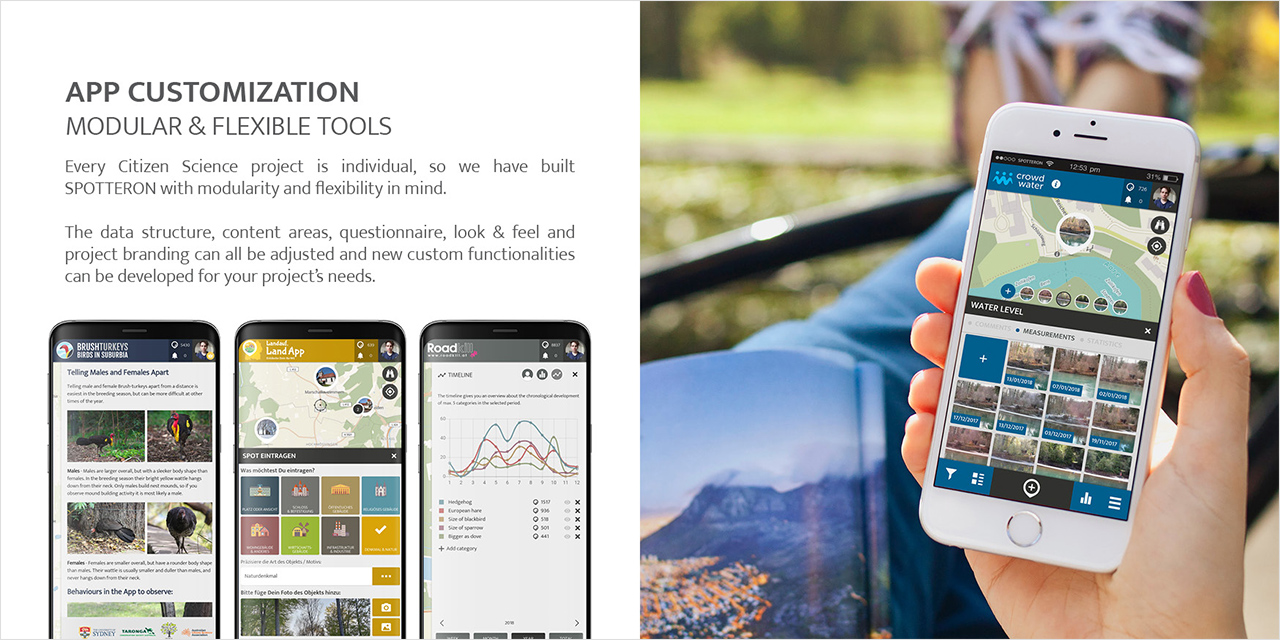
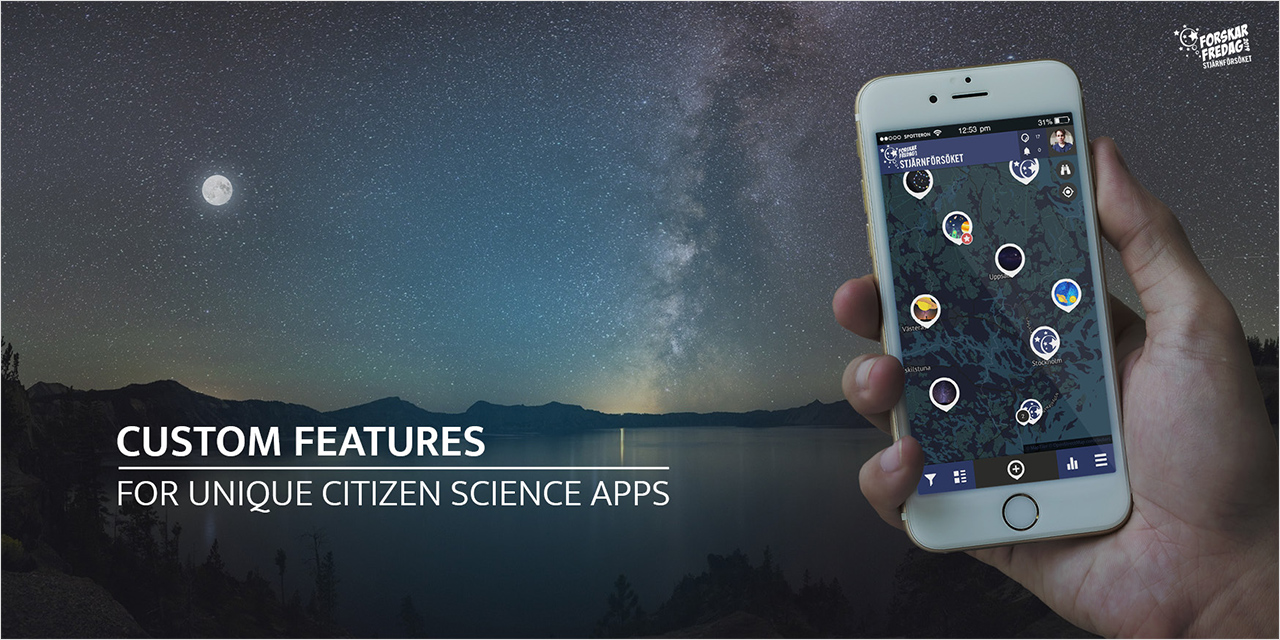
There are new Citizen Science projects listed in the Citizen Science app overview: CoronaReport for a better understanding of the COVID-19 Coronavirus crisis, ArtSpots for all of you who love art, photography and architecture, and a new regional phenology project called Nature's Calendar Burgenland. Check them out and download a Citizen Science app today!
Nature's Calender Burgenland

Nature's Calender Burgenland is the next regional project of the Nature's Calender app family. The Citizen Science app can be used locally for phenology observations in nature and offers all community functions and features for species classfication. By the local character of the Citizen Science app especially schools and educational institutions in the region can participate in an optimal way.
CoronaReport

The Citizen Science App "CoronaReport" allows social science to understand the current Corona Virus crisis better and collect data about the impact of COVID-19 on our lives and society. The app can be used by Citizen Scientists to create diaries and reports about situations, with which the Citizen Science community can interact and exchange their thoughts and stories. The contributions will help social science and the data will be made available to research partners. CoronaReport is lead by the University of Edinburgh, Scotland, UK.
Check & lock in the data quality pack
A high level of data quality in Citizen Science apps is one of the core elements on the SPOTTERON platform. The new feature "Check & Lock", which allows Citizen Science projects to maintain a never-changing data-set directly in the Administration Interface has been added to the feature pack for data quality and it can be used by every projects withour extra costs from the start.
Geological Survey of Austria

The Geological Survey of Austria collects and interprets geoscientific information in Austria, lays the foundation for the sustainable use of the geogenic potential and provides them to the public in a systematic manner. The Geological Survey of Austria creates maps and reports on all geological aspects of the earth, dedicated to the exploration of mineral deposits, groundwater, natural hazards and geothermal energy, operates a geological information service acts as a service for the public administration and participates actively in international research projects, in particular with neighboring countries, part. The Geological Survey of Austria represents the national interests on the international geoscience, especially at European Level.
Sustrans

Sustrans is a UK walking and cycling charity and custodian of the National Cycle Network. It works with schools to encourage active travel (cycling, walking or scooting) among students. It also works with employers and local authorities. It administers several thousand volunteers who contribute their time to the charity in numerous ways, such as cleaning and maintaining the National Cycle Network, enhancing biodiversity along the routes, leading walks and rides and supporting communities to improve their air quality.
Trinity College Dublin

Trinity College (Irish: Coláiste na Tríonóide), officially the College of the Holy and Undivided Trinity of Queen Elizabeth near Dublin, is the sole constituent college of the University of Dublin, a research university located in Dublin, Ireland. The college was founded in 1592 by Queen Elizabeth I.
Academically, it is divided into three faculties comprising 25 schools, offering degree and diploma courses at both undergraduate and postgraduate levels.
The Library of Trinity College is a legal deposit library for Ireland and Great Britain, containing over 6.2 million printed volumes and significant quantities of manuscripts, including the Book of Kells.