SPOTTERON
Philipp Hummer

 Philipp Hummer (male) is CEO and leader of the Design at SPOTTERON. He is a professional designer and founder of SPOTTERON Gmbh, with over 18 years of experience in design, web design, user interface design, media production, online media, visual design and team management.
Philipp was born in Wels, Upper Austria and was undertaking expeditions into nature already as a little kid. The term "Citizen Science" was not yet present in these times, but Philipp sent his first species observations of Green Toads (Bufo viridis) to the Natural History Museum's herpetology department when he was just 8 years old. Via postal letter - because internet or smartphone apps were not a thing back then!
Philipp's second most favourite thing in the universe is Art and Visual Aesthetics. Drawing and painting have always been a big part of his life, sparking also his interest in visual design and media production. When the internet came to households, a love was born. Philipp built his first websites in pure handcrafted HTML when modems did make sounds. This all conglomerated in a ton of experience and practice, which is now applied at the SPOTTERON Citizen Science platform.
Personal pages:
LinkedIn: https://www.linkedin.com/in/philipphummer/
ResearchGate: https://www.researchgate.net/profile/Philipp-Hummer
Data Visualization Overlay
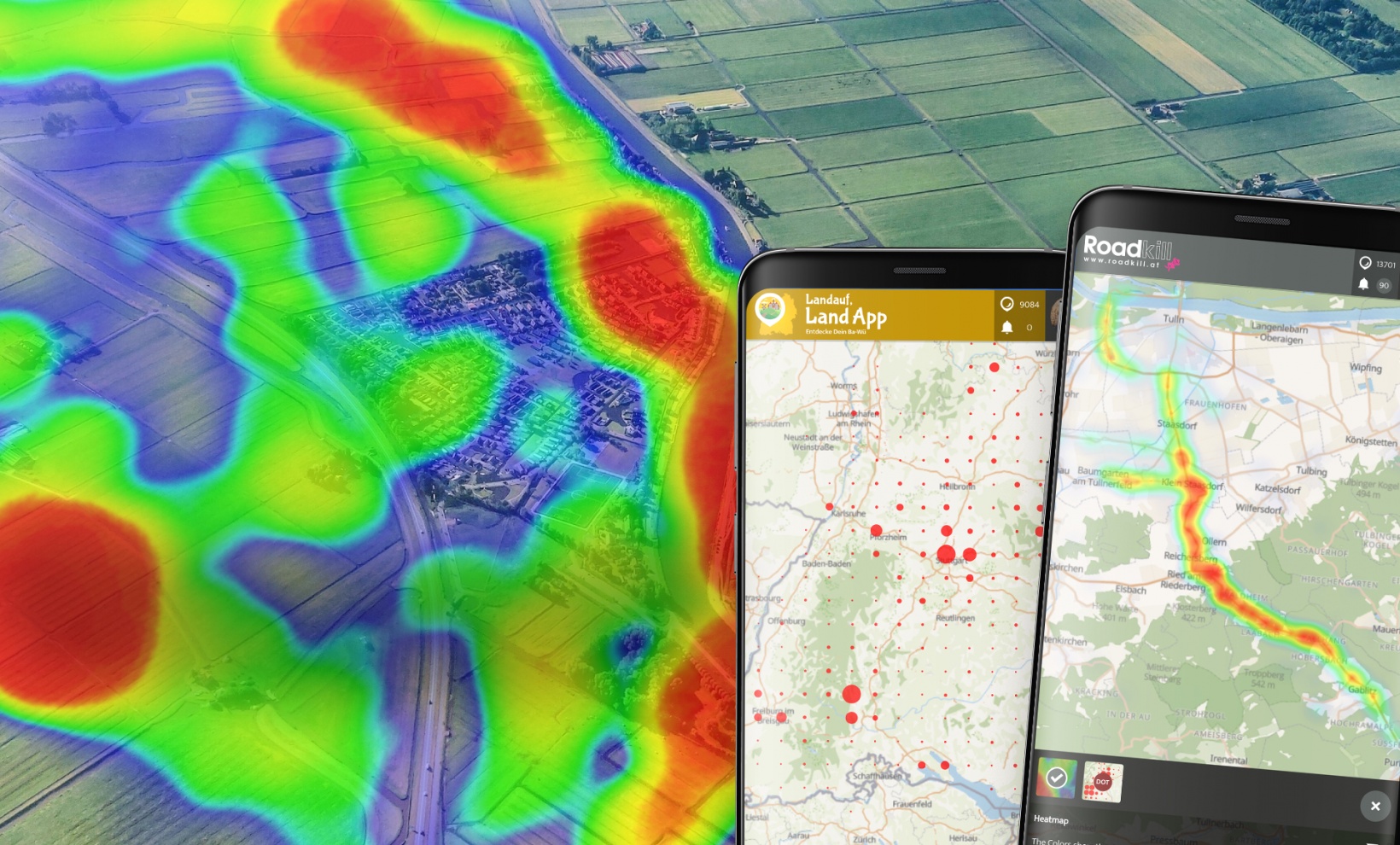
The "Data Visualization Overlay" brings interactive data visualizations to all Citizen Science Apps on the SPOTTERON Platform. It allows for significant relationships to be illustrated with one click and presented visually, communicating complex data relationships and data-driven insights in an easy-to-understand way.
Gender Equality Plan
Gender Equality Plan
SPOTTERON, as a Citizen Science and participatory platform, sees it as part of its culture to commit to gender aspects and equality. In all applicable gender selections in service and software developments, we include the options for not only male and female forms of address but also for unspecified and non-binary.
In ordering genders in selection elements or other wordings, we list the female gender first to break with old established habits and increase inclusiveness for female genders. In practical design tasks and consulting projects, we notify project partners about gender equality and inclusiveness, e.g. in wordings of project content, user input option ranges, and target group considerations.
In terms of data collected about users at account creation, users can freely choose gender options and even switch account types and gender anytime without restrictions or delay. User account data is not aggregated or shared as data collection outside the system functionalities.
In our daily communication and management tasks, we always include gender equality and identity as part of our core principles. Every member of SPOTTERON is always aware that including gender diversity and equality in the platform's design decisions and communication is not only required but a collectively shared mindset. Living inclusiveness is at the core of our internal culture and daily work.
Gender diversity and inclusiveness in SPOTTERON’s online presence:
On our platform's online channels like on social media or website, we participate actively in Pride Month by focusing on gender-related aspects and hashtags and showing rainbow colours in our official profile pictures as a direct way to join in on gender diversity and inclusiveness visibility. At all times, gender-related issues in online user interactions and comments by audiences are reported and moderated.
Work-life balance and organisational culture:
Applying the possibilities of the digital nature of our work, we offer flexible work hours and time management for all our team members. Personal needs and own work time organisation is in practice for everyone, creating an uncomplicated and respectful environment for everyone's work-life balance.
Gender balance in leadership and decision-making
Project management and partner communication are handled in a bottom-up way. Every team member is involved in the decision-making process and always ongoing communication with low organisational hierarchies. Each member is always invited to include personal gender experiences in processes to embrace gender views and diversity in the results and outcomes.
Gender equality in recruitment and career progression
When recruiting new team members, we always aim to increase gender diversity, especially supporting gender diversity in our more technical and IT-related work areas. For equally competent candidates, the female or non-binary applicant if prefered to foster gender diversity within SPOTTERON's team. One's personal gender identity has no impact on career progression decisions; careers and responsibilities are solely formed by one's skills, involvement and personal preferences.
Integration of the gender dimension into research and teaching content
As an effect of our role as consultants for Citizen Science and participatory projects, we always advise to include gender dimensions in questionnaire design, either by covering unique aspects and experiences of gender identities or always phrase content, wordings, and questionnaires elements in an inclusive way. This can influence how gender aspects are reflected in research outcomes and how participants from the various gender identities feel included on a per-project basis.
Measures against gender-based violence including sexual harassment
Due to the high level of communication and low hierarchies, we foster raising one's voice in gender-based issues or apprehension at any time. Occurrences of sexual harassment or even verbal slags are not tolerated. They can lead to the termination of the working relationship, which is also clearly stated in our work contracts for all team members.
Suppose a team member wants to reach out to the management of SPOTTERON about such a case; we have an email address in place for sending notifications about gender-based issues, violence or harassment, allowing anonymous and barrier-free reporting or problems should they occur. We know that mainly women and non-binary genders are affected by bullying or harassment online. For gender-relevant violations or harassment in the context of the applications or our online offer, you can contact This email address is being protected from spambots. You need JavaScript enabled to view it.. This email address is only accessed and maintained by female or non-binary team members.
Also, for users and participants in Citizen Science projects on the SPOTTERON Platform, there is an anonymous reporting option in place to reach out to us for gender-related issues, feedback and reports about harassment, slurs or gender-based violence. All instances when occurring are taken seriously, and all team members of SPOTTERON are informed with procedures in place to react accordingly and without unnecessary delay.
For SPOTTERON Gmbh:
Vienna, on 22nd of July 2021,
Philipp Hummer, CEO
Citizen Science App Taxonomy Service
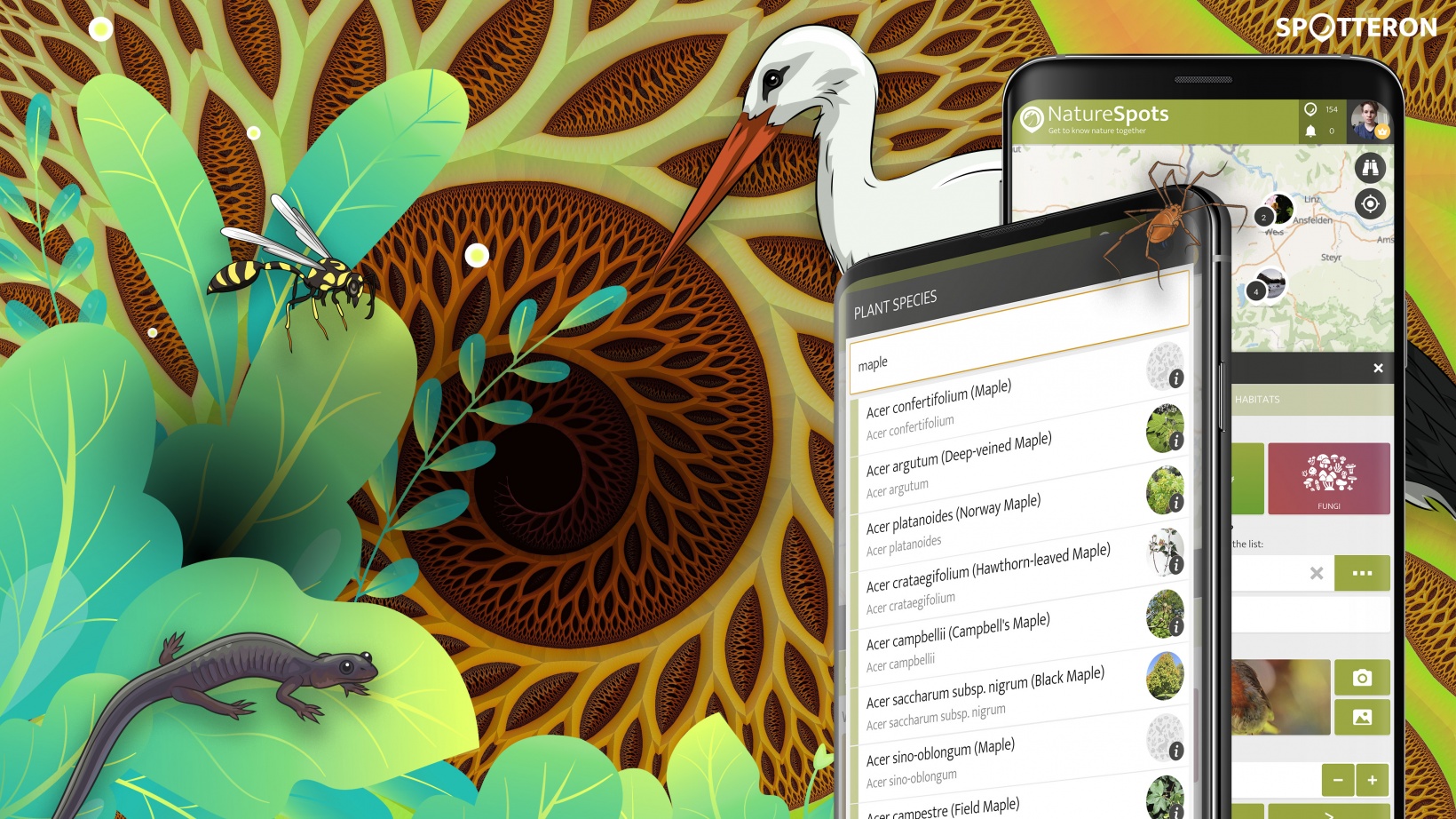
Many Citizen Science projects aim to collect data about many categories and have an extensive set of user input options for their data recording. While a set of limited key options can be easily implemented in a Citizen Science App manually, handling hundreds or thousands of categories can be an impossible task. Also, from a user's perspective, extensive lists of categories can be overwhelming and challenging to use. For including large amounts of selectable types, the SPOTTERON Taxonomy Service stands ready to be used by Citizen Science projects.
Citizen Science Data Analysis Toolkit
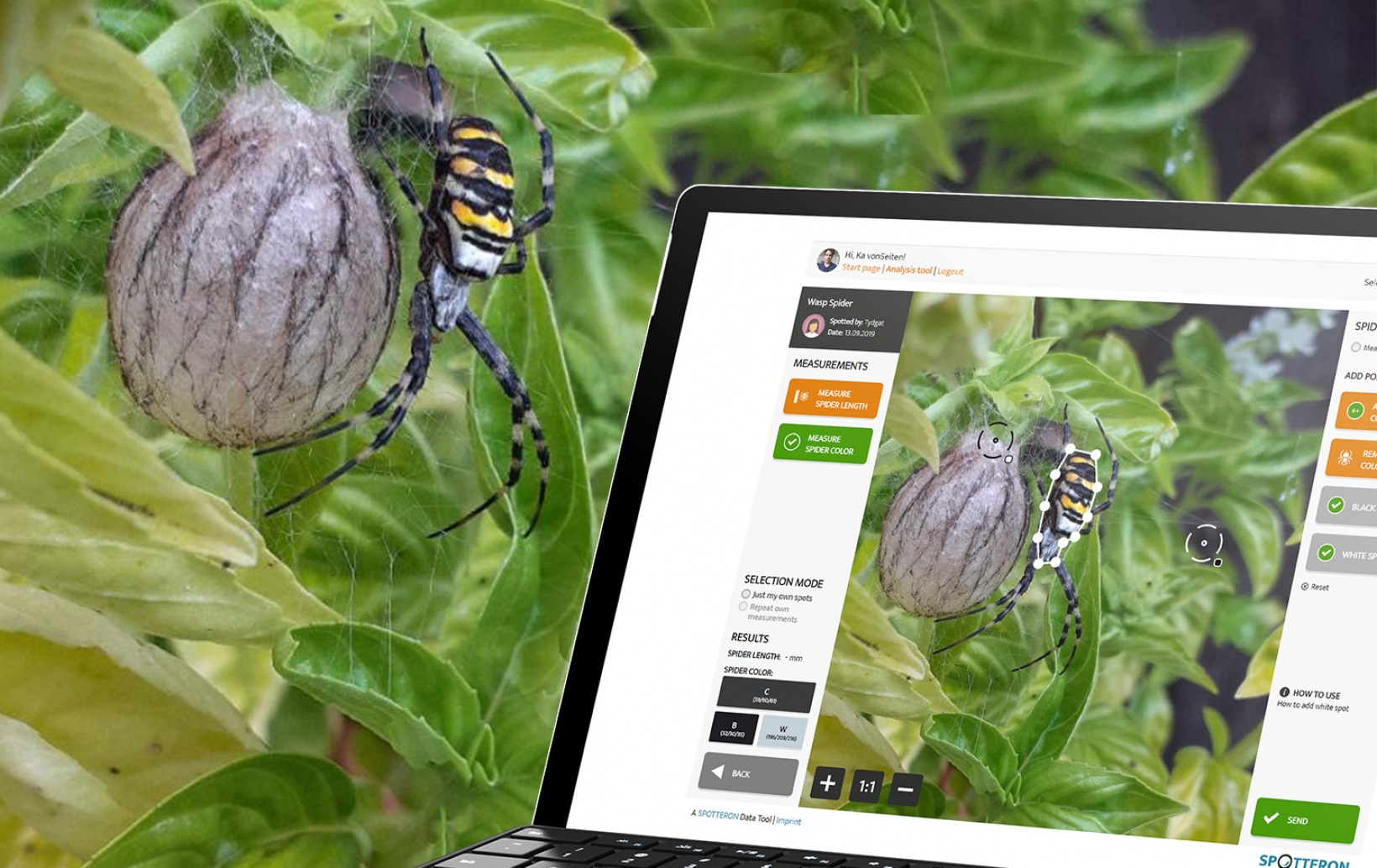
When a project collects data in a Citizen Science App by public participation, often there is an additional need to interpret or analyse this data in more detail. With contributions skyrocketing in a successful Citizen Science Project, this can be a time-consuming and challenging task. Especially if the data relies not only on numbers or button choices but also on images or written text, analysing or reviewing tens of thousands of data points.
Catta

catta brings science to people in an understandable and humorous way. Those who wish can participate in real research projects. catta also advises in the areas of science communication, citizen science and scientainment, and designs and implements projects.
National Museums of Kenya

The National Museums of Kenya (NMK) is a state corporation that manages museums, sites and monuments in Kenya. It carries out heritage research, and has expertise in subjects ranging from palaeontology, ethnography and biodiversity research and conservation. Its headquarters and the National Museum (Nairobi National Museum) are located on Museum Hill, near Uhuru Highway between Central Business District and Westlands in Nairobi. The National Museum of Kenya was founded by the East Africa Natural History Society (E.A.N.H.S.) in 1910. The Society's main goal has always been to conduct an ongoing critical scientific examination of the natural attributes of the East African habitat. The museum houses collections, and temporary and permanent exhibits. Today the National Museum of Kenya manages over 22 regional museums, many sites, and monuments across the country.
Source: Wikipedia contributors. "National Museums of Kenya." Wikipedia, The Free Encyclopedia. Wikipedia, The Free Encyclopedia, 19 Jan. 2021. Web. 9 Aug. 2021.
QuakeWatch Austria

QuakeWatch Austria - an initiative of ZAMG (Central Institute for Meteorology and Geodynamics) - involves broad sections of the population in earthquake research. The objective is to record earthquake perceptions and effects in Austria more quickly and precisely. The collected data of the Citizen Scientists support a better assessment of the hazard of future earthquakes.
Soils for Science

Soils for Science is a Citizen Science initiative of The University of Queensland, Institute for Molecular Bioscience. Soils for Science aims to inform the public on the importance of antibiotic resistance in modern healthcare, and soil microbes as a source of next-generation antibiotics. Soils for Science provides the public with free sampling kits to collect soil samples rich in microbial biodiversity (bacteria and fungi).
Shortnews H2020 Partner en
We are glad to participate in the EU Horizon 2020 program with institutions and universities from all over the world. Find out more about our partners on the SPOTTERON Citizen Science Platform here.