SPOTTERON
Our Outdoors
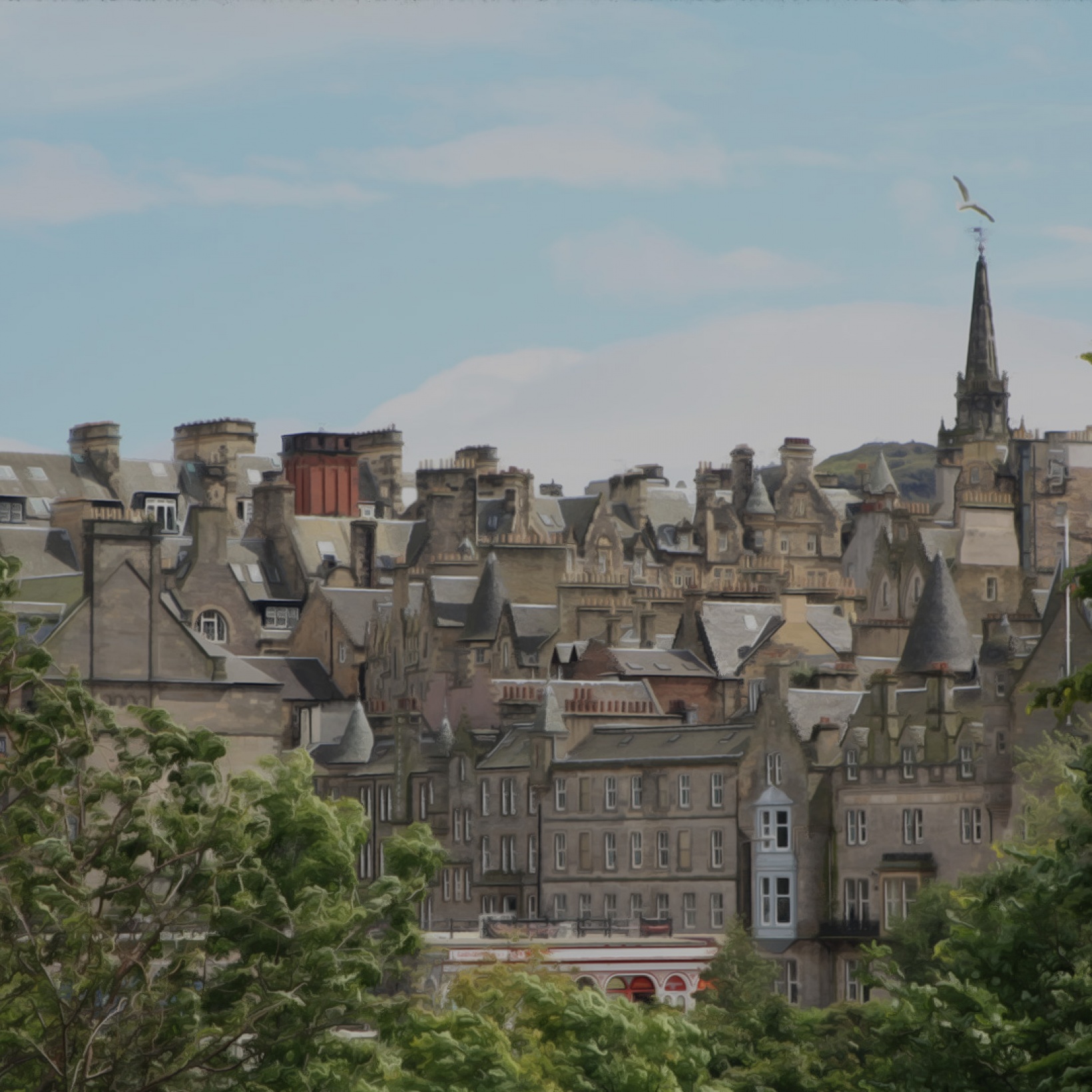
Our Outdoors is a citizen science project which aims to find out more about what users experience when they are in public spaces such as parks, beaches, canals, and town squares. It was developed by researchers in the Scottish Collaboration of Public Health Research and Practice (SCPHRP) at the University of Edinburgh in partnership with Sustrans, the MRC and citizens.
Cane Toad Challenge
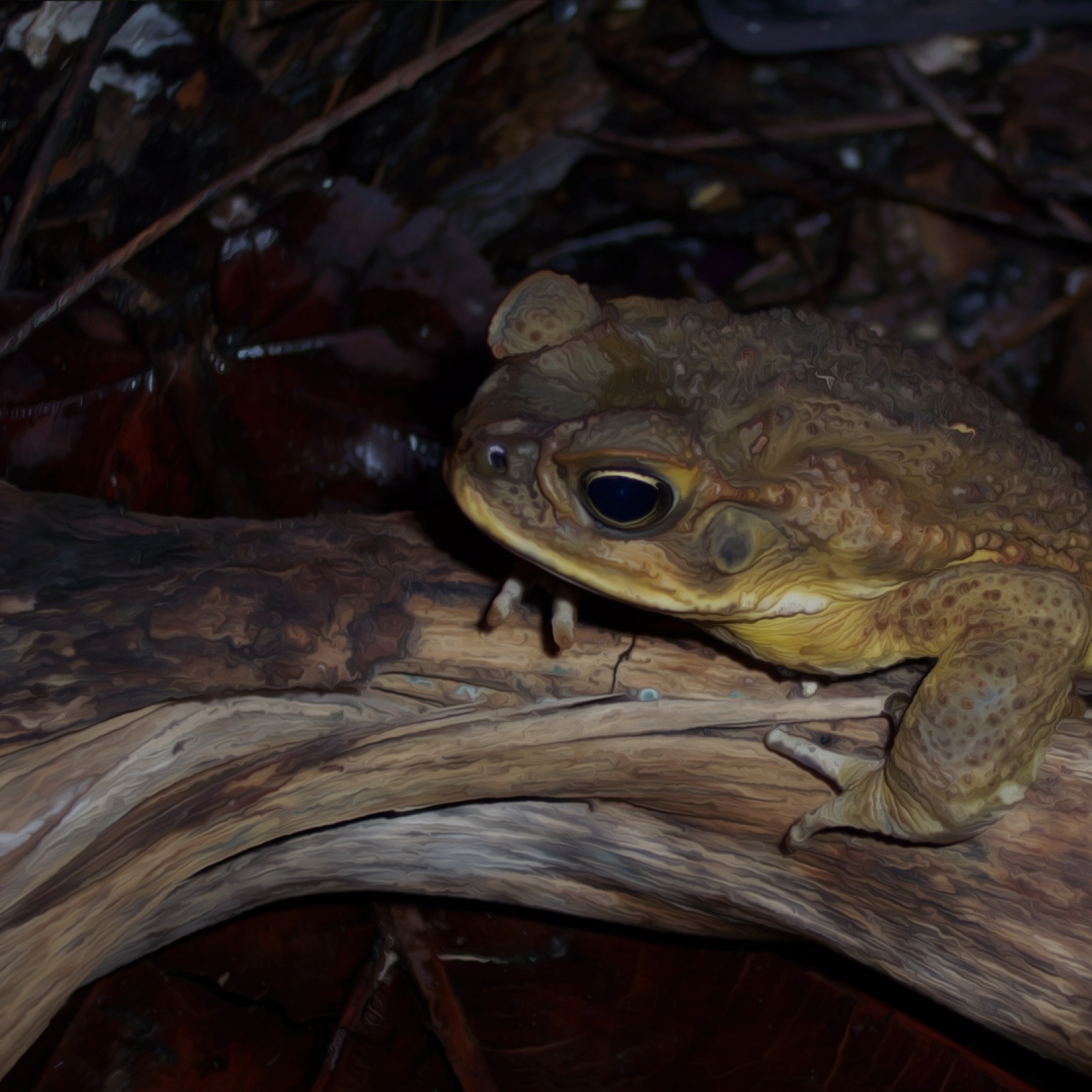
Cane toads are relentless invaders. Native to Central America, cane toads were transported to sugar cane growing regions of the world early last century, including Australia, in the hope they would eat and eradicate beetles devastating sugar cane crops. The experiment failed spectacularly. Toads ignored beetles, and instead embarked on an epic global invasion.
Green Growth Forests
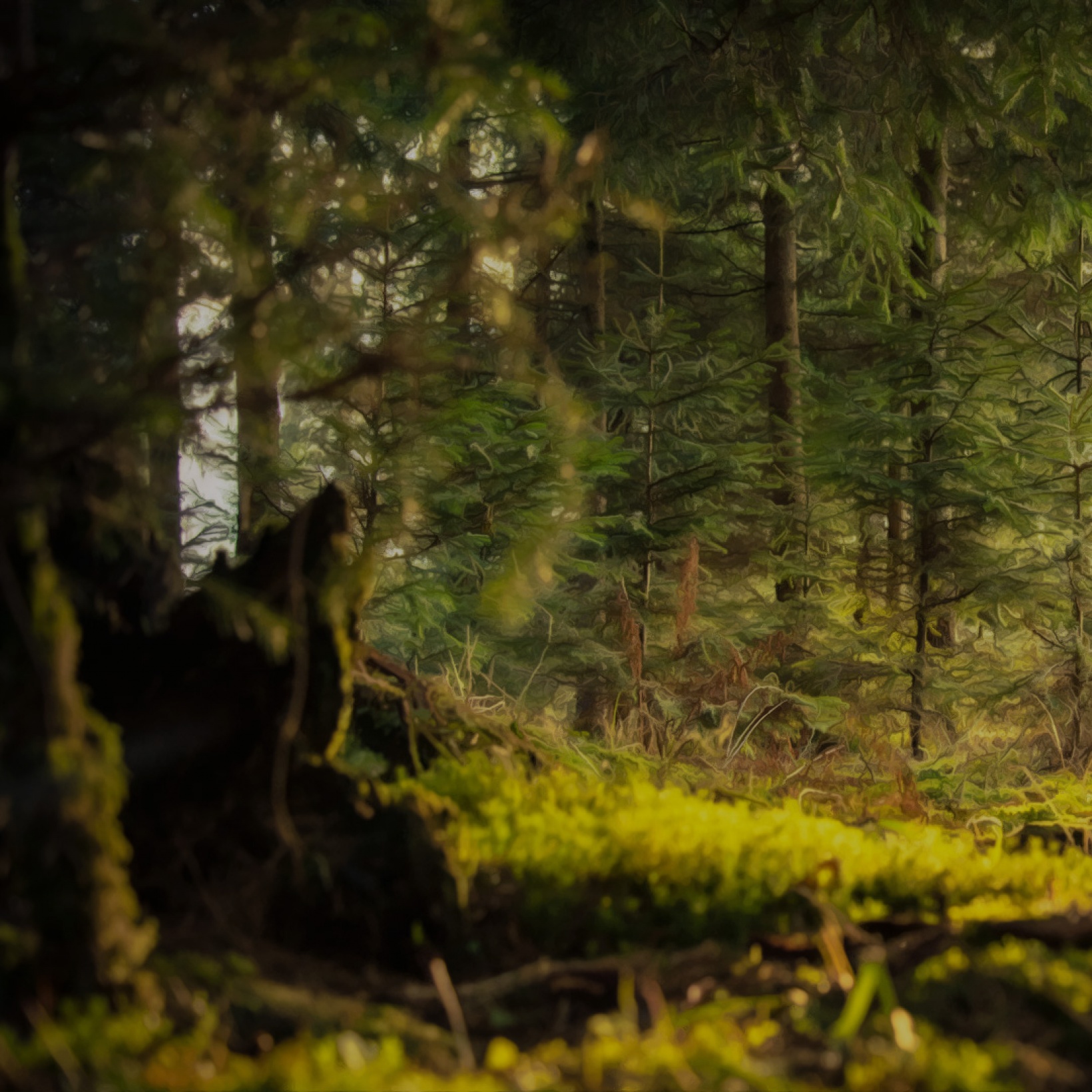
With the Green Growth app everyone can contribute to keeping Suriname the greenest country on earth with 93% forest cover. The data will help to manage the forests of South America. This Citizen Science project aims to create an active community of forest watchers and keep Suriname green.
SIBRA

The connections between water and geological underground are diverse and often complex. Using the SIBRA App, citizens can generate reliable data on these topics and thus contribute to a better understanding of these connections. At the Geological Survey of Austria, the data is being combined with other methods of measurement and used, inter alia, in developing models and scenarios that allow for assessing possible effects of extreme weather events, such as heavy precipitation, rapid snowmelt, flooding or draught.
Hey Citizen Scientists, wanna to name some Northern Bald Ibis Chicks?
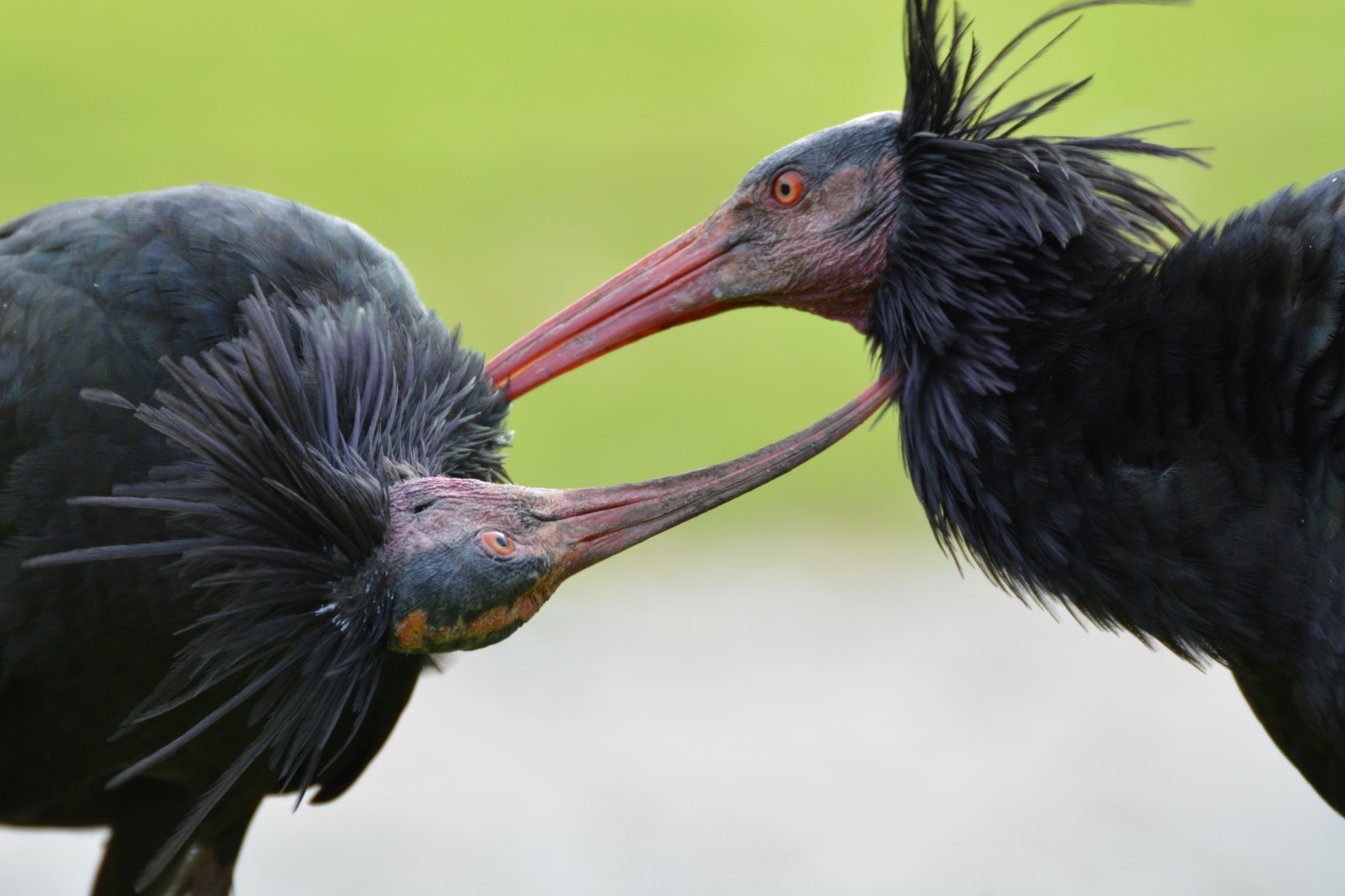
Our Citizen Science partner "Konrad Lorenz Research Center", running the Citizen Science App "Forschen im Almtal" on the SPOTTERON Platform and initiator of "NestCams", our first collaboration with Zooniverse, started a great initiative. At their research station, they host a colony of Northern Bald Ibis, amazing birds which you can also observe in the "Forschen I'm Almtal" Citizen Science App.
Tiergarten Schönbrunn Vienna

Tiergarten Schönbrunn (literally, "Schönbrunn Animal Garden"), or "Vienna Zoo", is a zoo located on the grounds of the famous Schönbrunn Palace in Vienna, Austria. Founded as an imperial menagerie in 1752, it is the oldest continuously operating zoo in the world.
Today, Tiergarten Schönbrunn is considered and regards itself as a scientifically administered zoo which sees its main purpose as a centre for species conservation and general nature conservation as well as in the fulfillment of the education mandate given to it by the legislation. The still preserved buildings of the baroque era, which have been complemented in the last years by elements of modern zoo architecture, still convey a good impression of the 18th century menagerie-buildings after the Versailles model.
University of Glasgow
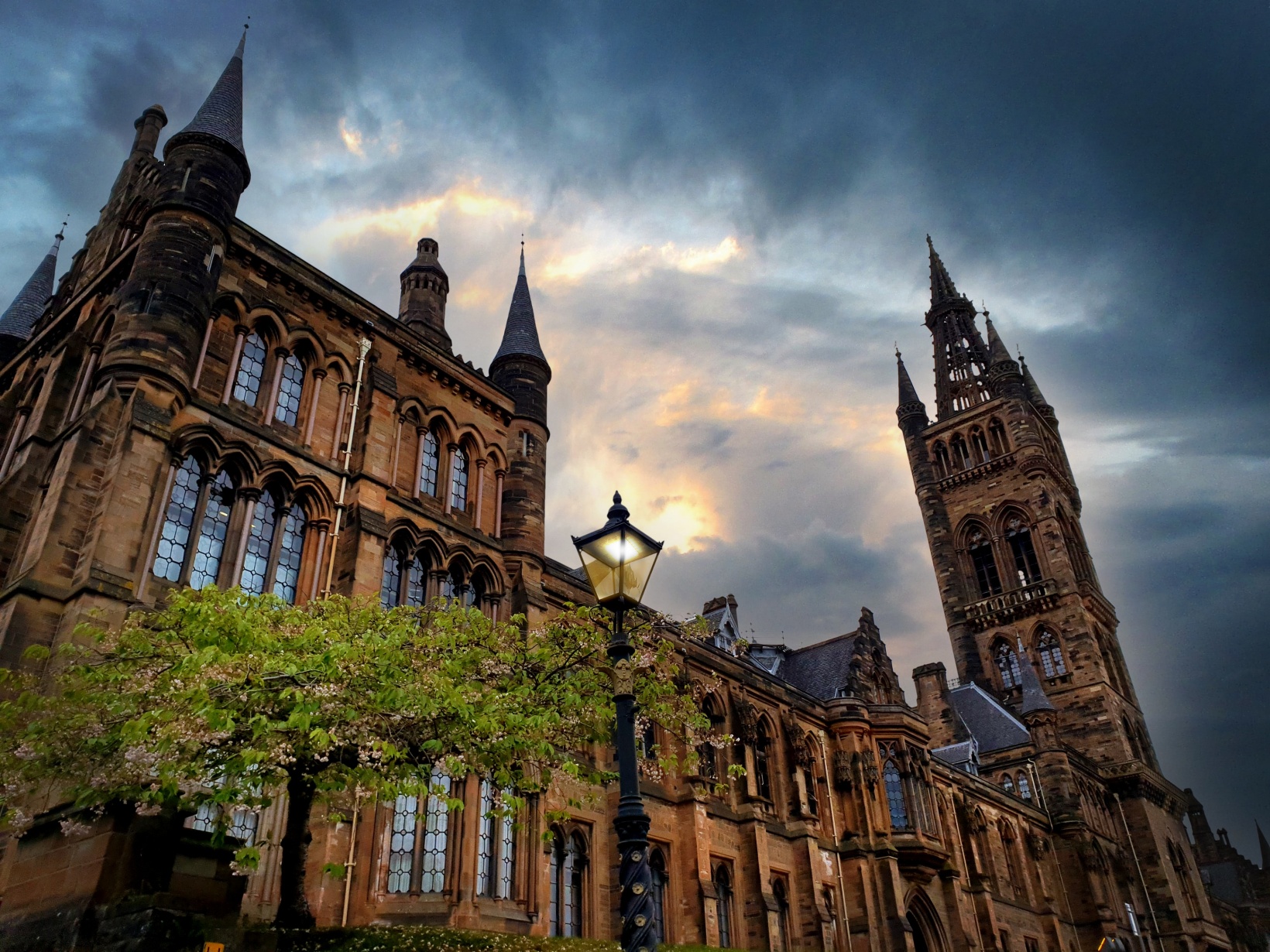
The University of Glasgow (abbreviated as Glas. in post-nominals) is a public research university in Glasgow, Scotland. Founded by papal bull in 1451, it is the fourth-oldest university in the English-speaking world and one of Scotland's four ancient universities. Along with the universities of Edinburgh, Aberdeen, and St Andrews, the university was part of the Scottish Enlightenment during the 18th century.
New Citizen Science Apps: Spot-a-Bee & KraMobil
Two more Citizen Science Apps have been added to the SPOTTERON Citizen Science App section! With Spot-a-Bee you can observe bee species to understand better, which flowers the favour, and with KraMobil, you can observe crows for ornithology and behavioural science. Enjoy!
KraMobil
"Crows in the zoo" is a Citizen Science project of the Department for Behavioral and Cognitive Biology of the University of Vienna in cooperation with the Konrad Lorenz Research Station and the Zoo Vienna. The researchers aim to find out more about the species and subspecies of crows that use the Zoo area. All visitors of the Zoo Vienna are welcome to join in!
How it feels to be a Citizen Scientist (making an amazing find)
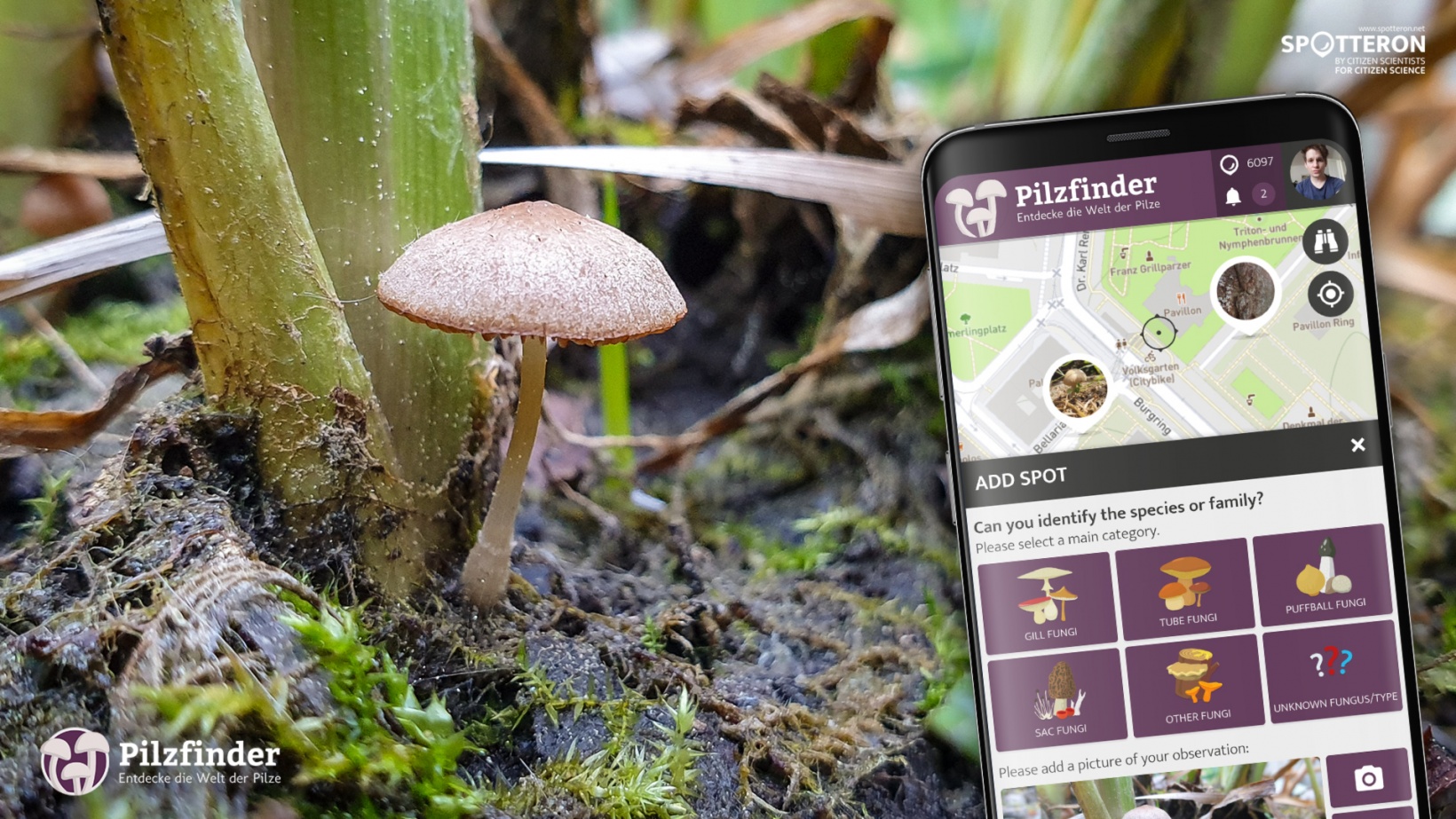
On Saturday last week, I was on a walk outside to get a little bit of sunshine. But since Citizen Science became a significant thing in my life, these rounds are not only for stretching my legs. With the smartphone in my pocket and a bunch of Citizen Science Apps installed, every walk feels like an adventure.