SPOTTERON
Citizen Science Easter Egg Hunt 2018
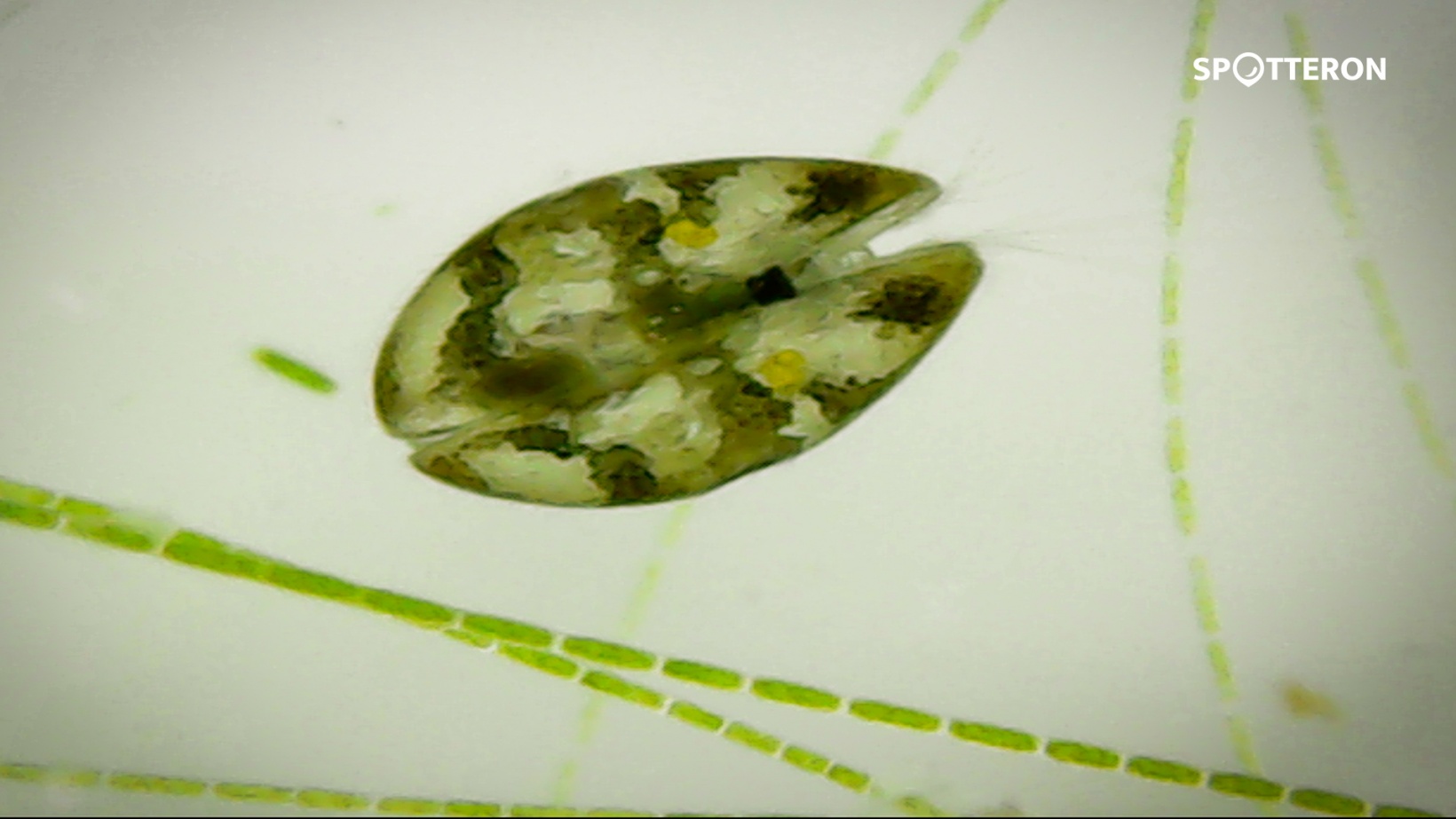
Today we decided to went on a Easter Egg Hunt - and since it is raining heavily today we took this journey to another realm: the microcosm!
Why runtime costs after 2 years?
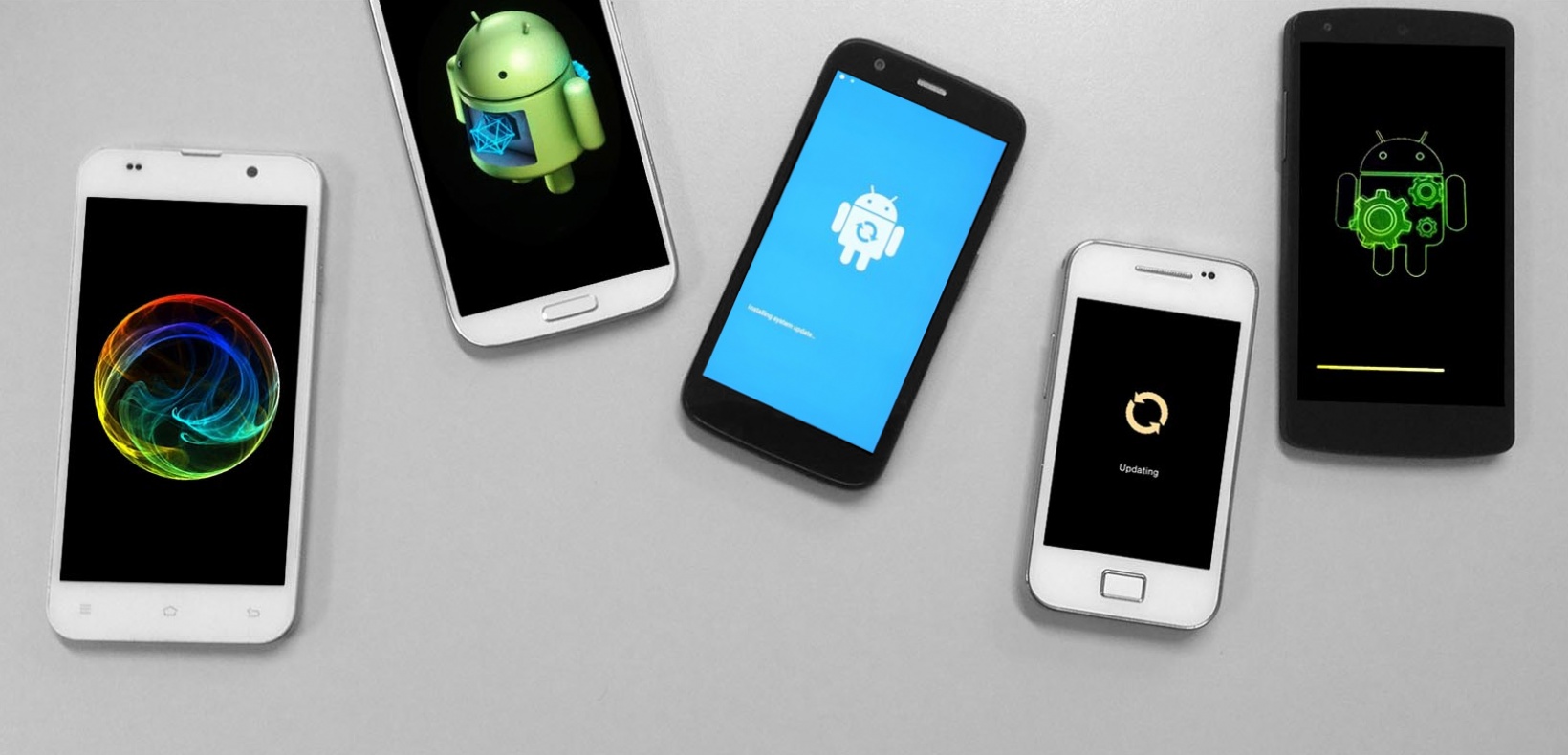
In an ever-changing online environment, it is essential, especially for smartphone apps, to get updated continuously and adapt to changing standards or technologies. Since online citizen science projects are per definition interactive user-oriented applications, it is essential to provide ongoing maintenance to the software they run on for stability, safety and also compatibility over a more extended period.
Life cycles of online software and especially smartphone apps are very short. To prevent your apps from becoming unusable on new operating system versions, getting clunky, or functionalities simply breaking down after a while, we have chosen to offer SPOTTERON as a Software as Service (SAS) model. That way, we can take care of all projects on the platform during their whole runtime while also being able to keep prices low.
WHY RUNTIME COSTS AFTER 2 YEARS?

We always keep your smartphone apps updated.
Every project on the SPOTTERON platform receives regular updates with improvements, patches and even new advanced features and extensions.

We provide constant stability & safety.
The life cycle of smartphones and their operating systems is very short and changes need to be made to all apps constantly for stability and security reasons.

It ensures low costs by distributing efforts
Being able to provide regular patches because of our subscription model means one app does not have to pay for already existing features on the platform.

We automatically take care of new standards
Technical, design or legal standards can change during the runtime. We automatically take care of those changes without additional fees.
Software as Service (SAS) or subscription-based services is a growing standard since they ensure a hassle-free service for the partner without additional costs coming up during runtime because of necessary adaptations. Also, it enables us to run all your Citizen Science apps and projects without user tracking for ad profile building or third-party ad networks. Read more about SPOTTERON privacy policy here: Privacy & Data Safety
WHAT HAPPENS AFTER THE OFFICIAL RUNTIME
We have established a routine called the “extended runtime” to be able to keep your project alive even after the official runtime is over. After the subscription period ends, we automatically provide a four weeks free cooldown period in which all four parts of a project - Android app, IOS app, interactive map and administration interface - continue to run normally. During this cool-off period, all project participants can also be informed, use the integrated communication features and download the data via the administration interface.
After the cooldown period, we can keep the interactive map, in which all project users are able to participate and submit data, and your administration interface access online for a small monthly fee of € 90,- (Package L; excl. VAT if appliable) for unlimited data hosting, web-app updates and support. With an additional website, the regular monthly fees for package L are currently € 125,- also including patching, support and maintenance of the project's CMS-based website.
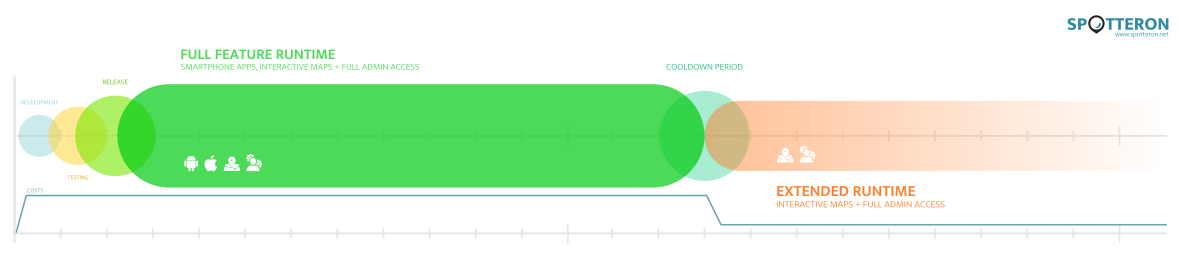
During the extended runtime, we still keep your project ad-free and without user monetizing or third party ad profile tracking.
#InvasivesWeek 2018
#InvasivesWeek 2018: The racoon is on the #invasivespecies list of the EU and can be found across europe - alive or dead. Submit observations and support the #CitSci project on the @SPOTTERON platform via the #CitizenScience app "Roadkill"
App page update
We updated our Citizen Science App section for all projects running on SPOTTERON. There's a short description for every project in both english and german now. If you're curious as to what we're working on, check it out!
GEFABE

The Top Citizen Science project „Gemeinsam fahren wir besser“ (approx: We drive better together) of the Center for Human-Computer Interaction at the University of Salzburg aims to collect data on driver assistance systems in collaboration with Austrian drivers via the Community Science App GeFaBe. The goal is to highlight shortcomings and security holes but also good practice in driver assistance systems.
Fågelbär
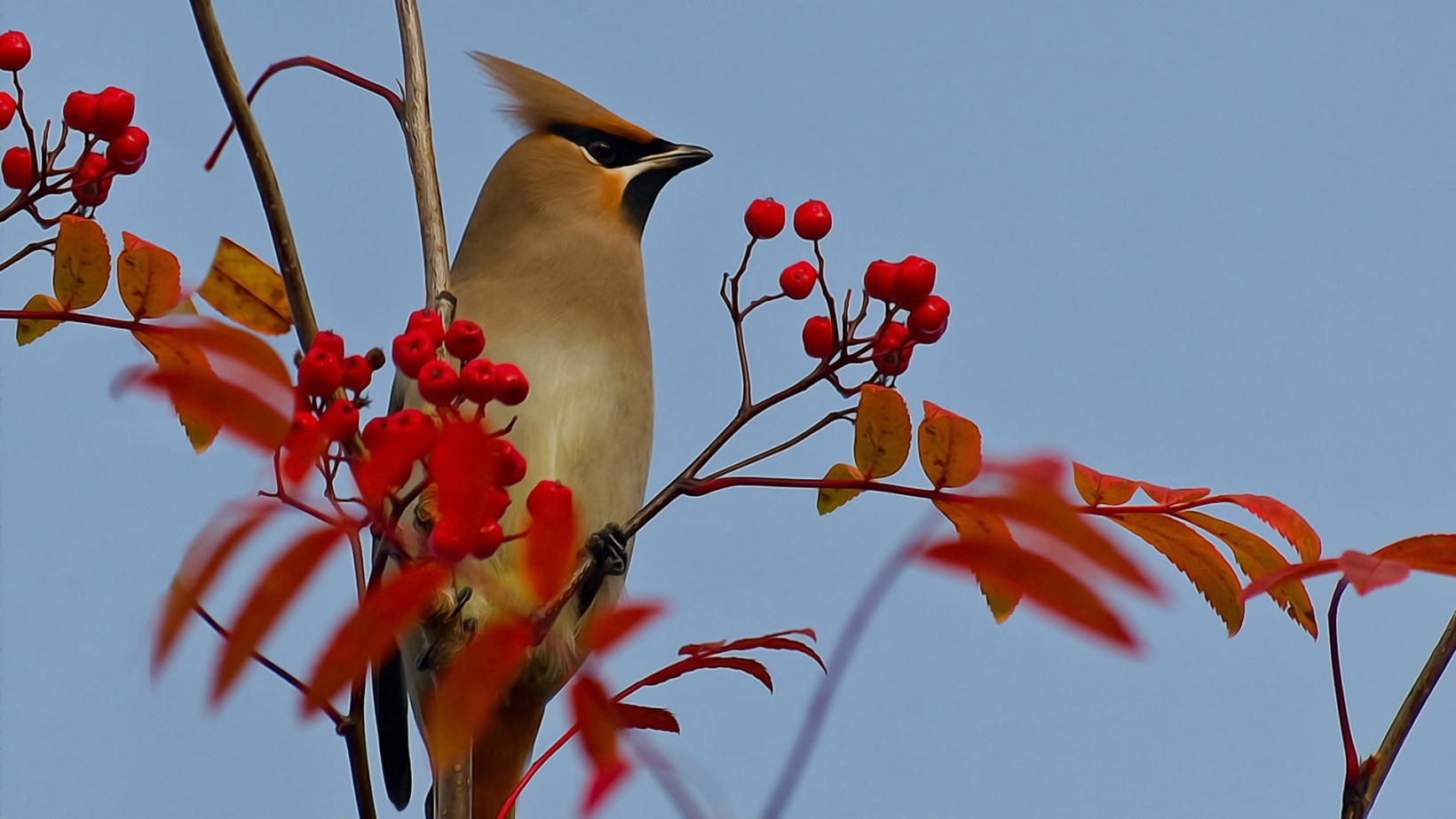
With this Citizen Science app, it's possible to contribute to the Community Science project "Fägelbär "(English: Birdberry) by reporting observations of birds eating berries. Researchers from the Department of Ecology, Environmental and Botany at the University of Stockholm collect the data to better understand which birds feed on which berries, how they are involved in spreading plants, and to gain knowledge about landscaping and consequences of a warmer climate.
Forschen im Almtal
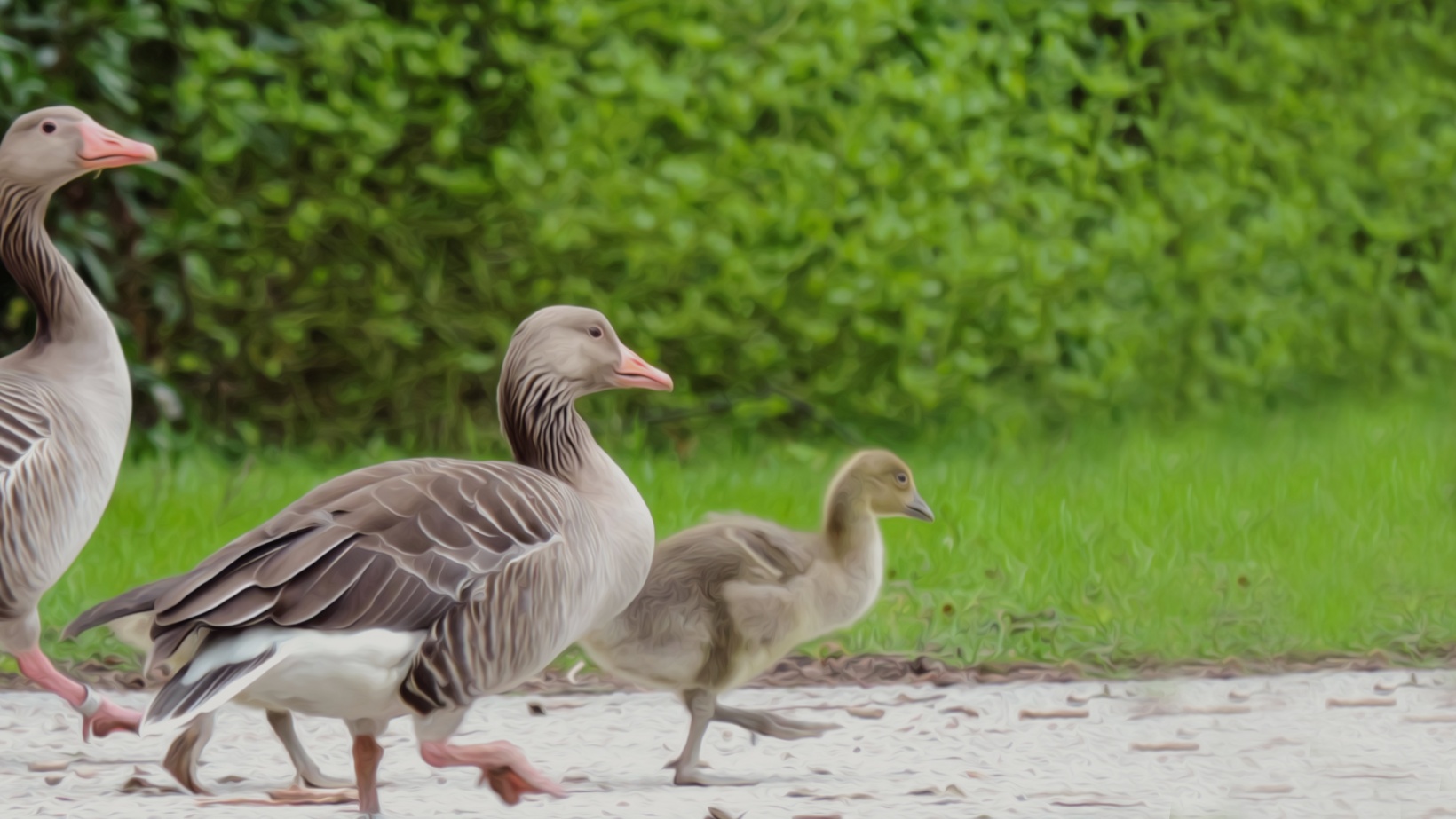
"Forschen im Almtal" is the app for a Citizen Science project of the University of Vienna in collaboration with the wildlife park in Grünau in Austria's Almtal. Visitors of the Wildlife park can become Citizen Scientists and observe three bird species (grey goose, raven and northern bald ibis) and help collect data on their behaviour in the Citizen Science App 'Forschen im Almtal'.
Nature's Calendar Lower Austria
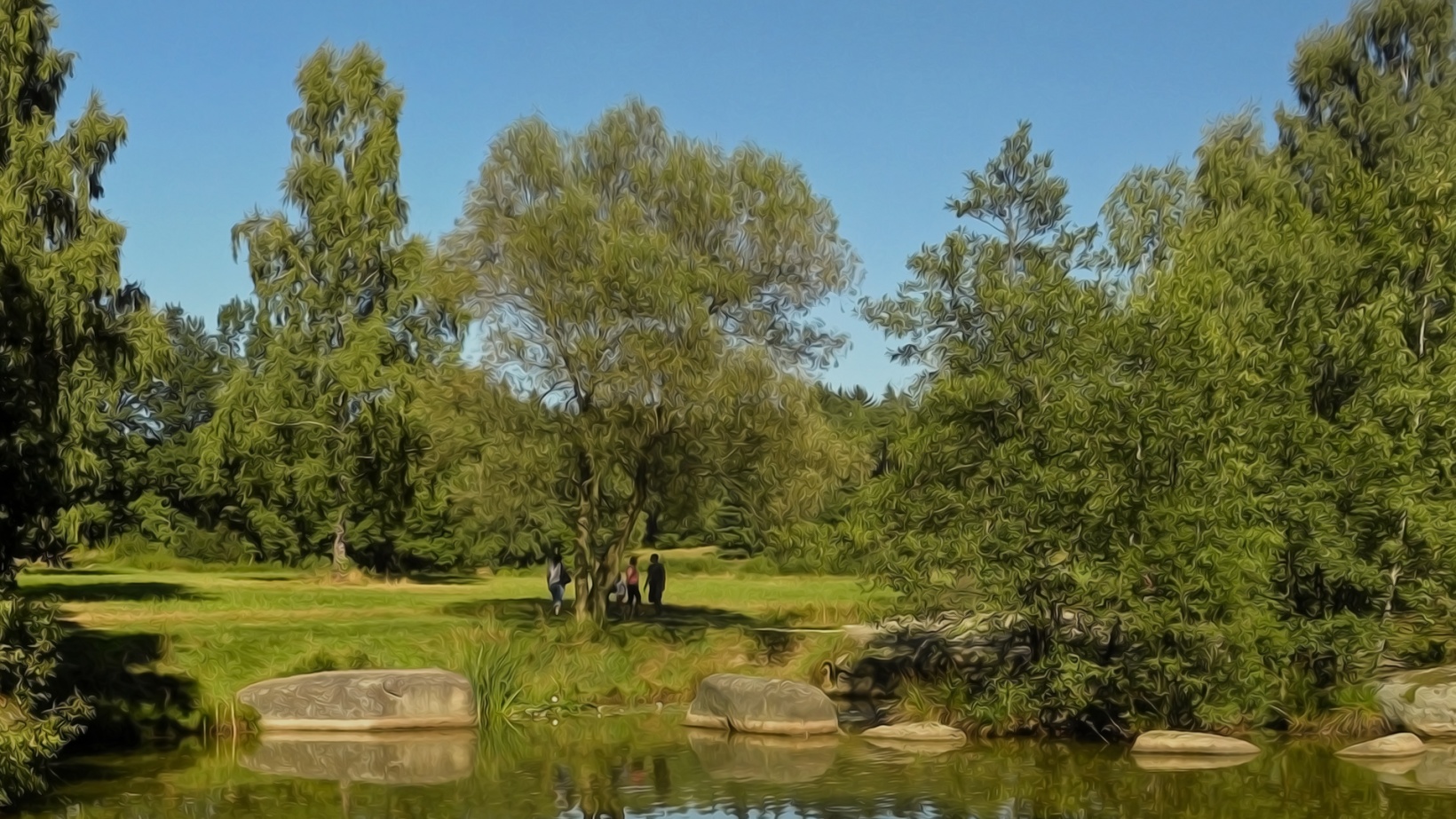
Nature seems to be on a rollercoaster ride these days. Sometimes there's spring in the middle of winter, then there are cold spells over and over again when it's almost summer. This is why nature- and climate researchers need more and more information about when plants begin to blossom, have fruits or start throwing off their leaves or when animals are active. Entries in the ‚Nature's Calendar' App support the Austrian ZAMG's data collection.
WaldrApp
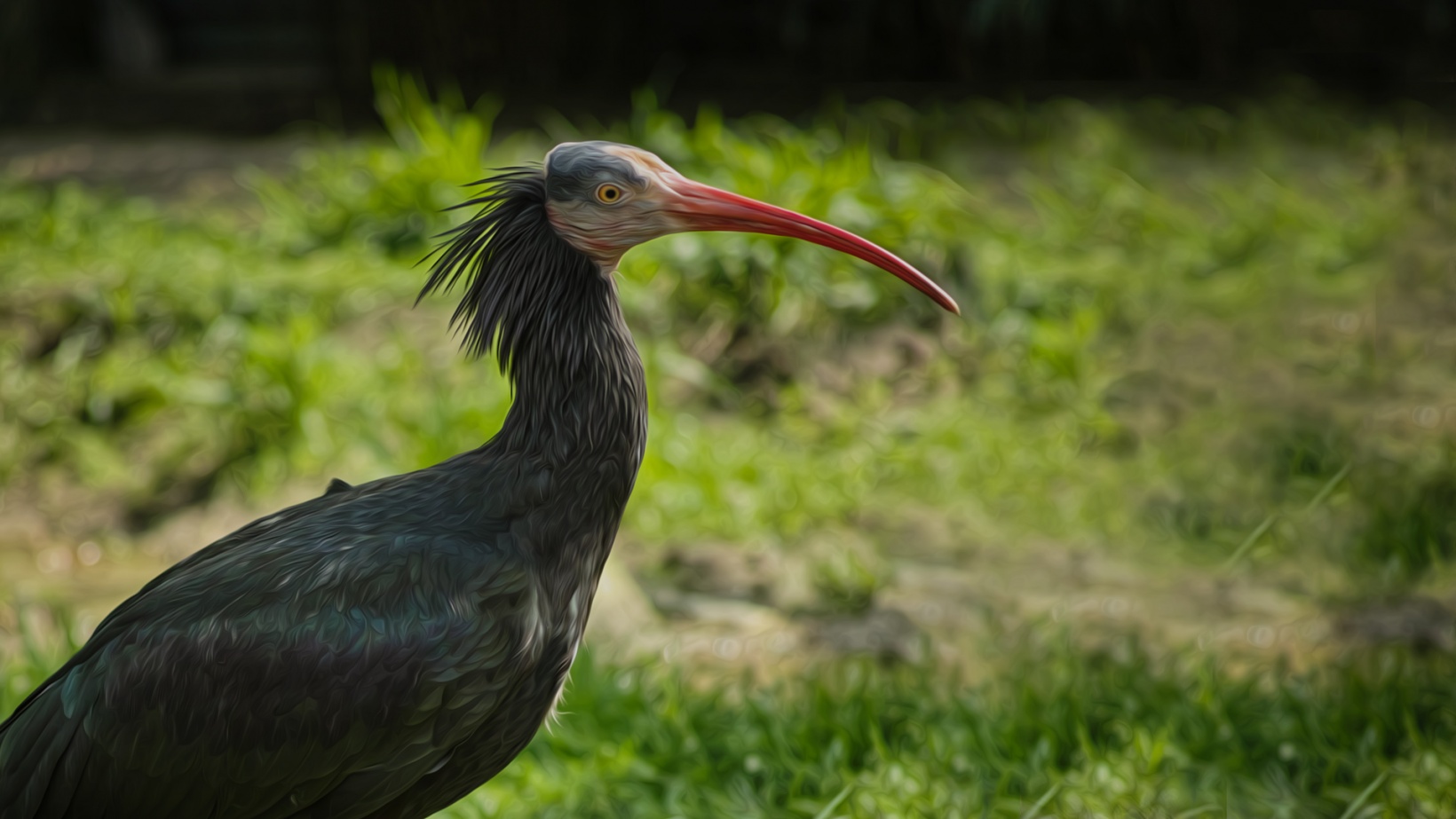
WaldrApp is a Citizen Science project from the University of Vienna aiming to collect ecological information on the whereabouts of "Waldrapps" (English: northern bald ibis). Since these birds are an endangered species, the data collected through the app can help gain essential data for future settling projects.
Was Geht Ab?
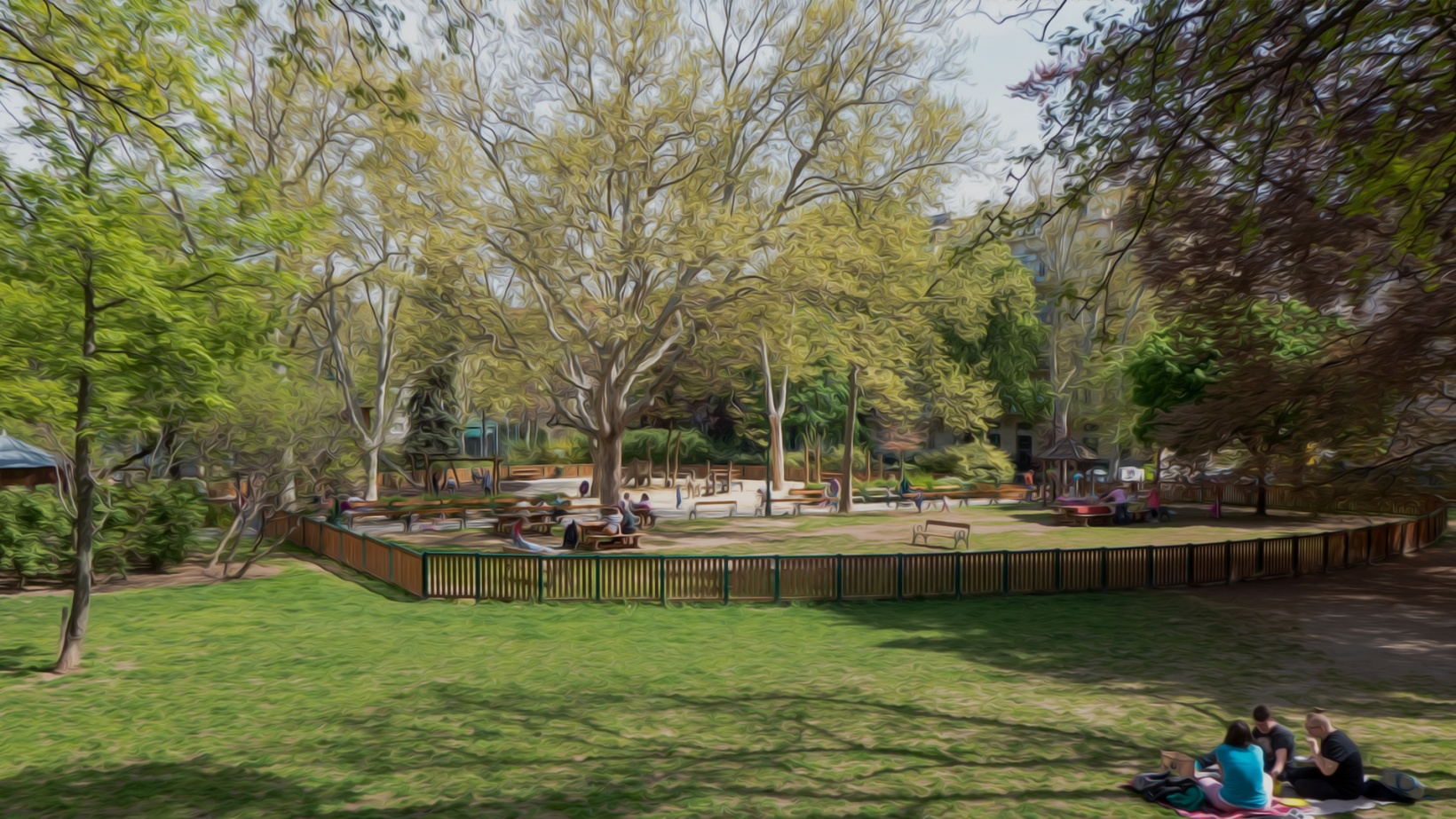
In collaboration with the Institue for Transport at the University of Life Sciences, Vienna, this Citizen Science App was specially made for kids and teenagers. The Community Science project aspires to understand better how they perceive and rate possible dangers and their surroundings in general.