SPOTTERON
Citizen Science Apps & Observatories

With the SPOTTERON Citizen Science Platform (www.spotteron.net) we offer a customizable and affordable system for applications in the areas of Citizen Science, environmental protection and volunteer monitoring. In cooperation with research projects, we develop independent smartphone apps for Android and IOS, interactive applications for browsers such as map applications or citizen science games, and provide a stable and reliable platform for projects.
Vetenskap & Allmänhet Organisation

Vetenskap & Allmänhet is a Swedish non-profit civil society organisation that works to promote dialogue and openness between researchers and the public. The organisation was founded in 2002 and is based in Stockholm, Sweden.
Vetenskap & Allmänhet's members consist of some 80 organisations, authorities, universities, companies and associations. In addition, it has a number of individual members. The organisation is funded through membership fees, project grants and a grant from the Swedish Ministry of Education and Research.
University of Gothenburg
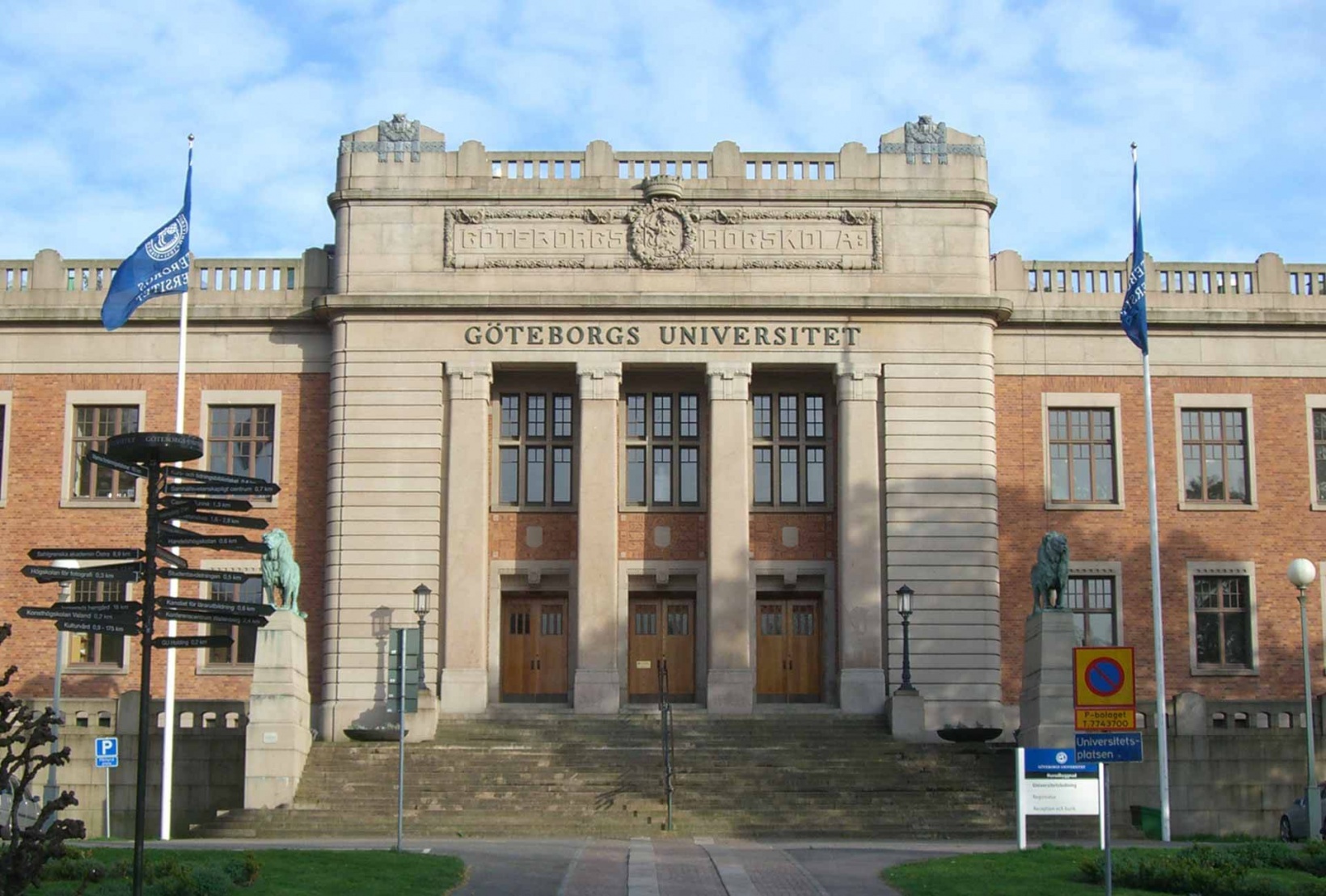
The University of Gothenburg (Swedish: Göteborgs universitet) is a university in Sweden's second largest city, Gothenburg. The University is the third-oldest of the current Swedish universities and with 37,000 students and 6000 staff members it is one of the largest universities in the Nordic countries. With its eight faculties and 38 departments, the University of Gothenburg is one of the most wide-ranging and versatile universities in Sweden. Its eight faculties offer training in the Creative Arts, Social Sciences, Natural Sciences, Humanities, Education, Information Technology, Business, Economics and Law, and Health Sciences.
University of Sydney
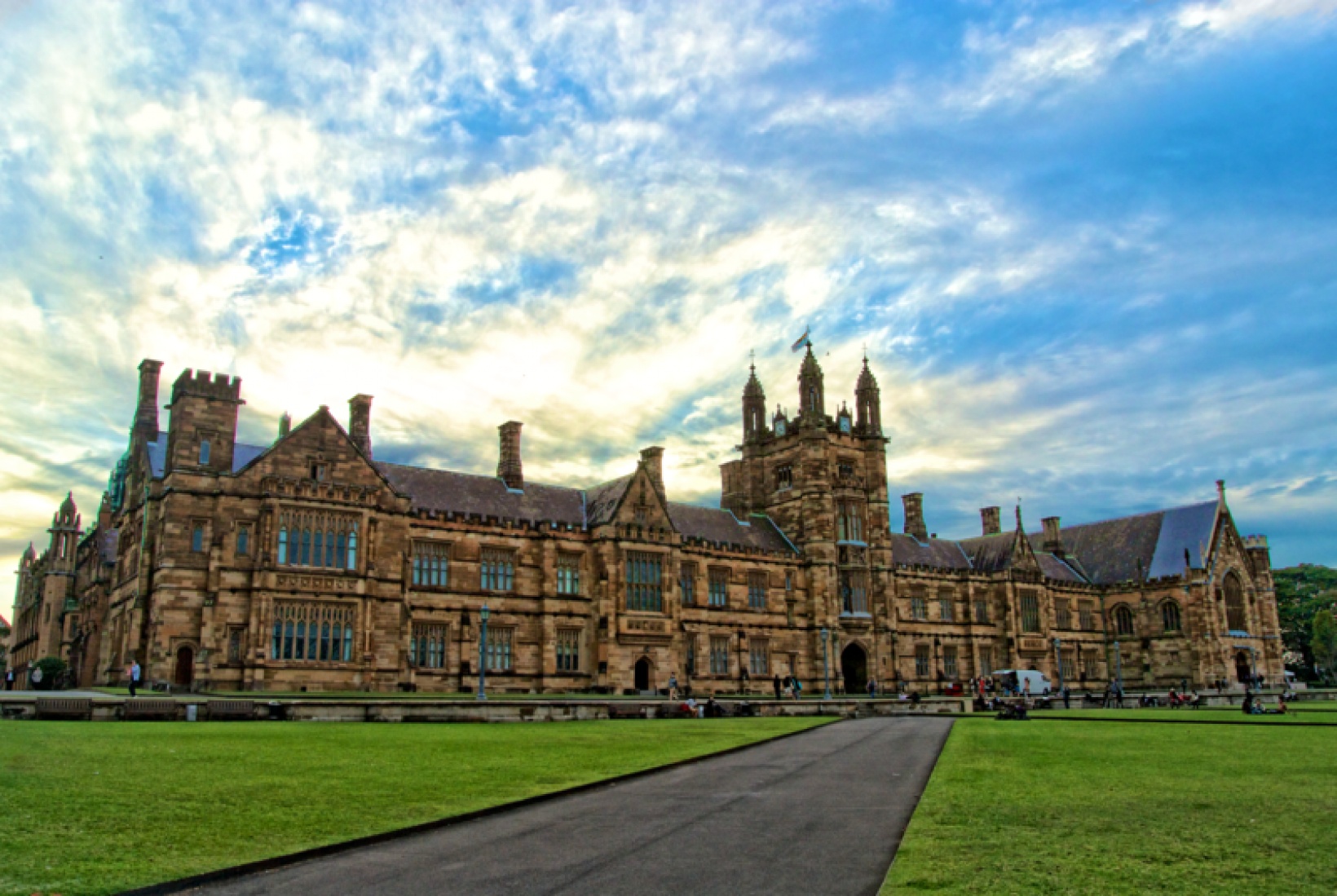
The University of Sydney (informally, USyd or USYD) is an Australian public research university in Sydney, Australia. Founded in 1850, it was Australia's first university and is regarded as one of the world's leading faculties. It's is colloquially known as one of Australia's sandstone universities. Its campus is ranked in the top 10 of the world's most beautiful universities by the British Daily Telegraph and The Huffington Post, spreading across the inner-city suburbs of Camperdown and Darlington. The university comprises nine faculties and university schools, through which it offers bachelor, master and doctoral degrees. In 2014 it had 33,505 undergraduate and 19,284 graduate students.
Citizen Science has been a big part of the university for decades, involving the general public in many different projects.
Swedish University of Agricultural Sciences
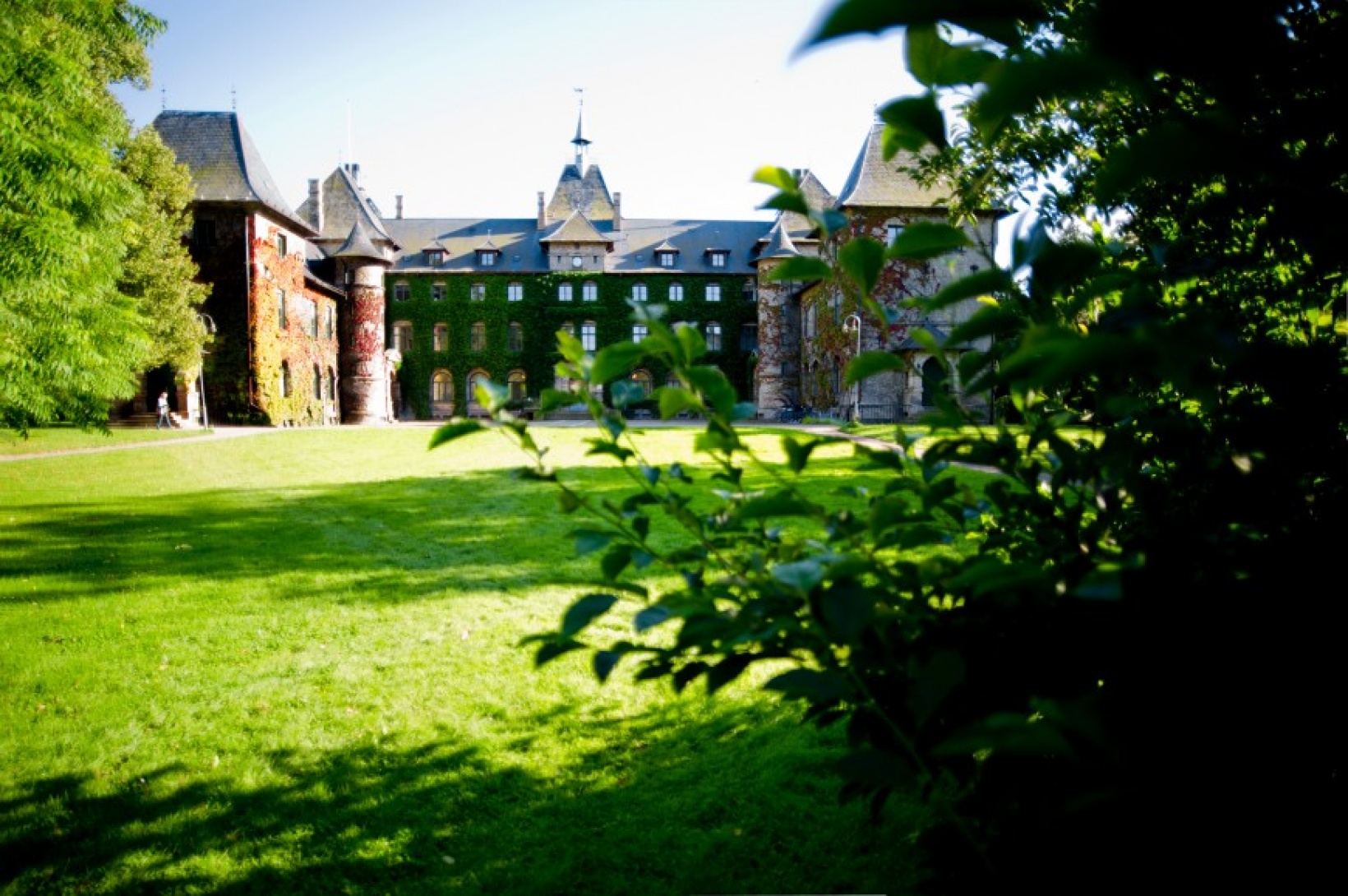
The Swedish University of Agricultural Sciences (Swedish: Sveriges Lantbruksuniversitet) (SLU) is a university in Sweden. Although its head office is located in Ultuna, Uppsala, the university has several campuses in different parts of Sweden, the other main facilities being Alnarp in Lomma Municipality, Skara, and Umeå. Unlike other state owned universities in Sweden, it is funded through the budget for the Ministry for Rural Affairs. The University was co-founder of the Euroleague for Life Sciences (ELLS) which was established in 2001.
European Citizen Science Association (ECSA)
The European Citizen Science Association (ECSA) is a non-profit association set up to encourage the growth of the Citizen Science movement in Europe in order to enhance the participation of the general public in scientific processes, mainly by initiating and supporting citizen science projects as well as performing research on citizen science. ECSA is framing citizen science as an open and inclusive approach, for example by supporting and being part of the exploration, shaping and development of the different aspects of the citizen science movement, its better understanding and use for the benefit of decision making.
Science et Cité Foundation

The national organisation Science et Cité is a charitable swiss foundation. It promotes dialog between Science and Society through low-threshold and innovative projects. It advocates appreciation and understanding of all sciences and makes their opportunities and limits a subject of discussion. Further it encourages feedback of the civil society to sciences. Science et Cité is not a grant-making foundation, but is operational itself. The funding is provided by service agreements and project partnerships. The foundation is based in Bern, Switzerland, and has regional branches in the swiss romandie and Ticino.
Matilda Arnell, University of Stockholm
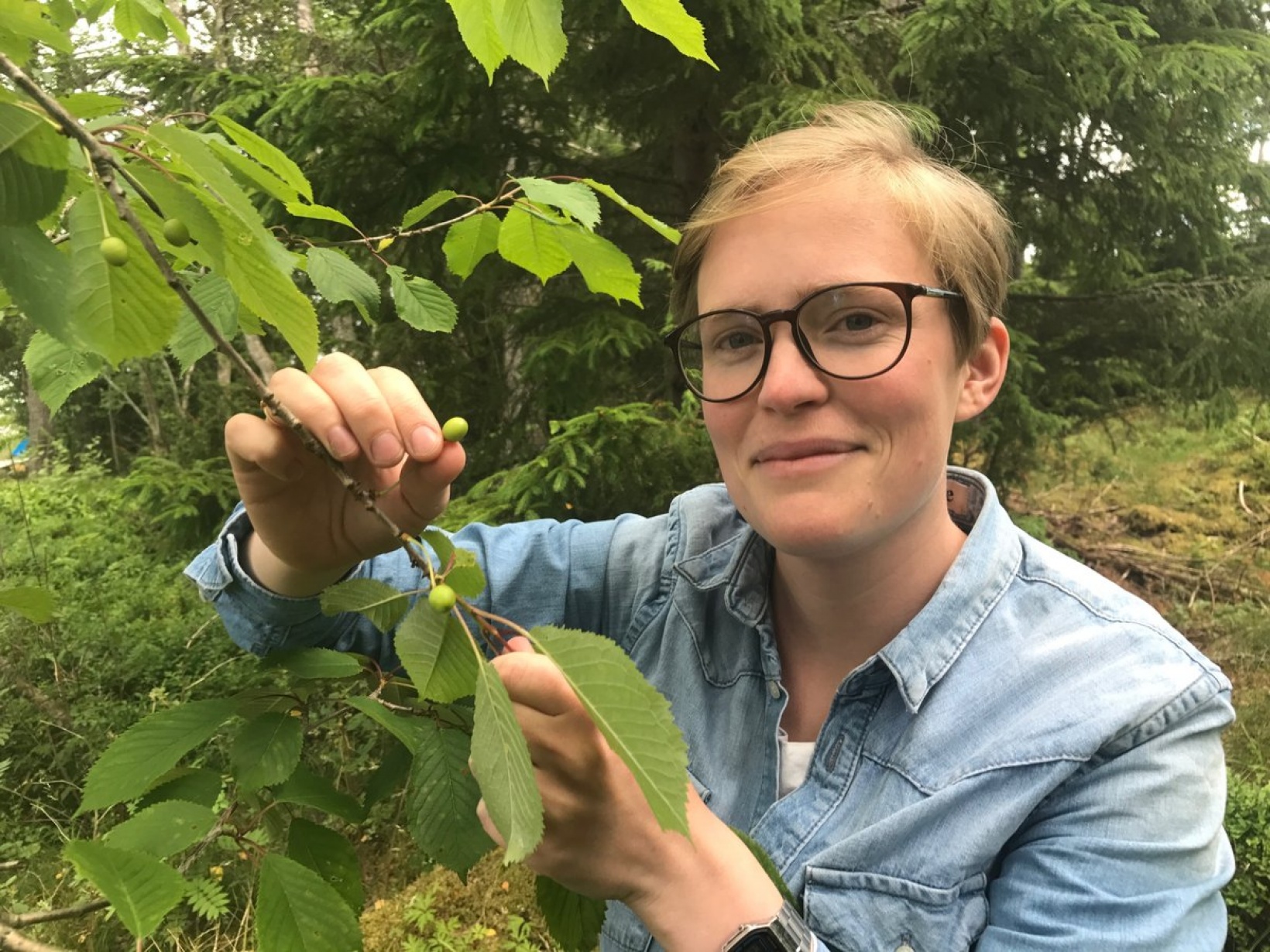
As a scientist, collaborating with SPOTTERON to create our Citizen Science App ‘Fågelbär’ was the right choice. We could focus on what type of data we want to collect and the team at SPOTTERON designed, built and are now running the App!
Set observations to “featured” for highlighted display in the apps (TopSpots)
Boost a specific spots activity by setting it to "featured" in the data administration interface. By making it a top spot, a star pops up next to its map marker. That way, you can let your users know that this data is particularly useful.
Real-time Data export (CSV) including data filters before export
In the administration interface, you can export all data collected so far and/or filtered datasets in CSV format and real-time. This way, you can access and use the current data anytime