New on the SPOTTERON Citizen Science Platform: Spot-A-Bee

Tuesday, 07 July 2020 16:17

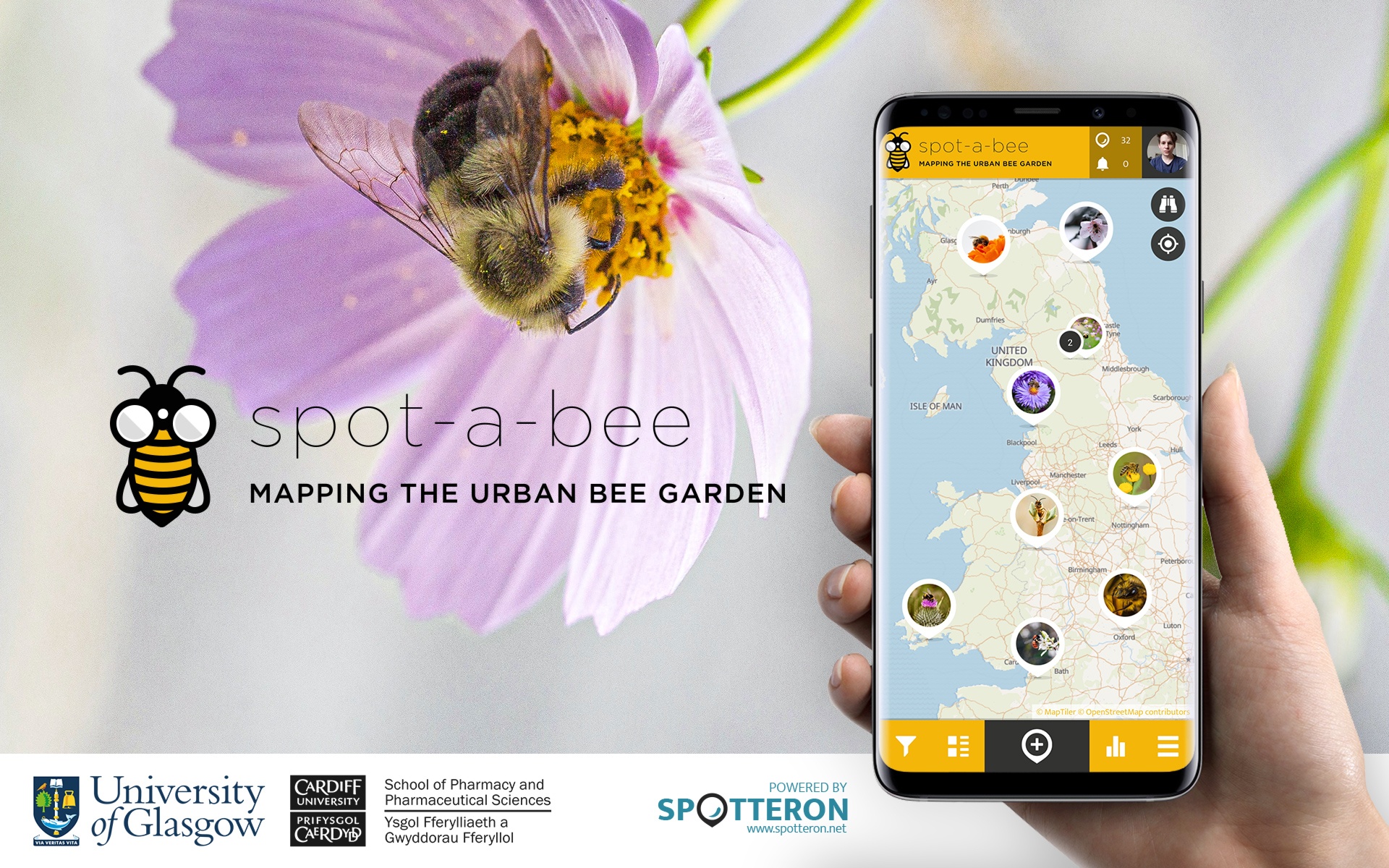
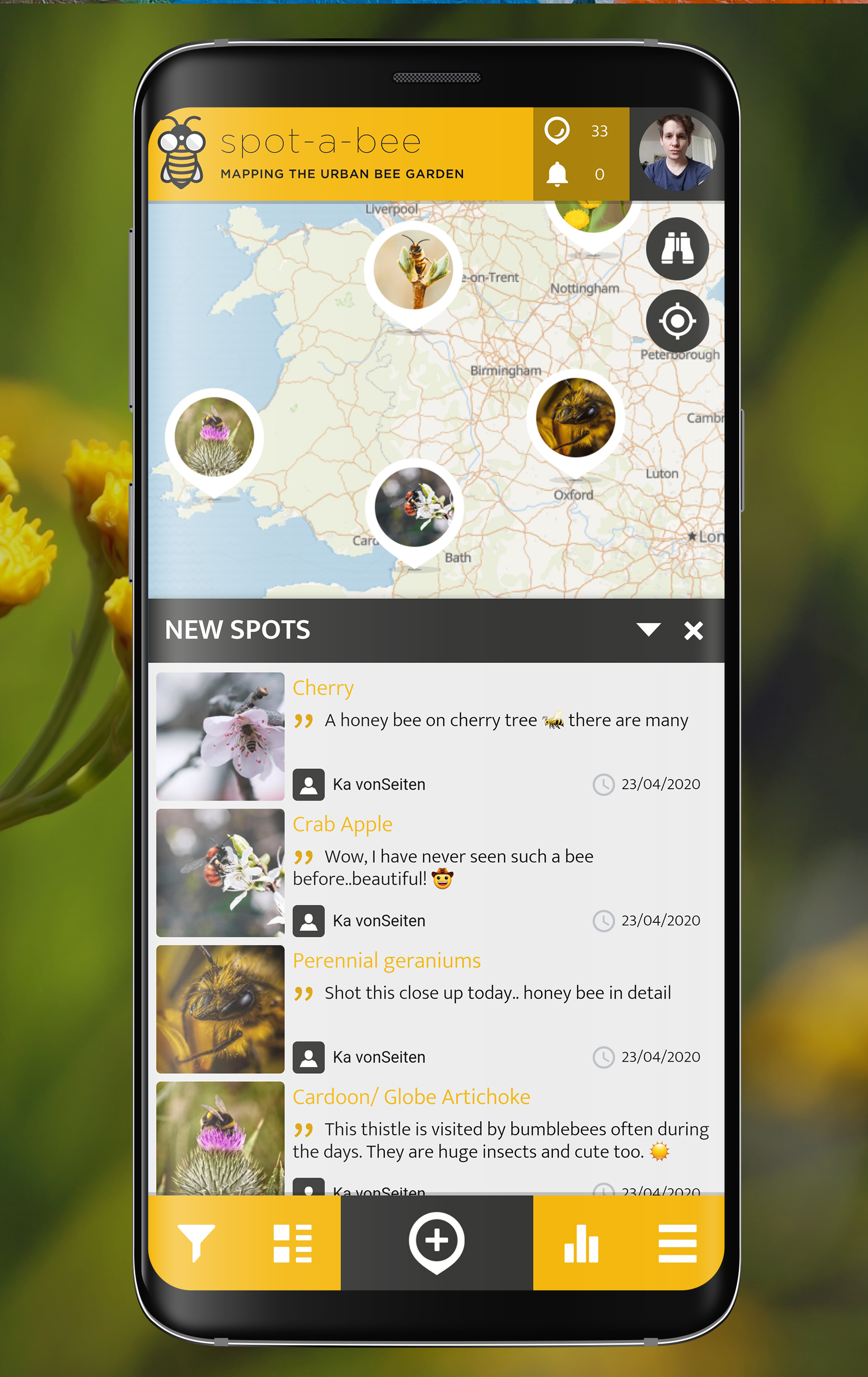
Spot-A-Bee, a new app by The University of Glasgow and the Cardiff University aims to find out which plants in urban areas are especially bee-friendly and help bee populations thrive.

"If the bee disappeared off the surface of the globe, then man would only have four years of life left. No more bees, no more pollination, no more plants, no more animals, no more man" (Albert Einstein).

Unfortunately, in the last 60 years, a staggering 90 % of wildflower meadows in the UK fell victim to intensive farming, pesticides, pests, and climate changes, which led to a steep decline in bee populations.
On the bright side, towns, parks and suburban back gardens are stocked with a rich diversity of plants and flowers from around the world and as such could serve as an oasis for one of the most important pollinators.

To determine if this is the case our partners and the University of Glasgow and the Cardiff School of Pharmacy are asking the general public to observe bees and plants in their gardens, towns, cities and villages across the United Kingdom, to take part in this citizen science project.

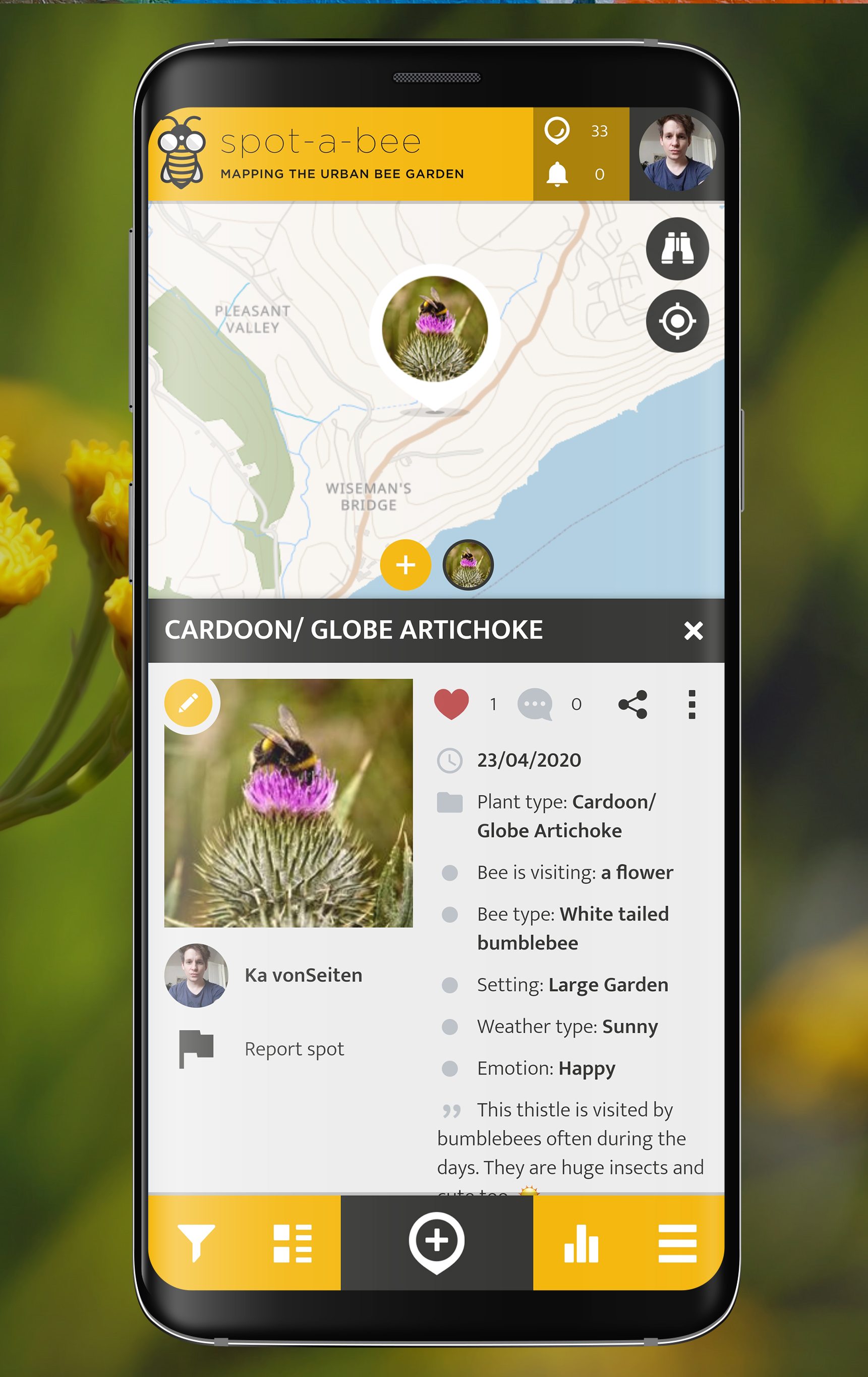
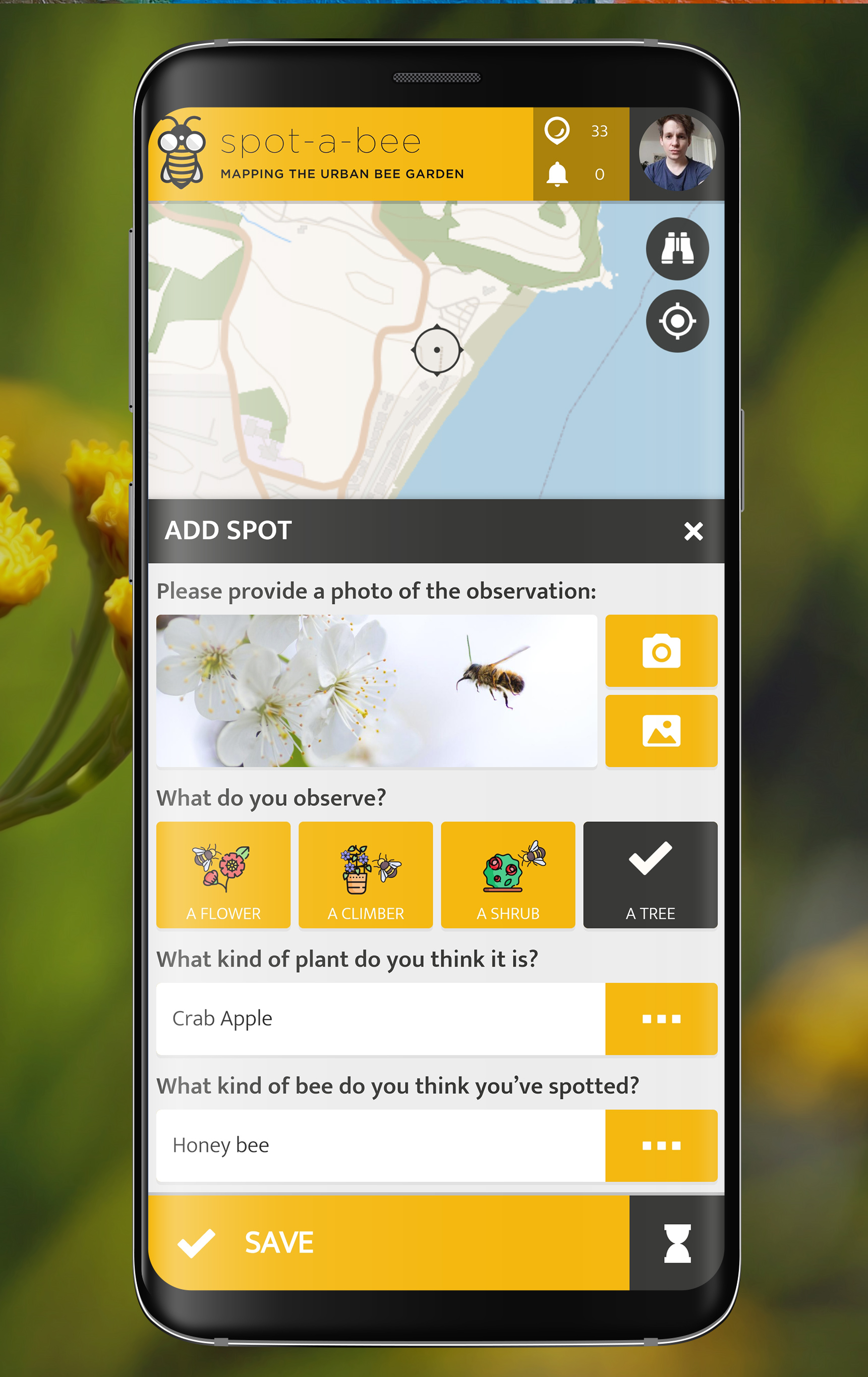
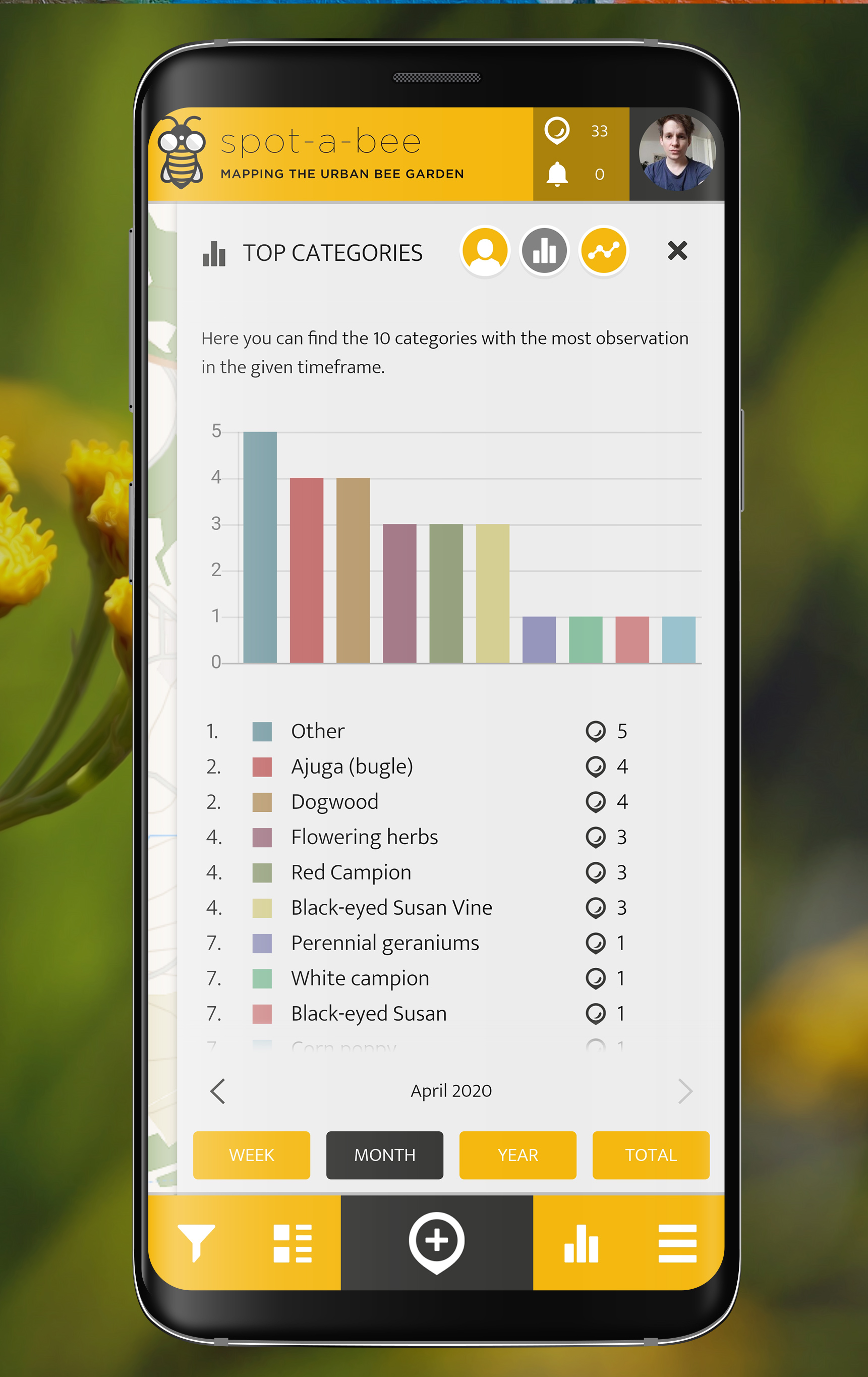
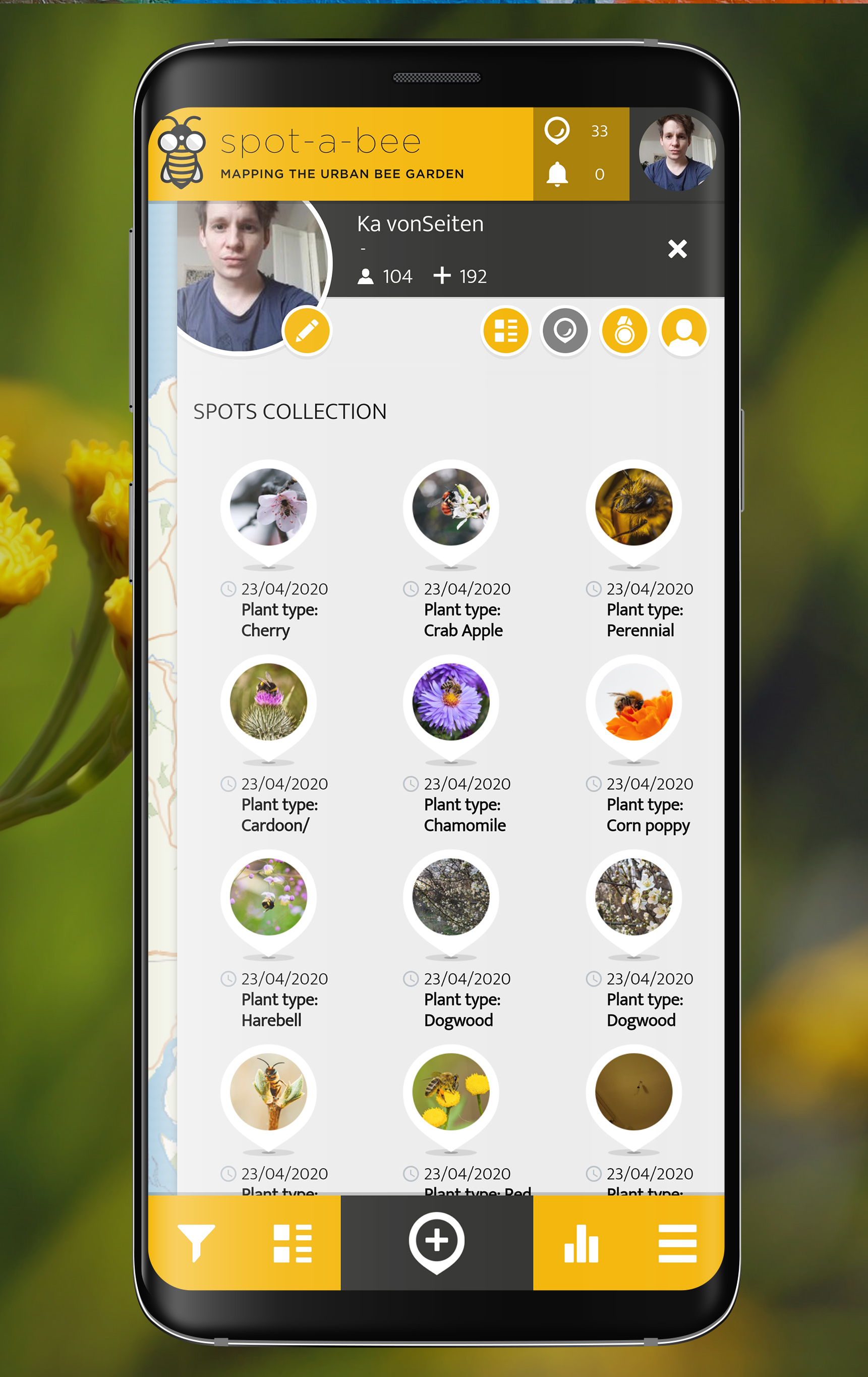
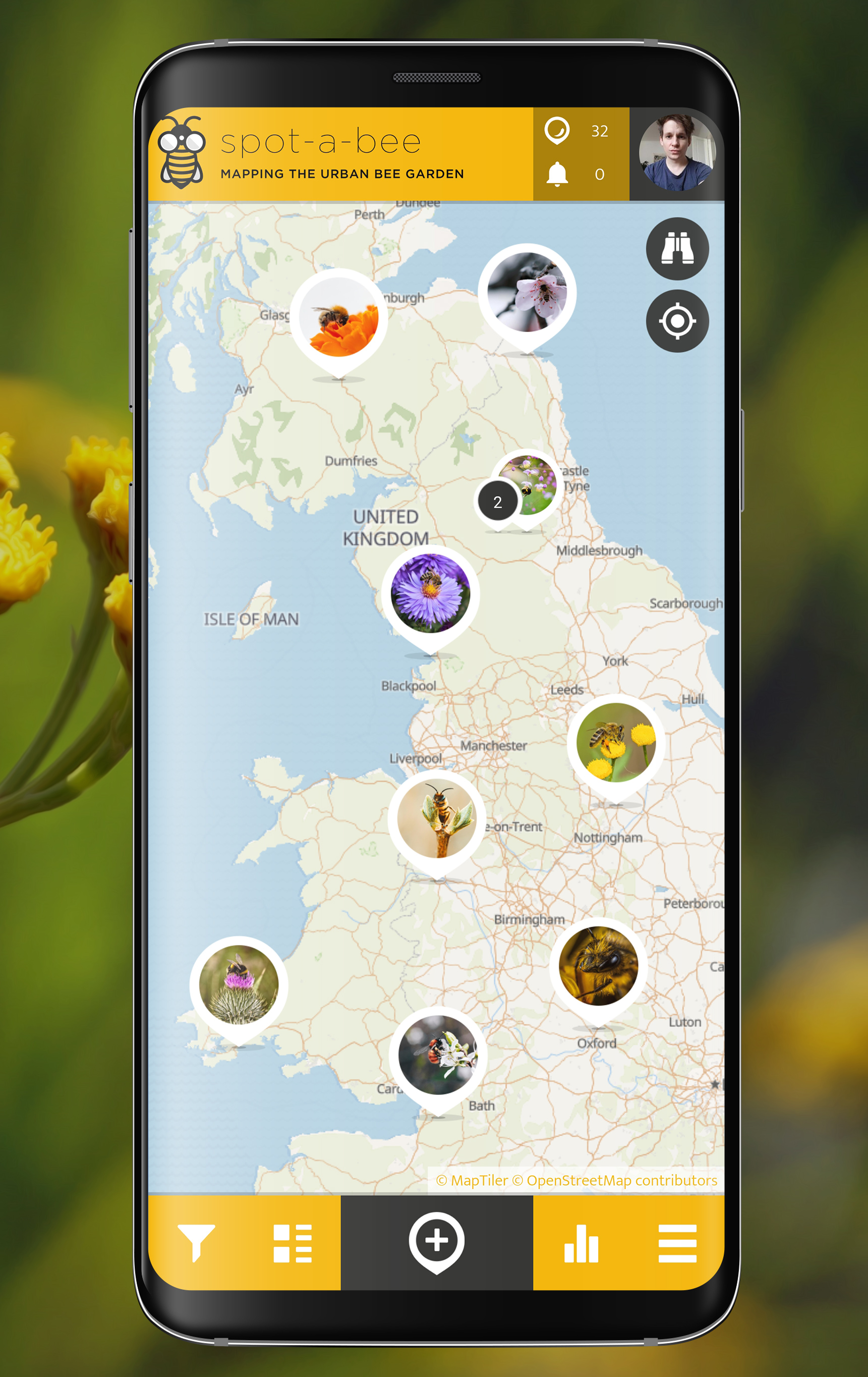
The Spot-A-Bee app allows you to observe and document any flowers, shrubs, climbers or trees and the bees on them. Additionally, it contains useful information on those plants and the most common bee species in the UK.
As a bonus, the researches behind Spot-A-Bee also want to understand how planting in urban spaces might affect the production of urban honey.

Find the citizen science app in your app store:
Android: https://play.google.com/store/apps/details?id=com.spotteron.spotabee
IOS: https://apps.apple.com/us/app/spot-a-bee-spotteron/id1509849471
Web-App for the browser: https://www.spotteron.com/spotabee
Projects & Apps open for Co-Use on SPOTTERON

App Icon
Social initiative Data Collection App
SPOTTERON

ArtSpots is a community-built art atlas. Through the App, people interested in various art forms like street art, historical or contemporary art, photography, architecture, and more can put their art observations on the map and discover art spots in their city or while travelling. The art community in the App allows exchanging with other like-minded people and contributing to a worldwide art collection.
Learn more about
ArtSpots
App Icon
Horizon Europe Citizen Science App

With the COSEA App, Citizen Scientists can observe marine environments, document coastal habitats or species, and report on pollution, infrastructure and the blue economy. Their contributions on the map and activity in the app will help scientists better understand the impacts and drivers of marine factors to protect and foster a healthy relationship between humans and seas.

Learn more about
COSEA | Collaboration for Effective Sea Action
App Icon
Environmental Citizen Science, Data Collection App
SPOTTERON

NatureSpots is a non-commercial and free project to discover nature together. In the app, nature photos and sightings of animals, plants or mushrooms can be shared with the community on the map. The app is a new initiative for observing nature and taking part is very simple and straightforward. The app is free of advertising, does not track users and takes digital privacy seriously.

Learn more about
NatureSpots
App Icon
Social initiative Community Engagement App
SPOTTERON

The new citizen participation uses "Citizen Science" in their hometown and nationwide to get User's feedback on places. As a result, citizens are empowered to become active in a city worth living in to collect and share data themselves and to interact with scientists. This enables them to recognize the consequences of sealing, heat, water shortages, and a lack of biodiversity, and generally, how places in their own environment affect us all.

Learn more about
CIVO Citizen Voice
App Icon
Horizon 2020 Invasive Species Monitoring App

The IPM-Popillia Horizon 2020 project aims to address the challenge of a new risk to plant health in Europe's agriculture and food safety: the invasion of the Japanese Beetle, Popillia japonica. This invasive species was introduced accidentally to mainland Europe in 2014 and can quickly spread by transportation and trade. As a species with a wide range of feeding plants, P. japonica threatens the entire agricultural sector, urban landscapes, and biodiversity in invaded areas.

Learn more about
IPM Popillia | Integrated Pest Management of the Japanese Beetle
App Icon
Environmental Community Engagement App

Fridays for Future see itself as a horizontal, grassroots grassroots movement that acts apolitically and refers to science for the facts. To engage the global population more, this app was developed using SPOTTERON. The aim is to find out how the population perceives the climate crisis and which positive and negative emotions are associated with specific topics related to biodiversity and climate crisis.

Learn more about
FRIDAYS FOR FUTURE - Climate App

Are you interested in co-using existing Apps? Get in Contact!

Get in contact for co-use here


Short News

  • New study from BiciZen project: "BiciZen: Lessons in the Development of a Crowdsourcing Mobile App to Make Cities More Bikeable" published in Journal of Participatory Research Methods. More studies available under the publication page here.

    in Shortnews
  • Roadkill project has made wonderful short videos for the citizen scientists! The videos include the Roadkill App functions regarding how to confirm & comment on the spots and how to best take the photos for the project. The videos (in German) are available in the "Österreich forscht" blog here. 

    in Shortnews

Newsletter

Please enable the javascript to submit this form