
Our ECSA 2020 Citizen Science Conference Experience - going virtual!

Monday, 21 September 2020 19:57

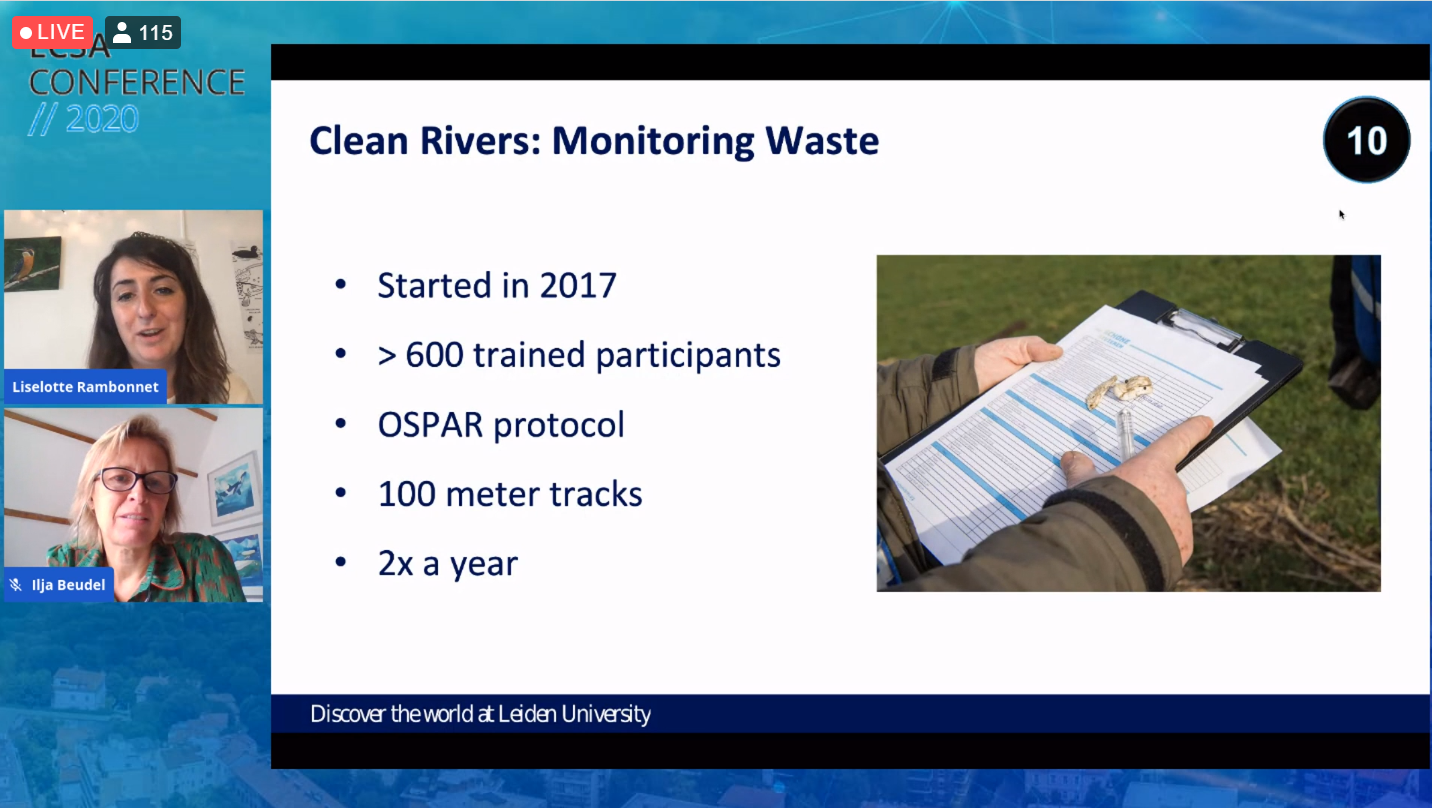
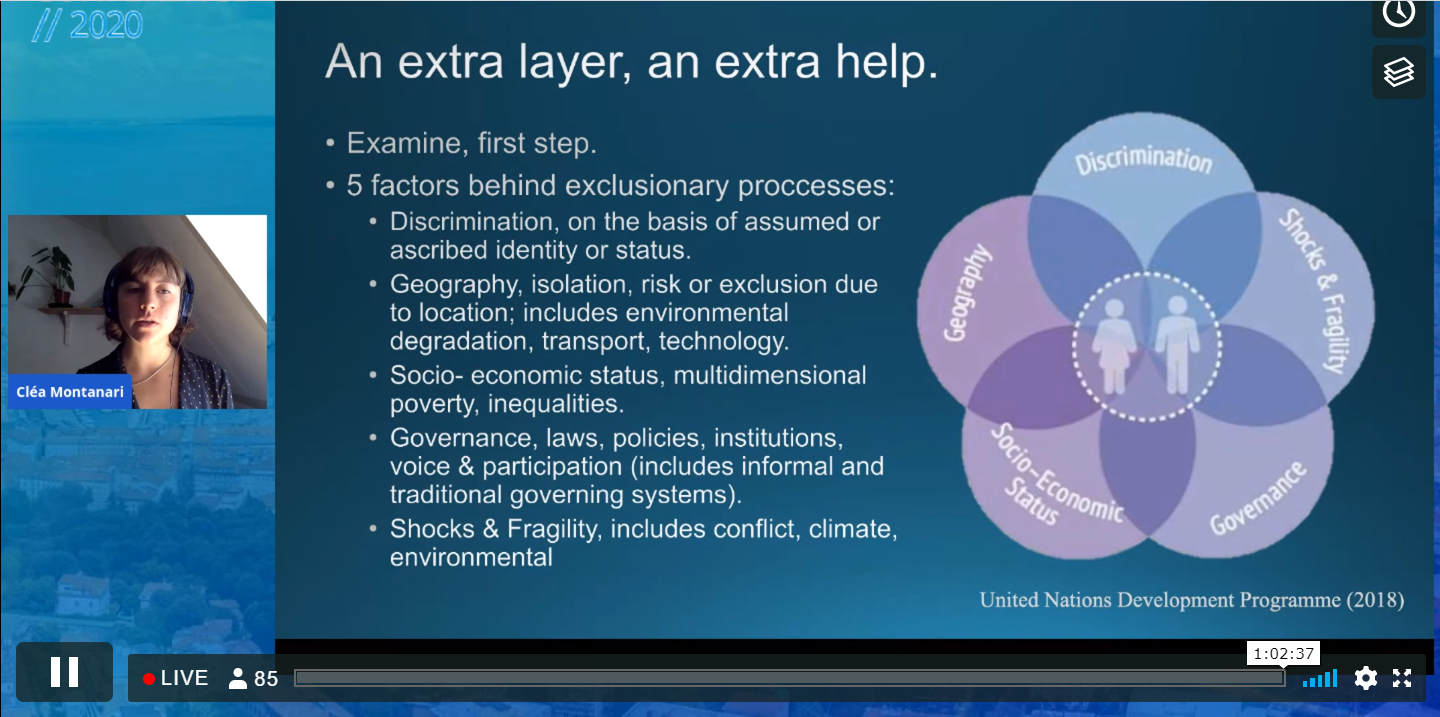
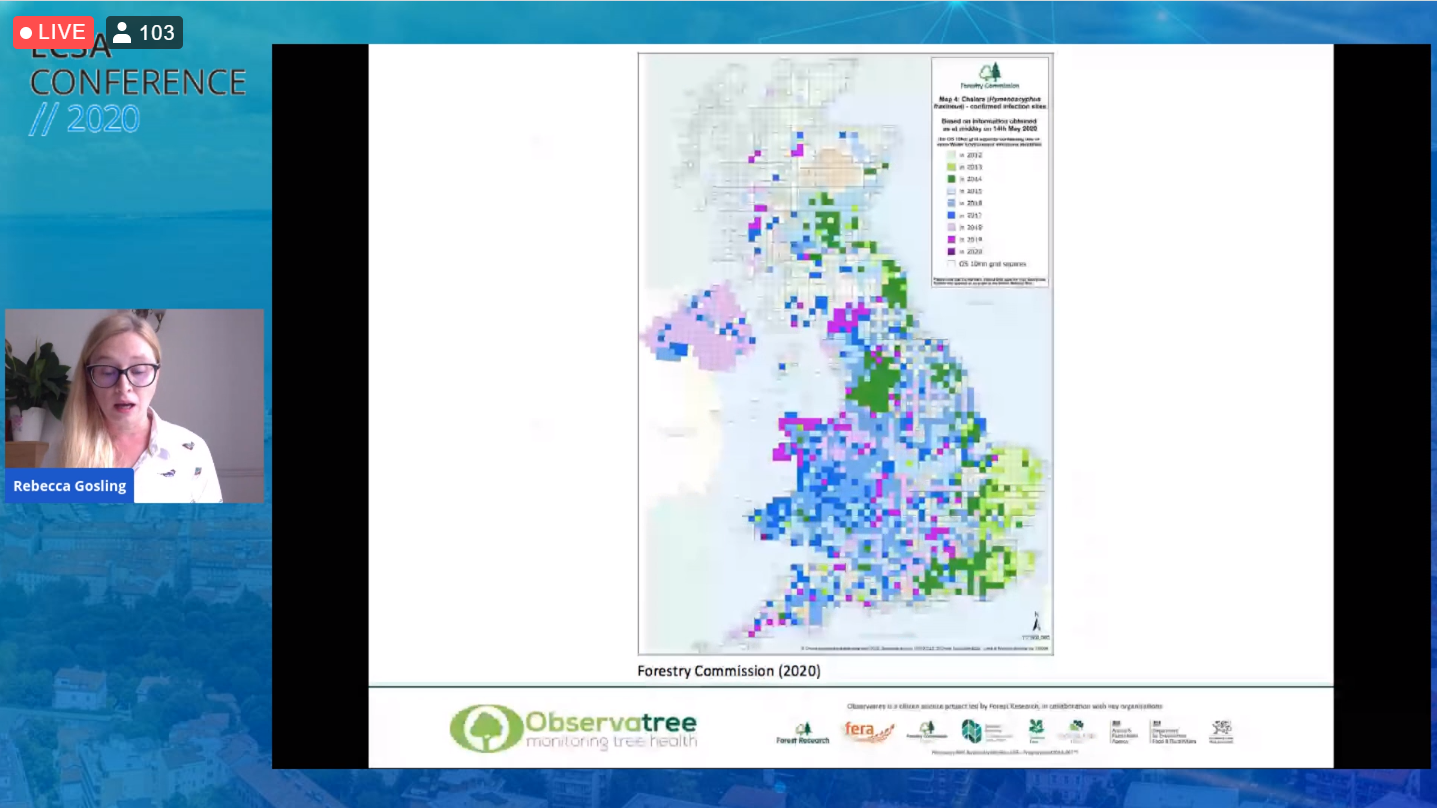
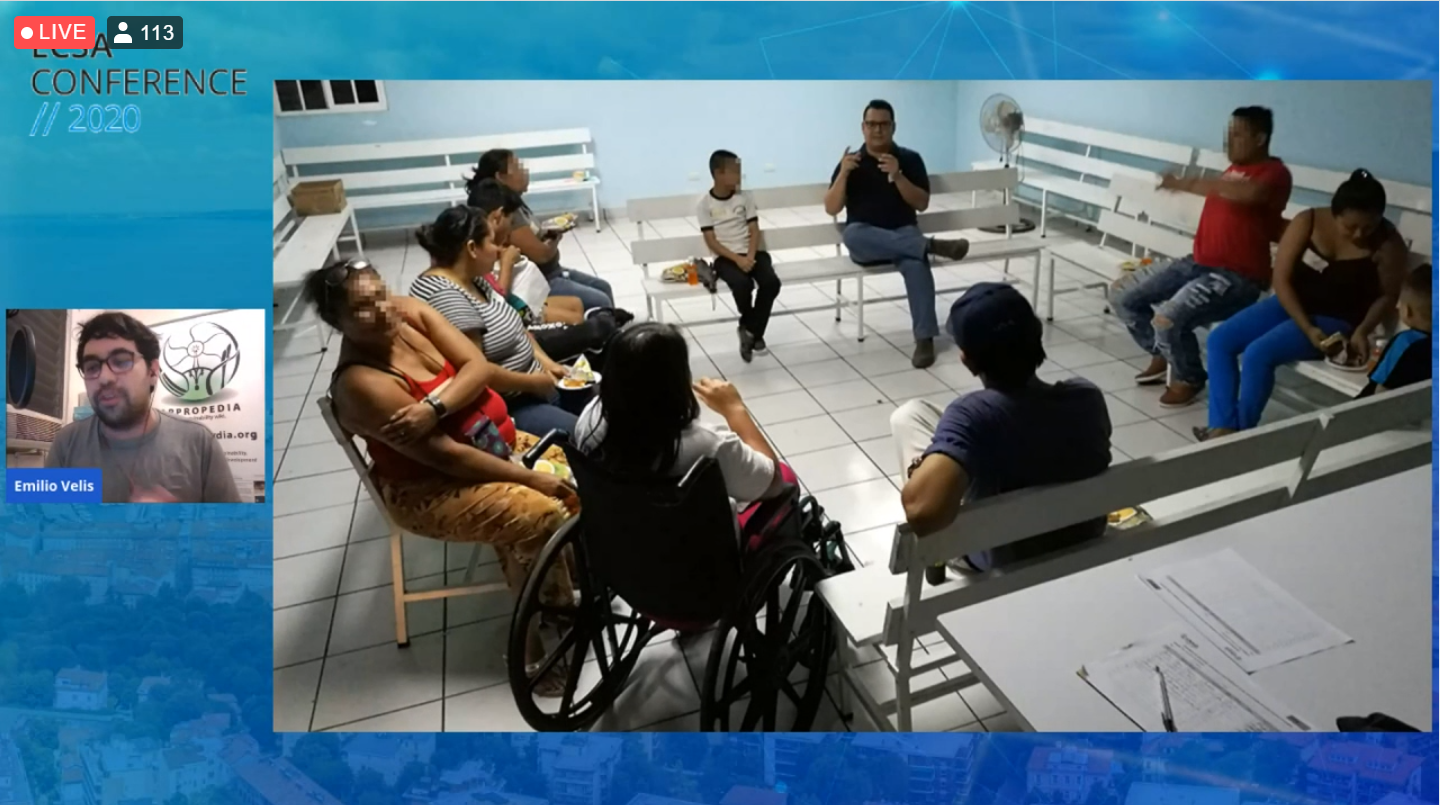
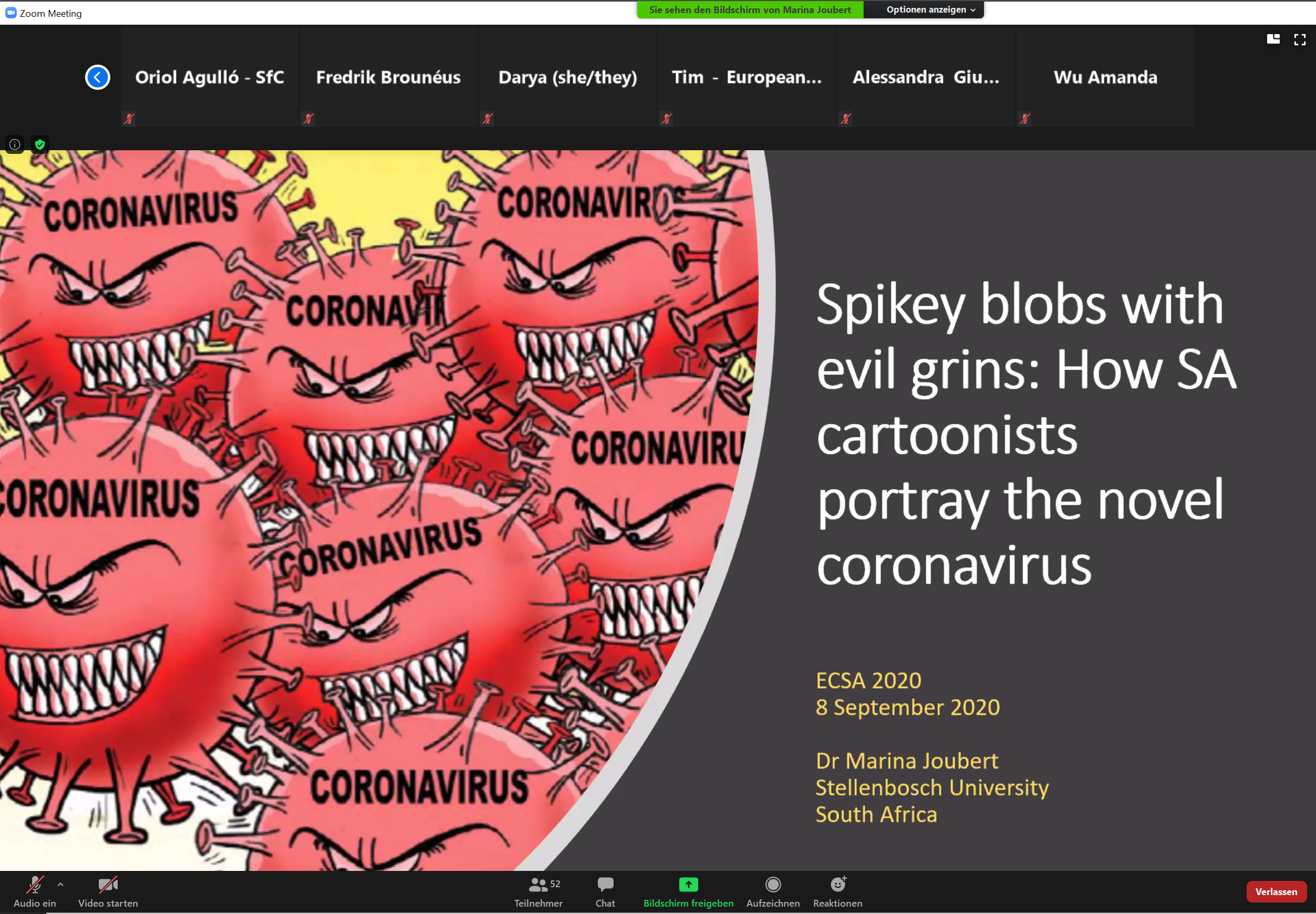
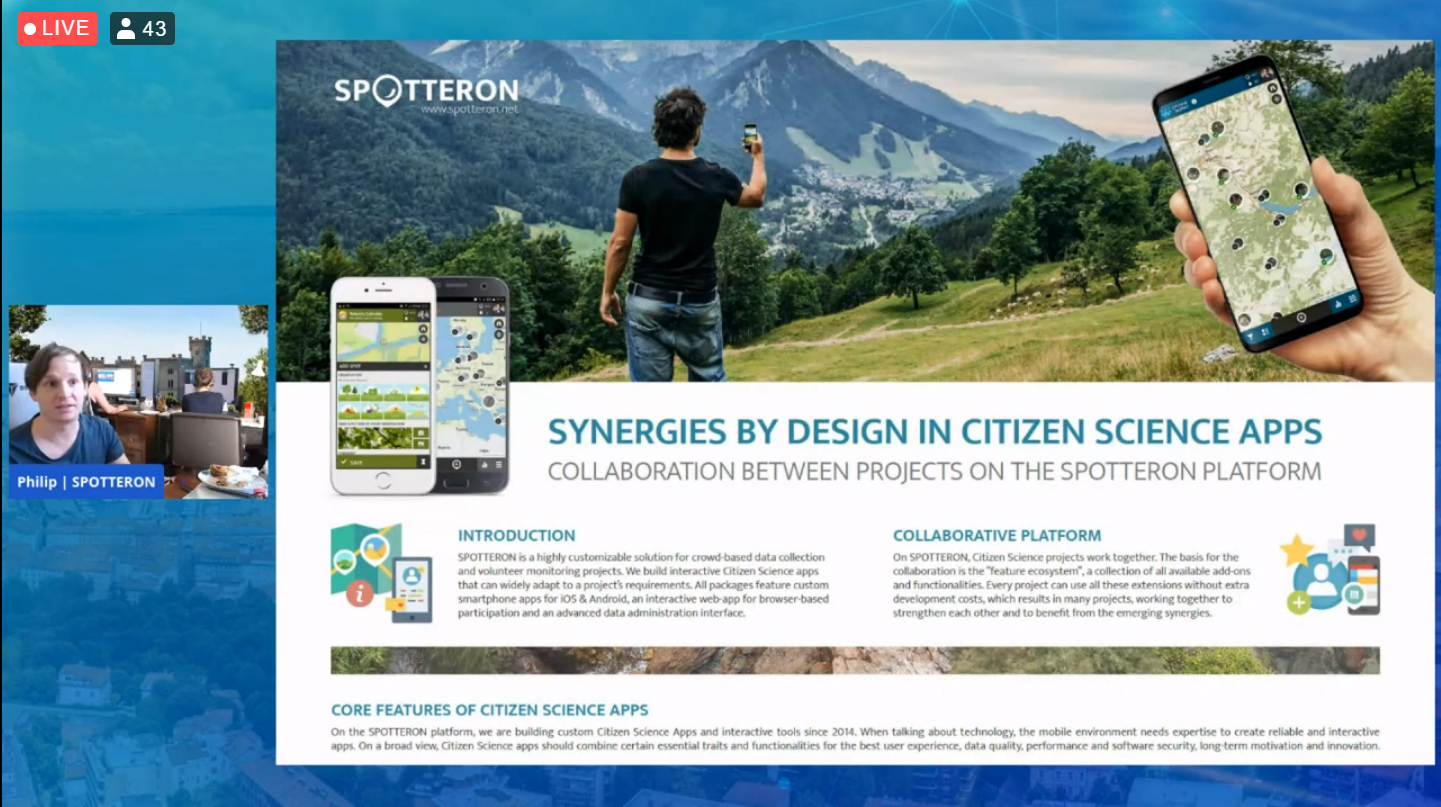
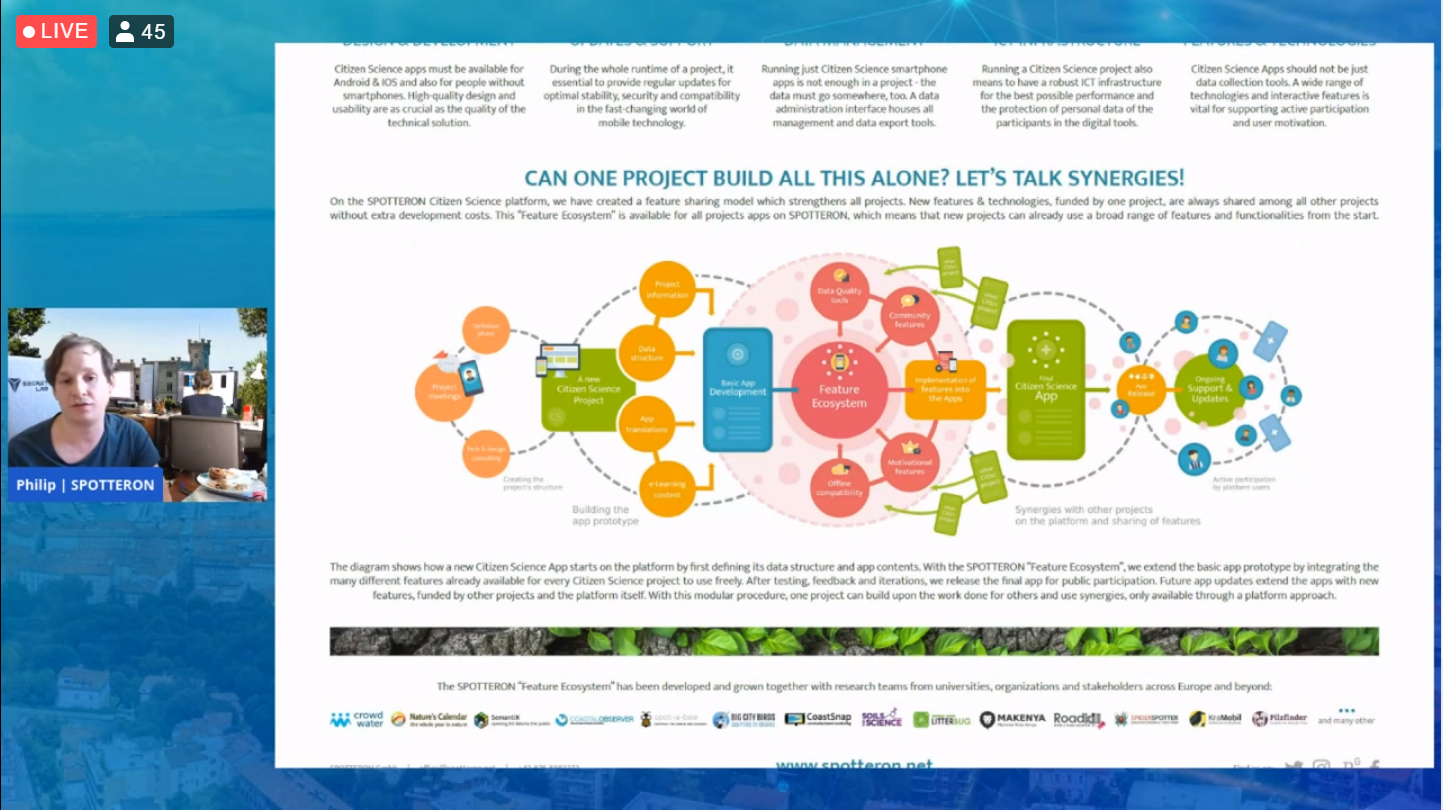
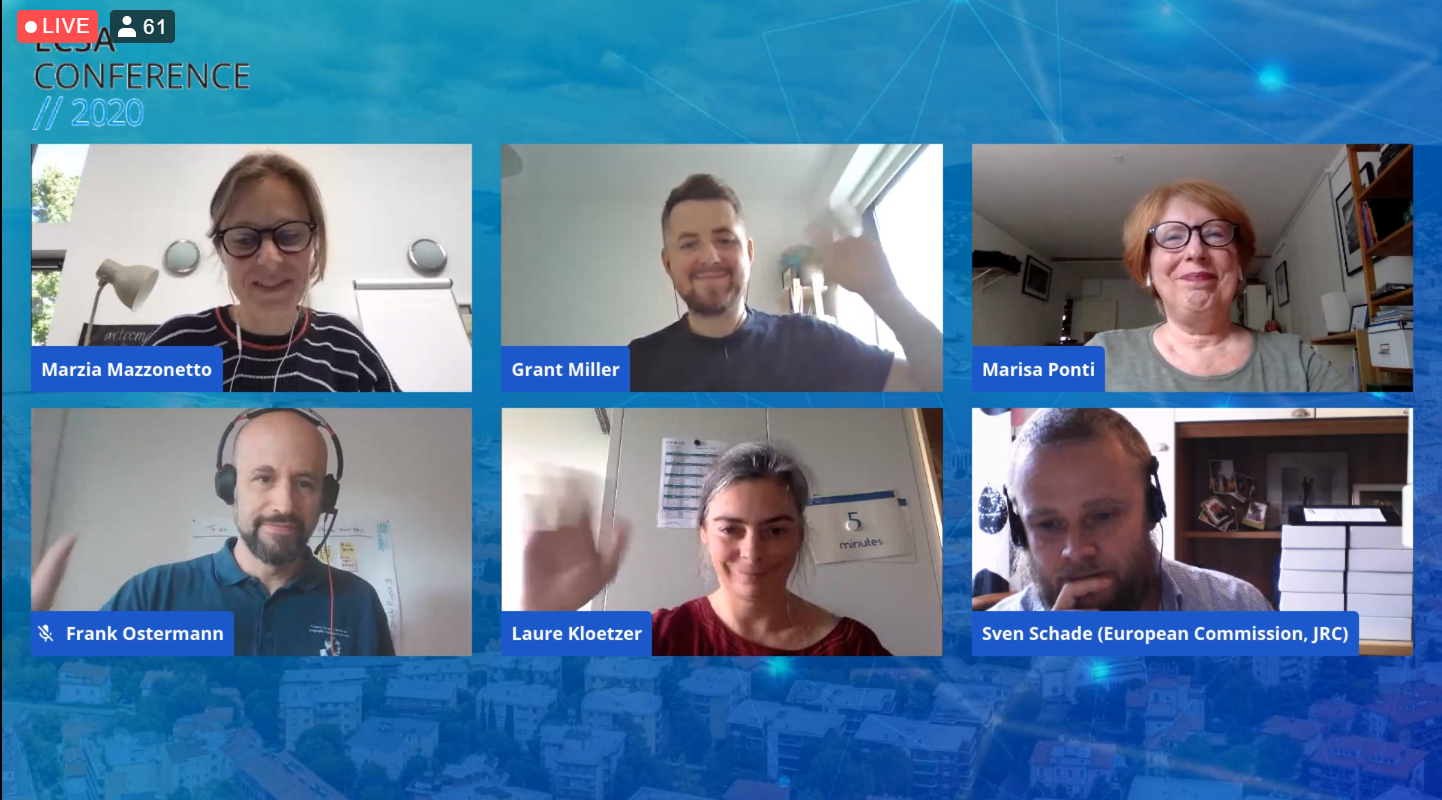
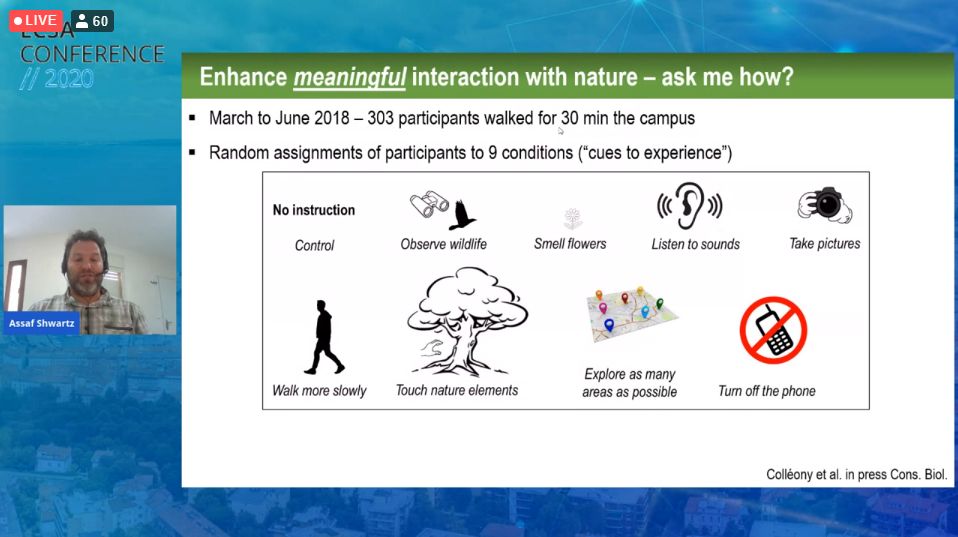
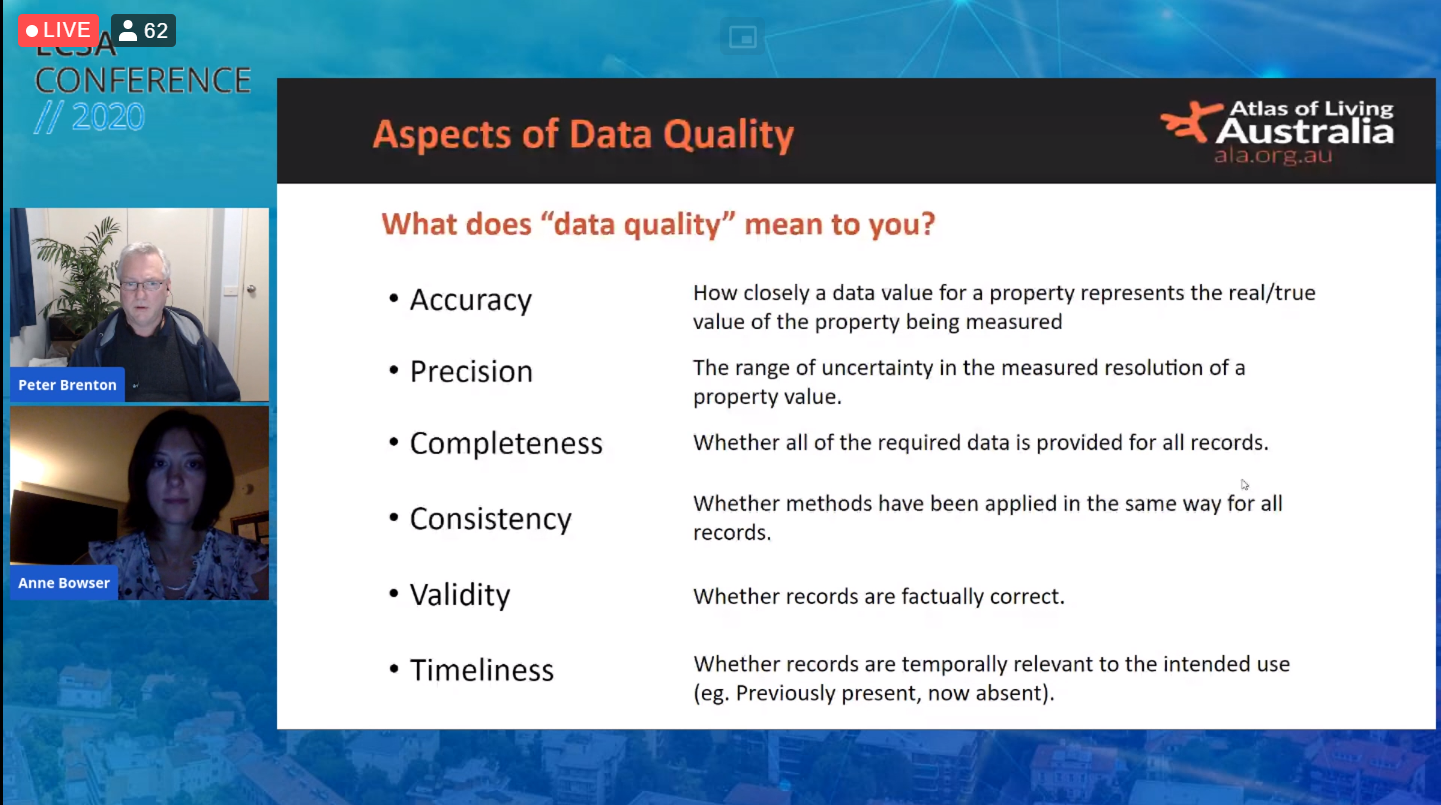
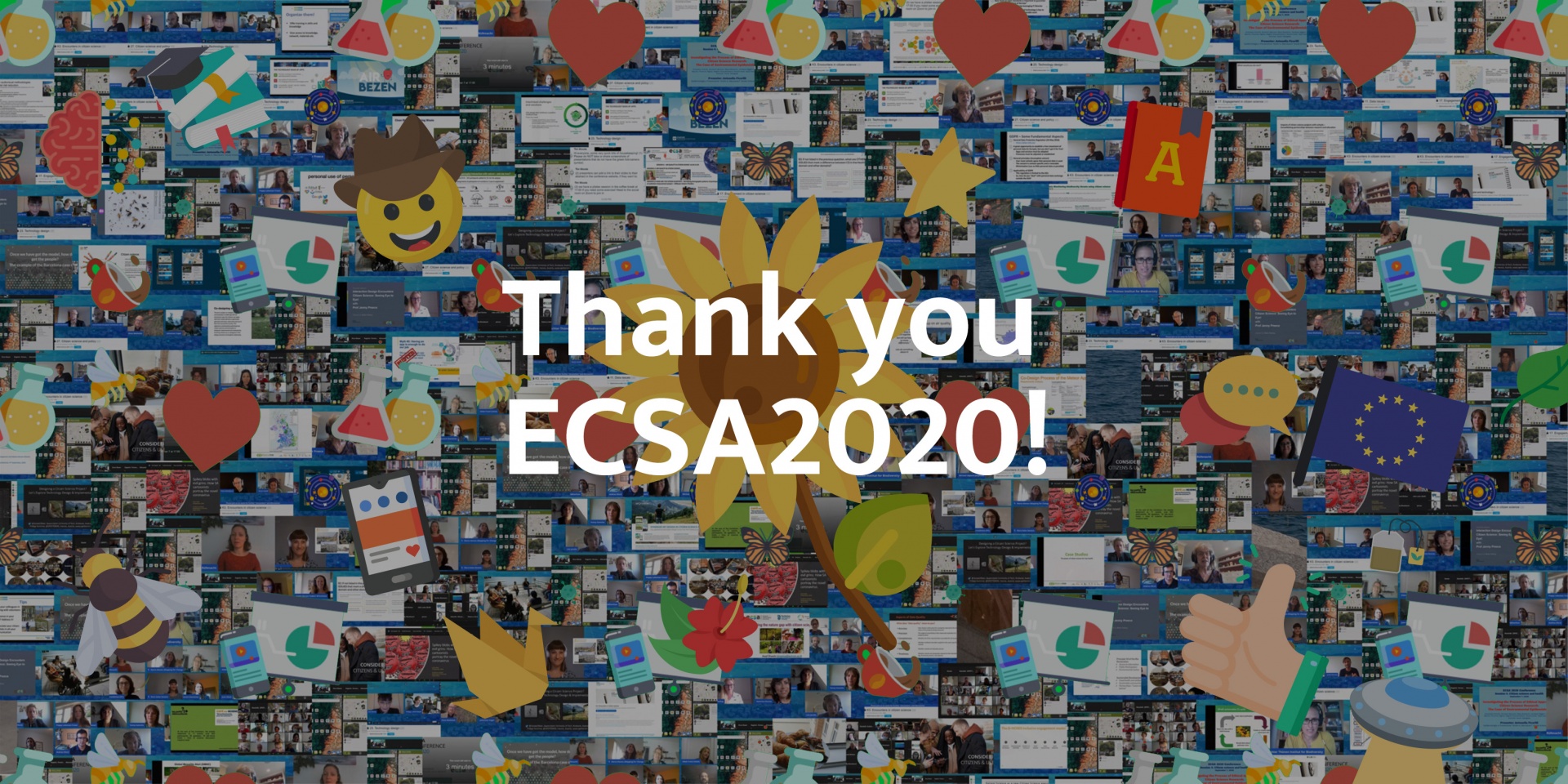
From 6th to 10th of September, the European Citizen Science Conference ECSA 2020 took place in the virtual space. Since we have been designing and developing the SPOTTERON Citizen Science platform for apps and interactive toolkits since 2014 already, it was not our first conference on Citizen Science - at least for Philipp, who is quite a regular in terms of visiting conferences. But this year, things rarely have been normal, and so the virtual event of ECSA 2020 was something new to all of us. Here are some first impressions by 2 conference newbies and a regular:

Team AgnesMilewski SPOTTERON"So much input, so so much to learn.."

The ECSA2020 conference was first for me in many respects: not only was it the first time I had the chance to attend it for the first time, but it was also the first time I participated in a conference entirely online. I think it is fair to say that we all learned a lot during the event, and it's not easy to pick out one single thing that impressed me most. It was great meeting so many interesting people from all around the world and to learn about their projects. Of course, many projects revolved about the very current and important topic of climate change and what we all can do about it. New technologies and the involvement and participation of citizens working together with scientists offers many possibilities of how to prevent it's worst outcomes. I look forward to reading up more on some of the projects presented and, if possible, take part in some of them as a citizen scientist myself.
Agnes


Team DominikEssletzbichler SPOTTERON"Shaping future perspectives together - that's my outcome of ECSA2020."

For me, as a designer, the European Citizen Science Conference was a new experience. I got many new insights into 'state of the art' Citizen Science technologies and impressions on how scientists and communities all over the world are working together on relevant issues. Discussing possibilities, shaping future perspectives and talking about how design can influence participants and scientists - these were the most exciting topics for me personally. Especially the keynote speech on Wednesday about 'Hybrid Intelligence' raised questions we will be concerned with in the next decades. How can we use artificial intelligence to create new solutions? How can we educate citizens by democratizing science? I guess it is in both hands of designers and in the hands of scientists to create technologies, that make optimal use of AI as well as of human intelligence combined.
- Dominik

 Team PhilippHummer SPOTTERON"The online space reflected so much community-spirit in Citizen Science!"

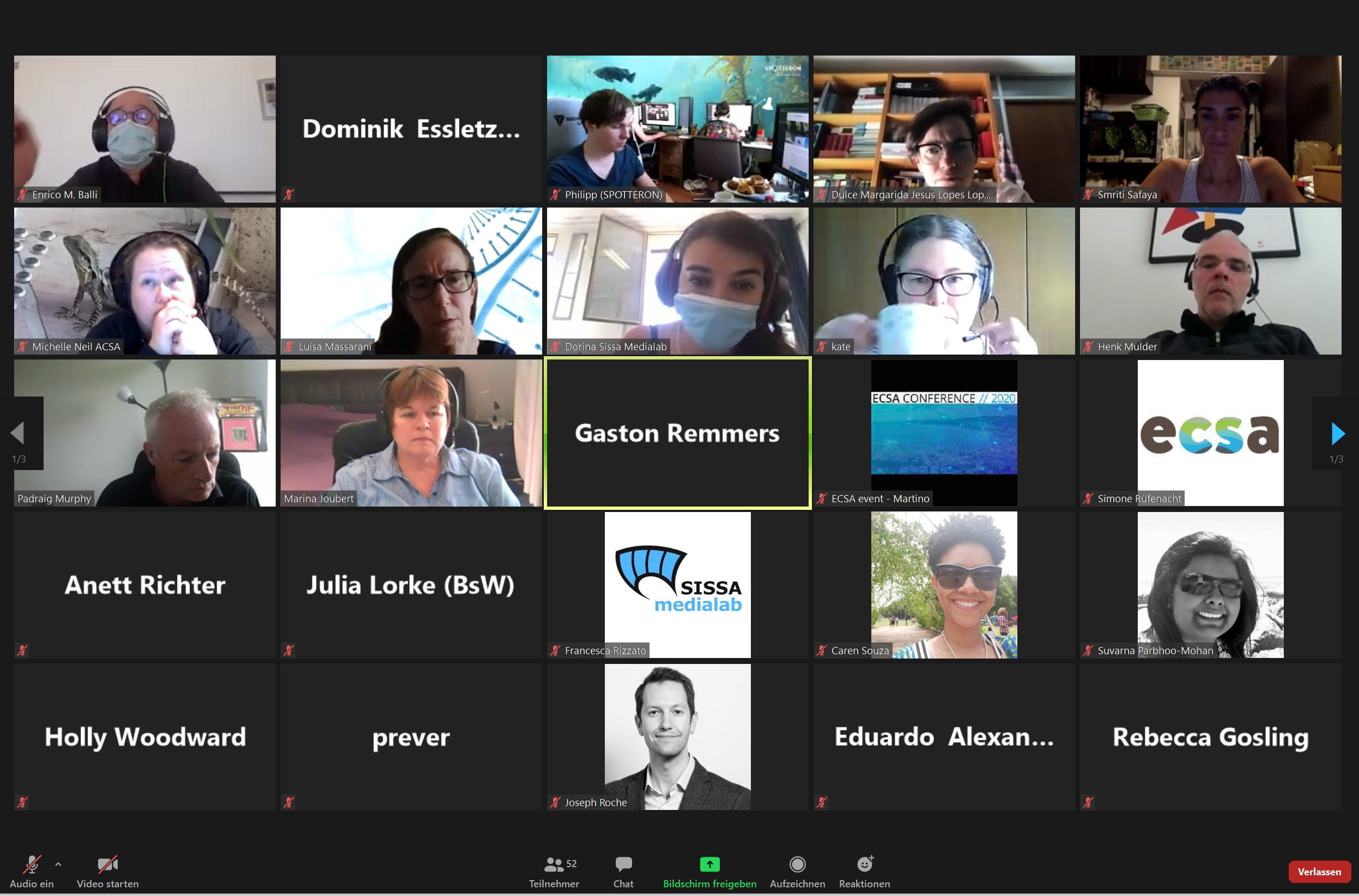
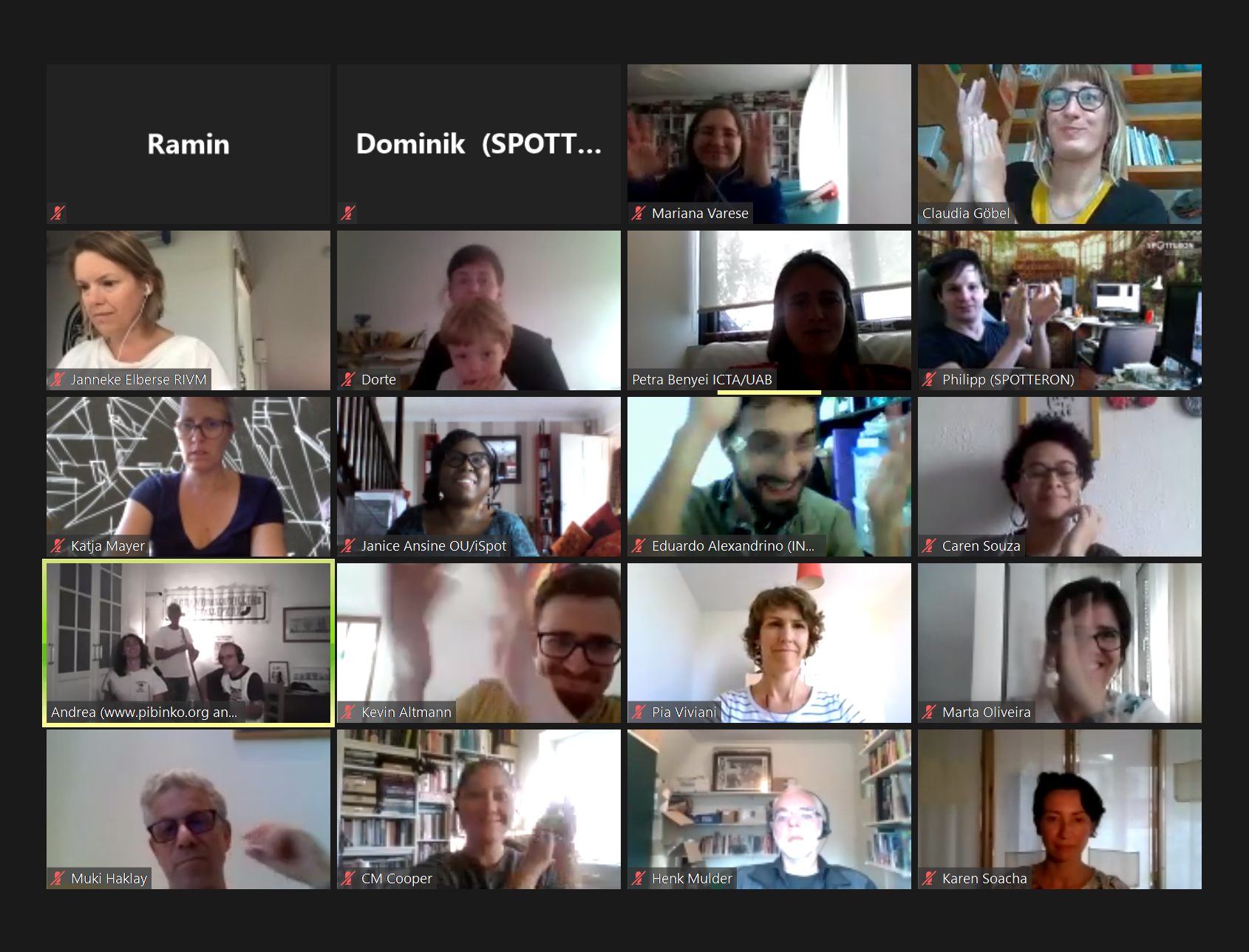
Well, obviously it was not my first conference about Citizen Science and not my first ECSA conference either (back in 2018, we even have built the framework for the current conference's website;) - but each ECSA conference is quite a unique experience. Especially in current times, when everything had to move online. First I was sceptical if such an event would work in an online-only environment but I was quite surprised, how well it worked. The possibilities of the online world have been incorporated well by the conference organization team. The chat beside the sessions' video streams was a very active place, something which could not have been possible in the "real world" and it was wonderful to not only listen but to be part of the session.But the core experience for me personally was the social zoom space in between the talks and interactive workshops. To allow direct communication on a very open basis was such a great decision, resulting in not only having a chain of interesting talks and presentations but also to get in contact with participants directly. Not only on occasions but to feel as being part of a Conference Community. I loved the experience and the virtual approach added something unique to the conference. And the organizers gave that special something the space it need.
Philipp



Projects & Apps open for Co-Use on SPOTTERON

App Icon
Social initiative Data Collection App
SPOTTERON

ArtSpots is a community-built art atlas. Through the App, people interested in various art forms like street art, historical or contemporary art, photography, architecture, and more can put their art observations on the map and discover art spots in their city or while travelling. The art community in the App allows exchanging with other like-minded people and contributing to a worldwide art collection.
Learn more about
ArtSpots
App Icon
Horizon Europe Citizen Science App

With the COSEA App, Citizen Scientists can observe marine environments, document coastal habitats or species, and report on pollution, infrastructure and the blue economy. Their contributions on the map and activity in the app will help scientists better understand the impacts and drivers of marine factors to protect and foster a healthy relationship between humans and seas.

Learn more about
COSEA | Collaboration for Effective Sea Action
App Icon
Environmental Citizen Science, Data Collection App
SPOTTERON

NatureSpots is a non-commercial and free project to discover nature together. In the app, nature photos and sightings of animals, plants or mushrooms can be shared with the community on the map. The app is a new initiative for observing nature and taking part is very simple and straightforward. The app is free of advertising, does not track users and takes digital privacy seriously.

Learn more about
NatureSpots
App Icon
Social initiative Community Engagement App
SPOTTERON

The new citizen participation uses "Citizen Science" in their hometown and nationwide to get User's feedback on places. As a result, citizens are empowered to become active in a city worth living in to collect and share data themselves and to interact with scientists. This enables them to recognize the consequences of sealing, heat, water shortages, and a lack of biodiversity, and generally, how places in their own environment affect us all.

Learn more about
CIVO Citizen Voice
App Icon
Horizon 2020 Invasive Species Monitoring App

The IPM-Popillia Horizon 2020 project aims to address the challenge of a new risk to plant health in Europe's agriculture and food safety: the invasion of the Japanese Beetle, Popillia japonica. This invasive species was introduced accidentally to mainland Europe in 2014 and can quickly spread by transportation and trade. As a species with a wide range of feeding plants, P. japonica threatens the entire agricultural sector, urban landscapes, and biodiversity in invaded areas.

Learn more about
IPM Popillia | Integrated Pest Management of the Japanese Beetle
App Icon
Environmental Community Engagement App

Fridays for Future see itself as a horizontal, grassroots grassroots movement that acts apolitically and refers to science for the facts. To engage the global population more, this app was developed using SPOTTERON. The aim is to find out how the population perceives the climate crisis and which positive and negative emotions are associated with specific topics related to biodiversity and climate crisis.

Learn more about
FRIDAYS FOR FUTURE - Climate App

Are you interested in co-using existing Apps? Get in Contact!

Get in contact for co-use here


Short News

  • New study from BiciZen project: "BiciZen: Lessons in the Development of a Crowdsourcing Mobile App to Make Cities More Bikeable" published in Journal of Participatory Research Methods. More studies available under the publication page here.

    in Shortnews
  • Roadkill project has made wonderful short videos for the citizen scientists! The videos include the Roadkill App functions regarding how to confirm & comment on the spots and how to best take the photos for the project. The videos (in German) are available in the "Österreich forscht" blog here. 

    in Shortnews

Newsletter

Please enable the javascript to submit this form