I am still a Citizen Scientists and never lost this connection with nature and my interest in what is going on in "the wild." I frequently use many apps on the SPOTTERON Citizen Science platform and add sightings and observations to the projects. But in my peer group and amongst my friends - not many do.
Citizen Science is somewhat strange to them. It sounds dramatic, and honestly, it sounds like work. Sure, there are some with a predetermined interest in science and the Citizen Science App topics. Still, in my opinion, those are not the ones Citizen Science should be exclusively targeted at. People with a keen interest in science are already basically on board. But what about the masses, the primary part of the population not included yet?
In our view, Citizen Science can be something so inclusive that this significant part of the population joins up. It can reach a wide range of people, immerse them in observing their environment, learn new things, and start caring more about their surroundings. But this is a step-by-step process, and the first one is for many to post and share. Like so many do daily in social media platforms, blogs, photo sharing apps, etc. Reaching out to people who have not yet even heard of the term Citizen Science or who do not have an already present connection to science itself means reaching out into the unknown. And for beginners, getting involved in something new can be quite intimidating at first.
What if
"But what if I make an error?", "What if my contribution is not correct?" or "And if I don't even know the species?" - These are the questions we have been asked in return when showing people from our peer groups a Citizen Science App and explained what this "Citizen Science" is all about.
Out of this quality feedback - given over a cup of coffee, a beer, or only in an open conversation with a stranger before the Corona Crisis cut off most social ties - we have developed a plan. A plan to try a different approach besides the super-worthy and essential work of, e.g., national Citizen Science platforms, stakeholders, or science associations. We imagined putting the cart before the horse - not by asking people if they want to contribute to Citizen Science but to immerse them into posting observations until they are doing "Citizen Science" on their own and are ready to join real projects. Like I did when I was a kid.

An App about art and an idea about nature
Our first test balloon was ArtSpots, a small app about street art-spotting we have been running now since 2016 already. We do not promote the App, but it gained a small but steady user community over the years, and with the relaunch, we have opened it up for a broader audience with more art genres to contribute. With the experience made in ArtSpots, we have taken on the more significant endeavor. Art is not a close connection to Citizen science per se (but if there is a project out there that wants to collaborate and use the ArtSpots App as a basis, please drop us an email at This email address is being protected from spambots. You need JavaScript enabled to view it.). While social science studies can involve art, the central area of Citizen Science, at least on an observational and GEO-related basis, is still often observations in nature. And nature, its beauty, and many facets are something which everyone can relate to by heart.
The idea to build something for merely observing and enjoying nature was already present since the early years. In 2020, during lockdowns and social distancing and having a walk in the park every second day, the idea became a plan. As a sibling to the ArtSpots App, we would build something for nature observation, too, with all the SPOTTERON Citizen Science platform's benefits and traits. Strong data-ethics, no user-tracking by implementing some US megacorporation analytics tools, an European and modern approach with independence and built not by outsourcing work to low-wage countries - these are all traits we bring to projects on SPOTTERON.
The NatureSpots App project and its goals
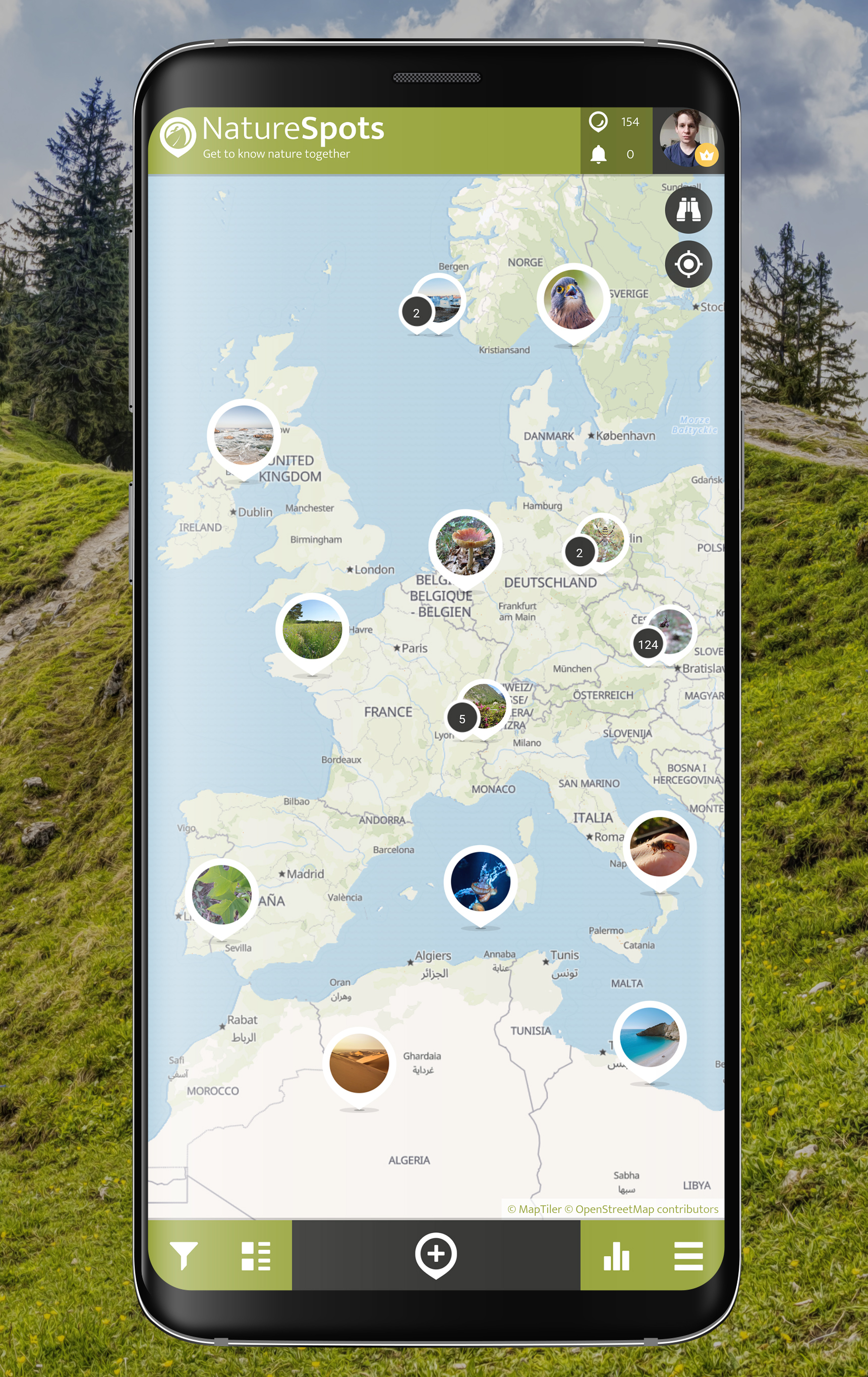
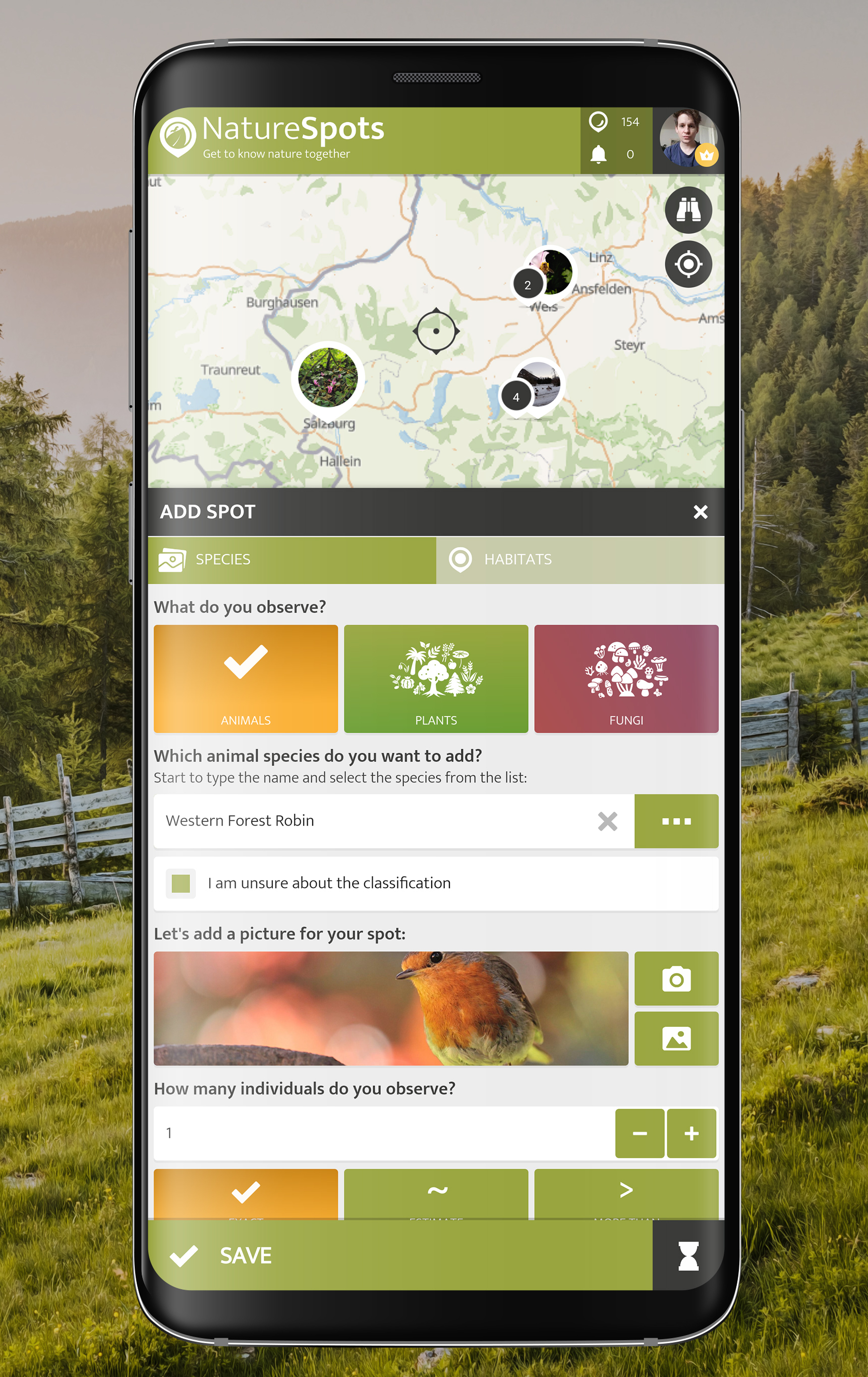
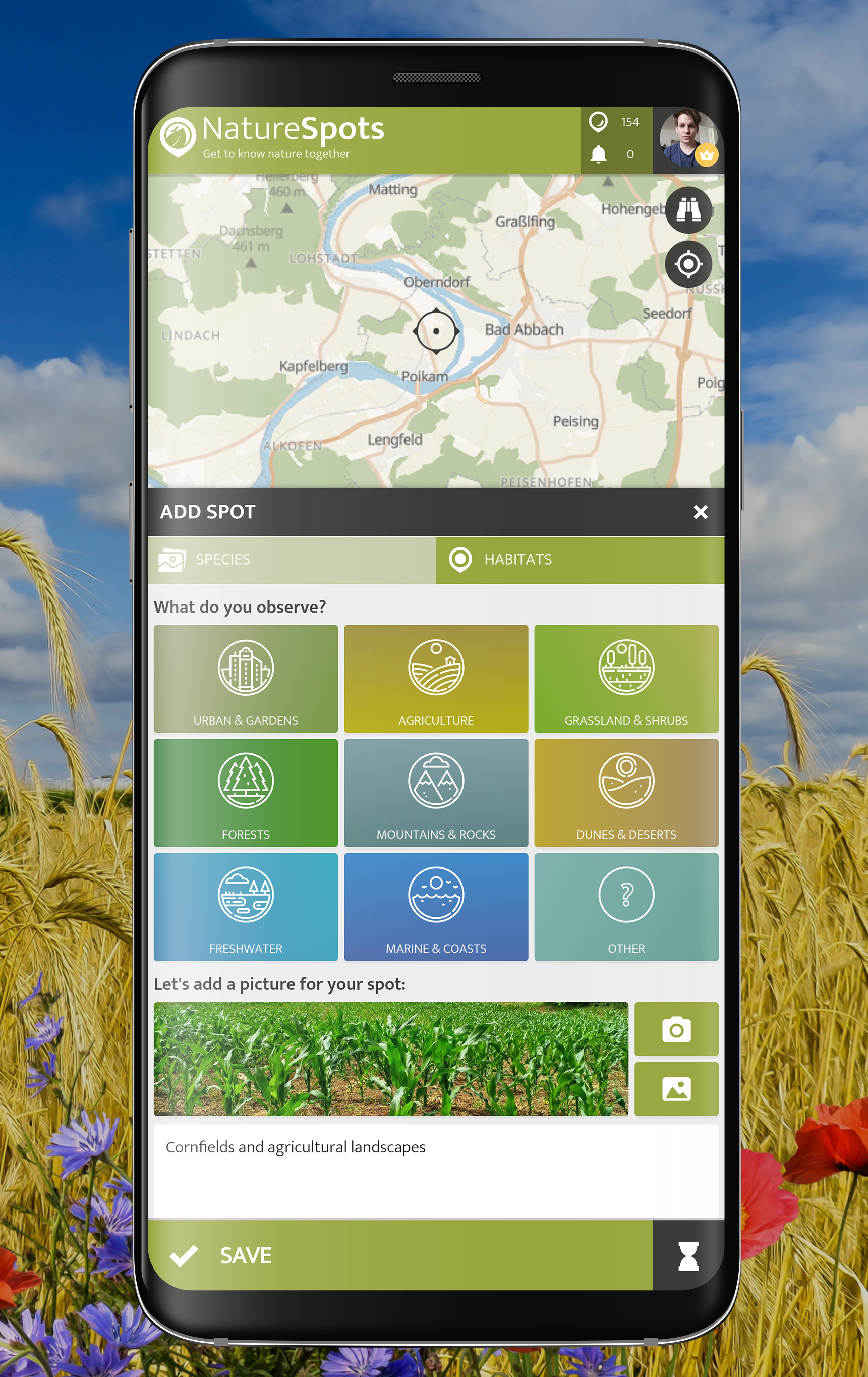
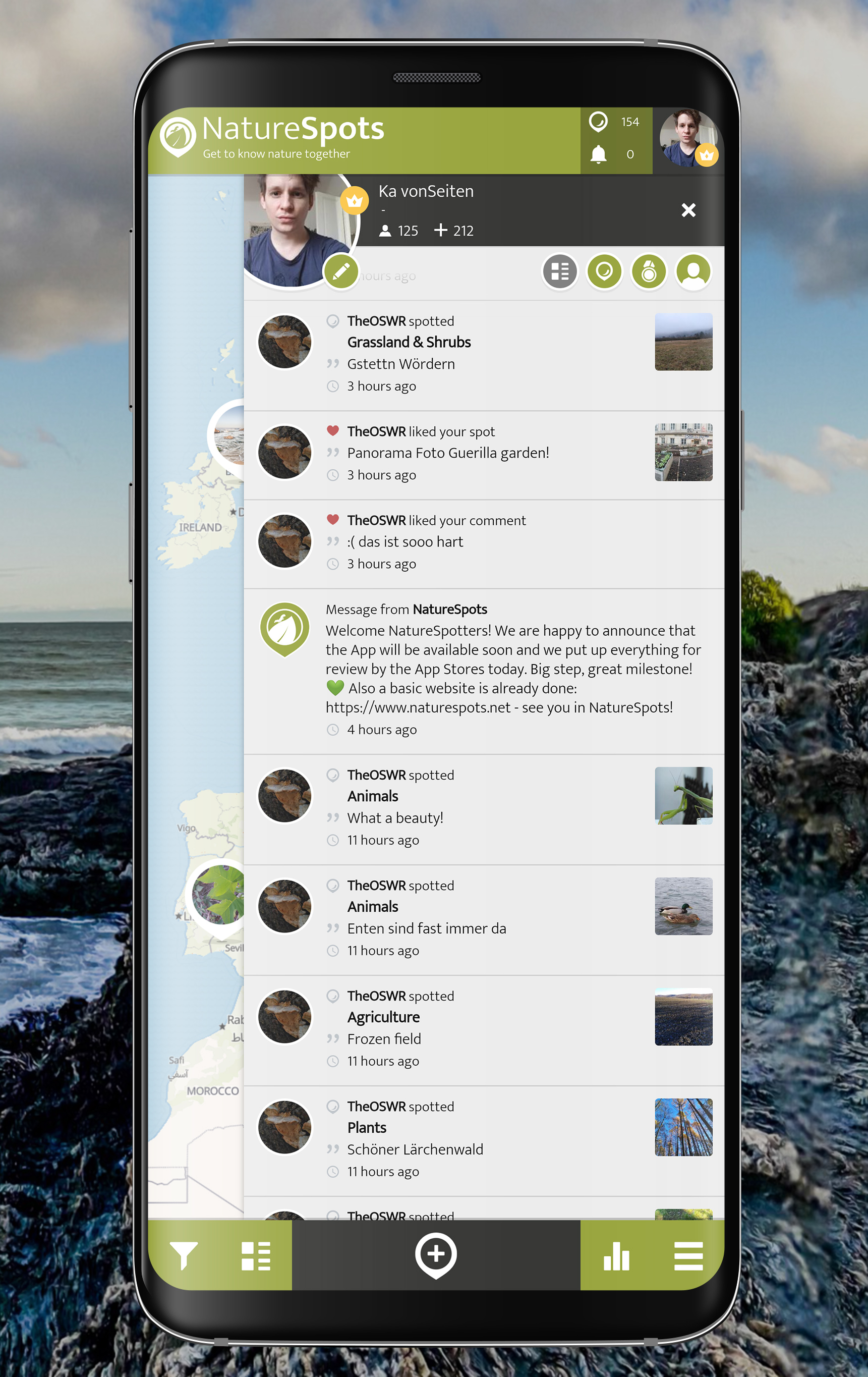
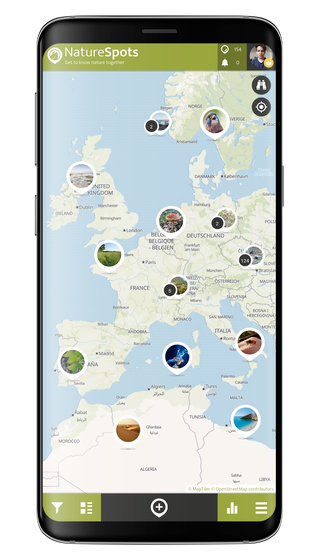 Our goal with the new App called "NatureSpots" is to reach out to a broader spectrum of people and engage them in the joy of observing nature. Participation is easy, and one can start right away without having a fear of interfering with a bigger goal or scientific process. We call this "casual nature observation." Sharing nature photography and posting sightings on the map can be a wonderful hobby for a start. And many of us have experienced it ourselves: after staring on with a fascinating thing, we get drawn into it and start to love what we do sincerely. And with love comes the urge to protect. The well-known phrase "We only protect what we love" is touching a more profound truth. We defend what we love, and this planet and its ecosystems need this defense urgently. We live in times of the loss of biodiversity, the decline of natural habitats, and the impending global warming crisis. Loving nature, being amazed by the millions of species around us, and enjoying natural habitats for what they are is one of the keys to better conservation of natural environments and fighting climate change.
From Love to Citizen Science
We can also use this new App to direct users to the "real" Citizen Science projects to log in with their existing user account without hassle. In the future, thanks to the SPOTTERON feature ecosystem, we plan to put in some automation, and, e.g., if a user posts the 10th mushroom, the App will tell her or him that there is the Pilzfinder project - and that there the own contribution helps science.
Another example is when a NatureSpots App user posts an elderberry plant and mentions flowers in the comment text. The App can then suggest, based on the region, to take a closer look at the "Nature's Calendar" project "ClimateWatch Australia," which, through phenology and the observation of key-species, contribute to climate research. All users can make such suggestions already manually now; as active participants in the new App, we recommend projects and share our nature observations with some name-dropping if it fits. By growing this community and extending the project's reach, NatureSpots can be a beneficial entry door to new participants for all other community-based research projects. Because when getting closer to it, Citizen Science is also something we start to love by heart.
With NatureSpots, we can reach out further. With automation systems developed for our first Horizon 2020 Citizen Science projects on the platform, we can utilize the innovation build on those partnerships to get more people to observe nature and build on that to strengthen Citizen Science. Citizen Science is also User Generated Media. And those media objects we can use to spread on online media platforms for applied automated marketing without the need to care for 100% correctness. It's the first visual impression that sparks interest, and we will use the content of the casual nature observation to achieve that. In the end, it comes to simple numbers: how many people we reach together on online channels. A small but meaningful percentage of those will get on board, start making their first experiences, and begin their Citizen Science journey.
We do not even use the wording "Citizen Science" in that approach - we invite people to "start an adventure," to "discover," or to "explore". At the core, sparking this urge for nature exploration and discovery can lead to becoming an active Citizen Scientist on their own. Follow us into Nature!
Open biodiversity data
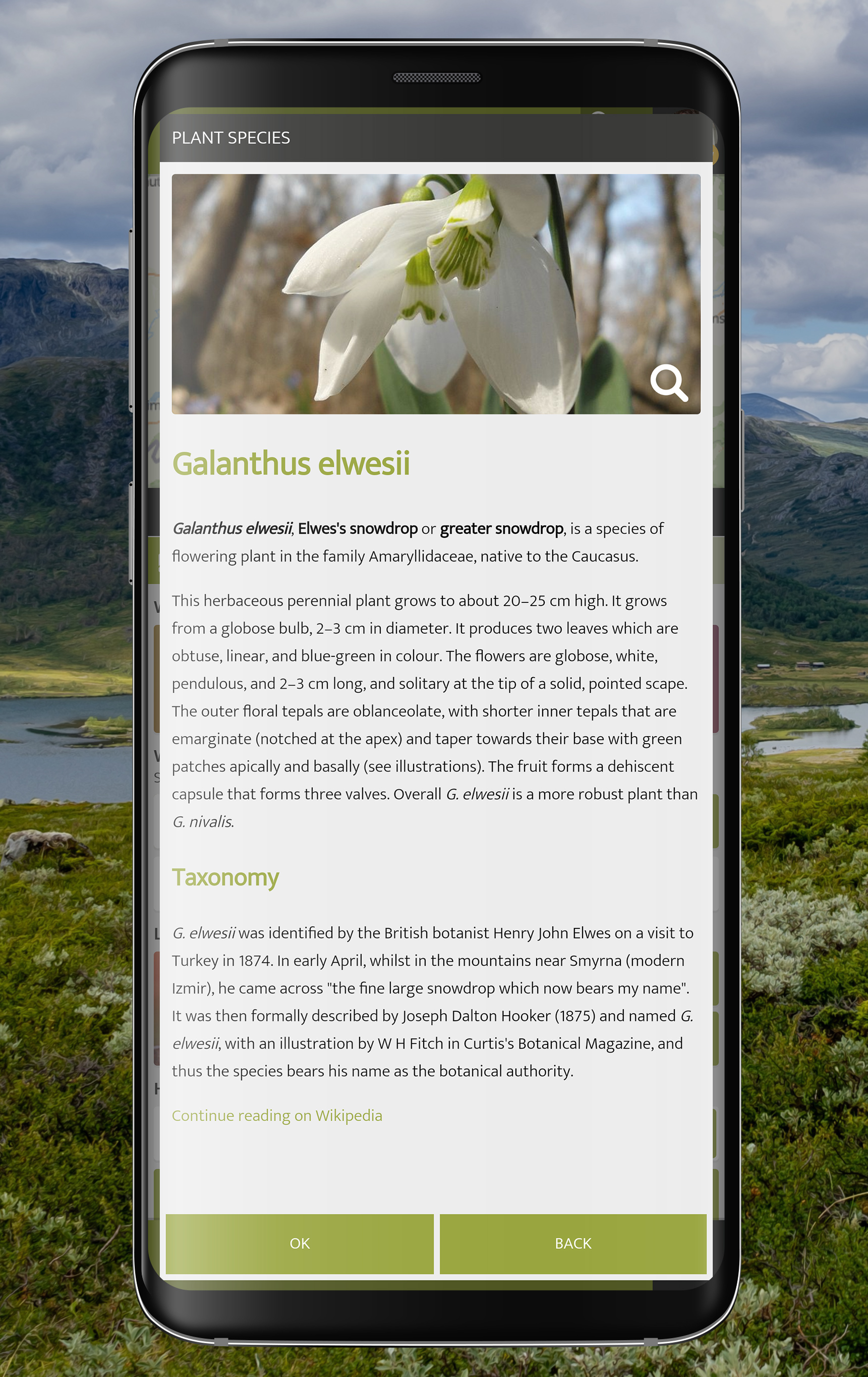
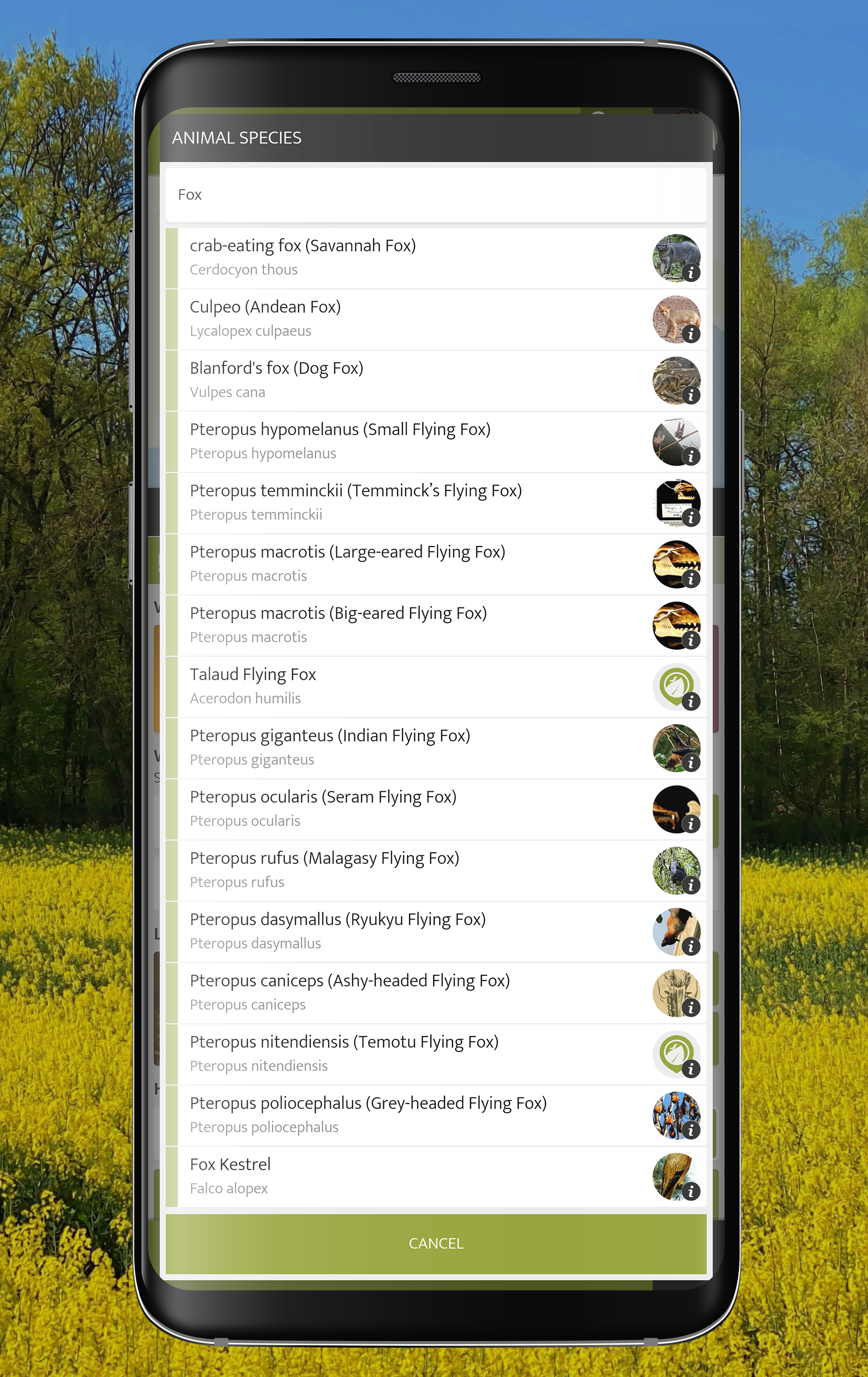
All data collected in the NatureSpots project is released as Open Data under the Open Database License 1.0 and can be freely used by any research team, local initiatives, or NGOs. We just started - in terms of data validation, there are also already existing connection ports open for possible collaborations and partners, and future developments bring new supporting functionalities. All species data entries are currently already able to be cross-referenced with all major biodiversity platforms. The App works together with Wikidata, which hosts all the collected IDs for a particular species in biodiversity platforms worldwide, from GBIF to ARKive. Future applications can be built around that, enabling true compatibility and data interoperability.
But for a start, the project's approach is far more emotional than fact-based. It is a new option for people to start on with nature observations and without "selling" their online soul to data collectors, just because those provide something "for free" - be it maps, analytics, or social media.
Supporting small and unfunded Citizen Science projects
Also, we want to help small initiatives, local NGOs, or even new Citizen Science projects without funding to use an App, which respects the participants' digital privacy and not sells out its users. Different future options can extend the use cases in that direction, but that is all still on the drawing board. But if an initiative or Citizen Science project out there is interesting in collaboration, please send us an email to This email address is being protected from spambots. You need JavaScript enabled to view it., and let us schedule a talk! The NatureSpots App can help engage Citizens, reach out to new users, create an active and caring community, and collect data on nature, habitats, and biodiversity.
Download the brand new NatureSpots App and try it out!
The Naturespots App is available already on the App Stores. Be invited to try it out - it is free, and registering a new user account needs a minimum of personal data. Make first nature observation today - and if you have feedback or advice for us, please do not hesitate to contact us.
App for Android: https://play.google.com/store/apps/details?id=com.spotteron.naturespots
App on IOS: (https://apps.apple.com/us/app/naturespots-observe-nature/id1549270797
Find out more about the App on the NatureSpots website
Have fun!
Philipp | SPOTTERON