Celebrating a Milestone With Nature’s Calendar: 100k Citizen Science Phenology Observations

According to our project partners, the most commonly observed plants were not indicator plants but others and their changes during the year. With the over 57000 comments and discussions with users in the App, this makes for a great source of information on nature for any participant to take part in and learn from.
About a quarter of the observations include phenological indicator species, of which the top three observed are the apple tree, the Sycamore maple, and the Black elder. These plants were also observed over the most extended periods, thus making these kinds of observations valuable data points to be used by the scientists behind the project.
Read more details on the types of observations here (in German): https://www.phenowatch.at/aktuell/was-gibt-es-neues/100000-eintraege-im-naturkalender
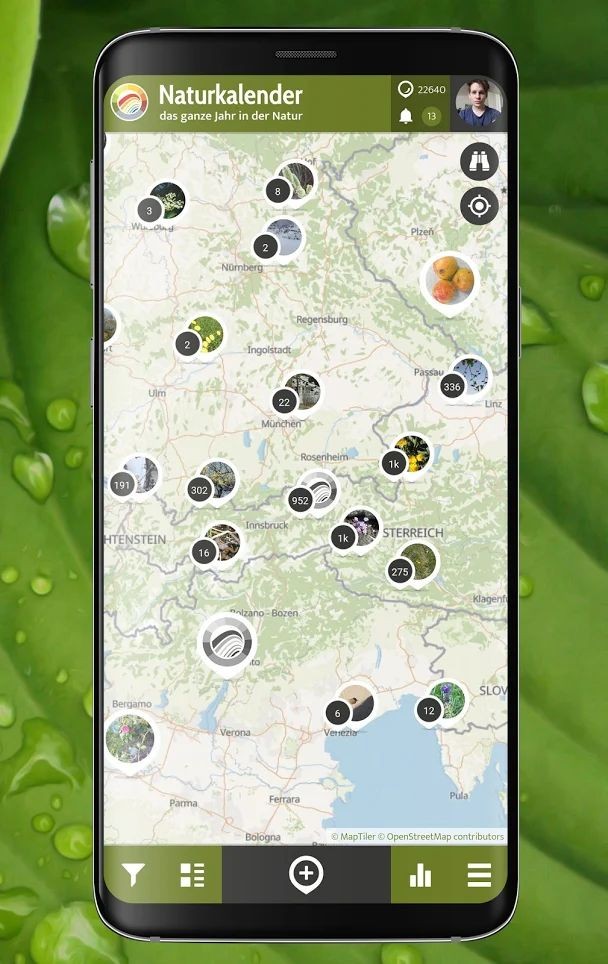
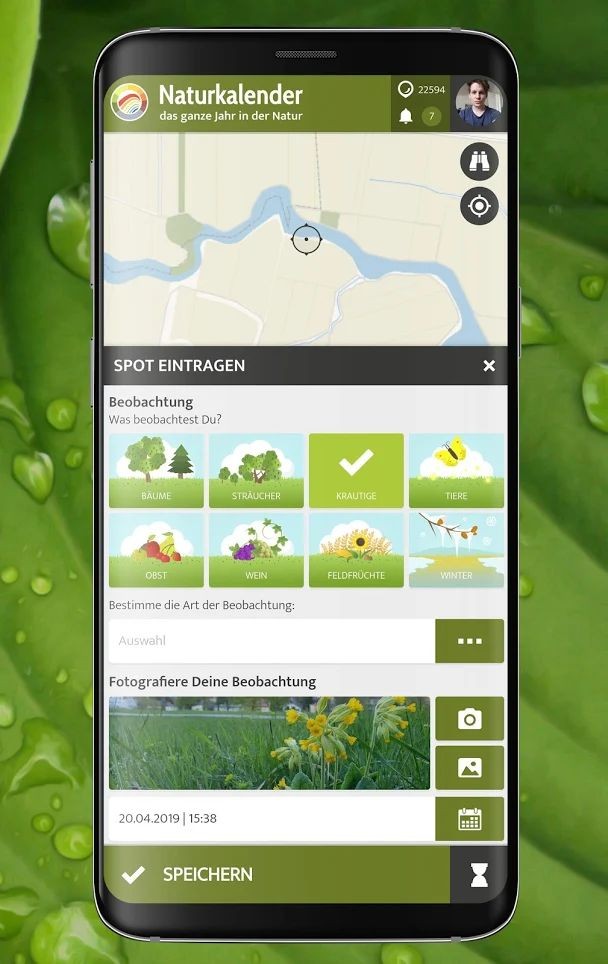
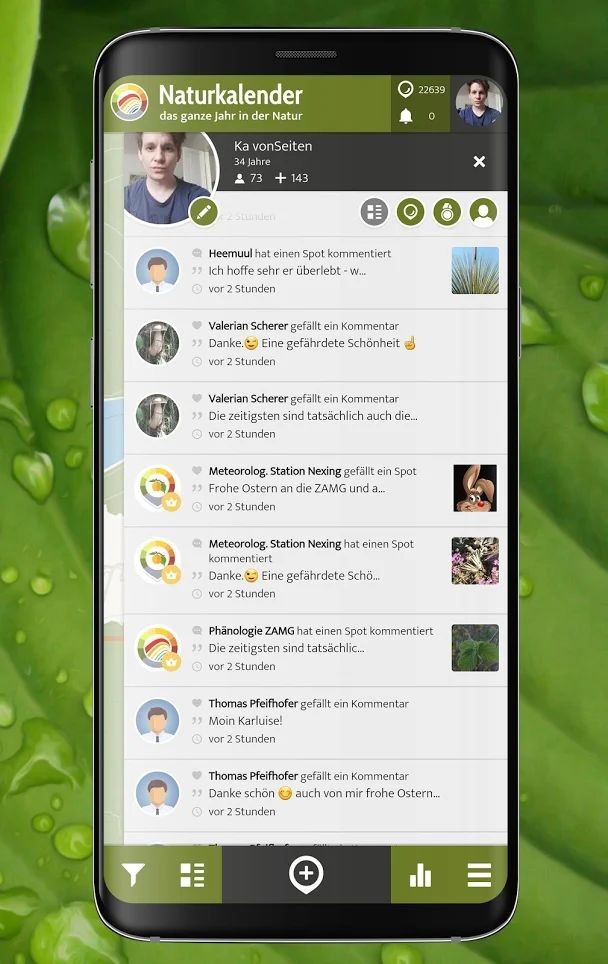
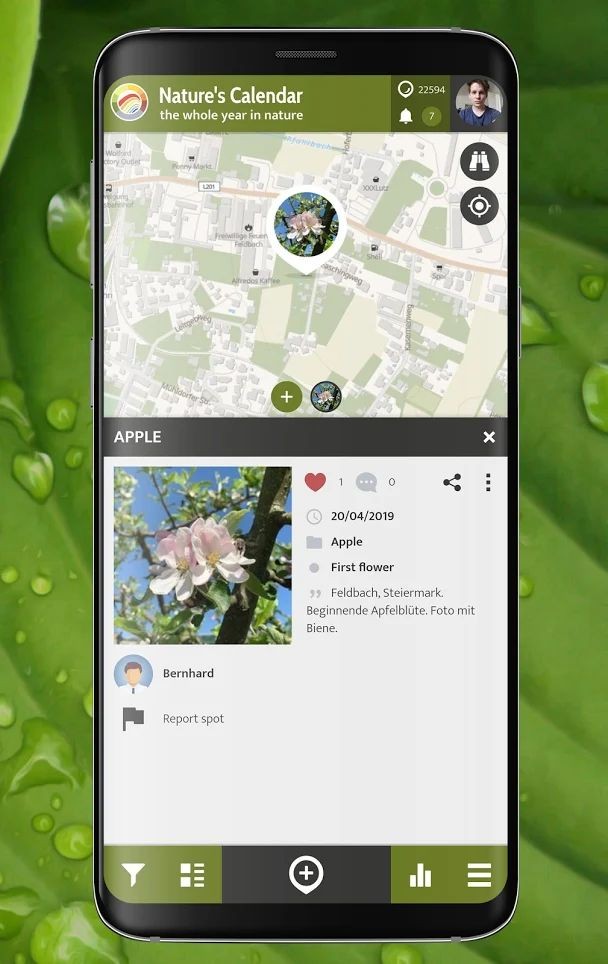
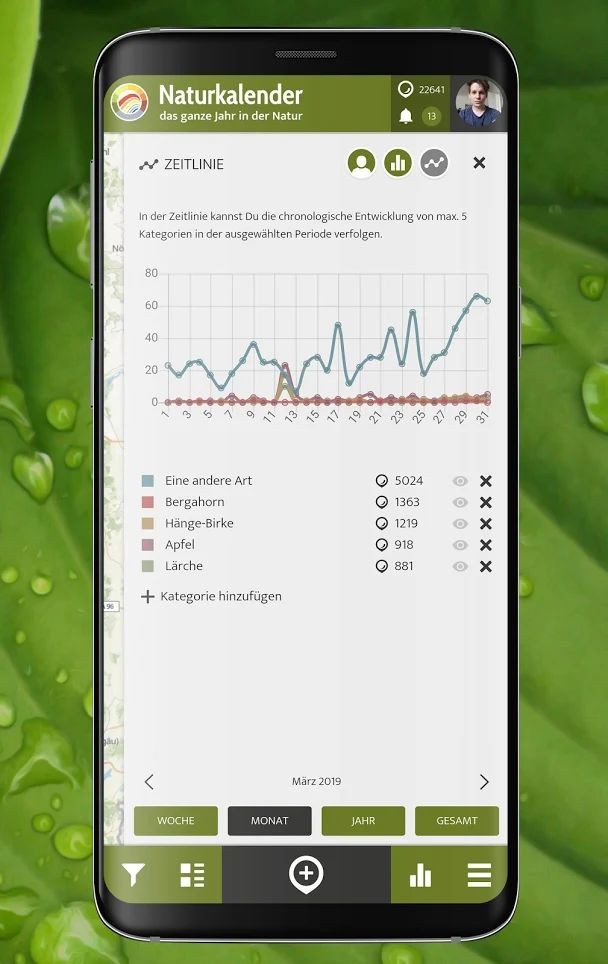
Nature's Calendar is one of the longest-running Citizen Science Apps on the SPOTTERON platform and the Austrian phenology App for interested Citizen Scientists who want to contribute to phenology and climate research by keeping a watch on their surroundings. Through Community Science observations like plants beginning to blossom, having fruits, starting to throw off leaves, or when animals are active, they support the Austrian Central Institution for Meteorology and Geodynamics´ data collection.
Learn more about the App here: https://www.spotteron.net/apps/global-community-science-projects/nature-s-calendar-zamg

Are you a scientist wanting to start your own community-based science project? We might have the right tools for you!
About the author

Related Posts
By accepting you will be accessing a service provided by a third-party external to https://www.spotteron.net/