SPOTTERON
Project Info & Read-mores

Inform beginners about your project's goals and lead to your project website with read-more link buttons
Integrated Info Panels

Integrate content from your project website directly as information pages in the App's Data Input Dialog (Package B).
Newsletter Subscription Tool

Users can subscribe to your newsletter and subscriber export as table format (CSV) in the Data Management Interface.
Project Push Messages

Send short messages to all users of your App at once directly to their smartphones with push notifications, website links, and emojis.
Interactive Science Communication
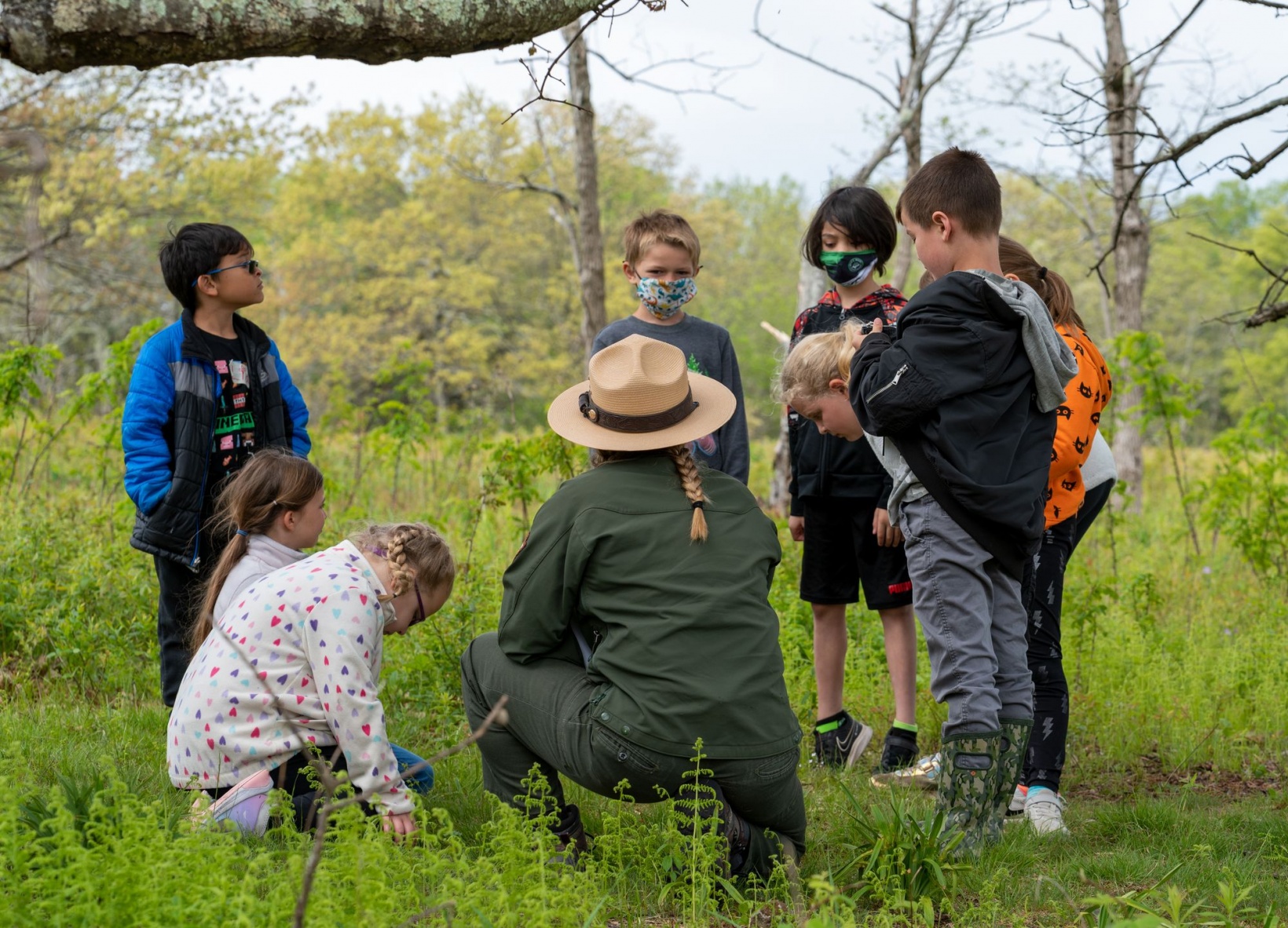
A big part of involving the public in an interactive project is communication. Enabling interactive Science Communication, e-Learning, and keeping participants in the loop makes it possible not exclusively to focus on data collection but to create positive impacts and foster change.
Privacy & Safety features

A set of integrated features allows reporting and blocking of community content for users for a safe community environment.
User Search

Users can search for other users in the App's community based on the user's name or optional profile information.
Emojis

Users can use Emojis in comments and for observation descriptions. For project administrators, push messages are also compatible with Emojis.
Badges & Achievements
Special rewards for ongoing user activity with popups displaying creative icons and witty messages
Community Leaderboards

Time-based leaderboards of most active users for motivation, contests, or rewards
Projects & Apps open for Co-Use on SPOTTERON


ArtSpots


With the COSEA App, Citizen Scientists can observe marine environments, document coastal habitats or species, and report on pollution, infrastructure and the blue economy. Their contributions on the map and activity in the app will help scientists better understand the impacts and drivers of marine factors to protect and foster a healthy relationship between humans and seas.
COSEA | Collaboration for Effective Sea Action



NatureSpots is a non-commercial and free project to discover nature together. In the app, nature photos and sightings of animals, plants or mushrooms can be shared with the community on the map. The app is a new initiative for observing nature and taking part is very simple and straightforward. The app is free of advertising, does not track users and takes digital privacy seriously.
NatureSpots


The new citizen participation uses "Citizen Science" in their hometown and nationwide to get User's feedback on places. As a result, citizens are empowered to become active in a city worth living in to collect and share data themselves and to interact with scientists. This enables them to recognize the consequences of sealing, heat, water shortages, and a lack of biodiversity, and generally, how places in their own environment affect us all.
CIVO Citizen Voice


The IPM-Popillia Horizon 2020 project aims to address the challenge of a new risk to plant health in Europe's agriculture and food safety: the invasion of the Japanese Beetle, Popillia japonica. This invasive species was introduced accidentally to mainland Europe in 2014 and can quickly spread by transportation and trade. As a species with a wide range of feeding plants, P. japonica threatens the entire agricultural sector, urban landscapes, and biodiversity in invaded areas.
IPM Popillia | Integrated Pest Management of the Japanese Beetle

Fridays for Future see itself as a horizontal, grassroots grassroots movement that acts apolitically and refers to science for the facts. To engage the global population more, this app was developed using SPOTTERON. The aim is to find out how the population perceives the climate crisis and which positive and negative emotions are associated with specific topics related to biodiversity and climate crisis.
FRIDAYS FOR FUTURE - Climate App