SPOTTERON
ICTA

The Institute of Environmental Science and Technology (ICTA-UAB) is a multidisciplinary centre that promotes academic research and postgraduate education in the environmental sciences. It aims to improve our understanding of global environmental change, and the nature and causes of environmental problems. In addition, it studies policies, strategies and technologies to foster a transition to a sustainable economy.
SUSKE

SUSKE CONSULTING is a nature conservation office in the areas of nature conservation, rural areas and awareness raising. Their experienced employees are part of a large network of national and international experts with whom they successfully work together on specific topics in our projects.
WaterLinx | Citizen Science

Using the WATERLINX APP will open up new insights into intricate interactions between different species of animals and plants and their environment by exploring the relations between water quality, species compositions in ecosystems, and human actions.
Ludwig Boltzmann Institut

The Ludwig Boltzmann Gesellschaft (LBG) is an Austrian network of specialized research institutes that are not part of a university. It was founded in 1961 and named after physicist Ludwig Boltzmann. In 1999, the Ludwig Boltzmann Gesellschaft comprised 131 institutes in the fields of medicine, humanities and social sciences.
DeVote

DeVOTE is a research project funded by the European Research Council (ERC) running from January 2021 to December 2025. The project is hosted by the Department of Government at the University of Vienna, a vibrant political science department dedicated to excellence in research and teaching. A research team led by the Principal Investigator Ass.-Prof. Carolina Plescia aims to provide first-time evidence on what ‘voting’ means for ordinary citizens.
Looking at what voting means for citizens in a variety of countries promises to provide a ground-breaking understanding of citizen-conceptualizations of representation and the psychology of voting that can challenge conventional wisdom about participation and voting as well as lead to practical implications for how elections are run and administered.
AGES
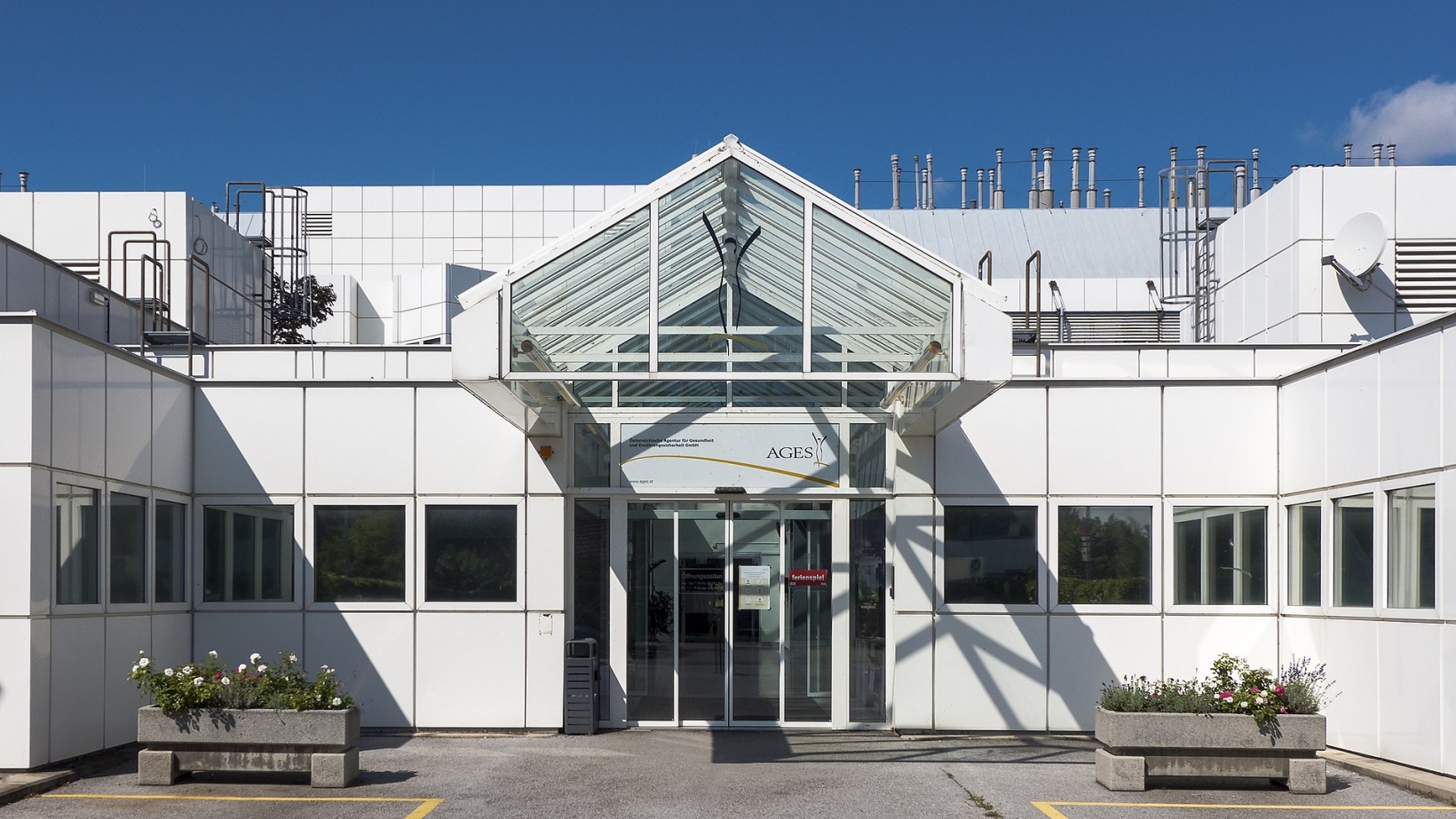
The Agency for Health and Food Security GmbH (AGES) was founded in 2002 in accordance with the Health and Food Security Act and is owned by the Republic of Austria. Its responsibilities extend to the areas of nutrition and food safety, human and animal health, drug supervision and radiation protection.
AGES itself does not act as an authority. The Federal Office for Food Safety and the Federal Office for Safety in the Health Care System, which carry out official tasks in the areas mentioned, are subordinate to it. In addition, AGES is also responsible for the office for veterinary certification.
AmphiApp
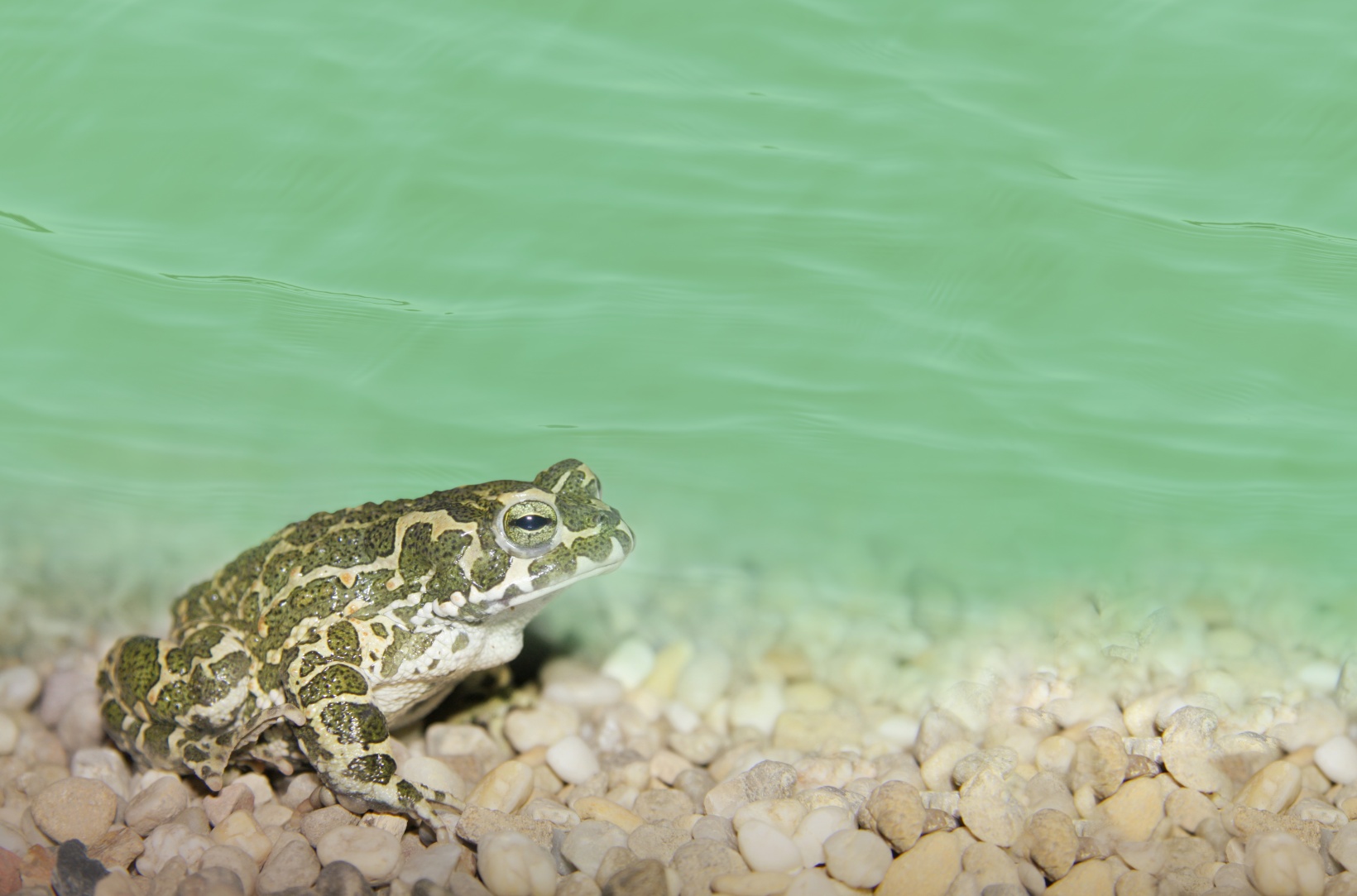
The AmphiBiom project aims to take an important step towards a comprehensive protection concept for the green toad. This involves an Austria-wide inventory and analysis of the habitat preferences of the critically endangered green toad, a typical pioneer species that can quickly colonize newly emerging waters.
CIVO Citizen Voice

The new citizen participation uses "Citizen Science" in their hometown and nationwide to get User's feedback on places. As a result, citizens are empowered to become active in a city worth living in to collect and share data themselves and to interact with scientists. This enables them to recognize the consequences of sealing, heat, water shortages, and a lack of biodiversity, and generally, how places in their own environment affect us all.
Green Growth Wildlife

The Green Growth Wildlife App intends to address Suriname's existing lack of a centralized system for biodiversity information. With the App, users can efficiently map and analyze the status of Suriname's unique wildlife by gathering data through it.
Self-maintained Project Website Sub-Section (Package B)

Option to host custom website sections for national project partners with self-maintenance access via the website's content management system (CMS)
Projects & Apps open for Co-Use on SPOTTERON


ArtSpots


With the COSEA App, Citizen Scientists can observe marine environments, document coastal habitats or species, and report on pollution, infrastructure and the blue economy. Their contributions on the map and activity in the app will help scientists better understand the impacts and drivers of marine factors to protect and foster a healthy relationship between humans and seas.
COSEA | Collaboration for Effective Sea Action



NatureSpots is a non-commercial and free project to discover nature together. In the app, nature photos and sightings of animals, plants or mushrooms can be shared with the community on the map. The app is a new initiative for observing nature and taking part is very simple and straightforward. The app is free of advertising, does not track users and takes digital privacy seriously.
NatureSpots


The new citizen participation uses "Citizen Science" in their hometown and nationwide to get User's feedback on places. As a result, citizens are empowered to become active in a city worth living in to collect and share data themselves and to interact with scientists. This enables them to recognize the consequences of sealing, heat, water shortages, and a lack of biodiversity, and generally, how places in their own environment affect us all.
CIVO Citizen Voice


The IPM-Popillia Horizon 2020 project aims to address the challenge of a new risk to plant health in Europe's agriculture and food safety: the invasion of the Japanese Beetle, Popillia japonica. This invasive species was introduced accidentally to mainland Europe in 2014 and can quickly spread by transportation and trade. As a species with a wide range of feeding plants, P. japonica threatens the entire agricultural sector, urban landscapes, and biodiversity in invaded areas.
IPM Popillia | Integrated Pest Management of the Japanese Beetle


Fridays for Future see itself as a horizontal, grassroots grassroots movement that acts apolitically and refers to science for the facts. To engage the global population more, this app was developed using SPOTTERON. The aim is to find out how the population perceives the climate crisis and which positive and negative emotions are associated with specific topics related to biodiversity and climate crisis.
FRIDAYS FOR FUTURE - Climate App