SPOTTERON
New Project Brushturkeys
A new project joined the platform this month. Find out mor about the Citizen Science apps to collect data on Australian Brushturkeys in our blog.
A new addition to the platform - Welcome Brushturkeys
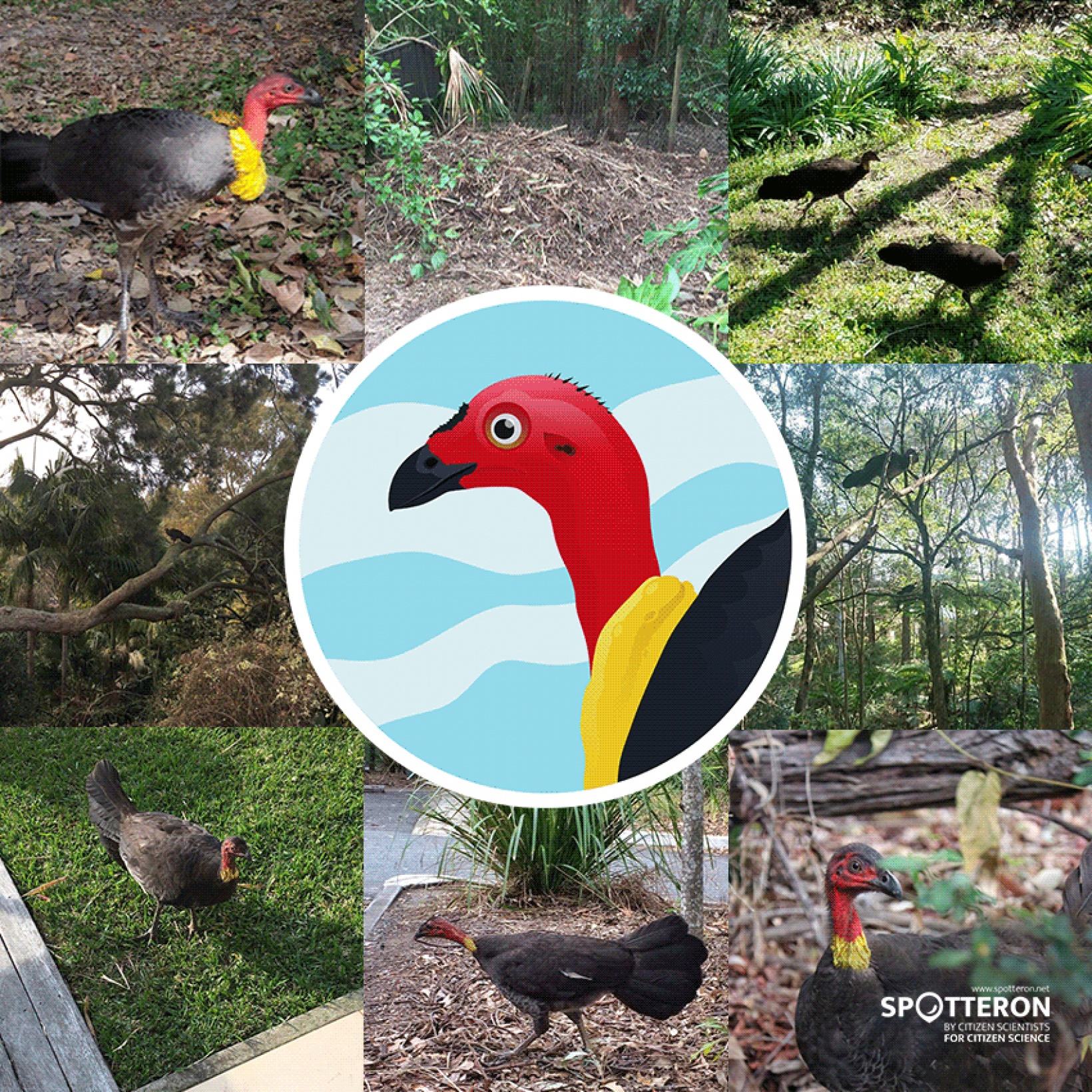
We are happy to welcome a new project to the SPOTTERON platform this month. As you can tell by the name, „Brushturkeys - birds in suburbia“ is all about Australian Brushturkeys extending their natural habitat, which usually includes rainforests and woodlands, to suburban areas.
New Partners
We just added some institutions with which we collaborate for #CitizenScience. You can find them in our Partners section.
Center for Human-Computer Interaction

The Center for Human-Computer Interaction is an interdisciplinary research group at the University of Salzburg. Established in 2005 as research unit at the former ICT&S Center, currently approx. 40 researchers study the interplay between humans and computers in order to enable desired interactions and explore desirable futures. The Center is directed by Professor Manfred Tscheligi who is a widely recognized expert in the field.
Australian Citizen Science Association (ACSA)

The Australian Citizen Science Association (ACSA) was formed to advance citizen science through the sharing of knowledge, collaboration, capacity building, and advocacy.
It was conceived at the Inaugural Citizen Science Workshop hosted by the Queensland Museum in Brisbane on May 6th, 2014. A large number of dedicated volunteers came together and formed working groups to actively develop the structure of ACSA and build awareness of Australian citizen science, both nationally and globally. It's a member-based community that supports, informs, and promotes citizen science. ACSA membership is open to citizen science project managers, volunteers, or anyone interested in citizen science.
Konrad Lorenz Forschungsstelle
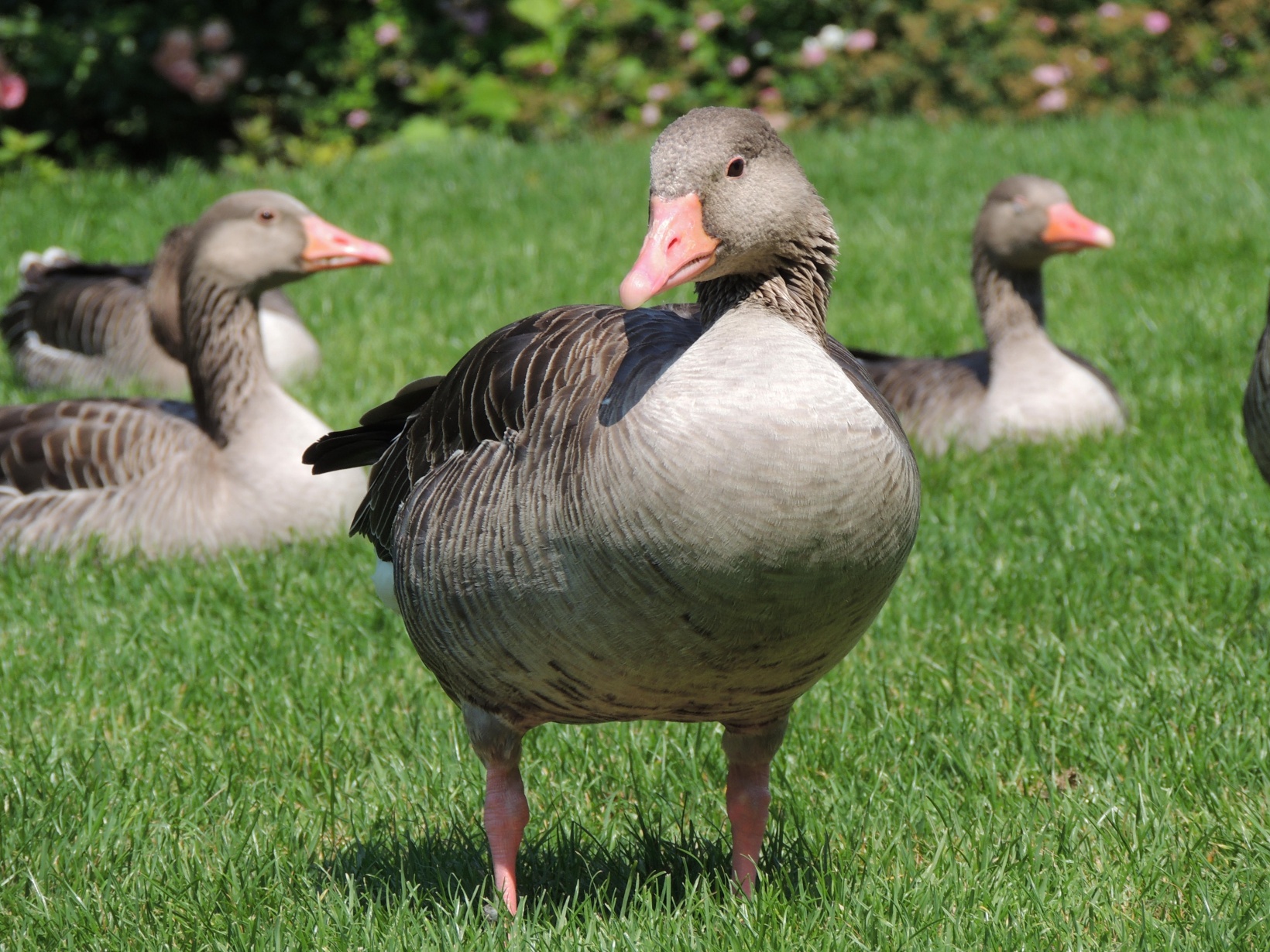
The Konrad Lorenz Research Center (KLF) was founded in 1973 when Konrad Lorenz retired and returned to Austria, looking for a suitable location for his research, which he found in the picturesque Grünau im Almtal, Upper Austria.
Since 2011, the Konrad Lorenz Research Center (KLF) officially belongs to the University of Vienna. About 20 researchers from Austria and around the world conduct exciting and widely acclaimed basic research on geese, ravens and the northern bald ibis that roam freely in the Almtal.
Forum CS
See you at #ForumCS? We just added a new blog article with information and links considering the "Forum Citizen Science", which will take place in Frankfurt on the 6th and 7th of September.
Hello there Frankfurt! See you at the #ForumCS
Hello there Frankfurt!
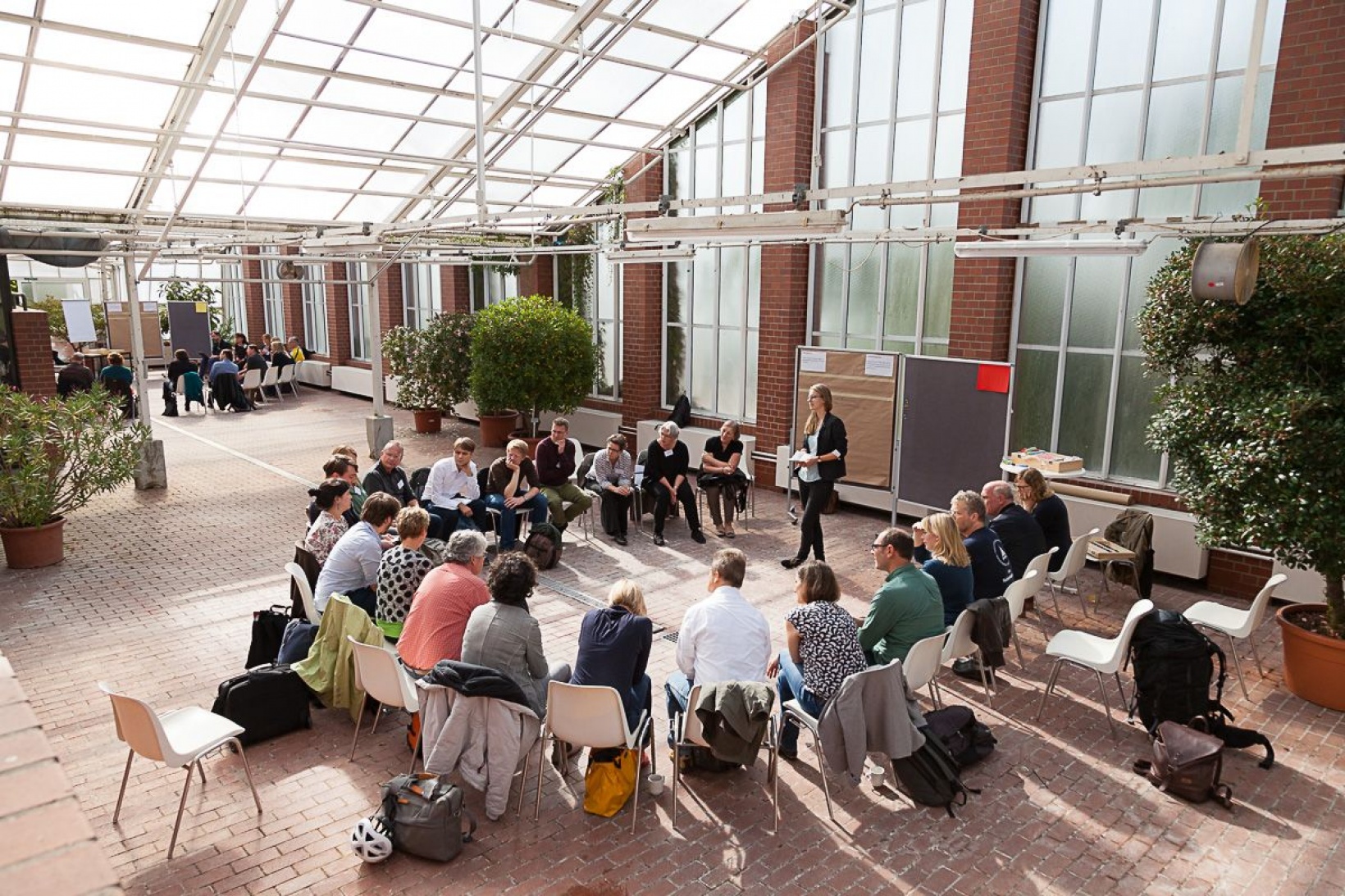
This Thursday and Friday, on the 6th and 7th of September, we will be in Frankfurt for the annual meetup of the German Citizen Science Community, the "Forum Citizen Science". We will be present during the entire conference, host a workshop and will also have a SPOTTERON stand.
Schweiz forscht

To get a better overview of Citizen Science in Switzerland and to better connect Citizen Science project creators, the "Citizen Science Network Switzerland" was founded, from which and the website schweiz-forscht.ch was later established. Since 2015 the office of Citizen Science Switzerland supervises the "Citizen Science Network Switzerland" and the website schweiz-froscht.ch, meanwhile it is also a point of contact for other interested parties like the media, universities, or Citizen Scientists themselves.
Österreich forscht

Since 2014 the Austrian Citizen Science platform can be found online under the domain www.citizen-science.at. On the website about 30 institutions collectively present themselves and work together to connect Citizen Science actors in Austria and international to promote and the quality of Citizen Science and further develop the method. In 2015 they held a first annual Austrian Citizen Science Conference.
Projects & Apps open for Co-Use on SPOTTERON


ArtSpots


With the COSEA App, Citizen Scientists can observe marine environments, document coastal habitats or species, and report on pollution, infrastructure and the blue economy. Their contributions on the map and activity in the app will help scientists better understand the impacts and drivers of marine factors to protect and foster a healthy relationship between humans and seas.
COSEA | Collaboration for Effective Sea Action



NatureSpots is a non-commercial and free project to discover nature together. In the app, nature photos and sightings of animals, plants or mushrooms can be shared with the community on the map. The app is a new initiative for observing nature and taking part is very simple and straightforward. The app is free of advertising, does not track users and takes digital privacy seriously.
NatureSpots


The new citizen participation uses "Citizen Science" in their hometown and nationwide to get User's feedback on places. As a result, citizens are empowered to become active in a city worth living in to collect and share data themselves and to interact with scientists. This enables them to recognize the consequences of sealing, heat, water shortages, and a lack of biodiversity, and generally, how places in their own environment affect us all.
CIVO Citizen Voice


The IPM-Popillia Horizon 2020 project aims to address the challenge of a new risk to plant health in Europe's agriculture and food safety: the invasion of the Japanese Beetle, Popillia japonica. This invasive species was introduced accidentally to mainland Europe in 2014 and can quickly spread by transportation and trade. As a species with a wide range of feeding plants, P. japonica threatens the entire agricultural sector, urban landscapes, and biodiversity in invaded areas.
IPM Popillia | Integrated Pest Management of the Japanese Beetle


Fridays for Future see itself as a horizontal, grassroots grassroots movement that acts apolitically and refers to science for the facts. To engage the global population more, this app was developed using SPOTTERON. The aim is to find out how the population perceives the climate crisis and which positive and negative emotions are associated with specific topics related to biodiversity and climate crisis.
FRIDAYS FOR FUTURE - Climate App