SPOTTERON
Video: Forum Citizen Science in Frankfurt, Germany
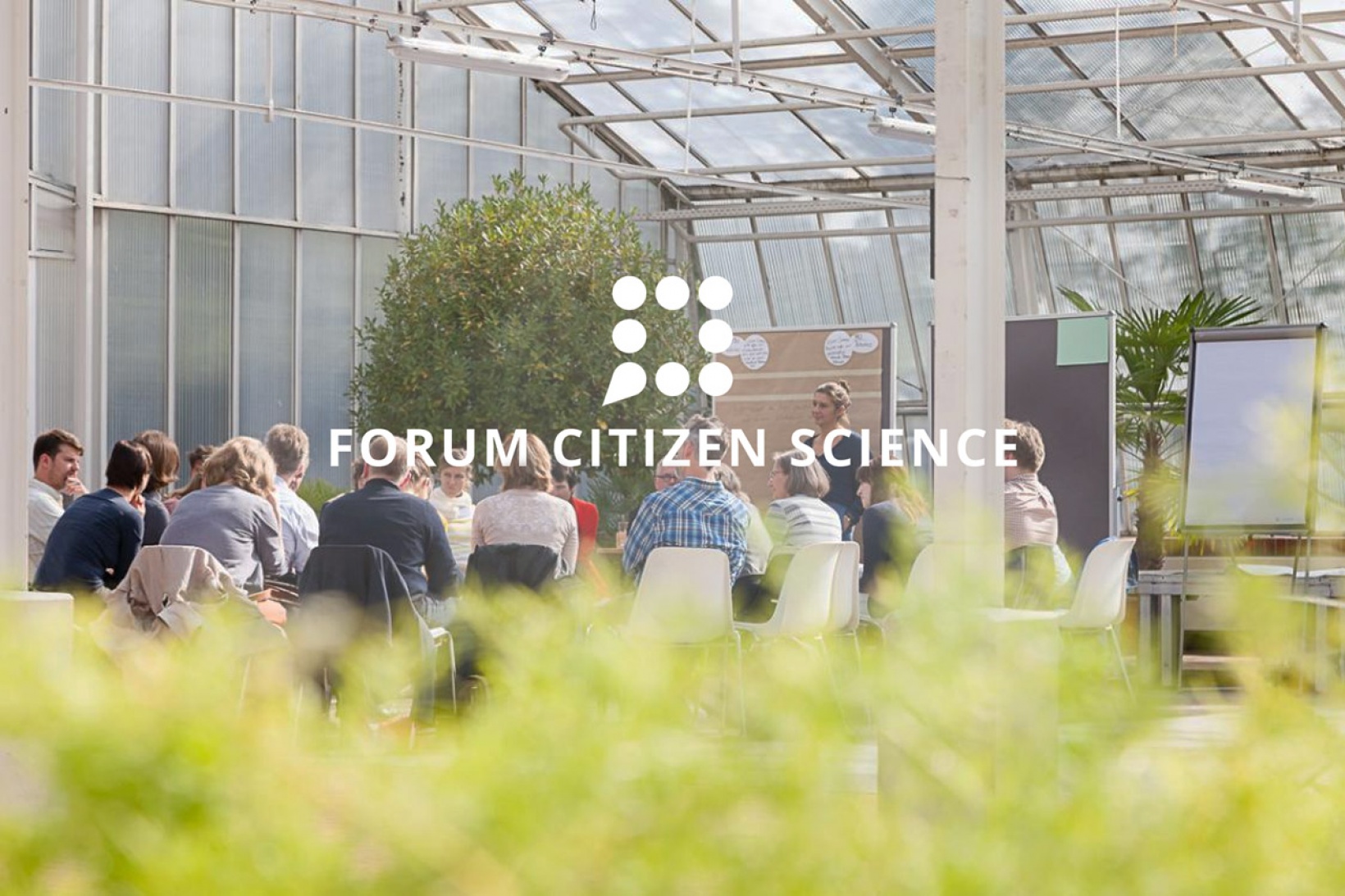
On 6th & 7th of September 2018, the "Forum Citizen Science" took place in Frankfurt, Germany, organised by the german Citizen Science hub "Bürger schaffen Wissen".
Project-Forum
You want to get in contact with other projects and take part in collaboratively shaping the SPOTTERON Citizen Science platform? We implemented a new project forum for this. Find out more in our blog article.
Preview: Offline Maps & Spots for Citizen Science Apps
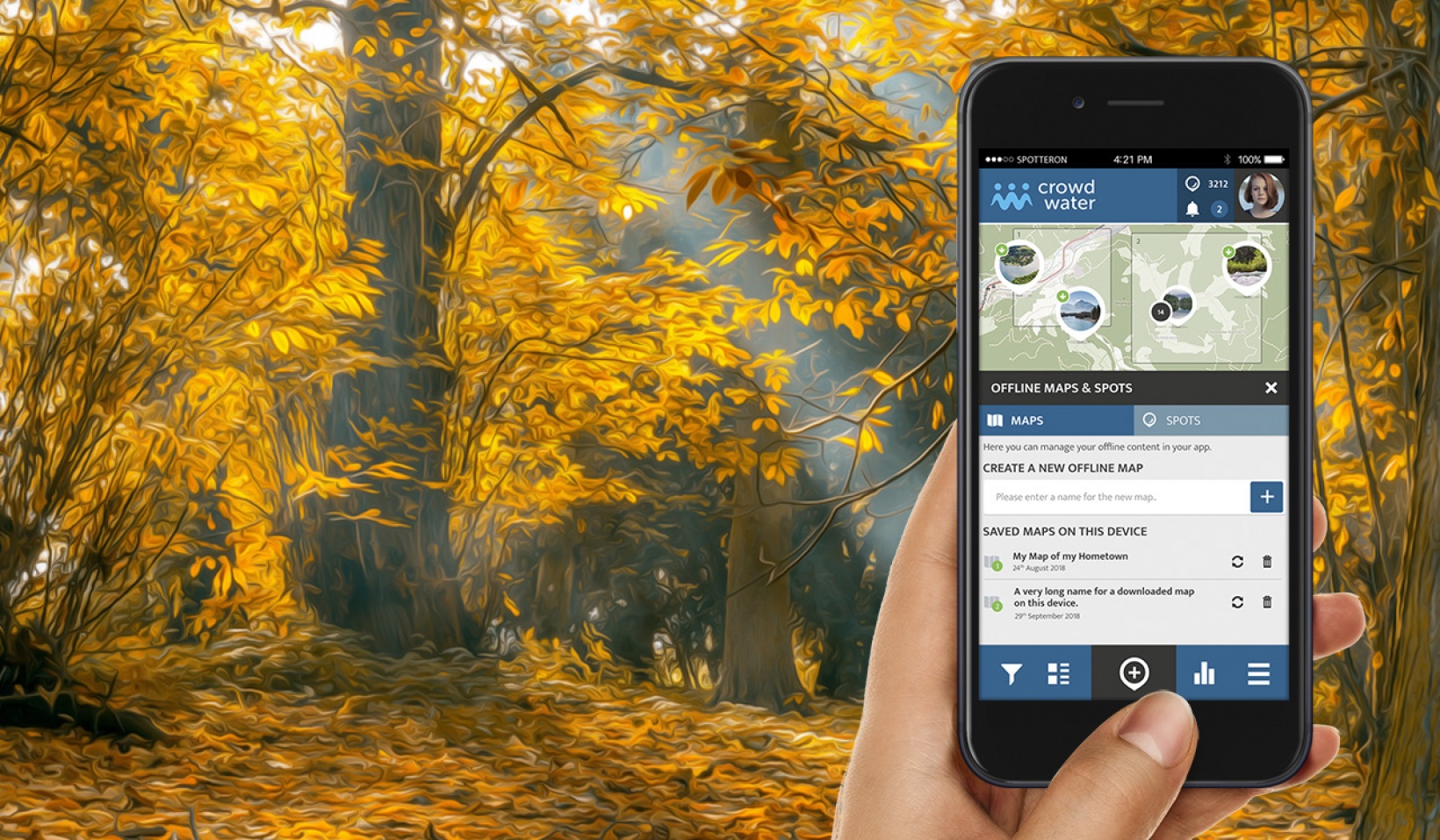
Citizen Science often happens out in the field where network coverage can be weaker. That's why it can be especially helpful and pratical to pre-download map sections and save them locally on a smartphone for excursions and hiking trips.
New Citizen Science project-forum on SPOTTERON

Communication is an important factor in the Citizen Science field, not only within the projects themselves, but also among project leaders. For this purpose we implemented a forum on our website in the summer of 2018, which internally functions as a platform for exchange, networking and feedback.
From paper sketch to Citizen Science observation data entry dialogue

Today we want to take you on a little trip in our blog. We want to take you on the journey of going from a paper sketch to a custom built Citizen Science observation entry dialogue alongside the most recent addition to the SPOTTERON Citizen Science platform - Brushturkeys.
App Manual
Did you know? We recently added something new as part of all SPOTTERON packages: a short app-manual for all interactive #CitSci projects on the platform. You can download an example PDF directly on our Citizen Science blog.
Get the Citizen Science app manual along with your project

We recently added something new as part of all SPOTTERON packages: a short app-manual for all interactive Citizen Science projects on the platform.
Server-side webstats (no user tracking by third parties)
We also provide you with server side webstats, so you have this data available, but there will be no user tracking by third parties integrated into your website.
GDPR compliance (cookie notification, consent check at forms)
We will take care of all matters of General Data Protection Regulation (GDPR) compliance, so you will not have to worry about cookie notifications or consent check at forms.
Custom project favicon (bookmark icon)
We will also design a custom favicon especially for your project.
Projects & Apps open for Co-Use on SPOTTERON


ArtSpots


With the COSEA App, Citizen Scientists can observe marine environments, document coastal habitats or species, and report on pollution, infrastructure and the blue economy. Their contributions on the map and activity in the app will help scientists better understand the impacts and drivers of marine factors to protect and foster a healthy relationship between humans and seas.
COSEA | Collaboration for Effective Sea Action



NatureSpots is a non-commercial and free project to discover nature together. In the app, nature photos and sightings of animals, plants or mushrooms can be shared with the community on the map. The app is a new initiative for observing nature and taking part is very simple and straightforward. The app is free of advertising, does not track users and takes digital privacy seriously.
NatureSpots


The new citizen participation uses "Citizen Science" in their hometown and nationwide to get User's feedback on places. As a result, citizens are empowered to become active in a city worth living in to collect and share data themselves and to interact with scientists. This enables them to recognize the consequences of sealing, heat, water shortages, and a lack of biodiversity, and generally, how places in their own environment affect us all.
CIVO Citizen Voice


The IPM-Popillia Horizon 2020 project aims to address the challenge of a new risk to plant health in Europe's agriculture and food safety: the invasion of the Japanese Beetle, Popillia japonica. This invasive species was introduced accidentally to mainland Europe in 2014 and can quickly spread by transportation and trade. As a species with a wide range of feeding plants, P. japonica threatens the entire agricultural sector, urban landscapes, and biodiversity in invaded areas.
IPM Popillia | Integrated Pest Management of the Japanese Beetle


Fridays for Future see itself as a horizontal, grassroots grassroots movement that acts apolitically and refers to science for the facts. To engage the global population more, this app was developed using SPOTTERON. The aim is to find out how the population perceives the climate crisis and which positive and negative emotions are associated with specific topics related to biodiversity and climate crisis.
FRIDAYS FOR FUTURE - Climate App