SPOTTERON
EU GDPR: Anonymization and deletion of accounts
Should a user decide that he wants to delete his/her account, of course we offer the possibillity of account deletion, but we will anonymize the data collected. We do this so you don't have to fear losing valuable data due to account deletion or any legal issues arising from continued use of that data.
EU GDPR compliance
Since SPOTTERON as a platform takes the role of "controller" - not just "processor" - for all user & community-based aspects, you don't have to worry about GDPR compliance. We will take care of it, so you don't have to worry about losing data if a user decides to delete his/her account.
Regular app updates for compatibility, stability and security

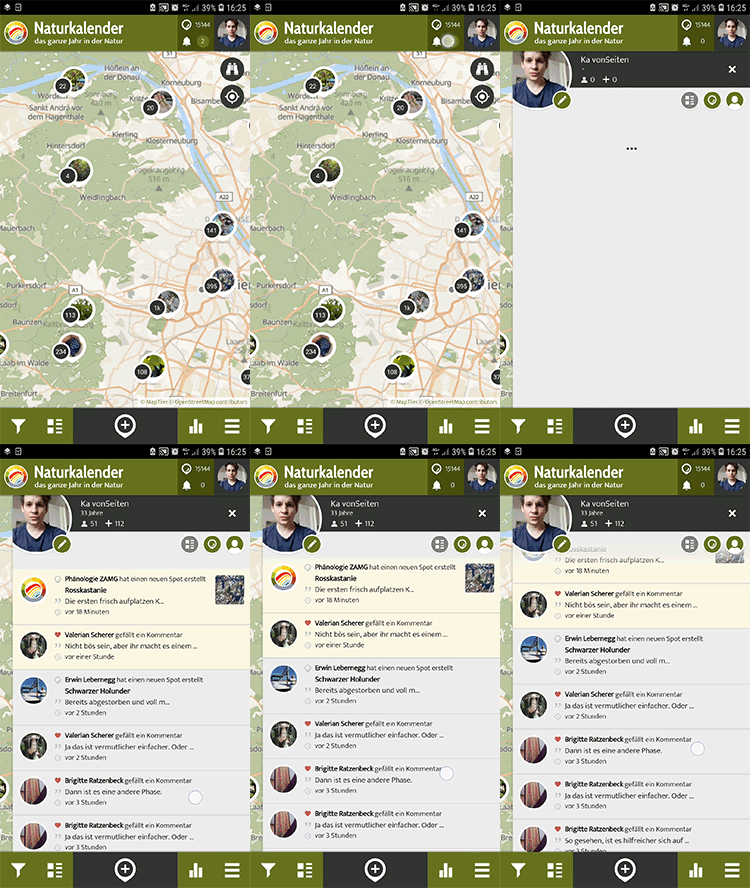
We will take care of regular app updates for compatibility, stability and security. This also means that we add new features of other projects in your apps.
Web-App: interactive map, embeddable in own homepage
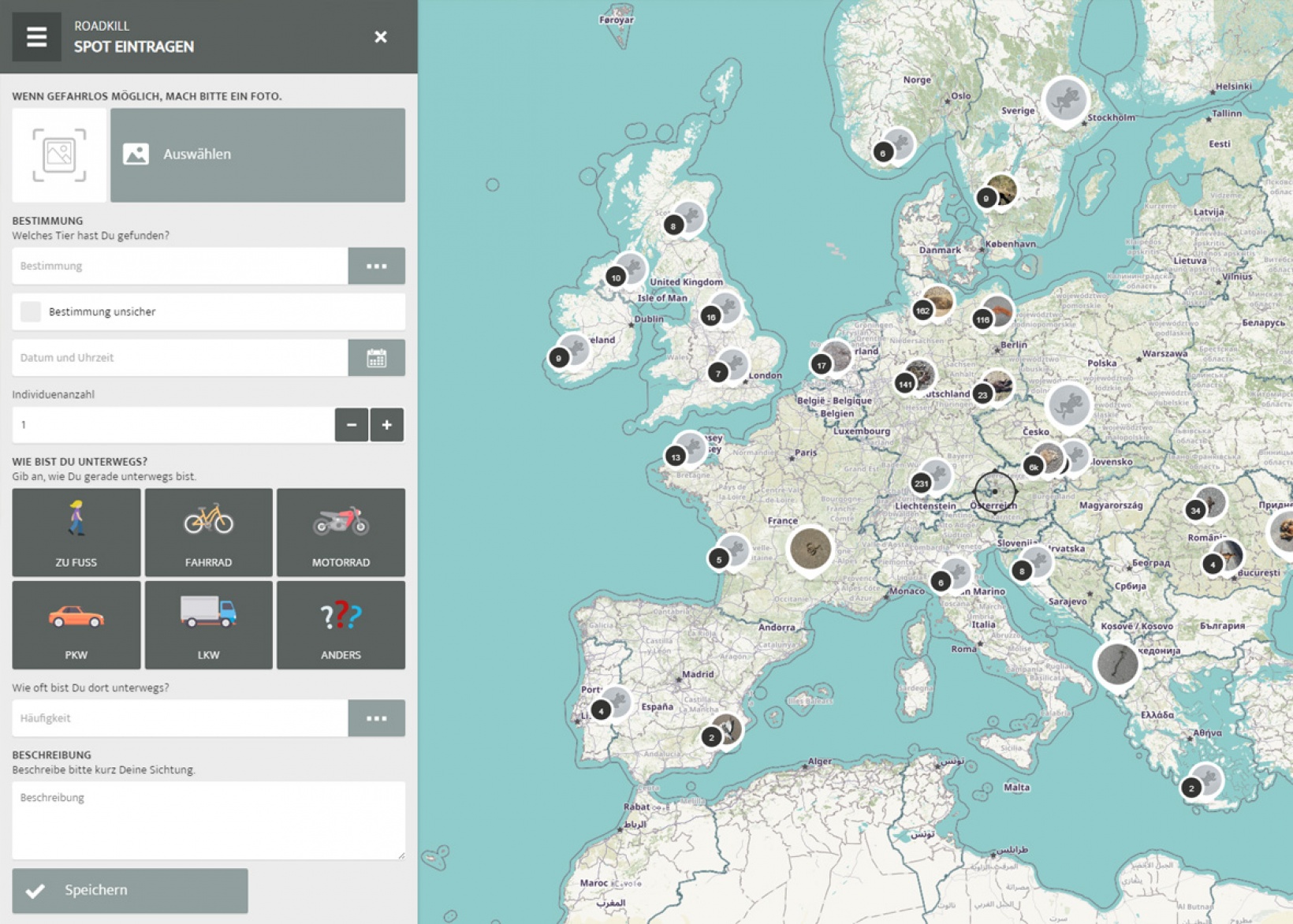
You will be able to embed the interactive map from the apps in your own homepage. This web-app will also allow entering data directly via a browser.
Custom app icon design with logo and project identity
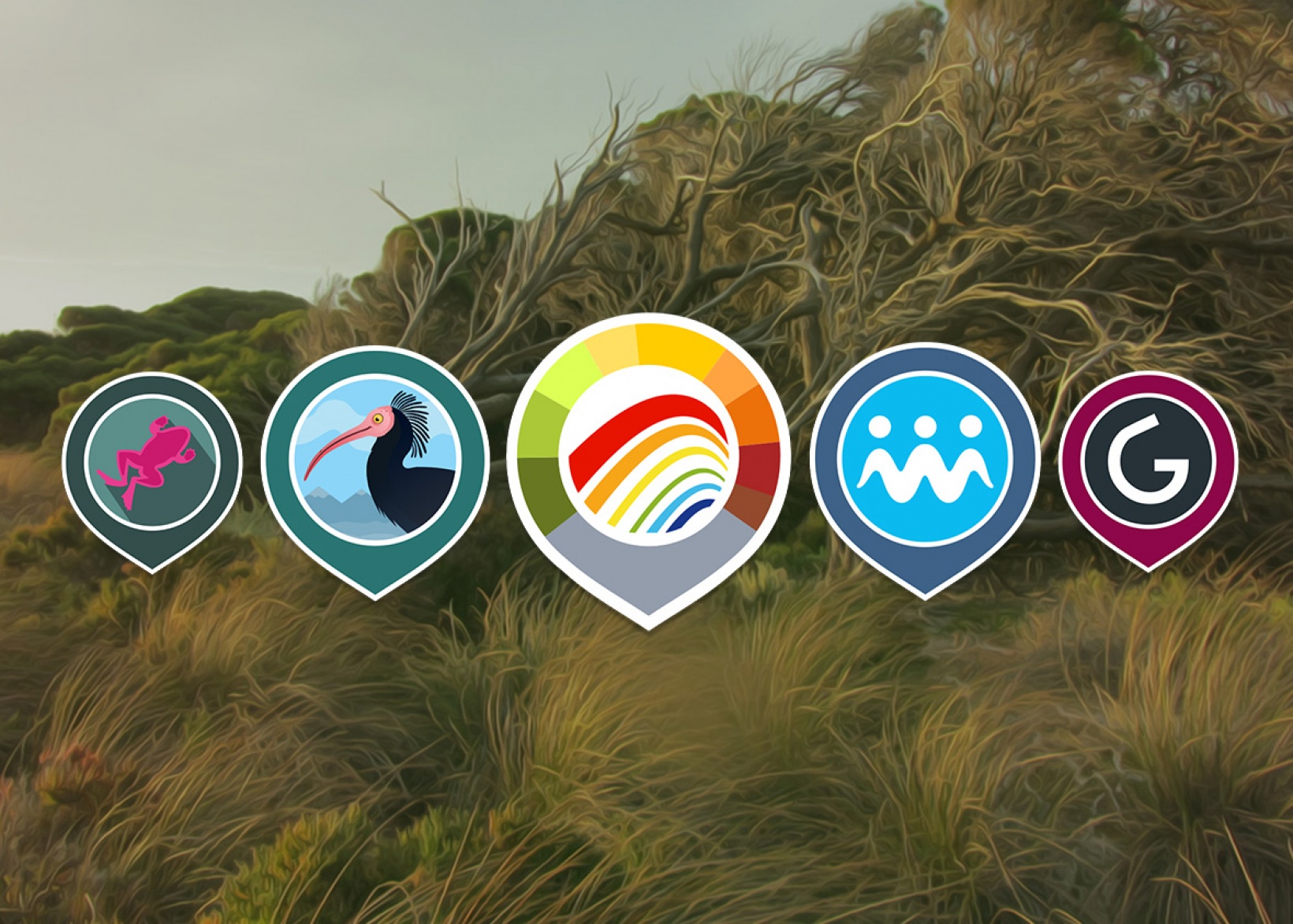
A logo and an app icon will be designed individually for the project and in accordance with the project's identity. Both the logo and the icon will be available to the project in multiple resolutions and can be used for promotional content or anything else for free.
Store setup with all necessary assets
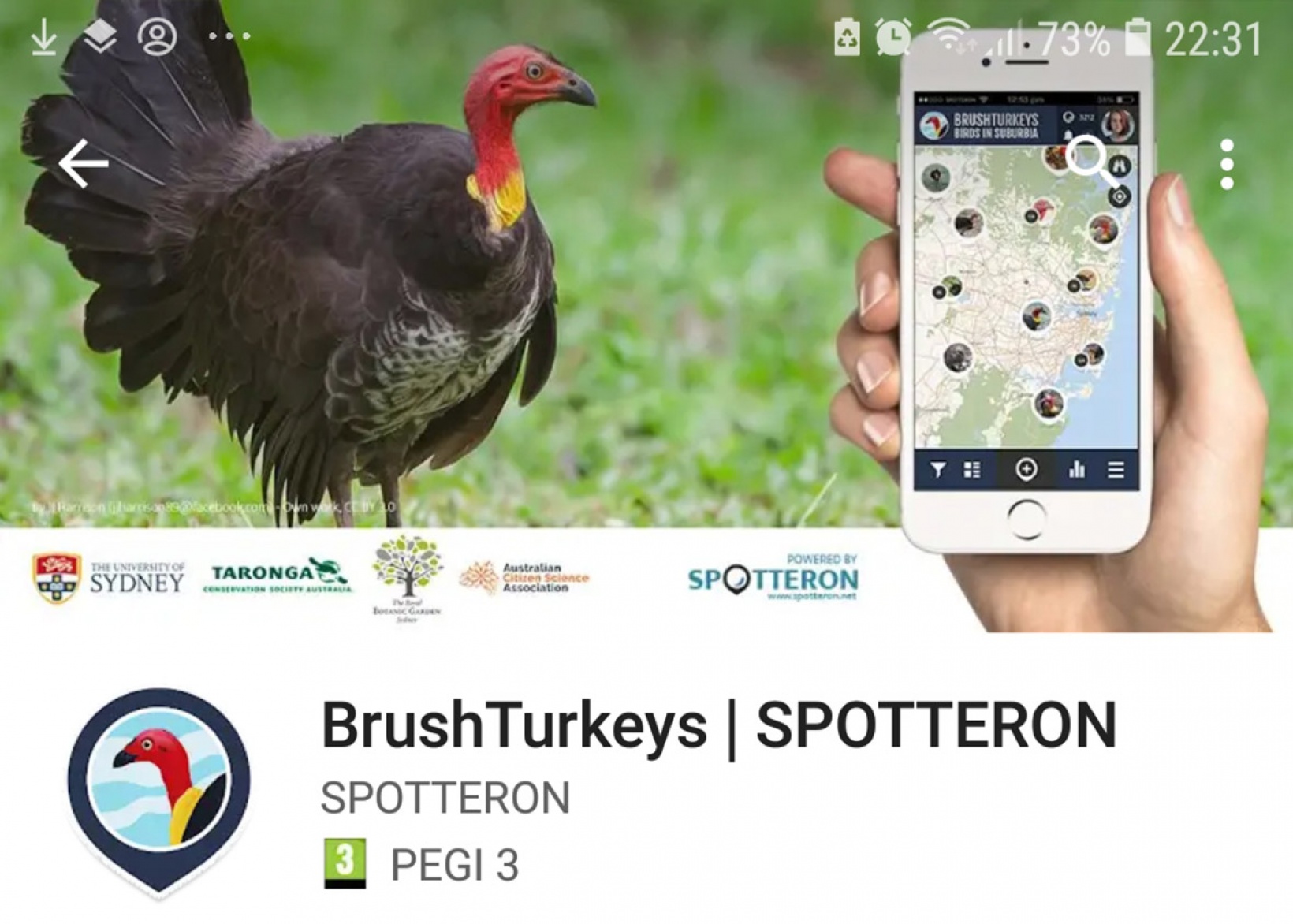
We will take care of getting your apps into the Android and Apple App store, including all assets necessary. This includes the icons, image teasers and more, which we design exclusively for your project.
Custom smartphone apps for Android and iOS
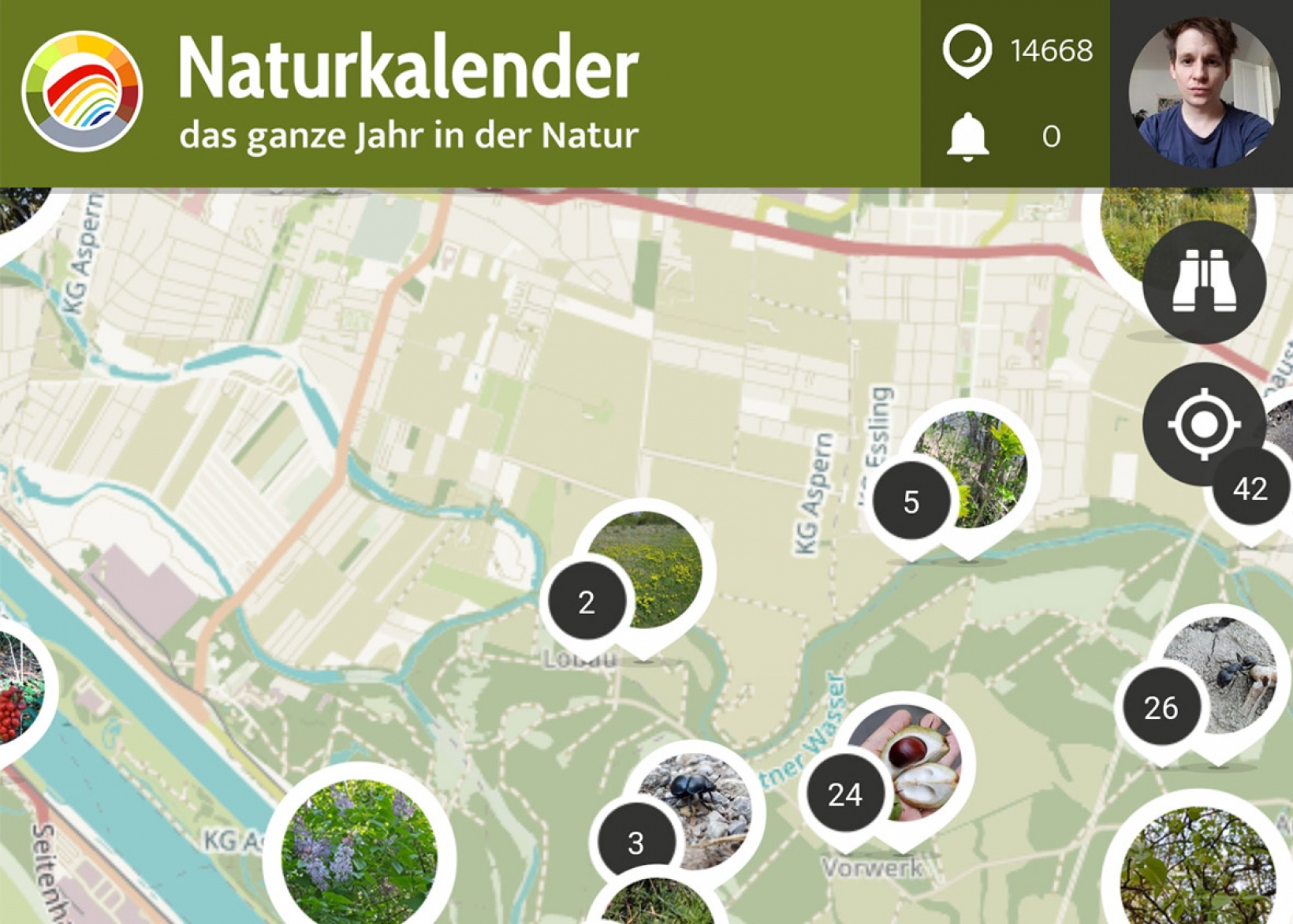
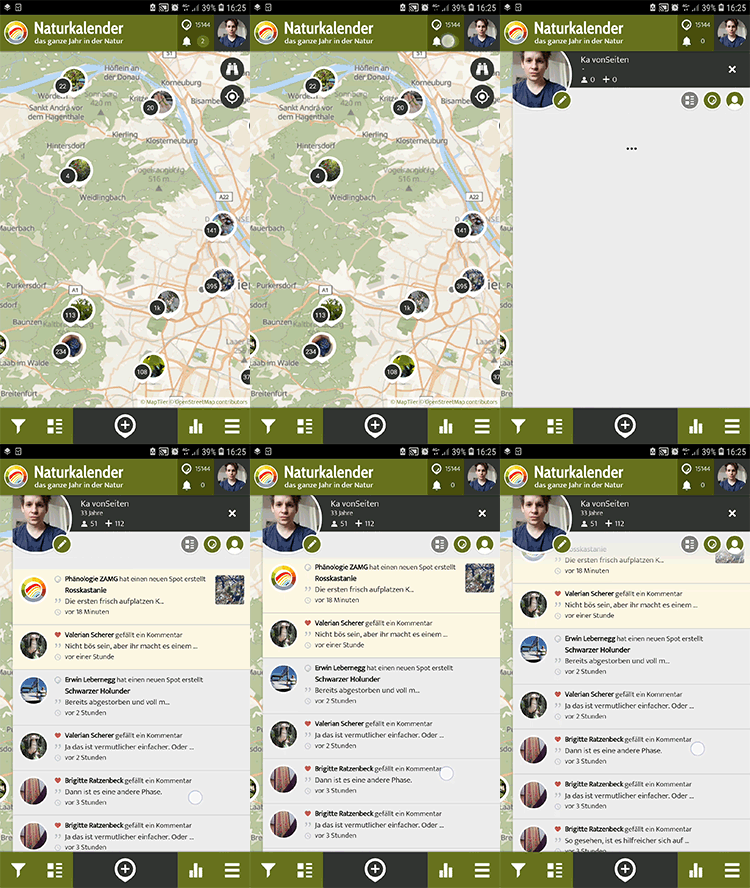
Custom smartphone apps for both Android and iOS are designed individually for projects and made available in the relevant stores. The design process also includes support, experience and expertise brought to the table in the process leading there, when projects need to come up with questionnaire structure and other structures.
LACON

The Lacon Team works closely together on big and small projects in the fields of ecology, environment protection and landscape architecture. On meadows, in the forest, out in the field, on construction sites or oin the office, zeal and team spirit always come along. They're a colourful mixture of experts that goes on nature exploration trips once a year.
University of Salzburg
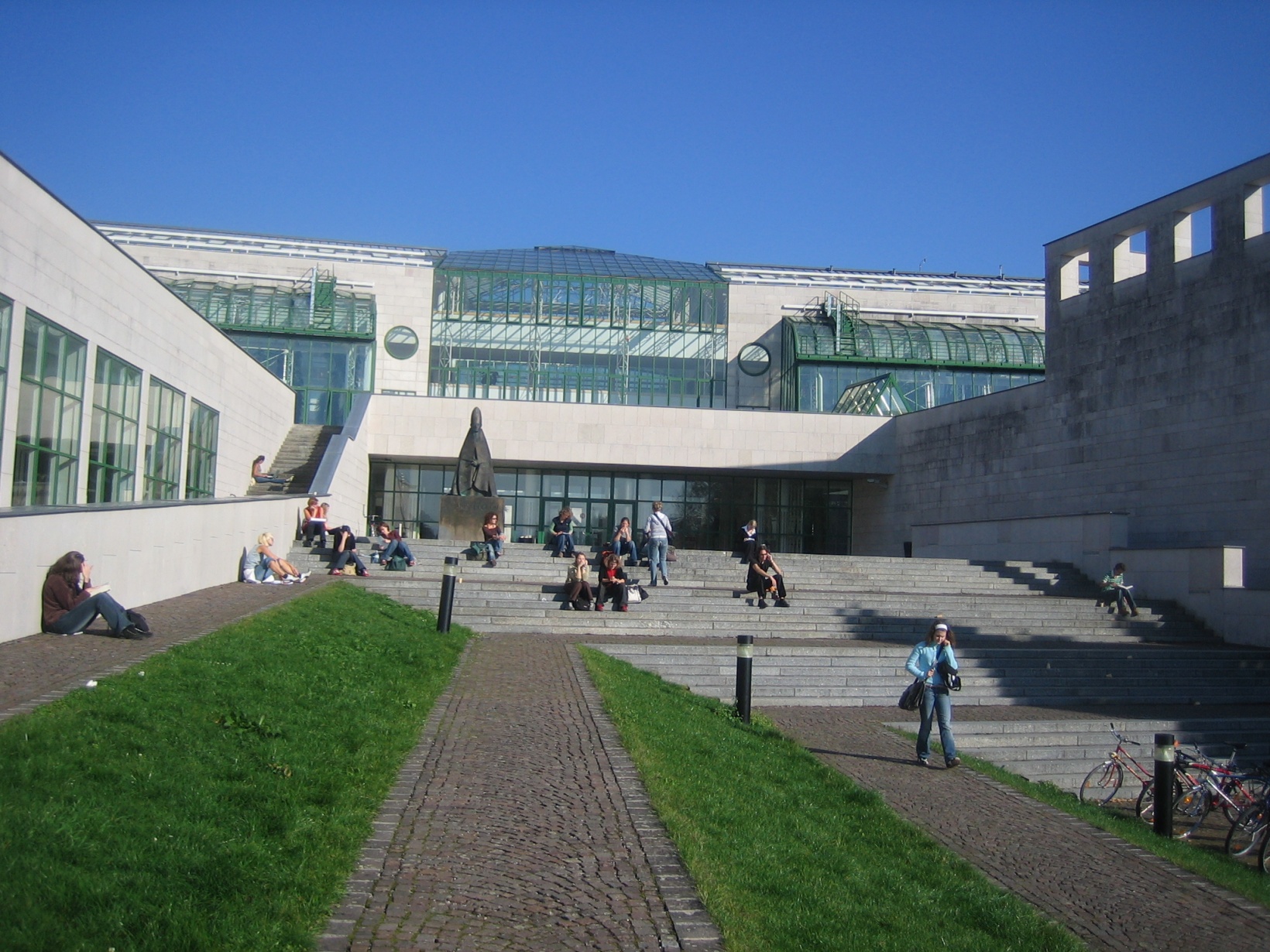
The University of Salzburg, also known as the Paris Lodron University of Salzburg (German: Paris-Lodron-Universität Salzburg, PLUS), named after its founder, Prince-Archbishop Paris Lodron, is a public university in Salzburg municipality, Salzburg state, Austria. It is divided into the four faculties Natural Sciences, Cultural and Social Sciences, Law and Catholic Theology. Established in 1622, the university was closed in 1810 and re-established in 1962. Today, it has around 18,000 students and 2,800 employees and is the largest educational institution in Salzburg state.
The University of Salzburg sees great potential for projects that bring together citizens with science. It is an excellent objective for the university to build a bridge between the academic world and society, which is why the University created it's own "Citizen Science Point of contact".
University of Zurich
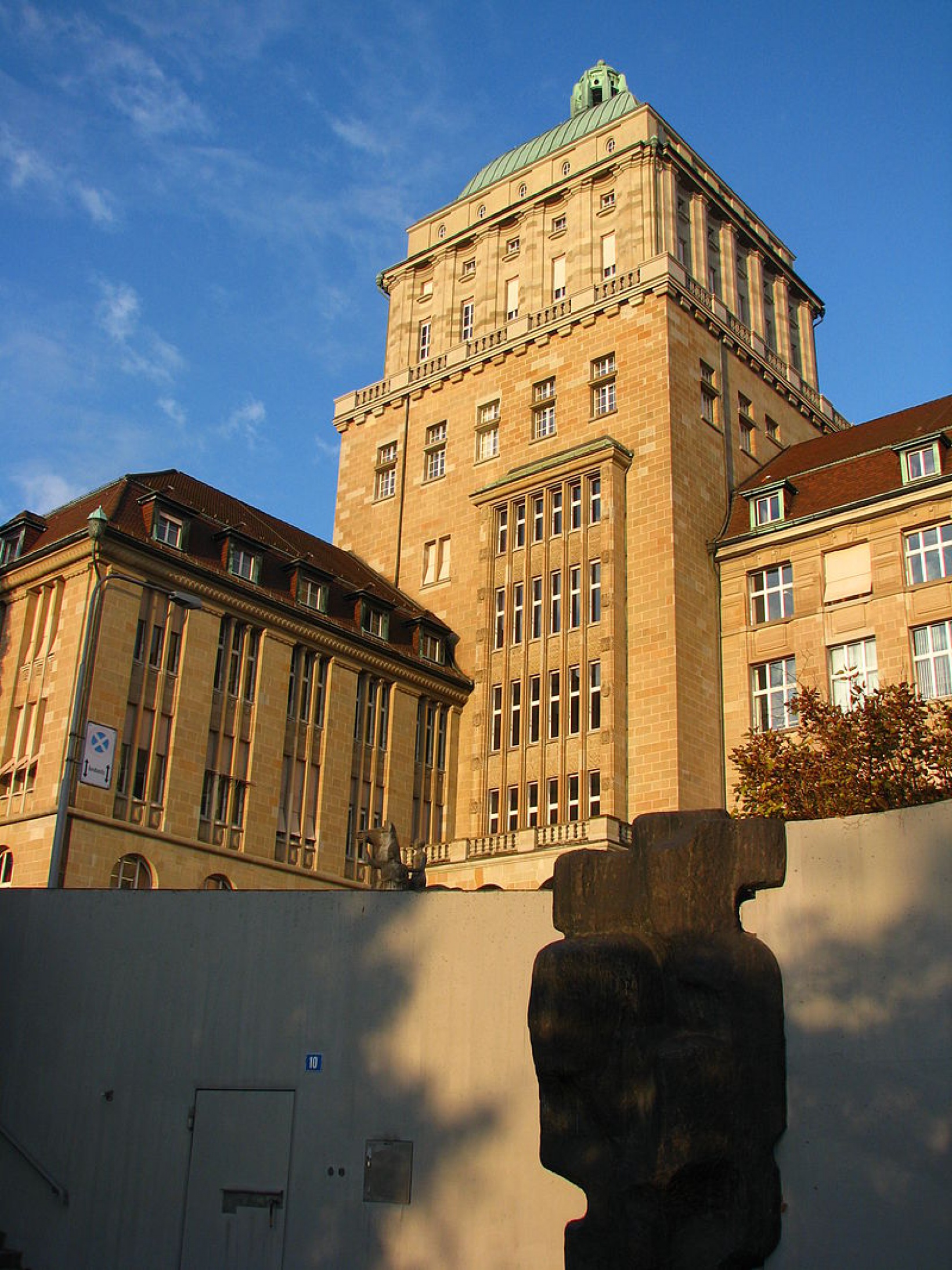
The University of Zurich (UZH, German: Universität Zürich), located in the city of Zürich, is the largest university in Switzerland, with over 26,000 students. It was founded in 1833 from the existing colleges of theology, law, medicine and a new faculty of philosophy. Currently, the university has seven faculties: Philosophy, Human Medicine, Economic Sciences, Law, Mathematics and Natural Sciences, Theology, and Veterinary Medicine. The university offers the broadest range of subjects and courses of any Swiss higher education institution. Since 2017 the University of Zurich has a Citizen Science Competence Center that aims at engaging academic scientists and the public in next-generation citizen science projects.
Projects & Apps open for Co-Use on SPOTTERON


ArtSpots


With the COSEA App, Citizen Scientists can observe marine environments, document coastal habitats or species, and report on pollution, infrastructure and the blue economy. Their contributions on the map and activity in the app will help scientists better understand the impacts and drivers of marine factors to protect and foster a healthy relationship between humans and seas.
COSEA | Collaboration for Effective Sea Action



NatureSpots is a non-commercial and free project to discover nature together. In the app, nature photos and sightings of animals, plants or mushrooms can be shared with the community on the map. The app is a new initiative for observing nature and taking part is very simple and straightforward. The app is free of advertising, does not track users and takes digital privacy seriously.
NatureSpots


The new citizen participation uses "Citizen Science" in their hometown and nationwide to get User's feedback on places. As a result, citizens are empowered to become active in a city worth living in to collect and share data themselves and to interact with scientists. This enables them to recognize the consequences of sealing, heat, water shortages, and a lack of biodiversity, and generally, how places in their own environment affect us all.
CIVO Citizen Voice


The IPM-Popillia Horizon 2020 project aims to address the challenge of a new risk to plant health in Europe's agriculture and food safety: the invasion of the Japanese Beetle, Popillia japonica. This invasive species was introduced accidentally to mainland Europe in 2014 and can quickly spread by transportation and trade. As a species with a wide range of feeding plants, P. japonica threatens the entire agricultural sector, urban landscapes, and biodiversity in invaded areas.
IPM Popillia | Integrated Pest Management of the Japanese Beetle


Fridays for Future see itself as a horizontal, grassroots grassroots movement that acts apolitically and refers to science for the facts. To engage the global population more, this app was developed using SPOTTERON. The aim is to find out how the population perceives the climate crisis and which positive and negative emotions are associated with specific topics related to biodiversity and climate crisis.
FRIDAYS FOR FUTURE - Climate App