SPOTTERON
Stockholm University
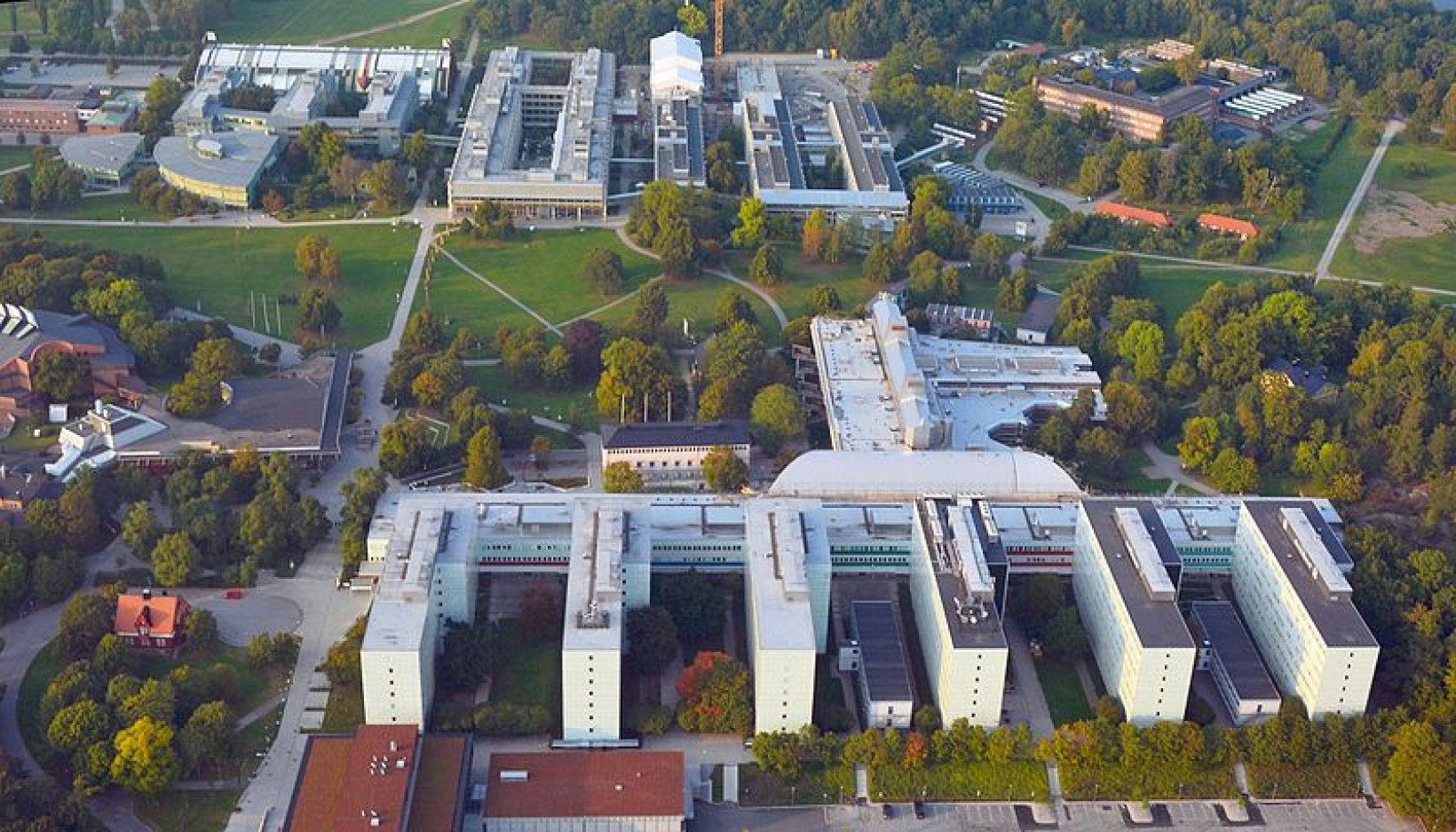
Stockholm University (Swedish Stockholms universitet) is a public university in Stockholm, Sweden, founded as a college in 1878, with university status since 1960. Stockholm University has two scientific fields: the natural sciences and the humanities / social sciences. With over 70,000 students at four different faculties: law, humanities, the mathematical, and natural sciences, it is one of the largest universities in Scandinavia. The institution is regarded as one of the top 100 universities in the world by the Academic Ranking of World Universities (ARWU, QS World University Rankings and the Times Higher Education World University Rankings (THE). As with other public universities in Sweden, Stockholm University's mission includes teaching and research anchored in society at large.
Citizen Science has a long tradition in Sweden having been practiced since the mid 18th century and is, therefore, an integral part of Stockholm University.
Central Institution for Meteorology and Geodynamics
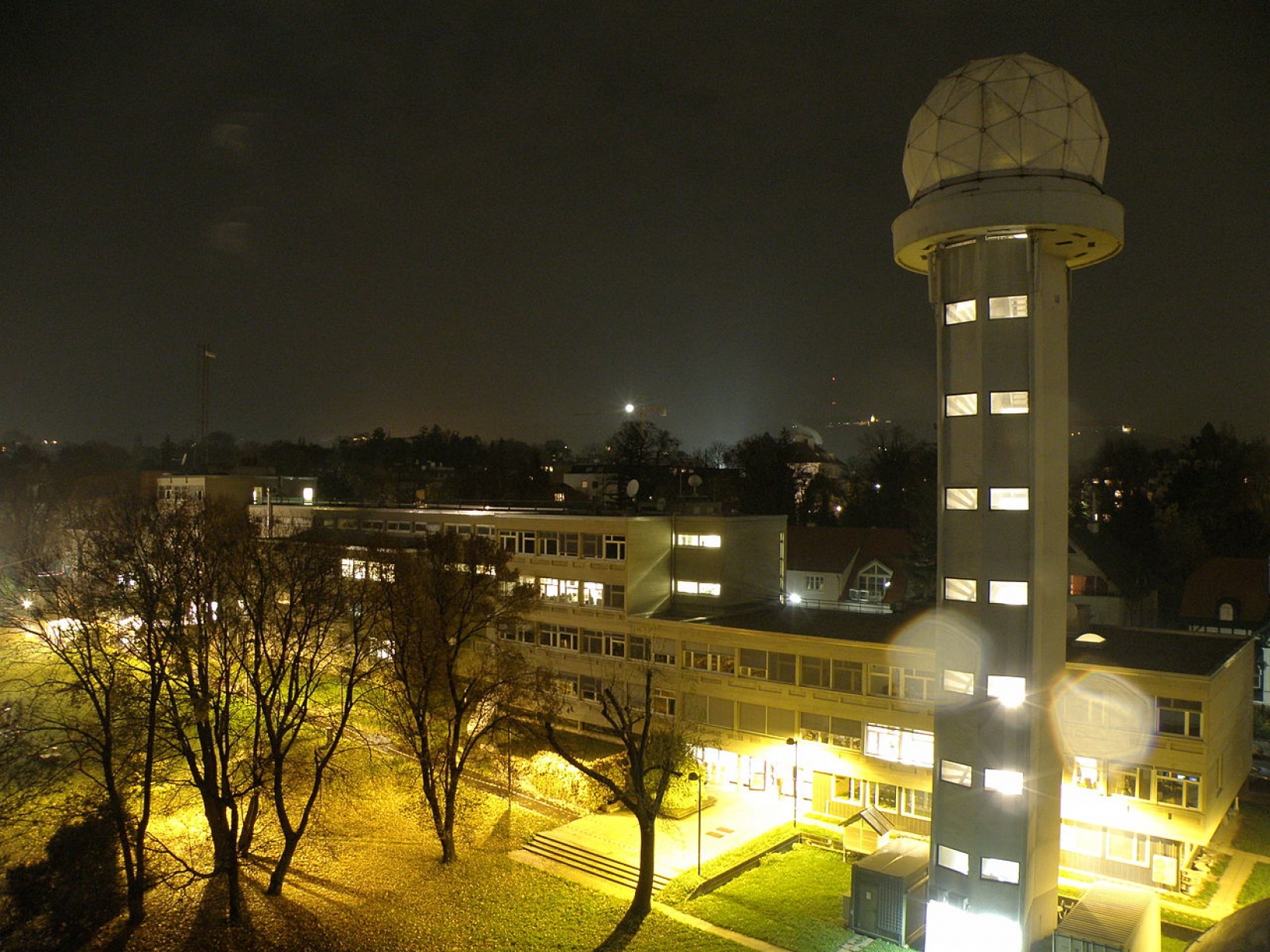
The Central Institution for Meteorology and Geodynamics (German: Zentralanstalt für Meteorologie und Geodynamik, ZAMG) is the national meteorological and geophysical service of Austria. It is a subordinate agency of the Austrian Federal Ministry for Science and Research. The ZAMG headquarters are located in Vienna, with regional offices in Salzburg, Innsbruck, Graz, and Klagenfurt. ZAMG was founded in 1851 and is the oldest weather service in the world. Its task is not only to operate monitoring networks and to conduct research in various fields, but also to make the results available to the public.
ZAMG has a long tradition of involving the general public in their research - whether it's observing nature, the weather or earthquakes, dating back as early as 1897. Their research is not only of scientific importance; it also presents a useful tool for agricultural purposes or anybody else who might be interested.
Global 2000
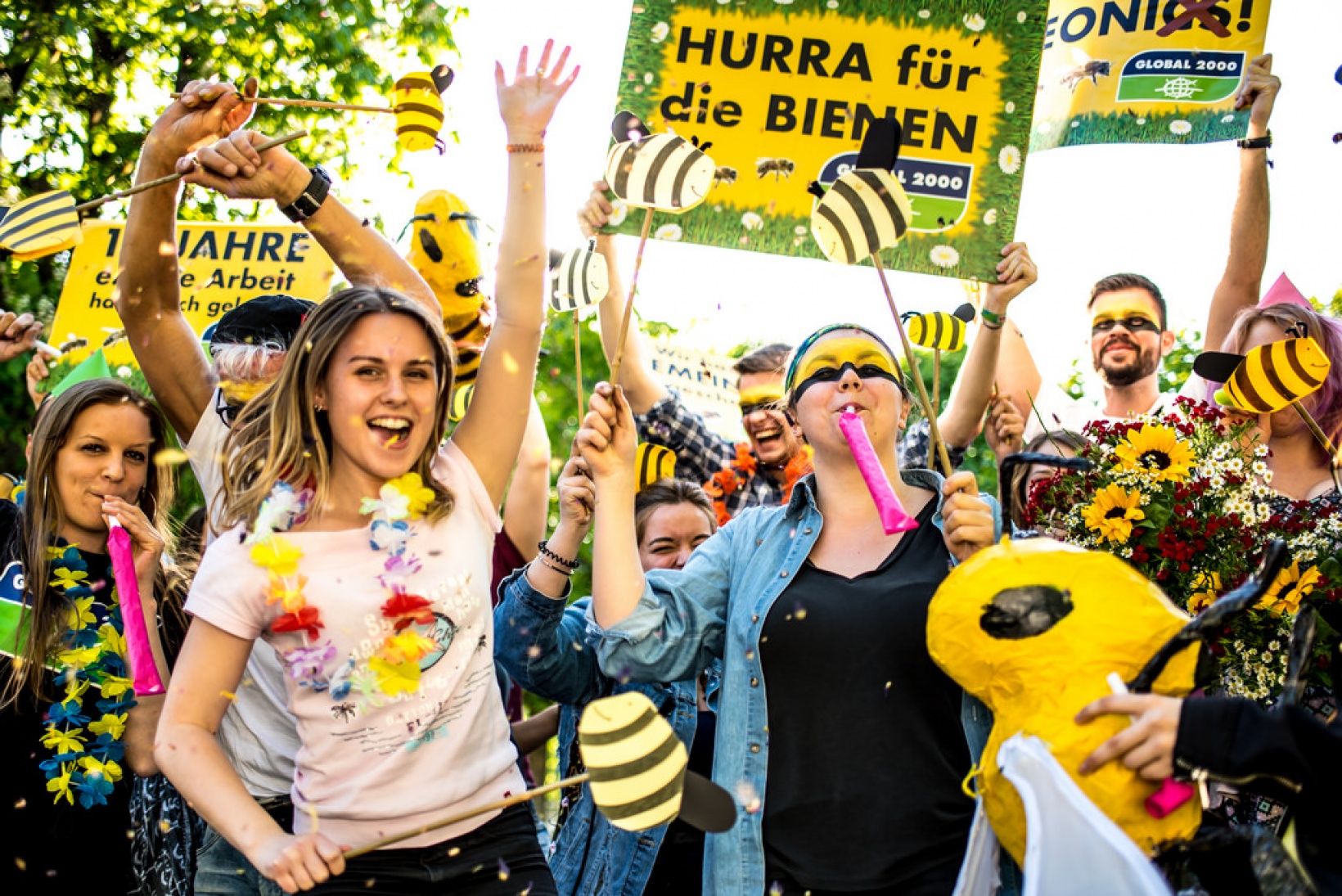
GLOBAL 2000 is an Austrian environmental organisation. It was founded in 1982 in Vienna and consists of the associations "GLOBAL 2000 Umweltschutzorganisation" (environmental organisation) and "GLOBAL 2000 Umweltforschungsinstitut (UFI)" (environmental research institute founded in 1991). The organisation claims to work independently and critically for a green, sustainable and healthy environment. Since 1998 it also is member of the worldwide environmental protection network Friends of the Earth and thereby a sister organisation of BUND(Germany) and Pro Natura (Switzerland).
University of Natural Resources and Life Sciences, Vienna
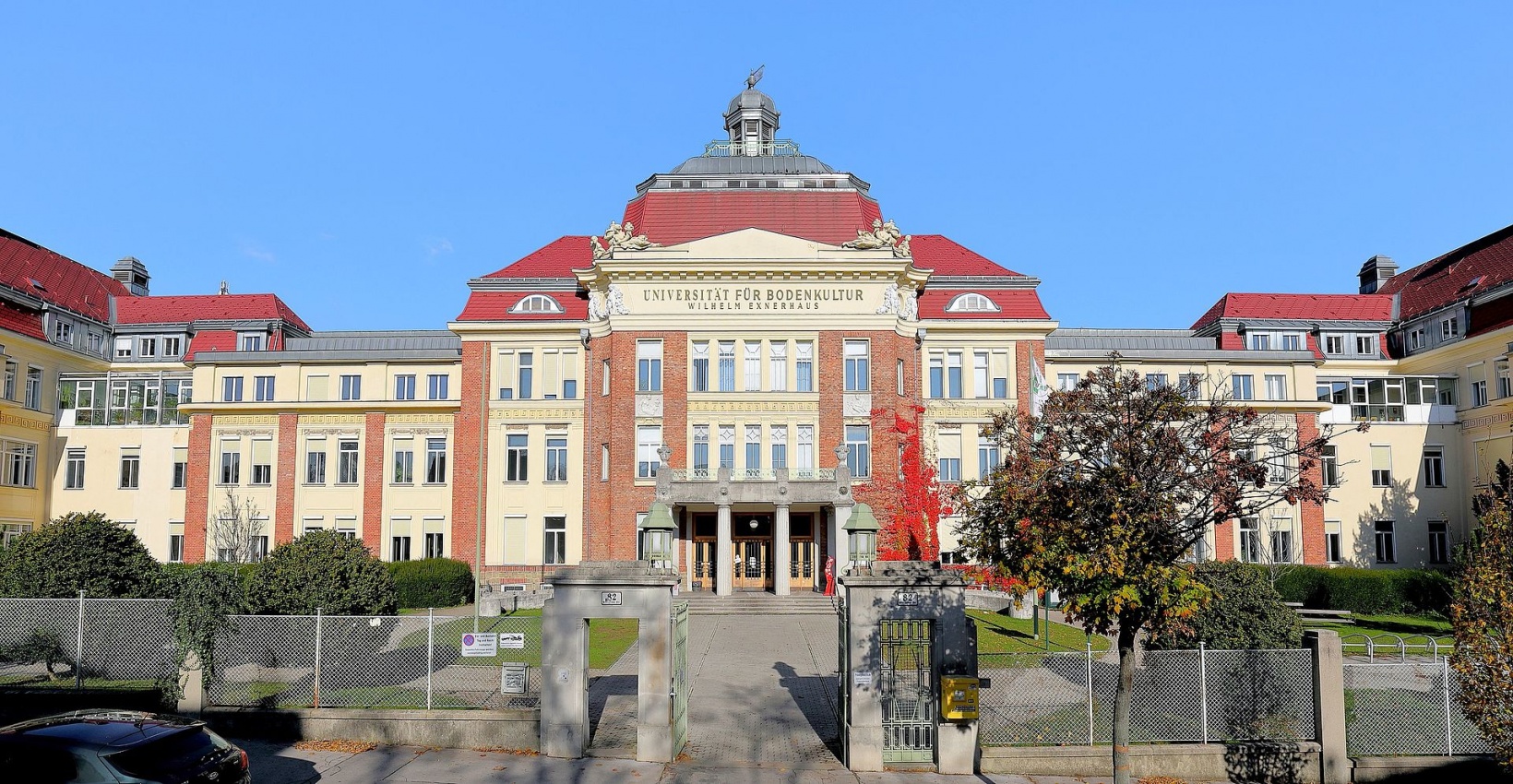
The University of Natural Resources and Life Sciences, Vienna, or simply BOKU (derived from its German name, Universität für Bodenkultur Wien, founded in 1872, is an education and research center for renewable resources in Vienna, Austria. BOKU combines fundamental and applied expertise in the fields of natural sciences, engineering and biotechnology as well as social and economic sciences to enhance the knowledge basis for sustainable management of natural resources. It is a member of the leading Euroleague for Life Sciences (ELLS) university network. There are currently around 12,500 students from over 100 countries enrolled at BOKU.
Citizen Science has a long tradition at BOKU. In addition to individual projects from a wide range of disciplines, BOKU also includes research areas in which citizen participation has always been part of the research concept.
Therefore, it was a logical step for BOKU to support the platform "Österreich forscht" and the Citizen Science Network Austria, which aims to promote this type of research across all institutions.
Link: https://boku.ac.at
University of Vienna
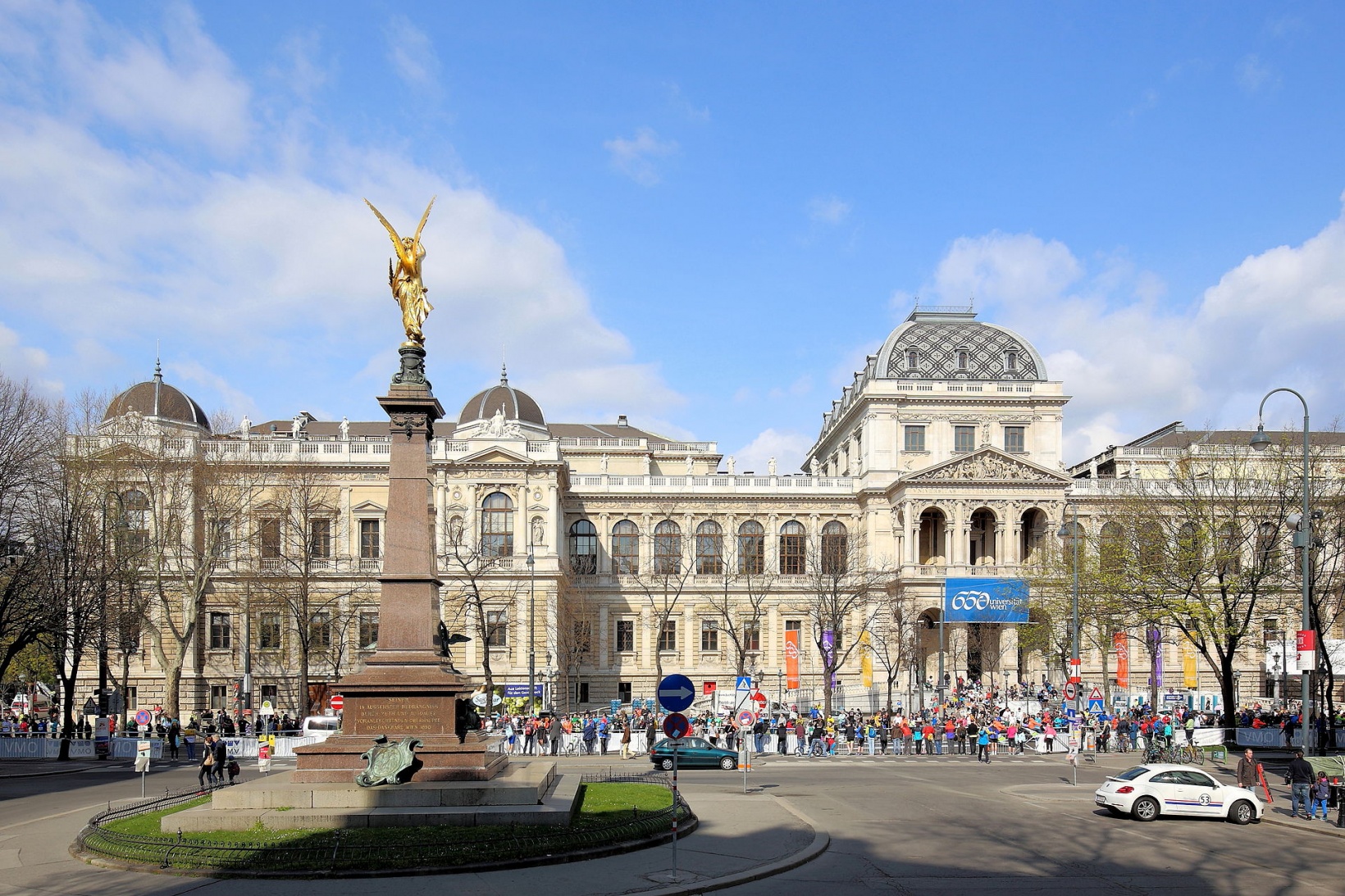
The University of Vienna (German: Universität Wien) is a public university located in Vienna, Austria. It was founded by Duke Rudolph IV in 1365 and is one of the oldest universities in the German-speaking world. With its long and rich history, the University of Vienna has developed into one of the largest universities in Europe, and also one of the most renowned, especially in the Humanities. It is associated with 15 Nobel prize winners and has been the academic home to a large number of scholars of historical as well as of academic importance. In 2017 they joined Citizen Science Network Austria with an ever increasing number of projects.
Free Quotation
Get a free quotation for your Citizen Science project based on the SPOTTERON platform, inculding smartphone apps, the interactive map (web-app) and an optional browser website here: Free Citizen Science quotation form
Get a free quote
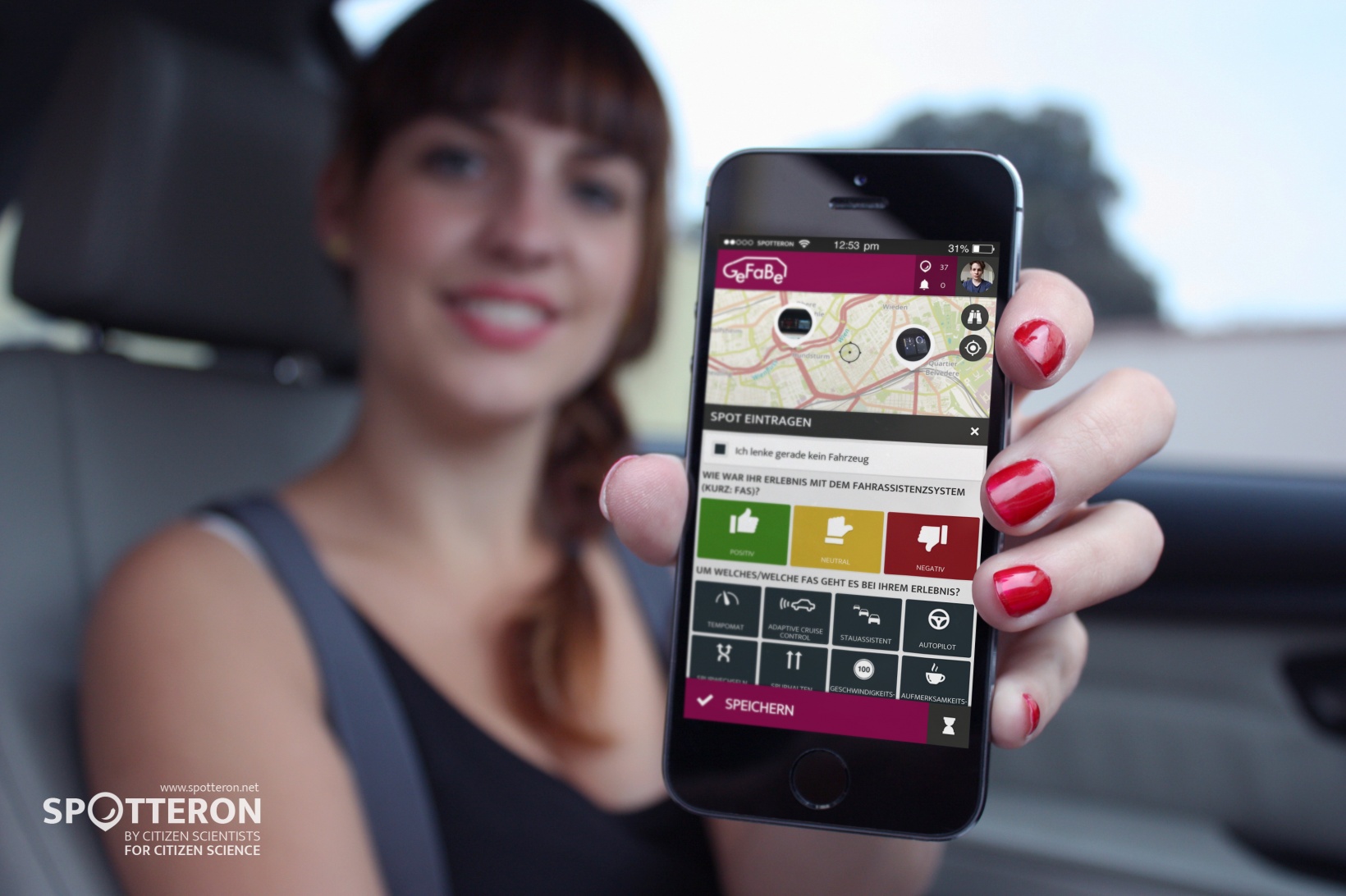
Get a free quotation for your Citizen Science project based on the SPOTTERON platform. Please provide some basic information about your project and our team will get back to you shortly via eMail.
new Team page
We put up our new team page as its own section - visit our core team here: SPOTTERON Citizen Science Team
Team
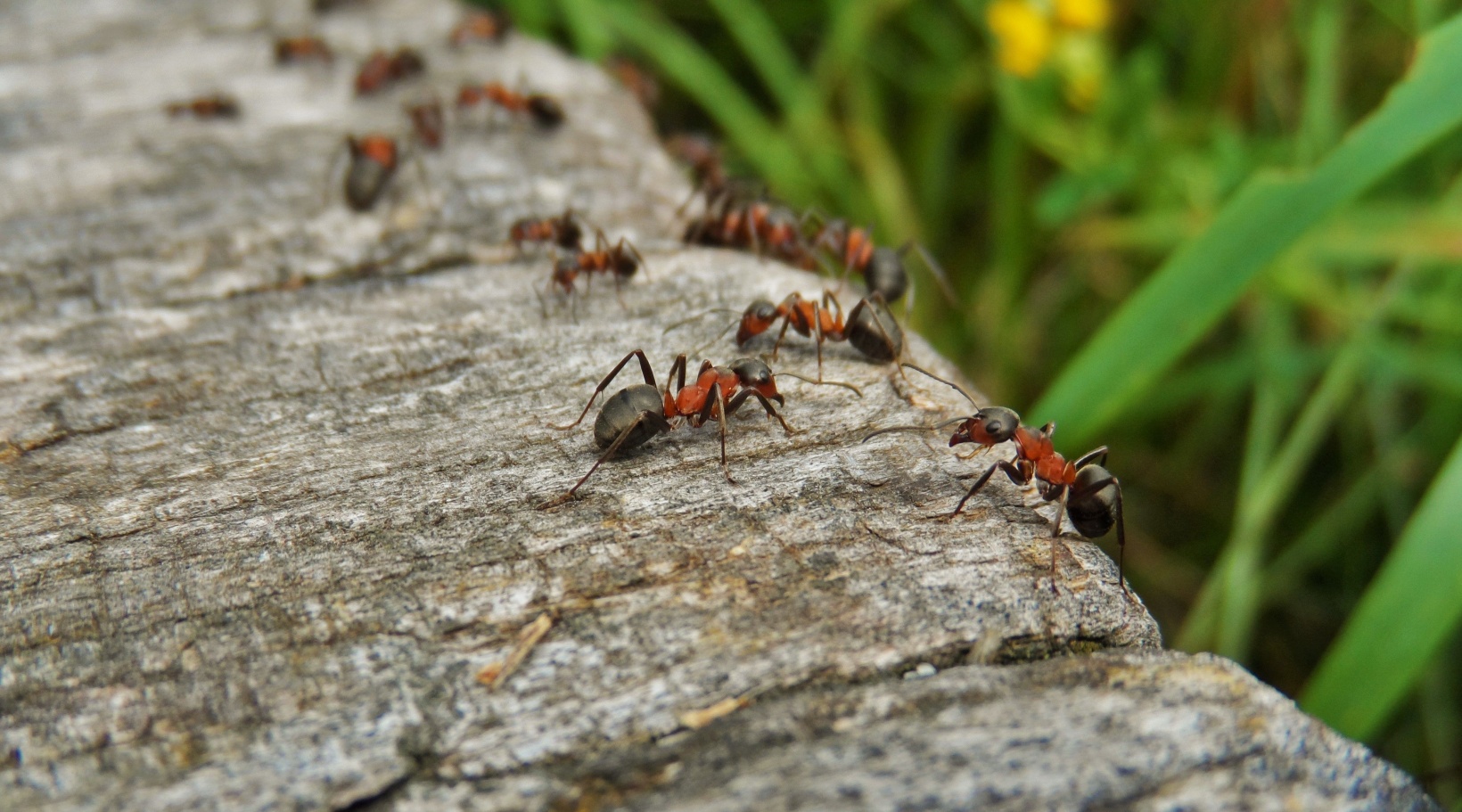
In our Citizen Science design studio in Vienna, Austria, we work to create the most advanced Citizen Science platform for providing reliable and high-quality tools in a mobile world. Coming from various backgrounds, our team not only designs and develops Citizen Science applications but also provides support and works together closely with the projects during their whole runtime.
Our core team

Philipp Jonathan Hummer
Design & Project Lead

Rainer Holzapfel
Development Lead

Agnes Milewski
Media & Community

Stefan Holzapfel
Development

Dominik Essletzbichler
Design & Communication

Stefan Nachtnebel
Development

Doris Ortner
Design & Communication

Ingrid Pointecker
Project Management

Stefan Fiedler
Development

Baiba Prūse
International Project Management

Christian Knapp
Development
Thanks also to all contributors, freelancers and test groups in our extended team - without your help, SPOTTERON would not have come that far.
You can get in contact with the SPOTTERON Team via This email address is being protected from spambots. You need JavaScript enabled to view it. or via phone at +43-676-598-2272
Article 13
Let`s fight for Citizen Science! Article 13 of the EU copyright law draft endangers all web-based CitSci projects, learn here in our Blog how to take action.
Projects & Apps open for Co-Use on SPOTTERON


ArtSpots


With the COSEA App, Citizen Scientists can observe marine environments, document coastal habitats or species, and report on pollution, infrastructure and the blue economy. Their contributions on the map and activity in the app will help scientists better understand the impacts and drivers of marine factors to protect and foster a healthy relationship between humans and seas.
COSEA | Collaboration for Effective Sea Action



NatureSpots is a non-commercial and free project to discover nature together. In the app, nature photos and sightings of animals, plants or mushrooms can be shared with the community on the map. The app is a new initiative for observing nature and taking part is very simple and straightforward. The app is free of advertising, does not track users and takes digital privacy seriously.
NatureSpots


The new citizen participation uses "Citizen Science" in their hometown and nationwide to get User's feedback on places. As a result, citizens are empowered to become active in a city worth living in to collect and share data themselves and to interact with scientists. This enables them to recognize the consequences of sealing, heat, water shortages, and a lack of biodiversity, and generally, how places in their own environment affect us all.
CIVO Citizen Voice


The IPM-Popillia Horizon 2020 project aims to address the challenge of a new risk to plant health in Europe's agriculture and food safety: the invasion of the Japanese Beetle, Popillia japonica. This invasive species was introduced accidentally to mainland Europe in 2014 and can quickly spread by transportation and trade. As a species with a wide range of feeding plants, P. japonica threatens the entire agricultural sector, urban landscapes, and biodiversity in invaded areas.
IPM Popillia | Integrated Pest Management of the Japanese Beetle


Fridays for Future see itself as a horizontal, grassroots grassroots movement that acts apolitically and refers to science for the facts. To engage the global population more, this app was developed using SPOTTERON. The aim is to find out how the population perceives the climate crisis and which positive and negative emotions are associated with specific topics related to biodiversity and climate crisis.
FRIDAYS FOR FUTURE - Climate App