SPOTTERON
WaldrApp
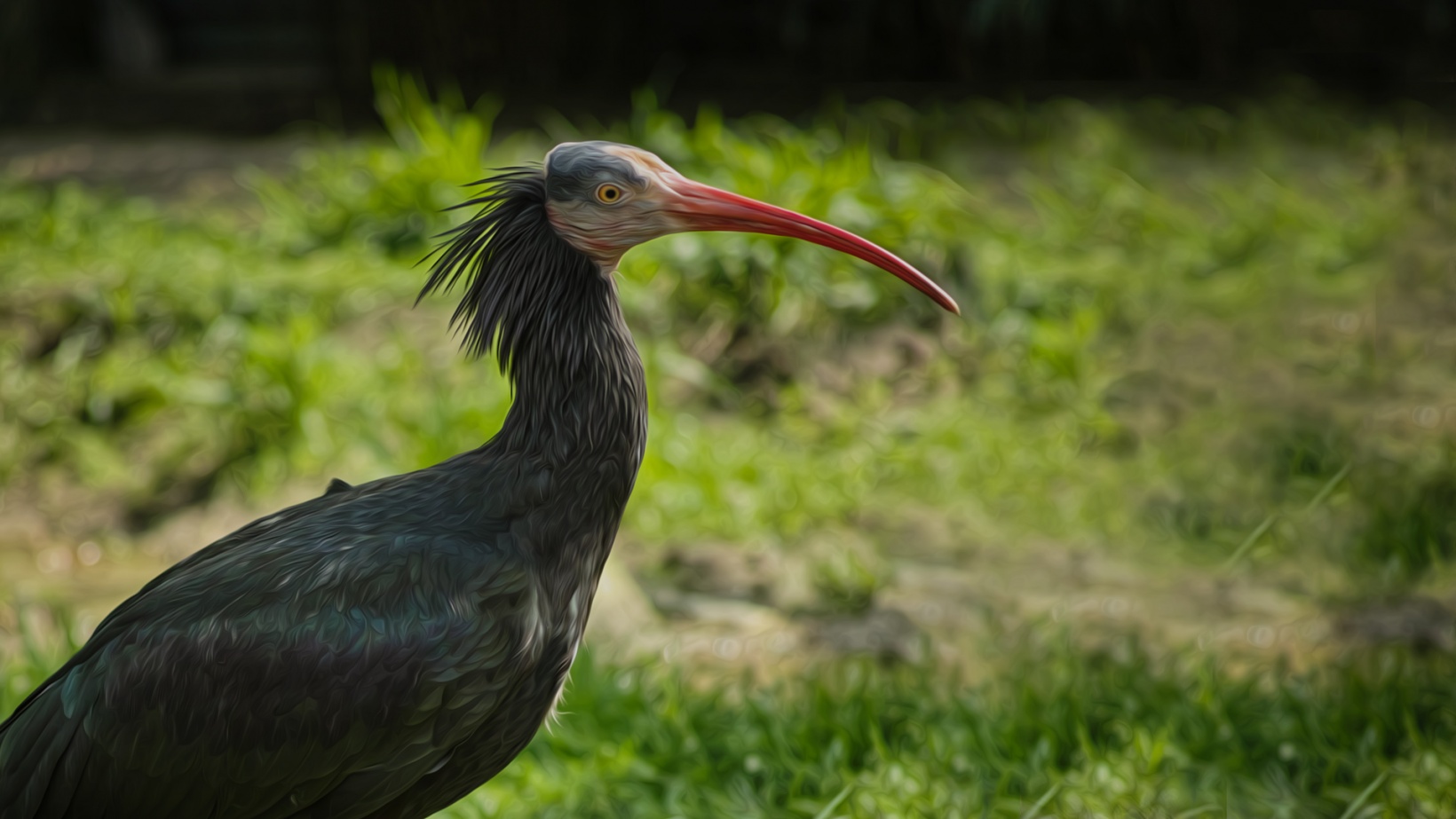
WaldrApp is a Citizen Science project from the University of Vienna aiming to collect ecological information on the whereabouts of "Waldrapps" (English: northern bald ibis). Since these birds are an endangered species, the data collected through the app can help gain essential data for future settling projects.
Was Geht Ab?
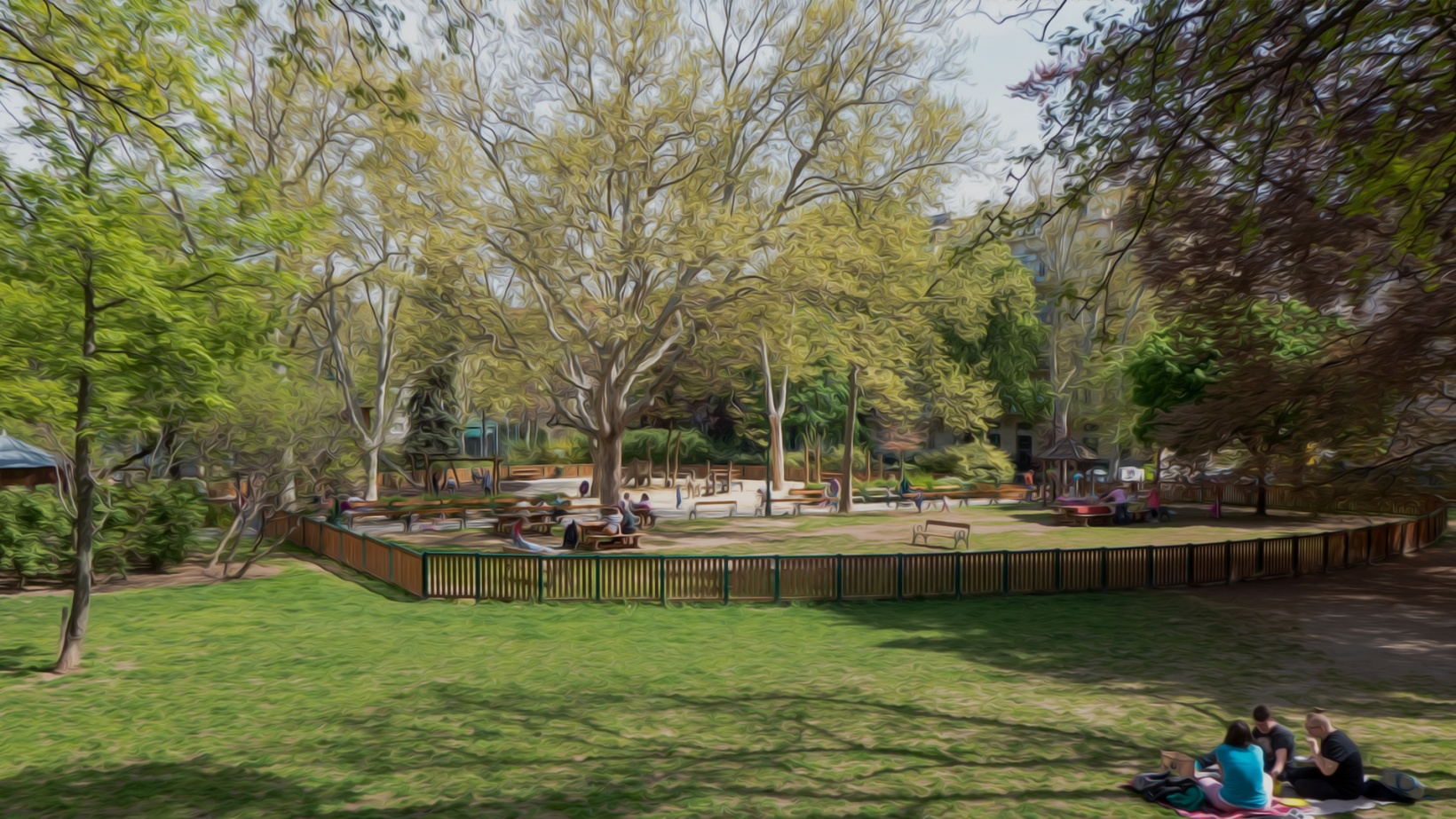
In collaboration with the Institue for Transport at the University of Life Sciences, Vienna, this Citizen Science App was specially made for kids and teenagers. The Community Science project aspires to understand better how they perceive and rate possible dangers and their surroundings in general.
Fjällkalendern
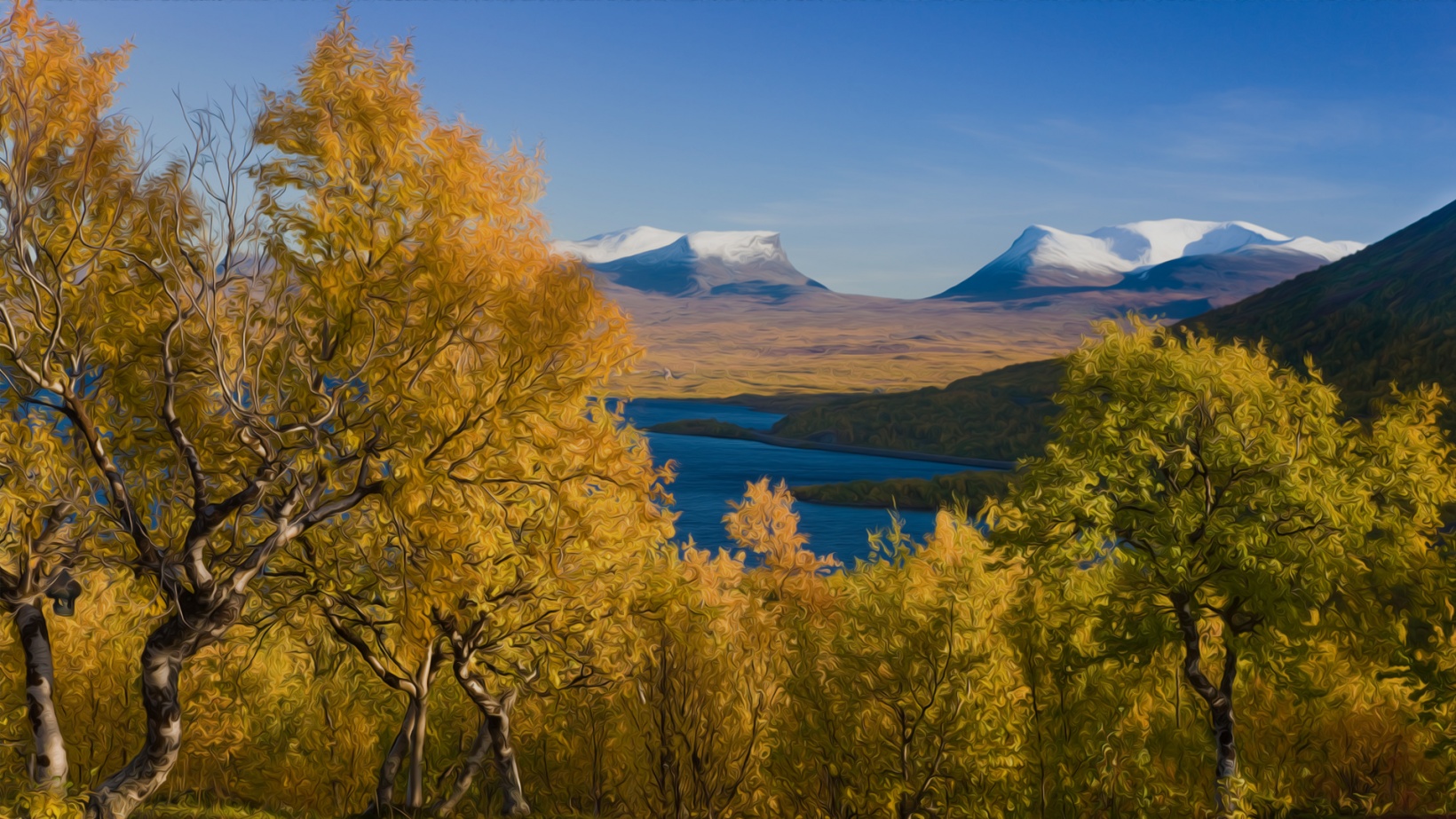
While visiting Abisko, it's possible to participate in the research project concerning climate change effects in the Arctic and in the Swedish mountains. Interested Citizen Scientists can enter their observations of the mountain slope Nuolja/Njullà in" fenologislinga" ("science path") and thereby contribute to this citizen observatory.
Global2000 LitterBug
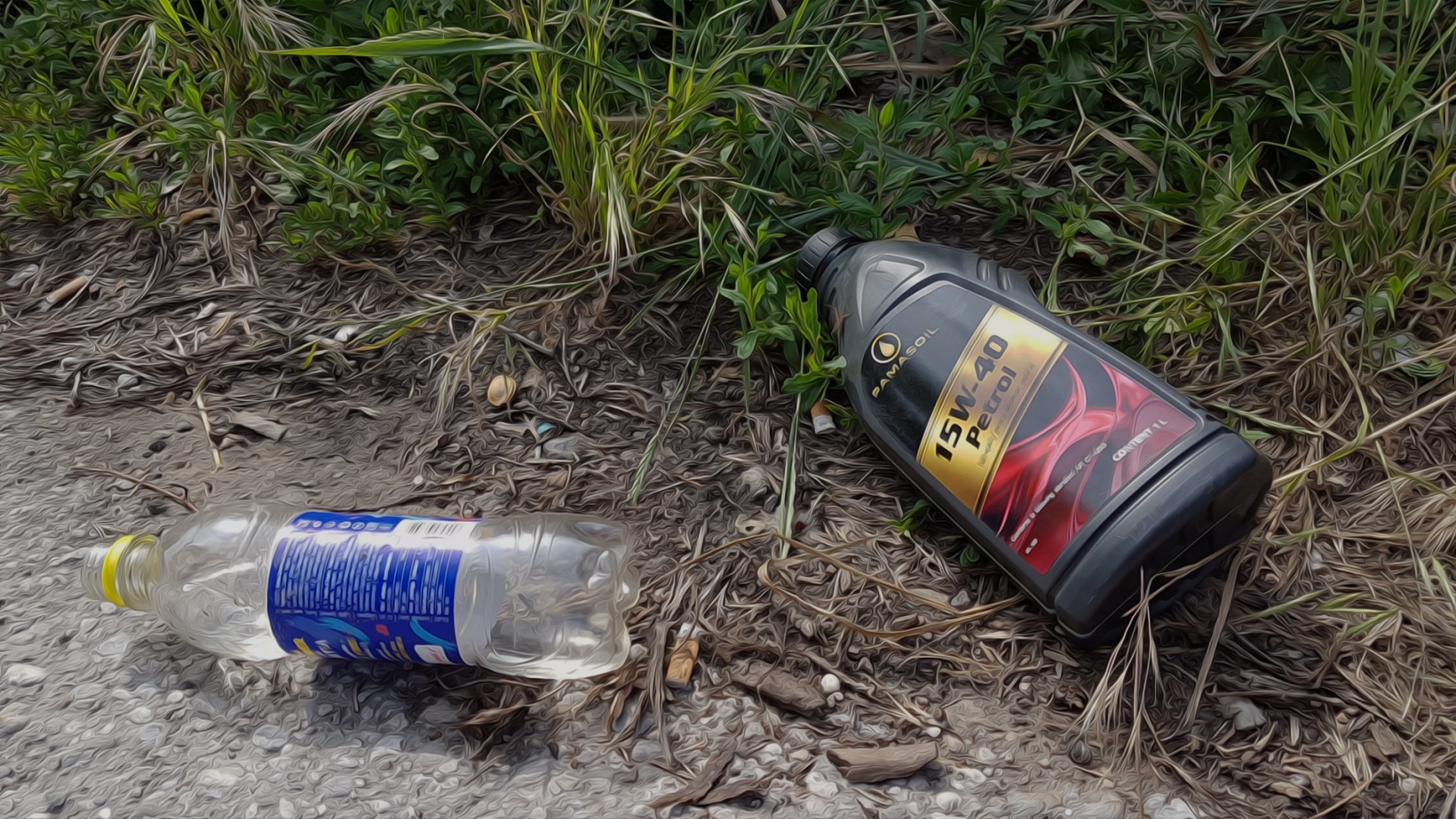
Global 2000's "LitterBug" Project is an initiative of the independent Austrian environmental organization GLOBAL 2000 alongside the Austrian Alpine Association "Edelweiss" and Alpine Club Mountain Club. The initiative was created to free nature from trash and to sharpen our awareness for the trash surrounding us in nature. The aim is to support a sustainably clean environment everywhere.
Nature's Calendar Styria (Austria)
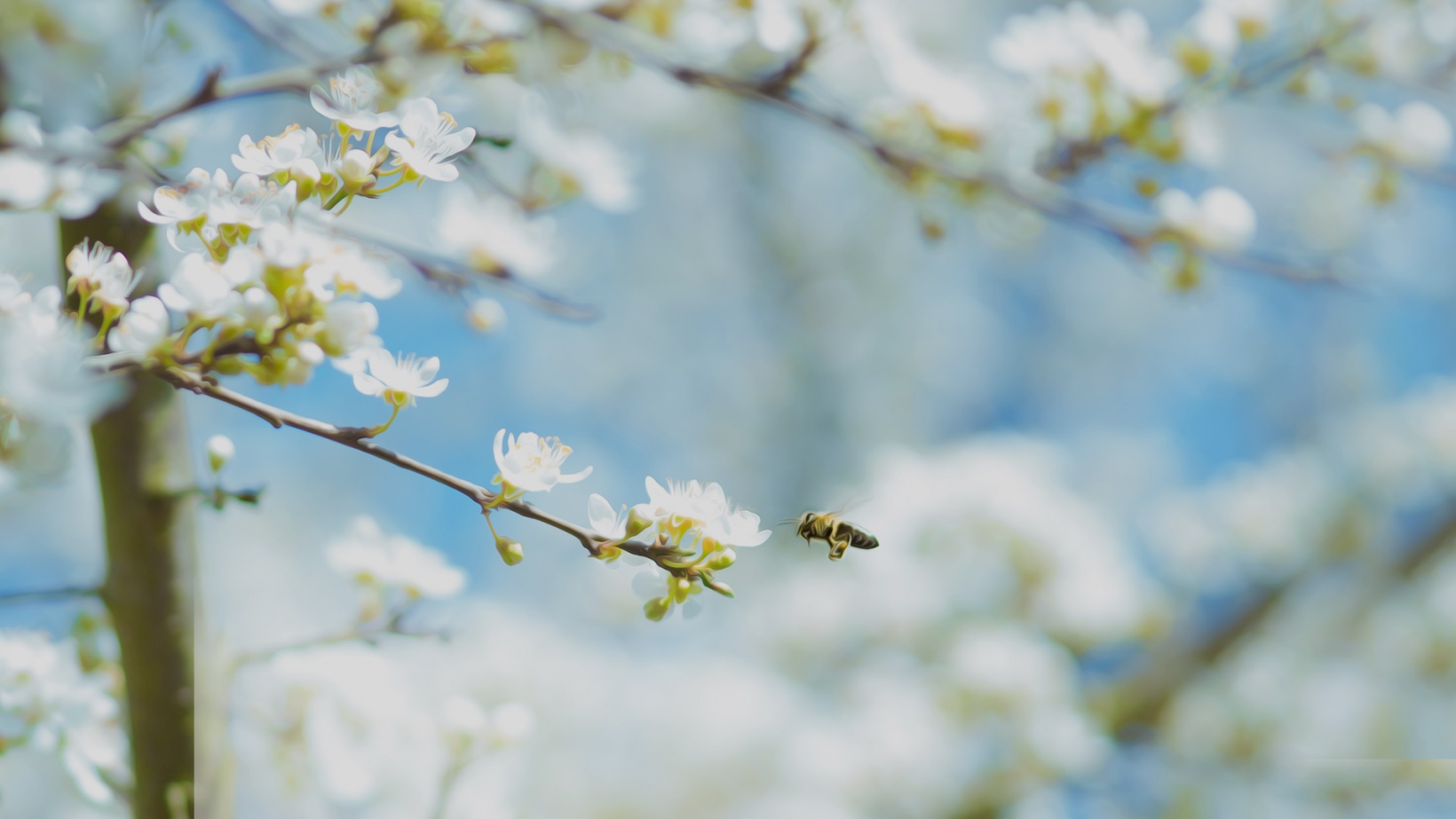
Nature's Calendar Styria is another regional Nature's Calendar project which also aims to observe nature with the help of attentive Citizen Scientists. They support environment- and climate research with observations of when plants begin to blossom, trees produce fruit or start throwing off leaves or when animals are active. The collected data also goes into the data collection of the Austrian ZAMG (Central Institution for Meteorology and Geodynamics).
CrowdWater
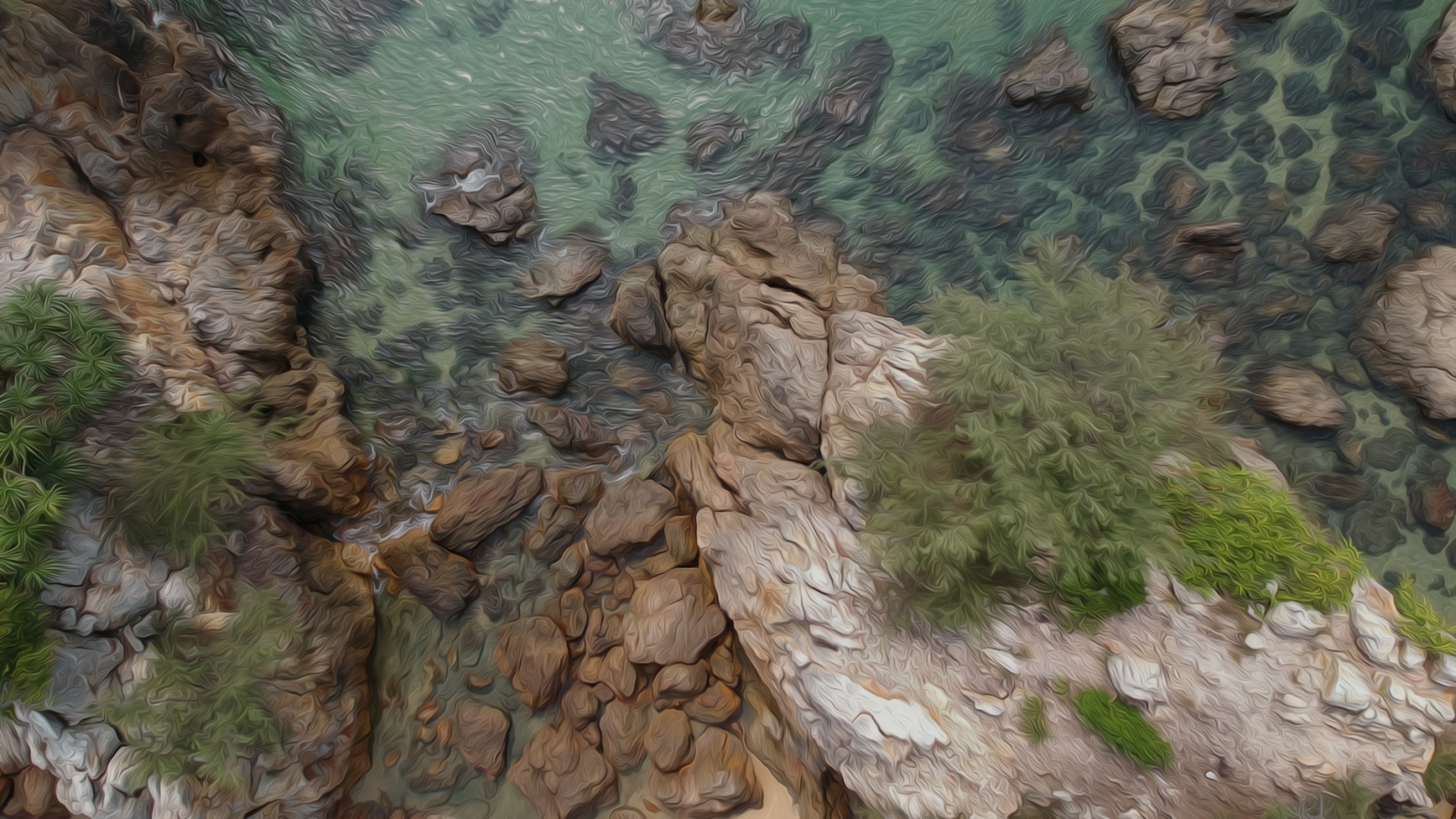
CrowdWater is a global Citizen Science project initiated by the University of Zurich, which collects hydrological data. The goal is to develop a cheap and easy data collection method that can be used to predict floods and low flow. The long-term aim of the project is to complement existing gauging station networks, especially in regions with a sparse measurement network, such as in developing countries.
Anslagstavlan
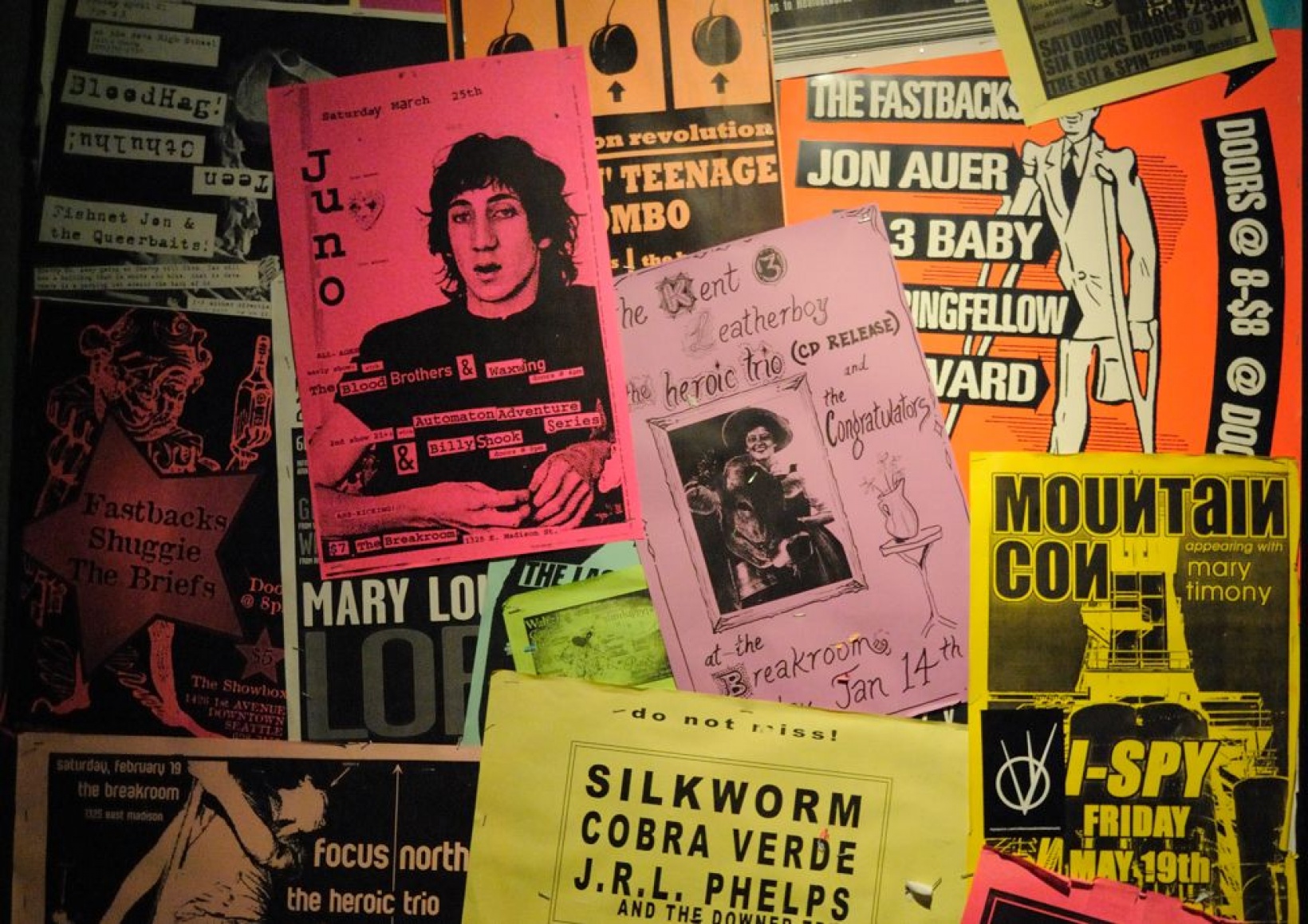
The Citizen Science project Anslagstavlan ("Public boards") collects images from bulletin boards around the world. By taking pictures of messages and describing them, you contribute to the scientific research on communication of a collaborated Community Science project among the University of Gothenburg, the University of Stockholm and the European Researchers' Night. Also, you are sharing a piece of culture with peers around the world.
Surveillance

This community project aims to show the surveillance apparatus we are constantly being watched by. With their entries, the users can collect data on surveillance technology in their surroundings and also raise awareness of the denseness of surveillance surrounding citizens in their day to day lives.
ArtSpots

Nature's Calendar
Naturkalender is the Austrian phenology App for interested Citizen Scientists who want to contribute to phenology and climate research by keeping a watch on their surroundings. Through Community Science observations like plants beginning to blossom, having fruits, starting to throw off leaves or when animals are active, they support the GeoSphere Austria's (national service for geology, geophysics, climatology, and meteorology) data collection.
Projects & Apps open for Co-Use on SPOTTERON


ArtSpots


With the COSEA App, Citizen Scientists can observe marine environments, document coastal habitats or species, and report on pollution, infrastructure and the blue economy. Their contributions on the map and activity in the app will help scientists better understand the impacts and drivers of marine factors to protect and foster a healthy relationship between humans and seas.
COSEA | Collaboration for Effective Sea Action


NatureSpots is a non-commercial and free project to discover nature together. In the app, nature photos and sightings of animals, plants or mushrooms can be shared with the community on the map. The app is a new initiative for observing nature and taking part is very simple and straightforward. The app is free of advertising, does not track users and takes digital privacy seriously.
NatureSpots


The new citizen participation uses "Citizen Science" in their hometown and nationwide to get User's feedback on places. As a result, citizens are empowered to become active in a city worth living in to collect and share data themselves and to interact with scientists. This enables them to recognize the consequences of sealing, heat, water shortages, and a lack of biodiversity, and generally, how places in their own environment affect us all.
CIVO Citizen Voice


The IPM-Popillia Horizon 2020 project aims to address the challenge of a new risk to plant health in Europe's agriculture and food safety: the invasion of the Japanese Beetle, Popillia japonica. This invasive species was introduced accidentally to mainland Europe in 2014 and can quickly spread by transportation and trade. As a species with a wide range of feeding plants, P. japonica threatens the entire agricultural sector, urban landscapes, and biodiversity in invaded areas.
IPM Popillia | Integrated Pest Management of the Japanese Beetle

Fridays for Future see itself as a horizontal, grassroots grassroots movement that acts apolitically and refers to science for the facts. To engage the global population more, this app was developed using SPOTTERON. The aim is to find out how the population perceives the climate crisis and which positive and negative emotions are associated with specific topics related to biodiversity and climate crisis.
FRIDAYS FOR FUTURE - Climate App