SPOTTERON
Soils for Science

Soils for Science is a Citizen Science initiative of The University of Queensland, Institute for Molecular Bioscience. Soils for Science aims to inform the public on the importance of antibiotic resistance in modern healthcare, and soil microbes as a source of next-generation antibiotics. Soils for Science provides the public with free sampling kits to collect soil samples rich in microbial biodiversity (bacteria and fungi).
Shortnews H2020 Partner en
We are glad to participate in the EU Horizon 2020 program with institutions and universities from all over the world. Find out more about our partners on the SPOTTERON Citizen Science Platform here.
Polytechnic University of Turin
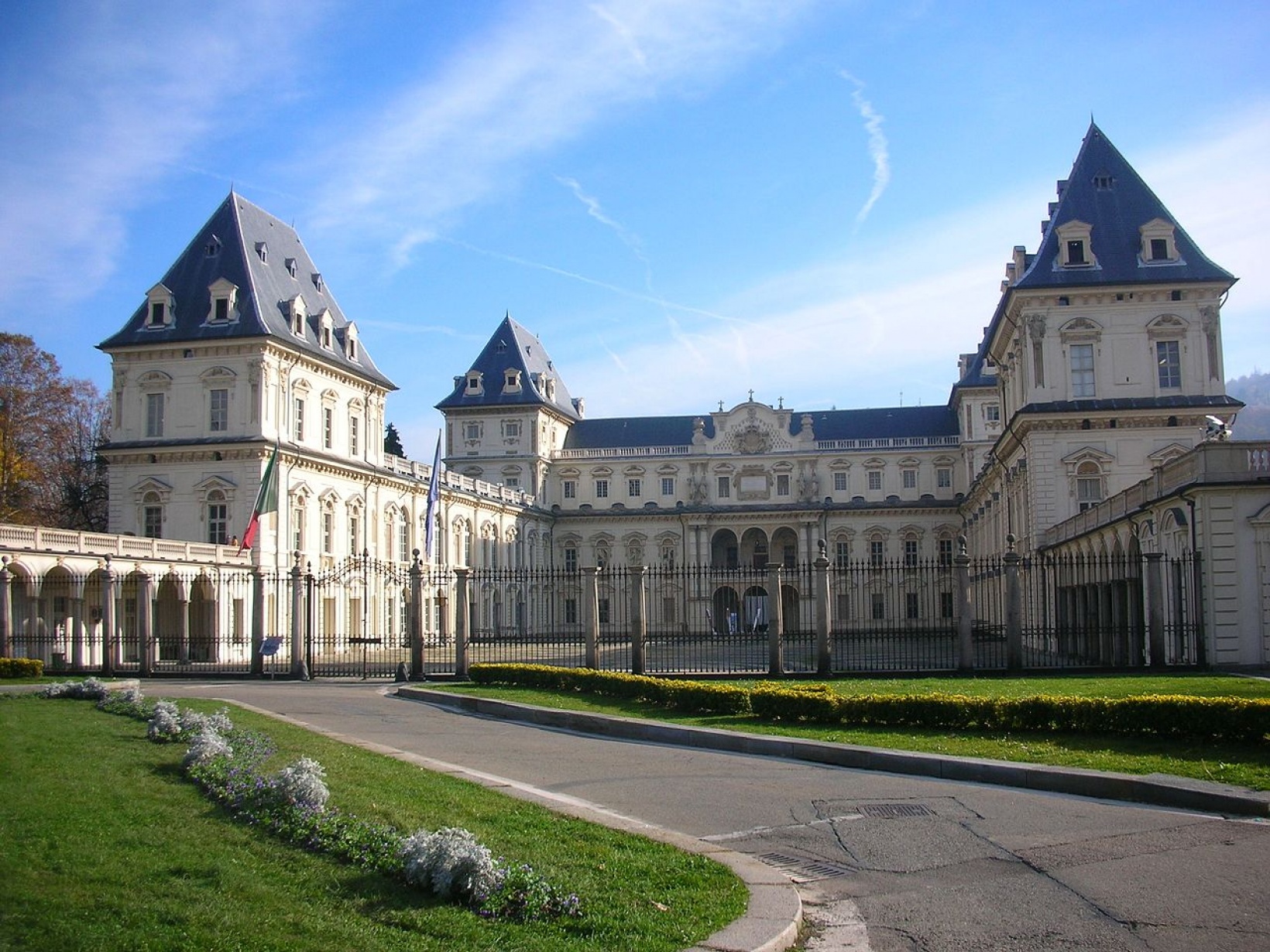
The Polytechnic University of Turin (Italian: Politecnico di Torino) is a public university based in Turin, Italy. Established in 1859, it is Italy’s oldest technical university. The university offers several courses in the fields of Engineering, Architecture and Industrial Design.
The Polytechnic University of Turin has been awarded the title "European University" by the European Commission. Together with 6 other European technical universities, the Polytechnic University of Turin has formed the alliance UNITE! (University Network for Innovation, Technology and Engineering). The aim of the project is to create a trans-European campus, to introduce trans-European curricula, to promote scientific cooperation between the members and to strengthen knowledge transfer between the countries. The alliance includes the Technische Universität Darmstadt, Aalto University, the KTH Royal Institute of Technology, the Polytechnic University of Turin, the Polytechnic University of Catalonia and the University of Lisbon.
Technical University of Denmark (DTU)
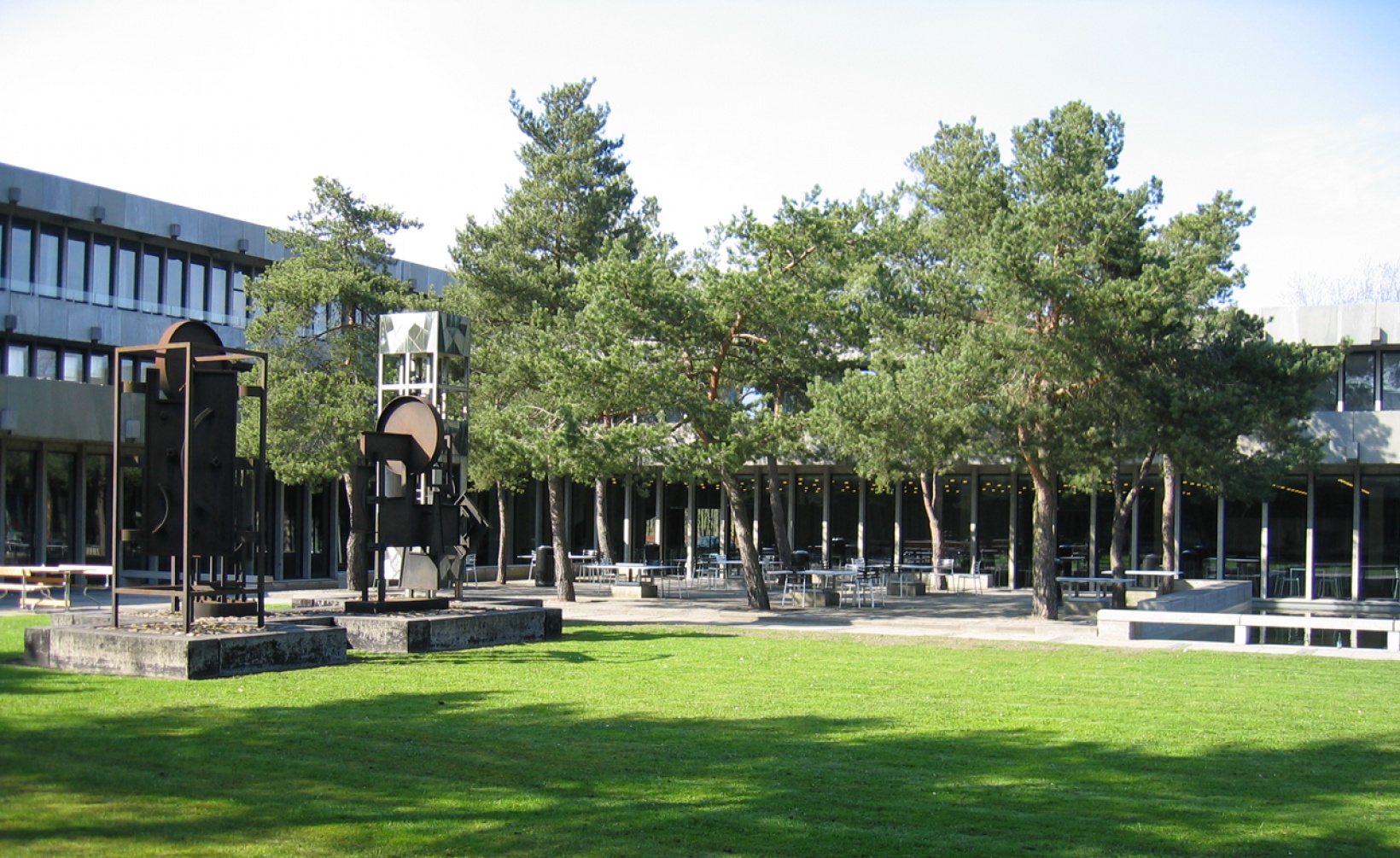
The Technical University of Denmark (Danish: Danmarks Tekniske Universitet), often simply referred to as DTU, is a university in the town Kongens Lyngby, 12 kilometres north of central Copenhagen, Denmark. It was founded in 1829 at the initiative of Hans Christian Ørsted as Denmark's first polytechnic, and it is today ranked among Europe's leading engineering institutions.
Along with École Polytechnique in Paris, École Polytechnique Fédérale de Lausanne, Eindhoven University of Technology, Technical University of Munich and Technion – Israel Institute of Technology, DTU is a member of EuroTech Universities Alliance.
DTU is a vibrant elite technical university, recognized for its high level of international research and its sought-after graduates.
University of Gloucestershire (UOG)
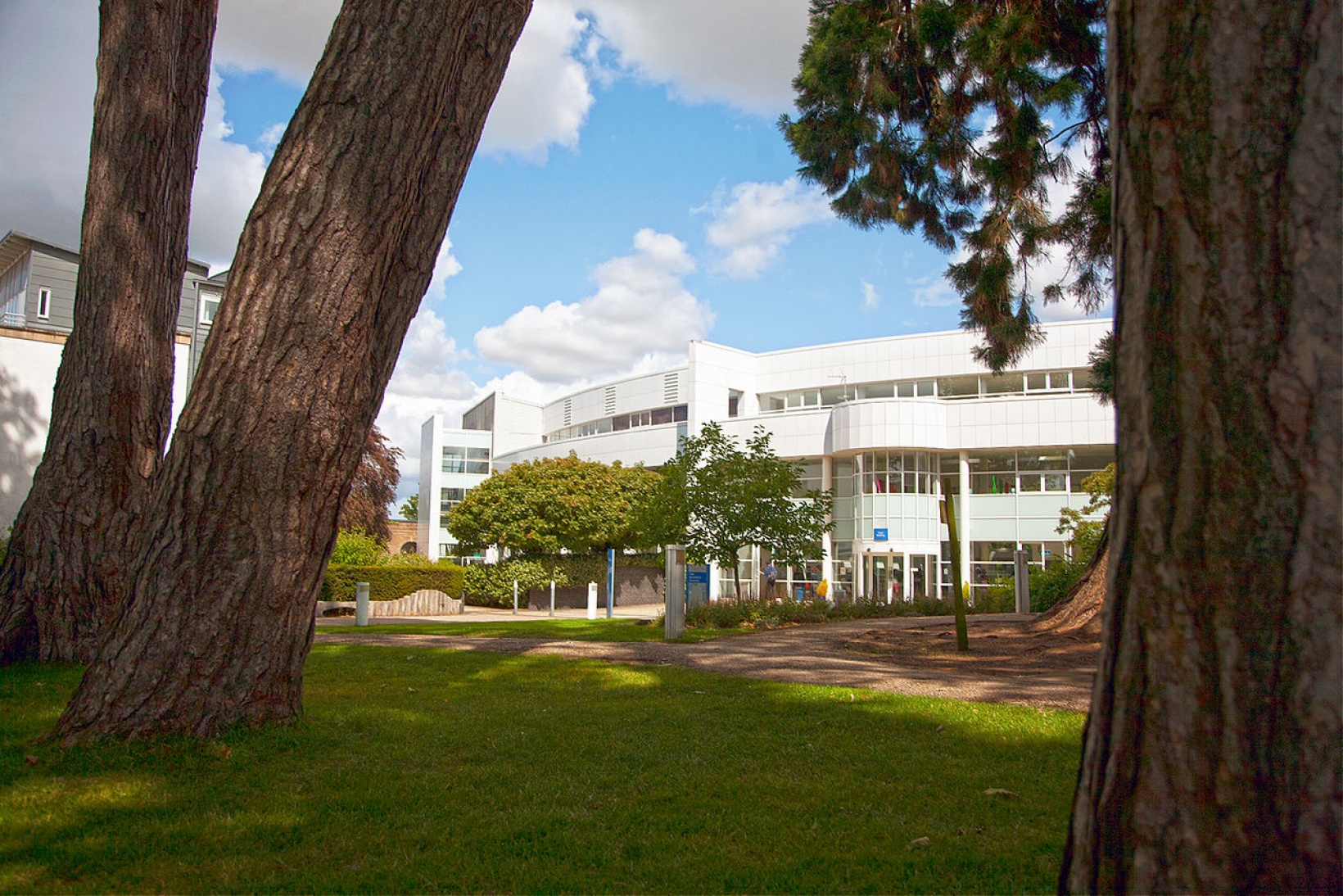
The University of Gloucestershire is a public university based in Gloucestershire, England. It is located over three campuses, two in Cheltenham and one in Gloucester, namely Francis Close Hall, The Park, Oxstalls and The Centre for Art and Photography being near to Francis Close Hall.
The university provides almost 100 undergraduate courses covering a variety of subjects including Accounting and Law, Business Management, Computing, Journalism, Fine Art, Humanities, Biology, Geography, Social Science, Education and Sports within ten academic schools. As well as providing part-time and full-time options for undergraduate study, the university has a number of courses available as Fast Track two-year full-time programmes.
The university provides over 50 taught post-graduate courses in the areas of: Accounting and Law, Business and Management; Computing, IT and Multimedia; Health and Social Care; Education; Humanities; Leisure; Media, Art and Design; Natural and Social Sciences and Sport and Exercise.
Università Cattolica del Sacro Cuore (UCSC)
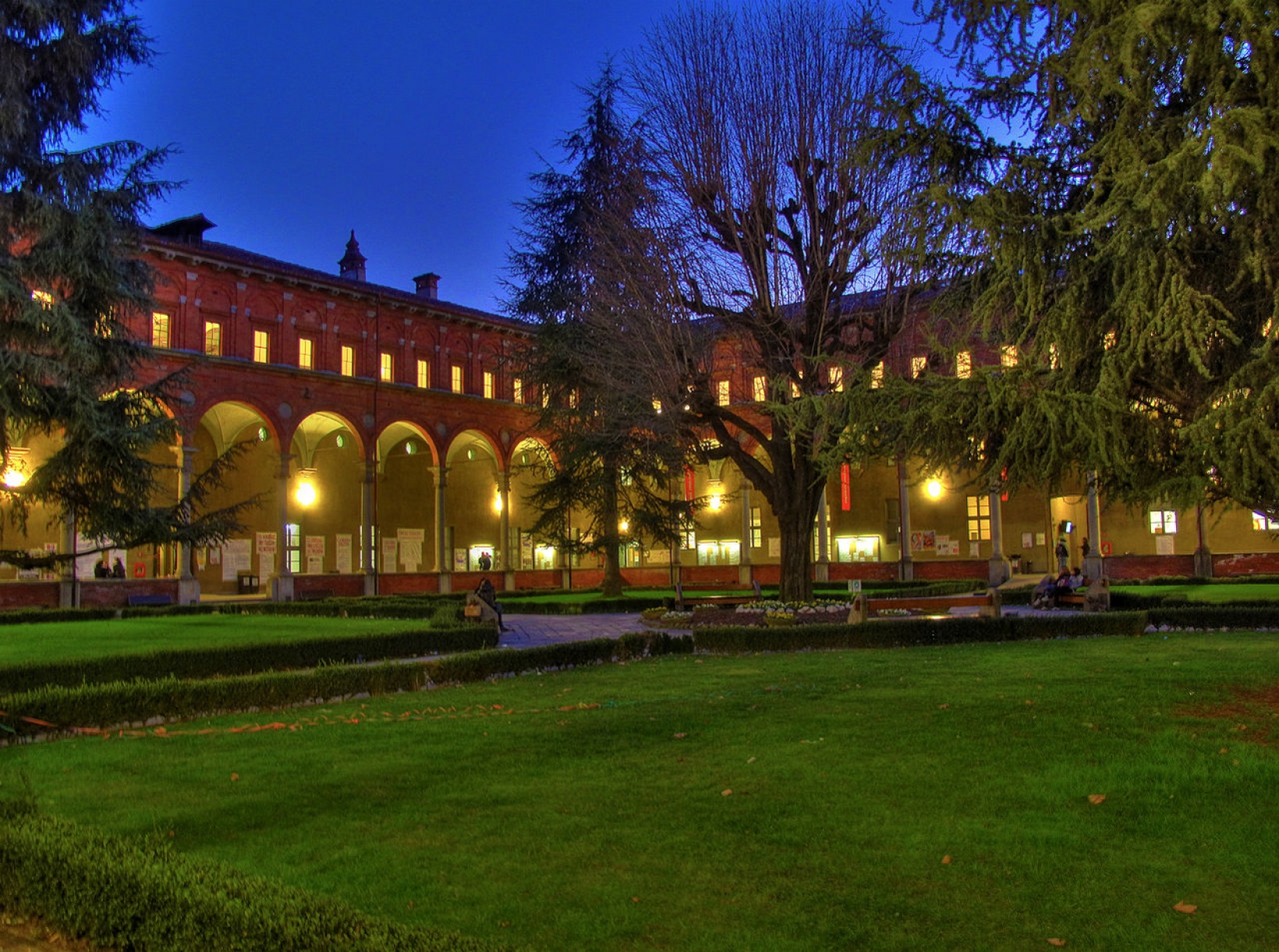
Università Cattolica del Sacro Cuore, known as UCSC or UNICATT or simply Cattolica, is an Italian private research university founded in 1921. Cattolica, with its five affiliated campuses, is the largest private university in Europe and the largest Catholic University in the world. Its main campus is located in Milan, Italy, with satellite campuses in Brescia, Piacenza, Cremona and Rome.
The University is organized into 12 faculties and 7 postgraduate schools. Cattolica provides undergraduate courses (Bachelor's degree, which corresponds to Italian Laurea Triennale), graduate courses (Master's degree, which corresponds to Laurea Magistrale, and specializing master) and PhD programs (Dottorati di ricerca). In addition to these, the University runs several double degree programs with other institutions throughout the world. Degrees are offered both in Italian and in English.
UCSC has been granted five stars by QS Stars, a global university rating system, in the following fields: employability, teaching, facilities and engagement.
Agostino Gemelli University Polyclinic serves as the teaching hospital for the medical school of the Università Cattolica del Sacro Cuore and owes its name to the university founder, the Franciscan friar, physician and psychologist Agostino Gemelli.
University of Thessaly (UTH)
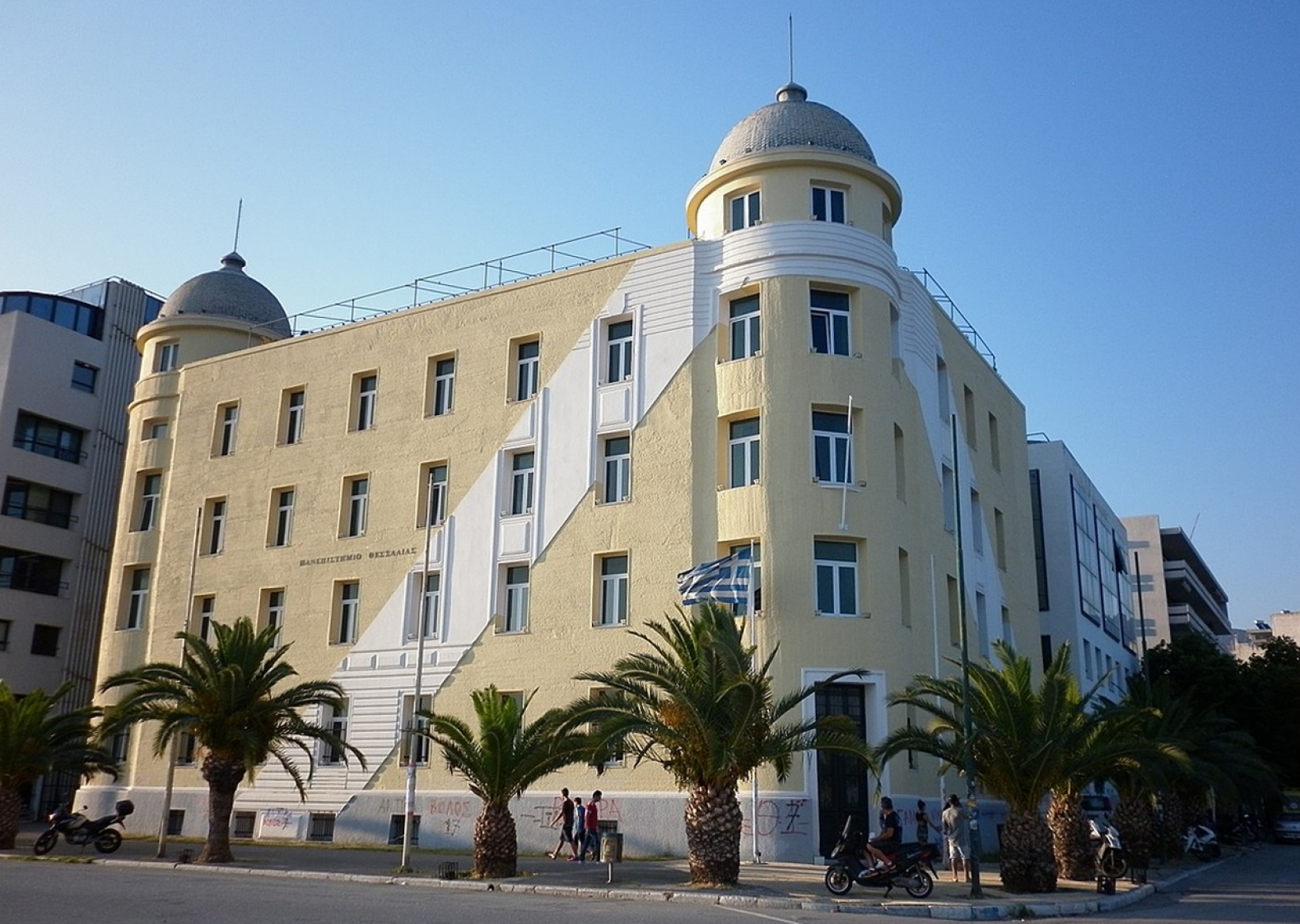
The University of Thessaly (UTH) is a public university in Thessaly, Greece, founded in 1984. The university includes the main campus in the city of Volos and regional campuses located in Karditsa, Larissa, Trikala, and the city of Lamia. The university's central administrative and academic building, located on the seaport seafront, it is often referred to as the main campus, but actually the university does not have a single main site, as it has multi sites with buildings being geographically distributed within the wider region of Volos across the city districts. Enrollment for Fall 2014 consisted of 14,000 undergraduates students, 2,150 master's degree-level students, 1,400 doctoral students, and 710 faculty members.
University of Naples Federico II (UNINA)
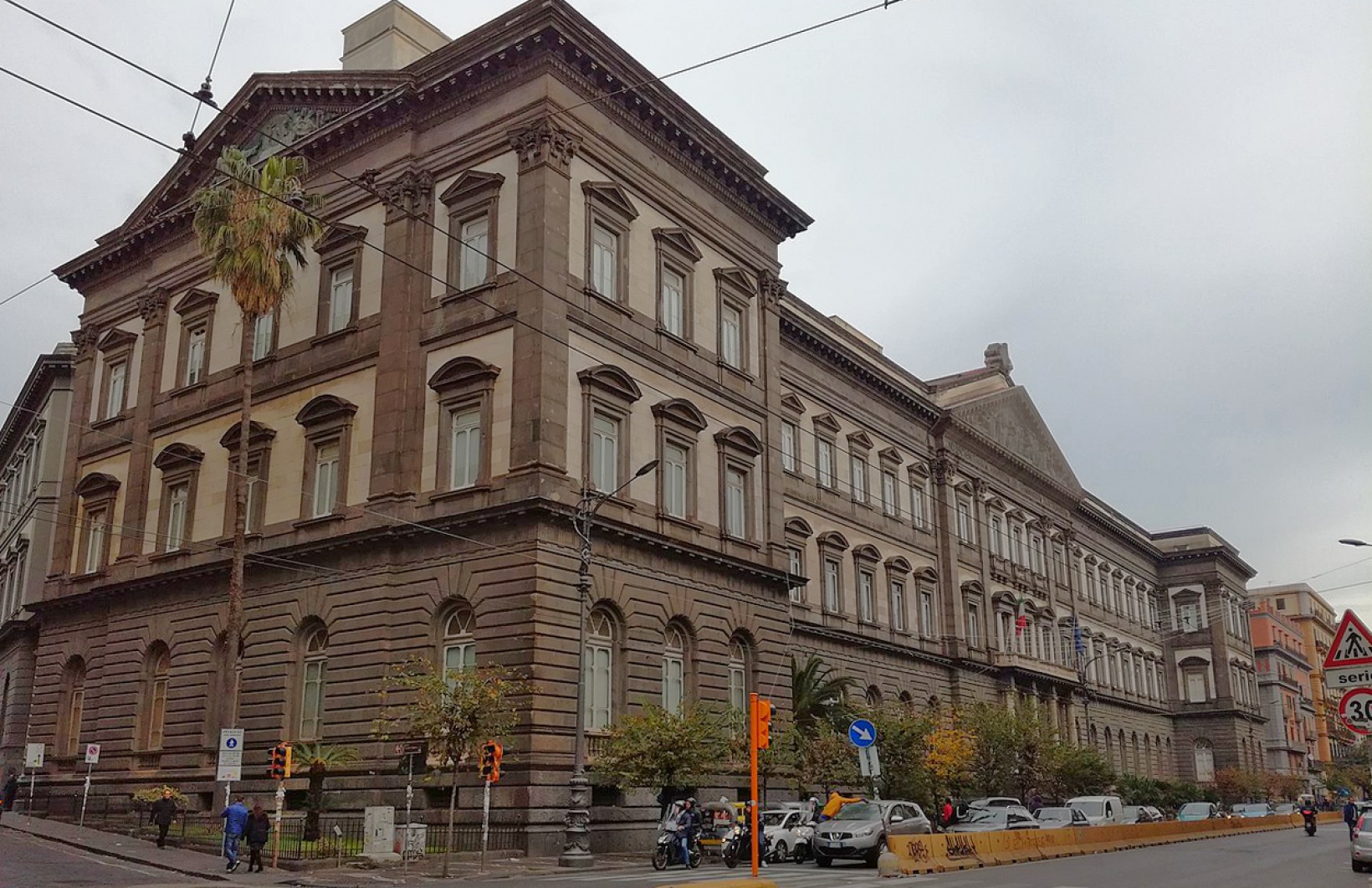
The University of Naples Federico II (Italian: Università degli Studi di Napoli Federico II) is a public university in Naples, Italy. Founded in 1224, it is the oldest public non-sectarian university in the world, and is now organized into 26 departments. It was Europe's first university dedicated to training secular administrative staff,[1] and is one of the oldest academic institutions in continuous operation. Federico II is the third University in Italy by number of students enrolled, but despite its size it is still one of the best universities in Italy and the world[citation needed], being particularly notable for research; in 2015 it was ranked among the top 100 universities in the world by citations per paper. The university is named after its founder Frederick II. In October 2016 the University hosted the first ever Apple IOS Developer Academy and in 2018 the Cisco Digital Transformation Lab.
Aalborg University (AAU)

Aalborg University (AAU) is a Danish public university with campuses in Aalborg, Esbjerg, and Copenhagen founded in 1974. The university awards bachelor's degrees, master's degrees, and PhD degrees in a wide variety of subjects within humanities, social sciences, information technology, design, engineering, exact sciences, and medicine.
Aalborg University differentiates itself from the older and more traditional Danish universities with its focus on interdisciplinary, inter-faculty studies; an experimental curriculum based on an interdisciplinary basic course with subsequent specialisation; a pedagogical structure based on problem-centred, real-life projects of educational and research relevance – which internationally has become known and recognised as The Aalborg Model.
Kaunas University of Technology (KTU)
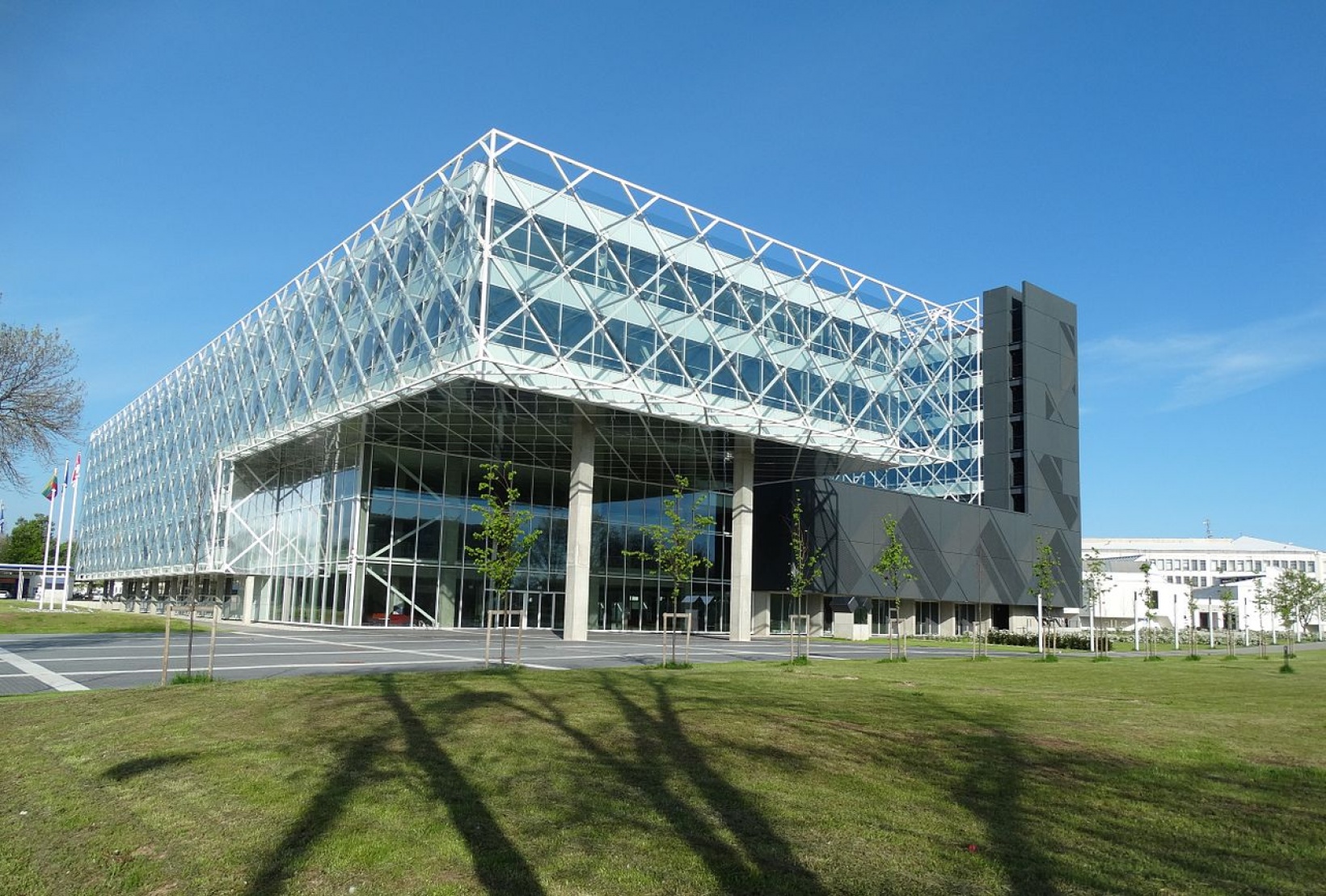
Kaunas University of Technology had its beginning on 16 February 1922, when the University of Lithuania and its technical faculties were established. The development of Lithuanian scientific ideas continued in the first Lithuanian independent technical school of higher education. In 1990 KTU regained its status of the university and took a path of rapid reforms of studies and research. The University continues to pursue sustainable partnership of science, business and industry, develops and implements new ideas, innovations and inventions. Since 1992 more than 144 thousand graduates graduated from the university.
The University’s mission is to provide the research-based studies at international level; to develop and to transfer knowledge and innovative technologies for sustainable development of the State and development of innovations; to create an open creative environment which inspires talents and leaders.
The University’s vision – leading European university which activities are based on development and transfer of knowledge and technologies.
Projects & Apps open for Co-Use on SPOTTERON


ArtSpots


With the COSEA App, Citizen Scientists can observe marine environments, document coastal habitats or species, and report on pollution, infrastructure and the blue economy. Their contributions on the map and activity in the app will help scientists better understand the impacts and drivers of marine factors to protect and foster a healthy relationship between humans and seas.
COSEA | Collaboration for Effective Sea Action



NatureSpots is a non-commercial and free project to discover nature together. In the app, nature photos and sightings of animals, plants or mushrooms can be shared with the community on the map. The app is a new initiative for observing nature and taking part is very simple and straightforward. The app is free of advertising, does not track users and takes digital privacy seriously.
NatureSpots


The new citizen participation uses "Citizen Science" in their hometown and nationwide to get User's feedback on places. As a result, citizens are empowered to become active in a city worth living in to collect and share data themselves and to interact with scientists. This enables them to recognize the consequences of sealing, heat, water shortages, and a lack of biodiversity, and generally, how places in their own environment affect us all.
CIVO Citizen Voice


The IPM-Popillia Horizon 2020 project aims to address the challenge of a new risk to plant health in Europe's agriculture and food safety: the invasion of the Japanese Beetle, Popillia japonica. This invasive species was introduced accidentally to mainland Europe in 2014 and can quickly spread by transportation and trade. As a species with a wide range of feeding plants, P. japonica threatens the entire agricultural sector, urban landscapes, and biodiversity in invaded areas.
IPM Popillia | Integrated Pest Management of the Japanese Beetle


Fridays for Future see itself as a horizontal, grassroots grassroots movement that acts apolitically and refers to science for the facts. To engage the global population more, this app was developed using SPOTTERON. The aim is to find out how the population perceives the climate crisis and which positive and negative emotions are associated with specific topics related to biodiversity and climate crisis.
FRIDAYS FOR FUTURE - Climate App