SPOTTERON
Nature Park Garden | BUND
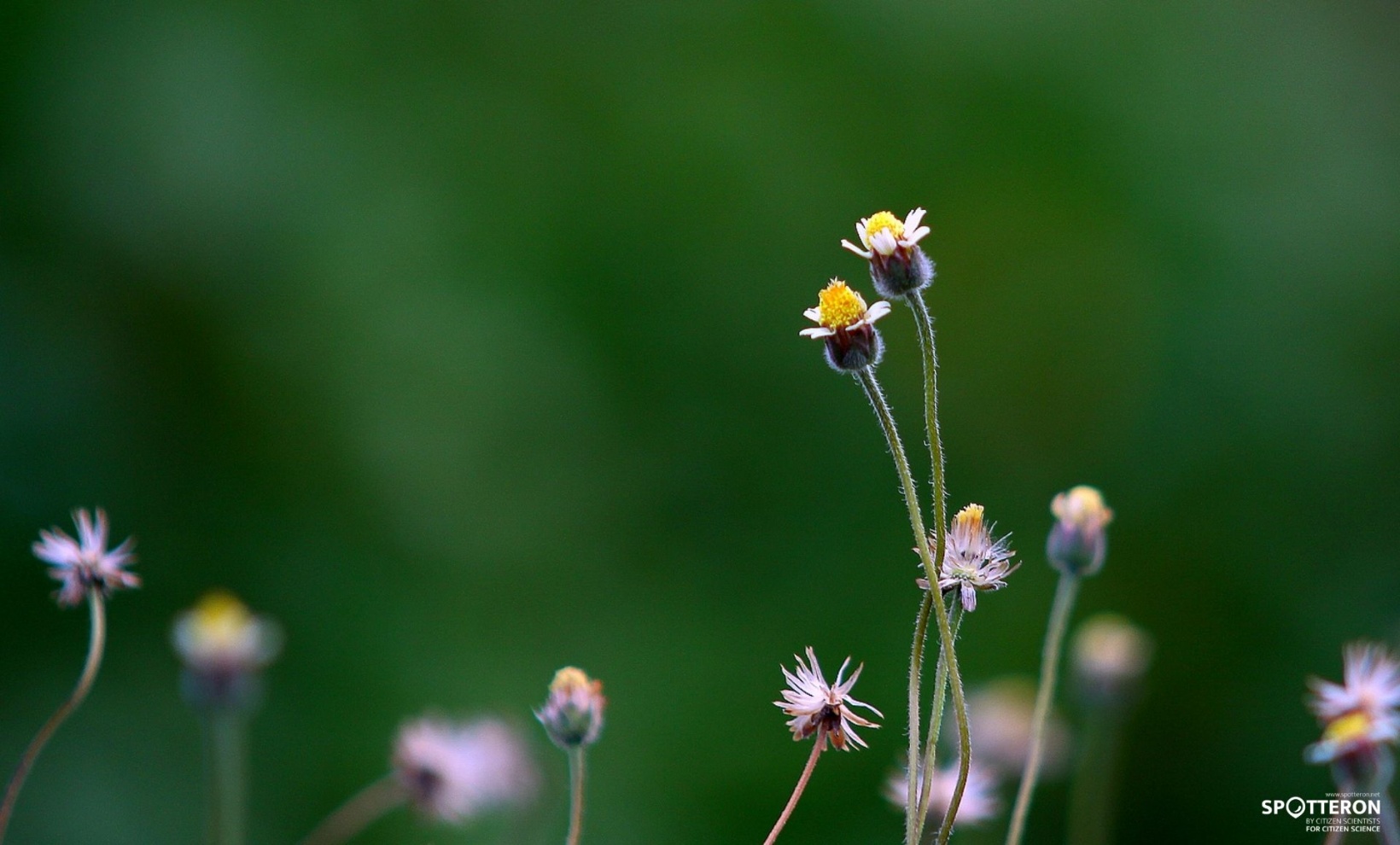
Nature Park Garden is a project of the Federation for the Environment and Nature Conservation Germany (Bund für Umwelt und Naturschutz Deutschland e.V. (BUND)).
Gardening is experiencing a renaissance. By avoiding pesticides and peat and using natural cycles in cultivation, biodiversity is promoted. Gardens offer enormous potential for the protection of biodiversity, and this Citizen Science project is here to help.
University of New South Wales (UNSW)
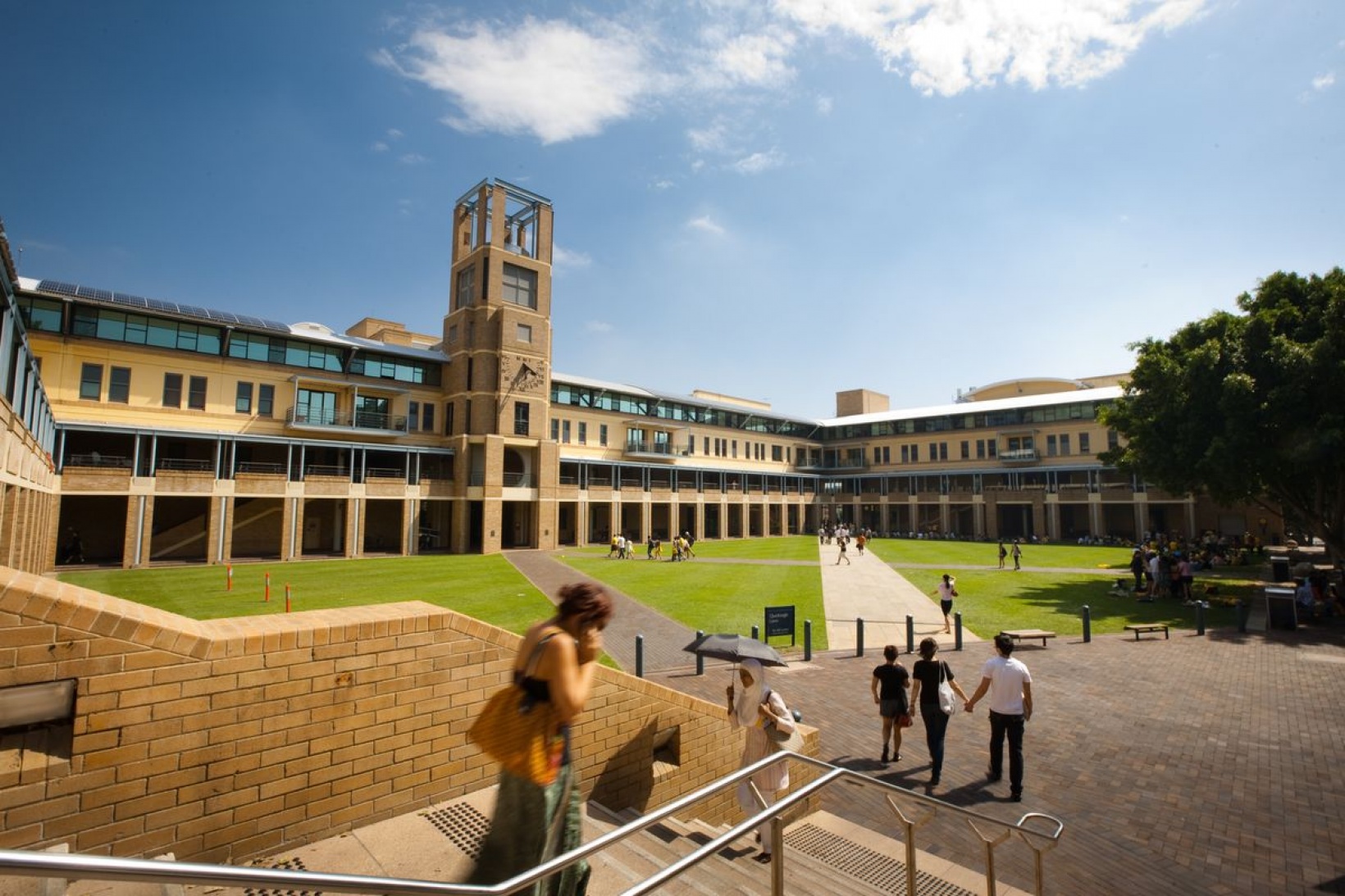
The University of New South Wales (UNSW) is an Australian public university with its largest campus in the Sydney suburb of Kensington.
Established in 1949, UNSW is a research university, one of the founding members of the Group of Eight, a coalition of Australian research-intensive universities, and of Universitas 21, a global network of research universities. It has international exchange and research partnerships with over 200 universities around the world.
Natural History Museum Vienna (NHM)
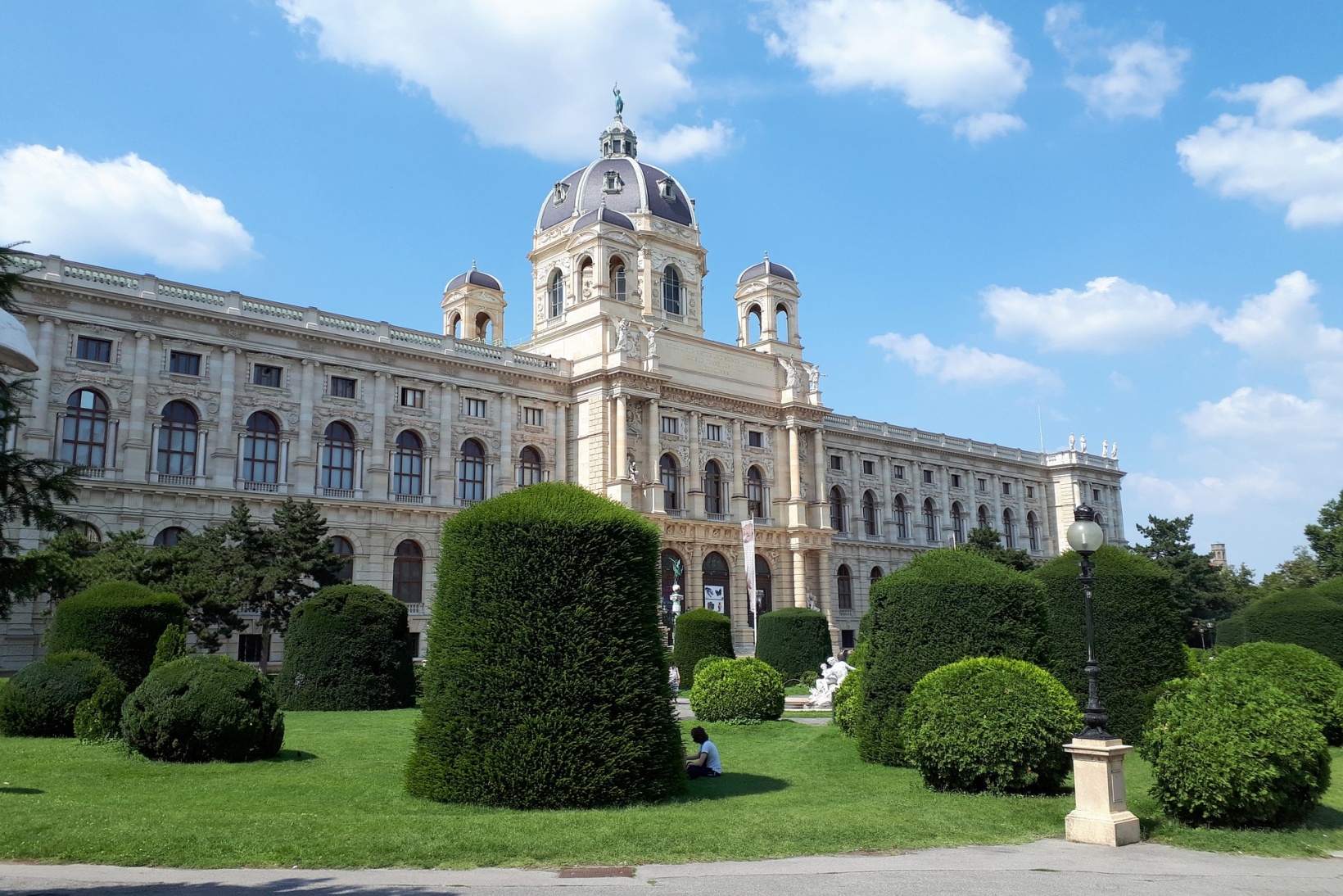
The Natural History Museum Vienna (German: Naturhistorisches Museum Wien) is a large natural history museum located in Vienna, Austria. It is one of the most important natural history museums worldwide.
The NHM Vienna is one of the largest museums and non-university research institutions in Austria and an important centre of excellence for all matters relating to natural sciences. The museum's 39 exhibition rooms cover 8,460 square meters and present more than 100,000 objects. It is home to 30 million objects available to more than 60 scientists and numerous guest researchers who carry out basic research in a wide range of topics related to human sciences, earth sciences, and life sciences.
BUND - Bund für Umwelt und Naturschutz Deutschland
The German Federation for the Environment and Nature Conservation (Bund für Umwelt und Naturschutz Deutschland e. V., Apronym BUND) is a non-governmental environmental and nature conservation organisation based in Berlin. It is a Member of the International Nature Conservation Network Friends of the Earth. The BUND is one of the largest environmental and nature conservation associations in Germany.
School of Pharmacy Cardiff
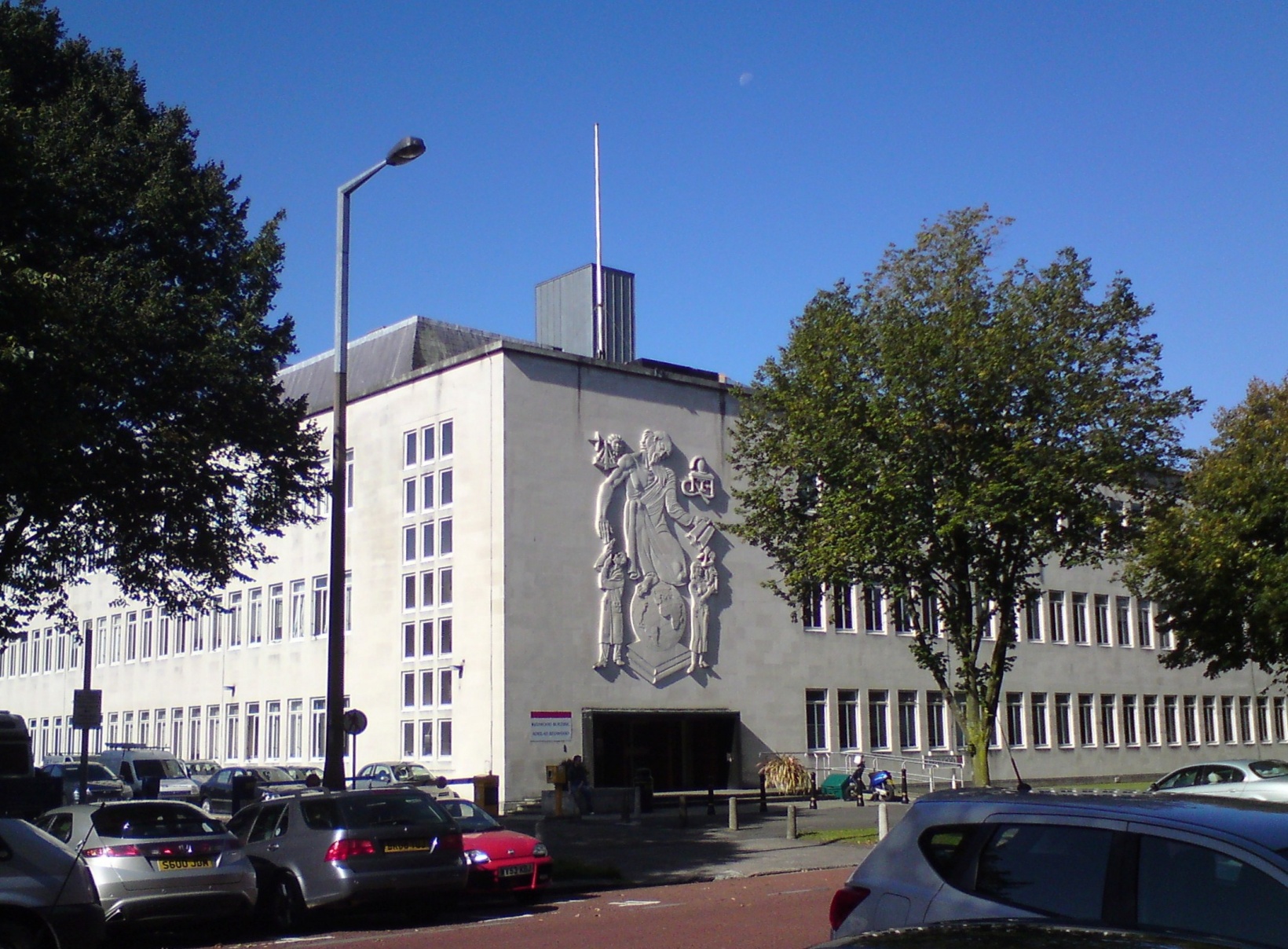
The School of Pharmacy and Pharmaceutical Sciences is part of the Cardiff University, a public research university in Cardiff, Wales. Founded in 1883 as the University College of South Wales and Monmouthshire (University College Cardiff from 1972), it became a founding college of the University of Wales in 1893. It merged with the University of Wales Institute of Science and Technology (UWIST) in 1988 to form the University of Wales College, Cardiff (University of Wales, Cardiff from 1996). The college adopted the public name Cardiff University in 1999; in 2005 this became its legal name, when it became an independent university and began awarding its own degrees.
What we need to bring new people to Citizen Science: our strategy for reaching out and engaging new people who have never heard of Citizen Science before
I am a Citizen Scientist. I have been one since I was eight years old, albeit without ever hearing the term even once. I was interested in nature, the environment, and I spent hours after hours exploring the wildlife in ponds, my parents' garden, forests, and even brown land. (Oh, I love brown land, I still sneak through construction fences to explore them sometimes :)
University of Queensland
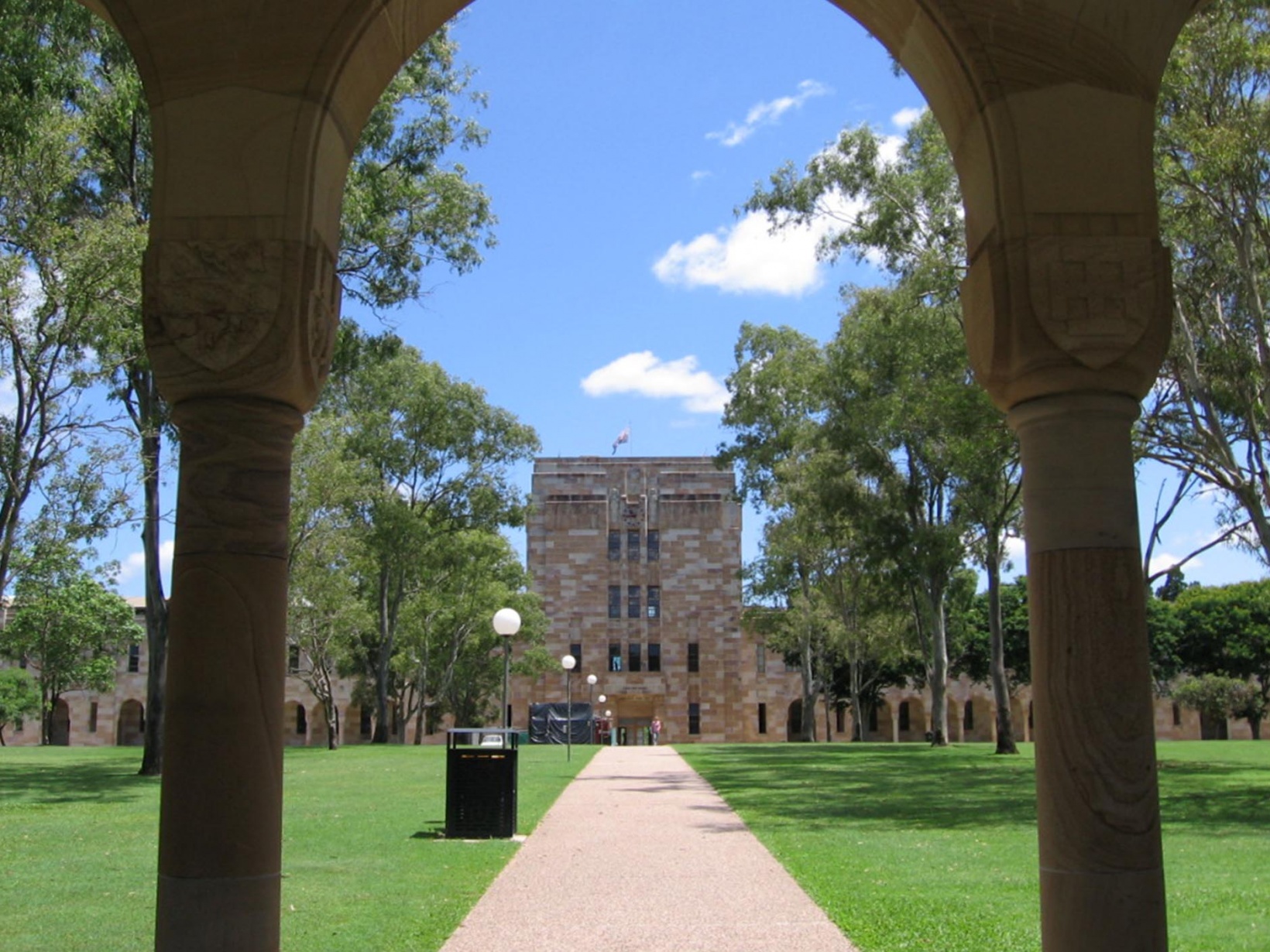
The University of Queensland is a public research university located primarily in Brisbane, the capital city of the Australian state of Queensland. Founded in 1909 by the Queensland parliament, UQ is one of the six sandstone universities, an informal designation of the oldest university in each state. The University of Queensland is ranked second nationally by the Australian Research Council and equal second in Australia based on the average of four major global university league tables. The University of Queensland is a founding member of edX, Australia's research-intensive Group of Eight and the global Universitas 21 network.
Agroscope
Agroscope is the Swiss centre of excellence for agricultural research, and is affiliated with the Federal Office for Agriculture (FOAG). Agroscope makes an important contribution to a sustainable agriculture and food sector as well as to an intact environment, thereby contributing to an improved quality of life.
Earthwatch Australia

Earthwatch connects people with scientists worldwide to conduct environmental research and empowers them with the knowledge they need to conserve the planet. Since its founding in 1971, Earthwatch has been taking action to address global change through a time-tested model of citizen science and community engagement. By pairing citizen science volunteers from all sectors of society with researchers around the world, Earthwatch teams have helped to safeguard critical habitats, conserve biodiversity, and promote the sustainable use of natural resources.
Happy Holidays 2020 and thank you for all the Citizen Science!
This year was one of the most difficult ones for all of us, with the Corona Virus pandemic, lockdowns and social distancing. But nevertheless, 2020 also brought good things and amazing new Citizen Science projects on the SPOTTERON platform. We loved the exciting work tasks and the diverse project topics which we have been allowed to design and develop in this strange year.
Projects & Apps open for Co-Use on SPOTTERON


ArtSpots


With the COSEA App, Citizen Scientists can observe marine environments, document coastal habitats or species, and report on pollution, infrastructure and the blue economy. Their contributions on the map and activity in the app will help scientists better understand the impacts and drivers of marine factors to protect and foster a healthy relationship between humans and seas.
COSEA | Collaboration for Effective Sea Action



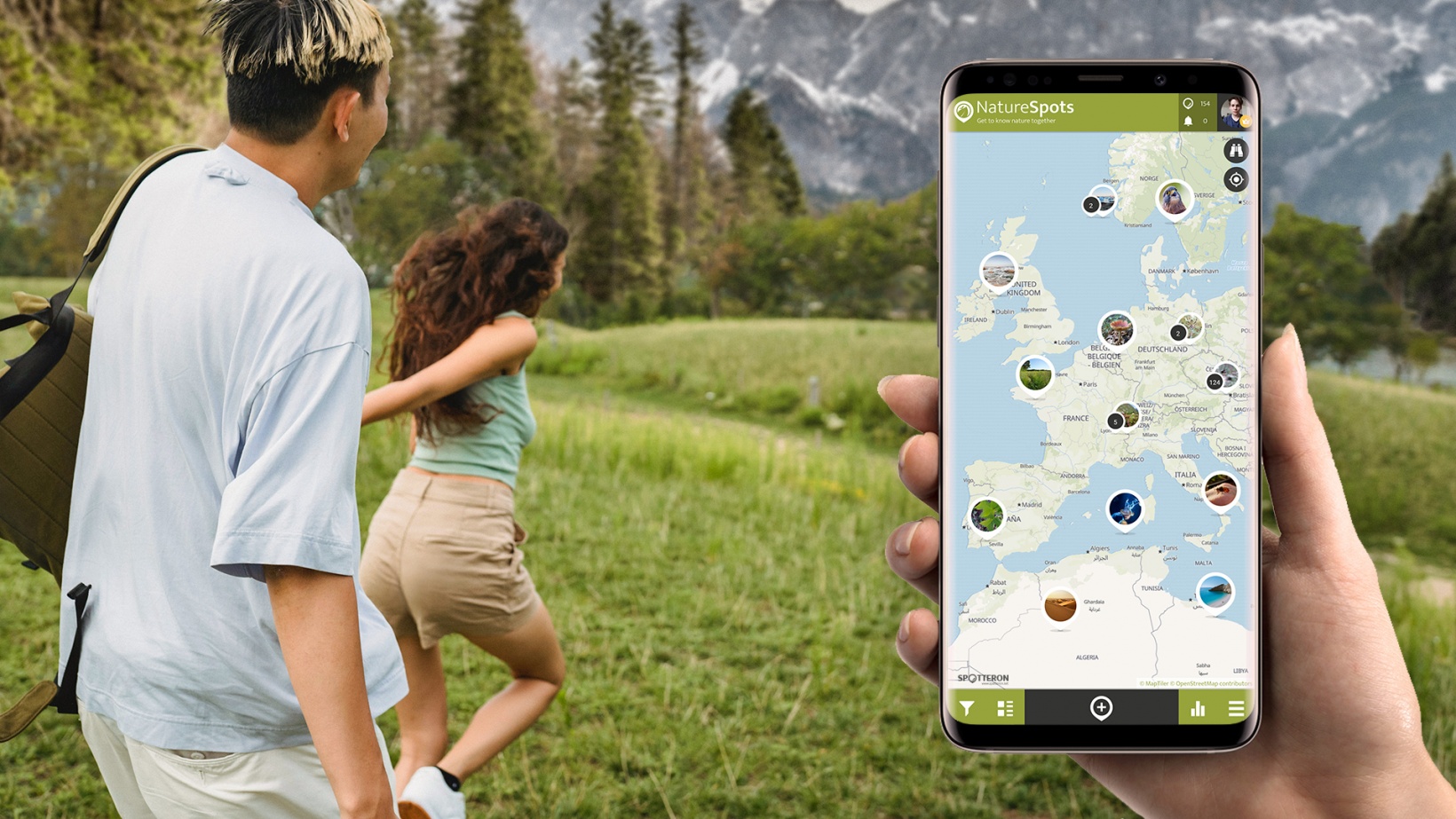
NatureSpots is a non-commercial and free project to discover nature together. In the app, nature photos and sightings of animals, plants or mushrooms can be shared with the community on the map. The app is a new initiative for observing nature and taking part is very simple and straightforward. The app is free of advertising, does not track users and takes digital privacy seriously.
NatureSpots


The new citizen participation uses "Citizen Science" in their hometown and nationwide to get User's feedback on places. As a result, citizens are empowered to become active in a city worth living in to collect and share data themselves and to interact with scientists. This enables them to recognize the consequences of sealing, heat, water shortages, and a lack of biodiversity, and generally, how places in their own environment affect us all.
CIVO Citizen Voice


The IPM-Popillia Horizon 2020 project aims to address the challenge of a new risk to plant health in Europe's agriculture and food safety: the invasion of the Japanese Beetle, Popillia japonica. This invasive species was introduced accidentally to mainland Europe in 2014 and can quickly spread by transportation and trade. As a species with a wide range of feeding plants, P. japonica threatens the entire agricultural sector, urban landscapes, and biodiversity in invaded areas.
IPM Popillia | Integrated Pest Management of the Japanese Beetle


Fridays for Future see itself as a horizontal, grassroots grassroots movement that acts apolitically and refers to science for the facts. To engage the global population more, this app was developed using SPOTTERON. The aim is to find out how the population perceives the climate crisis and which positive and negative emotions are associated with specific topics related to biodiversity and climate crisis.
FRIDAYS FOR FUTURE - Climate App