SPOTTERON
This was the Vienna Ball of Sciences 2019 - with video!
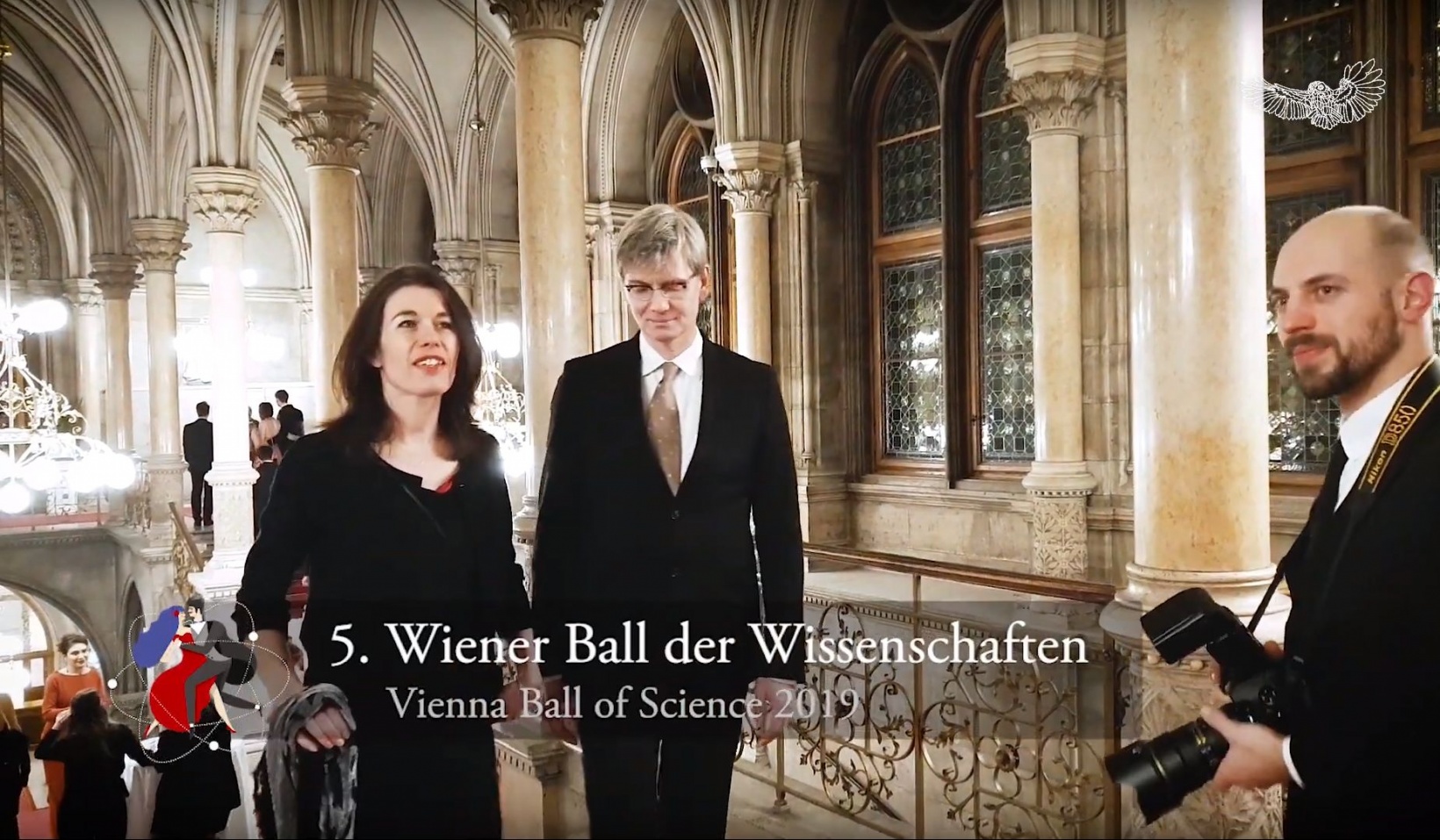
On the 25th of January 2019 the Vienna City Hall hosted the Vienna Ball of Sciences for the 5th time, held under the motto: “Waltz and Science". As Citizen Scientists from SPOTTERON it was a great pleasure, that we had been invited to film the event just as we did the year before.
Nightmode Shortnews
Turning off the lights: read all about the new "Night mode" extension for Citizen Science apps with a focus on night time observations like in astronomy or nocturnal species monitoring in our new blog post here...
Turning off the lights: a new "Night mode" in Citizen Science apps for observations from dusk till dawn
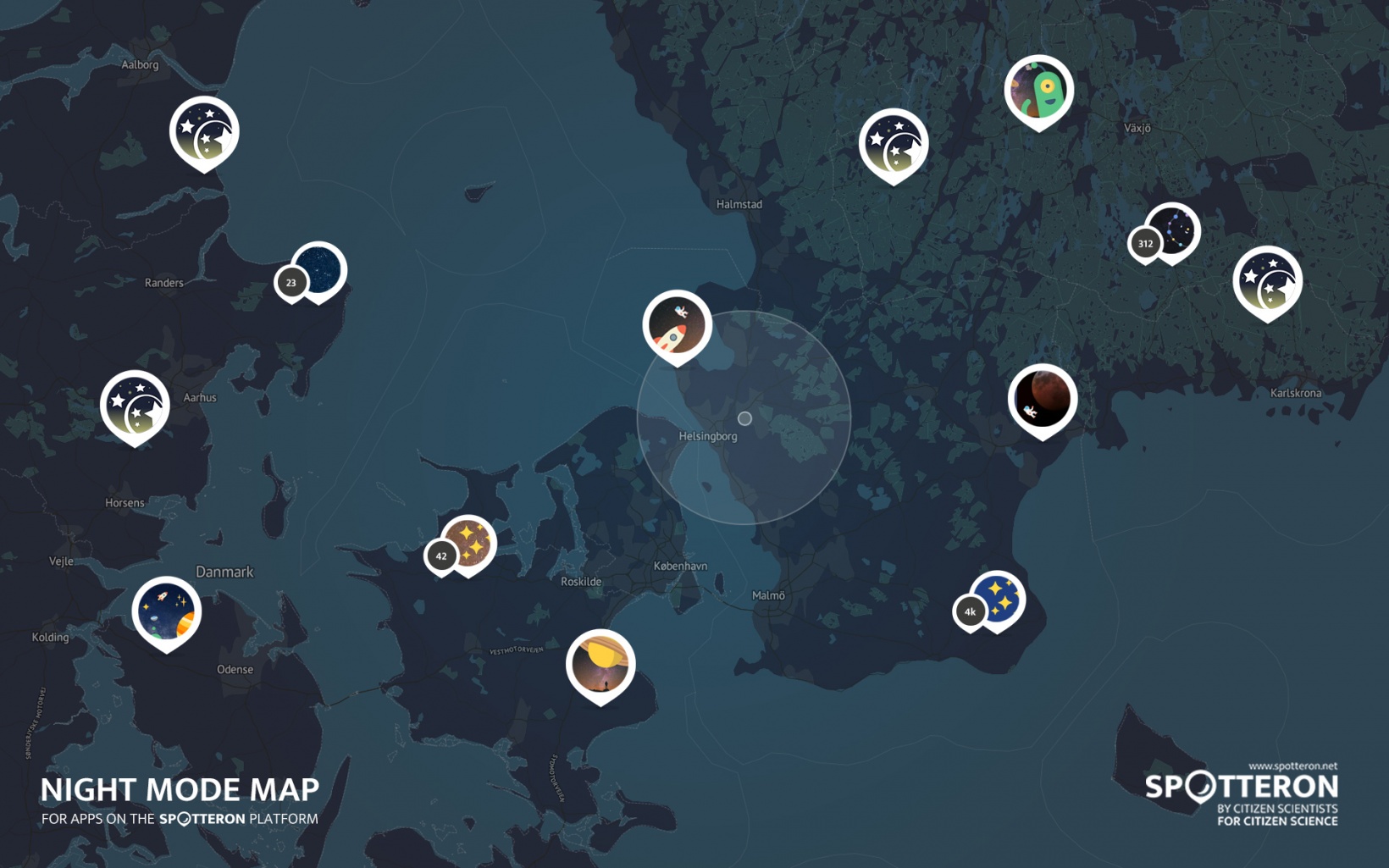
Sometimes, Citizen Science contributions are happening long after the sun has set. To reduce the blinding effect of a smartphone display, we have included a new night mode option for all Citizen Science apps on the SPOTTERON platform.
Manageable number of options in Citizen Science Apps
New on our Citizen Science Blog: Why it's best to give Citizen Scientists only a manageable number of options in selection lists. Find the study and more info on our blog.
Why we recommend not more then 15 options to choose from lists in your Citizen Science app

When developing a Citizen Science app, you can influence usability in many ways. But these crucial decisions can be decisive factors when it comes down to whether they enjoy using it and do so regularly.
Happy new year
We wish a happy new year 2019 and big thanks to the Citizen Science Community on SPOTTERON and project partners for so much CitSci in 2018! We have made a nice picture to celebrate that here in our blog...
Happy New Year 2019 and thanks for all the Citizen Science!

Thanks for all the CitizenScience! We wish you a happy New Year's Eve and many more exciting #CitSci moments in the upcoming year. We have already new projects coming up, the first one about light pollution and Citizen Science will be ready in 1st of February. But for now, we are off until the end of first week of the new year - see you in 2019!
Release Notes Updated
Our Release Notes section, which lists all updats and new features of all Citizen Science apps, just has been updated with the last updates of the SPOTTERON Citizen Science observatory platform.
Jobs

Für Initativbewerbungen aus dem Bereich Software / Apps Entwicklung und Grafikdesign schickt bitte ein eMail an:
This email address is being protected from spambots. You need JavaScript enabled to view it.
Überrascht uns.
New feature: "User Roles" for Citizen Science apps (Data Quality Pack)
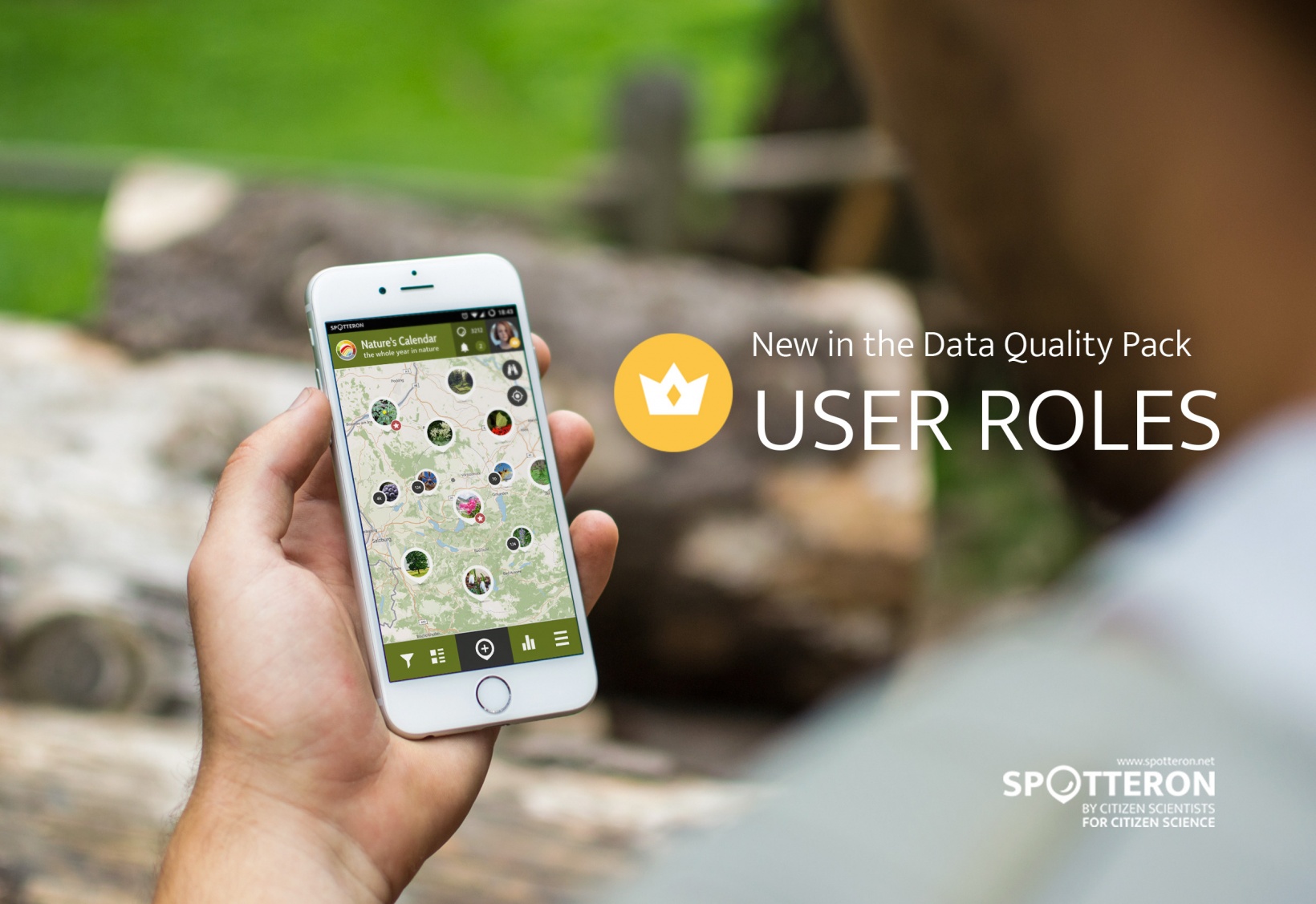
The next SPOTTERON Update brings 3 new extension for all Citizen Science apps on the platform. One of the new features are the upcoming "User Roles", part of SPOTTERON's data quality pack.
Projects & Apps open for Co-Use on SPOTTERON


ArtSpots


With the COSEA App, Citizen Scientists can observe marine environments, document coastal habitats or species, and report on pollution, infrastructure and the blue economy. Their contributions on the map and activity in the app will help scientists better understand the impacts and drivers of marine factors to protect and foster a healthy relationship between humans and seas.
COSEA | Collaboration for Effective Sea Action



NatureSpots is a non-commercial and free project to discover nature together. In the app, nature photos and sightings of animals, plants or mushrooms can be shared with the community on the map. The app is a new initiative for observing nature and taking part is very simple and straightforward. The app is free of advertising, does not track users and takes digital privacy seriously.
NatureSpots


The new citizen participation uses "Citizen Science" in their hometown and nationwide to get User's feedback on places. As a result, citizens are empowered to become active in a city worth living in to collect and share data themselves and to interact with scientists. This enables them to recognize the consequences of sealing, heat, water shortages, and a lack of biodiversity, and generally, how places in their own environment affect us all.
CIVO Citizen Voice


The IPM-Popillia Horizon 2020 project aims to address the challenge of a new risk to plant health in Europe's agriculture and food safety: the invasion of the Japanese Beetle, Popillia japonica. This invasive species was introduced accidentally to mainland Europe in 2014 and can quickly spread by transportation and trade. As a species with a wide range of feeding plants, P. japonica threatens the entire agricultural sector, urban landscapes, and biodiversity in invaded areas.
IPM Popillia | Integrated Pest Management of the Japanese Beetle

Fridays for Future see itself as a horizontal, grassroots grassroots movement that acts apolitically and refers to science for the facts. To engage the global population more, this app was developed using SPOTTERON. The aim is to find out how the population perceives the climate crisis and which positive and negative emotions are associated with specific topics related to biodiversity and climate crisis.
FRIDAYS FOR FUTURE - Climate App