SPOTTERON
Umevatoriet
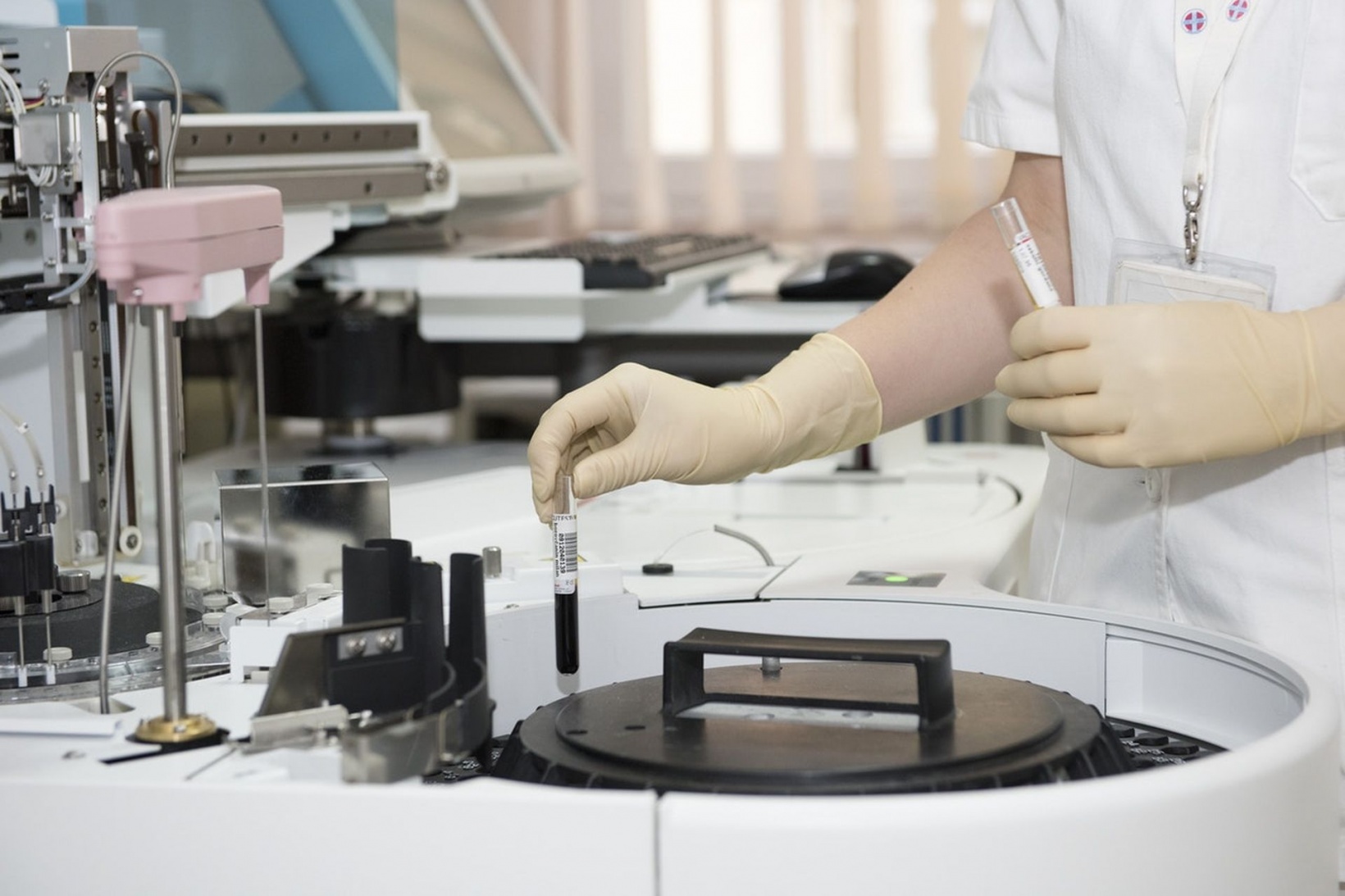
The aim of Umevatoriet is to promote science, technology and mathematics through a collaboration between the school administrations of Umeå municipality and its neighbouring districts, Umeå University and the local industry. Together we create activities that gives the opportunity for both pupils and their teachers to perform experiments and deepen their knowledge and experiences in science, technology and mathematics. The starting-point for our themes is usually space and from there our visitors are led towards various areas, depending on their age and background.
The Swedish Astronomical Society

The Swedish Astronomical Society (Svenska astronomiska sällskapet) is a national organization in Sweden aimed at people who want to follow the achievements of astronomical research. Founded in 1919, the society has from the outset intended to be "an intimate connection between scientists, amateur astronomers, and others interested in astronomy".
"Popular Astronomy" is the association's member magazine. "Astronomical Youth" is the society's Youth League.
Swedish National Space Agency

The Swedish National Space Agency, SNSA, is a central governmental agency under the Ministry of Education and Research. SNSA is responsible for national and international activities relating to space and remote sensing, primarily research and development.
FYSIK.ORG

Sweden, along with many other countries, is facing a gradual decrease in the number of young people who choose to study science and engineering. With the intention to bring about a change, five national resource centers for mathematics, physics, chemistry, biology, and technology education have been established by the government.
The National Resource Centre for Physics Education aims to be a resource for teachers from preschool to upper secondary school. The aim is to inspire and stimulate the development of physics education and to allow teachers to further studies of physics.
FORMAS

Formas is a government research council for sustainable development in Sweden. They fund research and innovation, develop strategies, perform analyses, and conduct evaluations. Their areas of activity include the environment, agricultural sciences, and spatial planning. They do specific environmental studies that aim to make it easier for Sweden to achieve their ecological goals.
Lund University
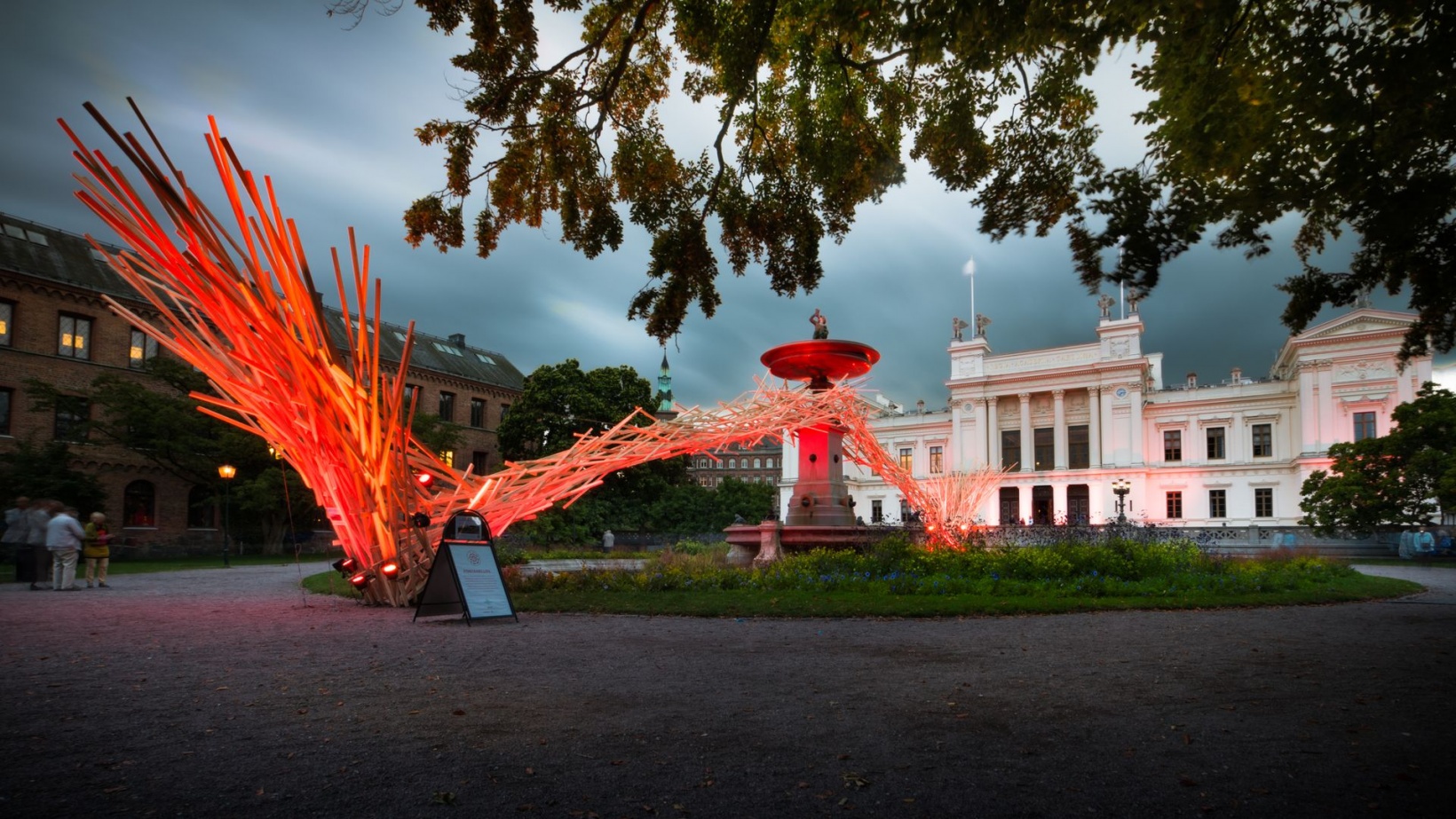
Lund University is the most popular University of Sweden. It was founded in 1666 and is ranked among the world’s top 100 universities. The University has 40,000 students and 7,400 staff based in Lund, Helsingborg and Malmö. "We are united in our efforts to understand, explain and improve our world and the human condition."
A new SPOTTERON Version is here!
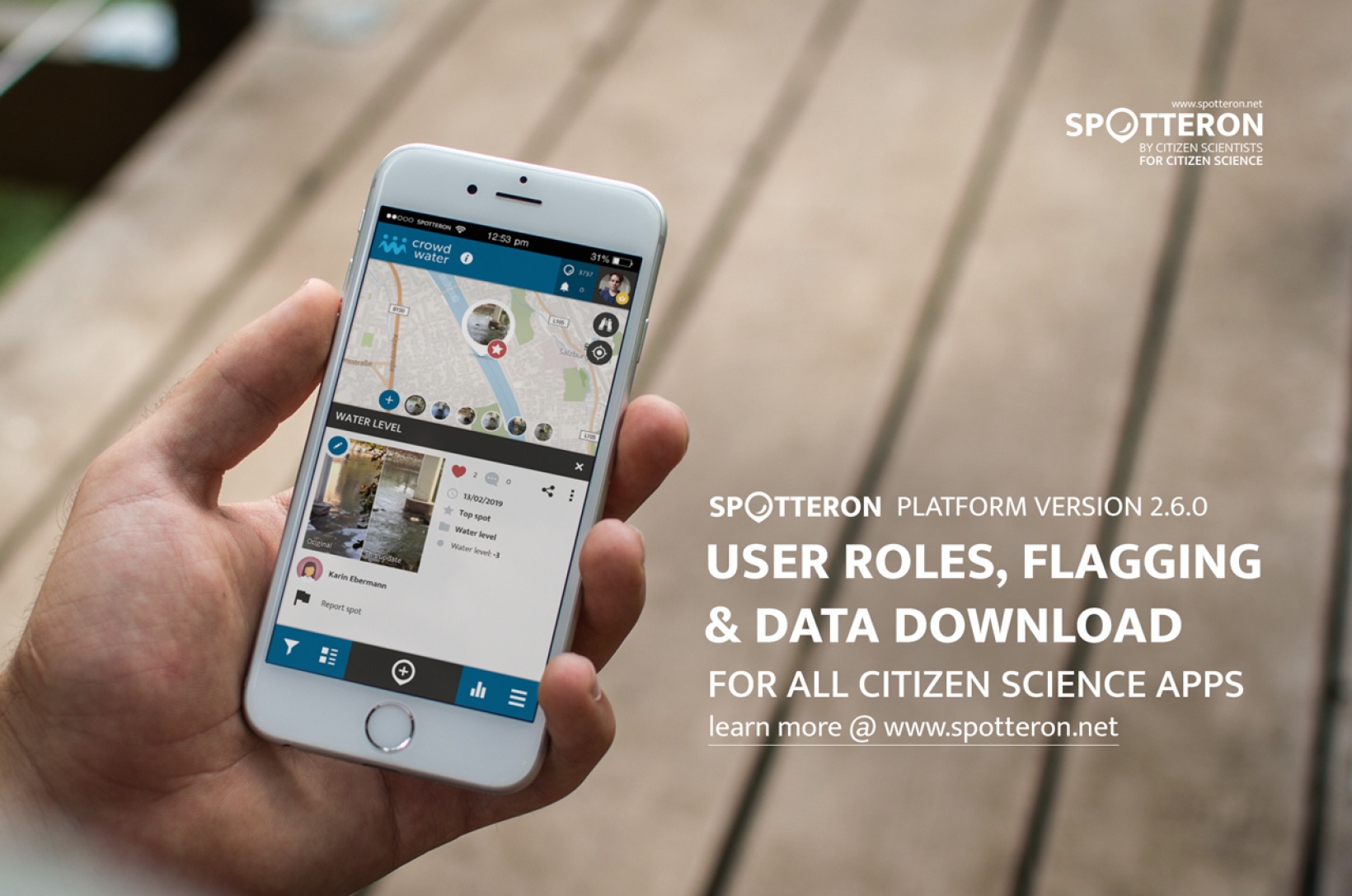
A new SPOTTERON version is here! 2.6.0 includes User Roles, Flagging and DataDownload and is ready to be used by all Citizen Science Apps on the platform. Check out the new blog entry in our Citizen Science Blog.
A new version release! SPOTTERON 2.6.0 includes User Roles, Flagging and Data Download for all Citizen Science Apps
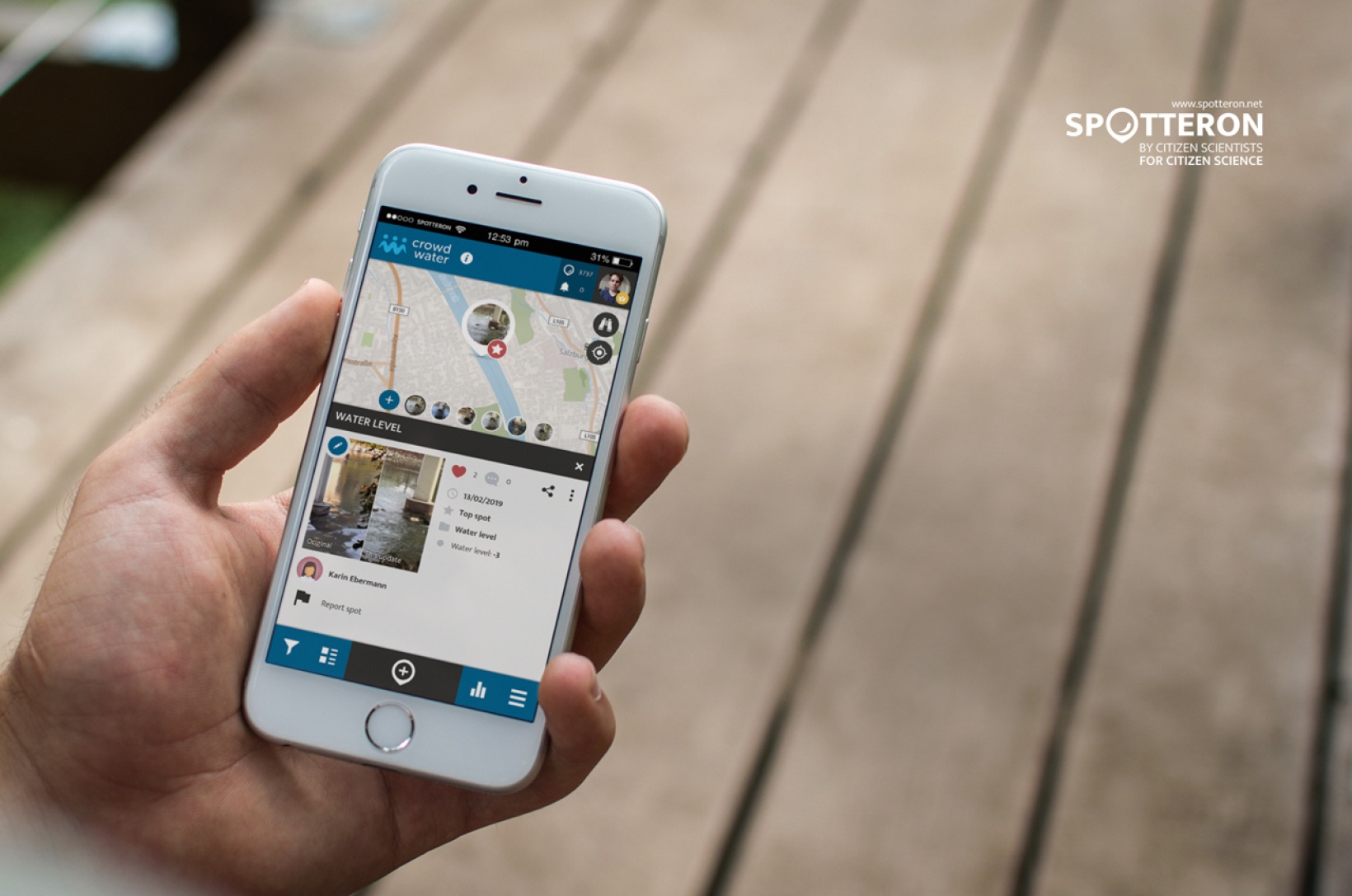
We are happy to announce the release of the new SPOTTERON version 2.6.0! The next SPOTTERON Update brings 3 new extension, available for all Citizen Science apps running on the SPOTTERON platform. In the following blog entry we are going to explain these new features and their function.
It is App Release Day!
The new SPOTTERON version 2.6.0 is ready & brings two new exciting features to increase Data Quality in Citizen Science apps for all projects on the SPOTTERON Platform: User roles & Data flagging.
Stjärnförsöket

The "Stjärnförsöket" (Star-Spotting) project collects contributions about light pollution in Sweden and in partner countries. By pointing a cardboard tube in all cardinal directions, Citizen Scientists record how many stars they see at their current location. By these values, light pollution can be calculated directly in the Citizen Science app. The project is part of the "Forskar Fredag 2019" initiative, funded by the EU Horizon 2020 program.
Projects & Apps open for Co-Use on SPOTTERON


ArtSpots


With the COSEA App, Citizen Scientists can observe marine environments, document coastal habitats or species, and report on pollution, infrastructure and the blue economy. Their contributions on the map and activity in the app will help scientists better understand the impacts and drivers of marine factors to protect and foster a healthy relationship between humans and seas.
COSEA | Collaboration for Effective Sea Action



NatureSpots is a non-commercial and free project to discover nature together. In the app, nature photos and sightings of animals, plants or mushrooms can be shared with the community on the map. The app is a new initiative for observing nature and taking part is very simple and straightforward. The app is free of advertising, does not track users and takes digital privacy seriously.
NatureSpots


The new citizen participation uses "Citizen Science" in their hometown and nationwide to get User's feedback on places. As a result, citizens are empowered to become active in a city worth living in to collect and share data themselves and to interact with scientists. This enables them to recognize the consequences of sealing, heat, water shortages, and a lack of biodiversity, and generally, how places in their own environment affect us all.
CIVO Citizen Voice


The IPM-Popillia Horizon 2020 project aims to address the challenge of a new risk to plant health in Europe's agriculture and food safety: the invasion of the Japanese Beetle, Popillia japonica. This invasive species was introduced accidentally to mainland Europe in 2014 and can quickly spread by transportation and trade. As a species with a wide range of feeding plants, P. japonica threatens the entire agricultural sector, urban landscapes, and biodiversity in invaded areas.
IPM Popillia | Integrated Pest Management of the Japanese Beetle


Fridays for Future see itself as a horizontal, grassroots grassroots movement that acts apolitically and refers to science for the facts. To engage the global population more, this app was developed using SPOTTERON. The aim is to find out how the population perceives the climate crisis and which positive and negative emotions are associated with specific topics related to biodiversity and climate crisis.
FRIDAYS FOR FUTURE - Climate App