SPOTTERON
Gaspar Frutuoso Foundation (FGF)

Established in March 1999 by the University of the Azores (UAc), the Gaspar Frutuoso Foundation (FGF) has been a pivotal force in bolstering the scientific and technological endeavors of UAc. Over the course of its existence, FGF has actively overseen a portfolio of research and service projects, engaging UAc professors and researchers as participants and/or leaders in these initiatives.
Helmholtz Center for Infection Research
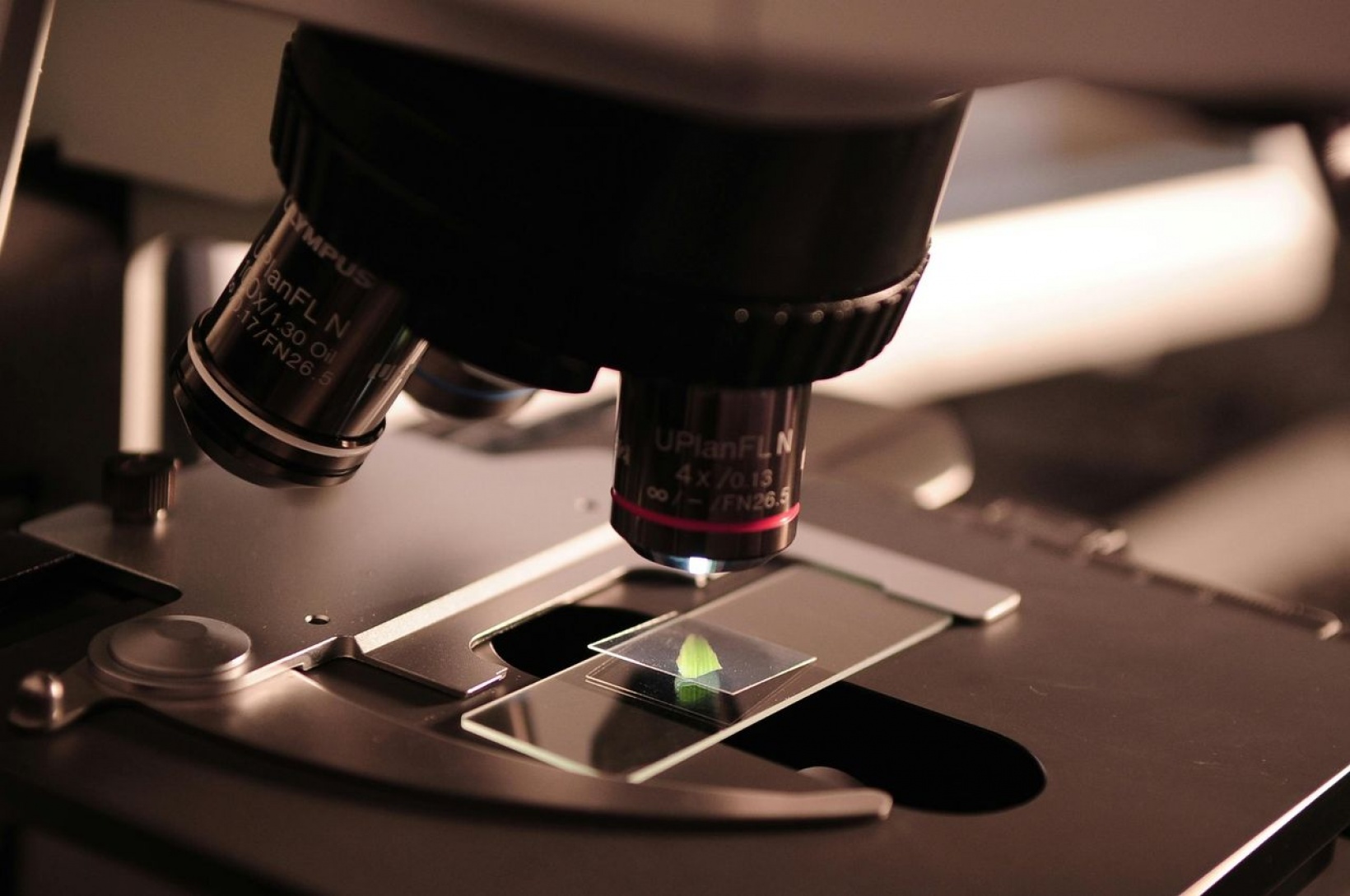
At the Helmholtz Center for Infection Research, scientists research the mechanisms of infectious diseases and their defense. The findings from basic research are systematically developed further in the direction of medical applications.
CHQ Technologies P.C.

CHQ Technologies P.C. is a startup founded in 2019 as a spin-off of the Technical University of Crete (TU-Crete). The core team possesses extensive research expertise in various facets of bioremediation and phytoremediation, as well as in wastewater treatment and addressing pollution in both marine and terrestrial environments, including agricultural soils.
FiBL Austria

FiBL Austria is a non-profit association that specializes in scientific expertise in current issues in the areas of agriculture, food processing and consumption. His main competencies lie in practical research, application-oriented studies and the communication of in-depth biological knowledge. As a recognized scientific institution, it plays an active role in networking all those involved along the organic food value chain.
Jardin Suisse Ticino

JardinSuisse Ticino is an association founded in 1932 that brings together professional gardeners in the canton of Ticino, Switzerland.
It is committed to informing its member organizations about new technologies, promoting an ecological orientation of activities at a professional level, contributing to the vocational training of apprentices and promoting contacts between members to exchange experiences.
Vignaioli Piemontesi

Vignaioli Piemontesi are the largest wine producers organisation in Italy providing winemaking services, consultancy and technical, legislative, commercial, promotional, administrative/fiscal and experimental services for the winemaking world.
Pessl Instruments

Pessl Instruments, an Austrian enterprise with over 35 years of expertise in (weather) measurement technology, specializes in providing comprehensive solutions for agricultural and green space management.
e-nema
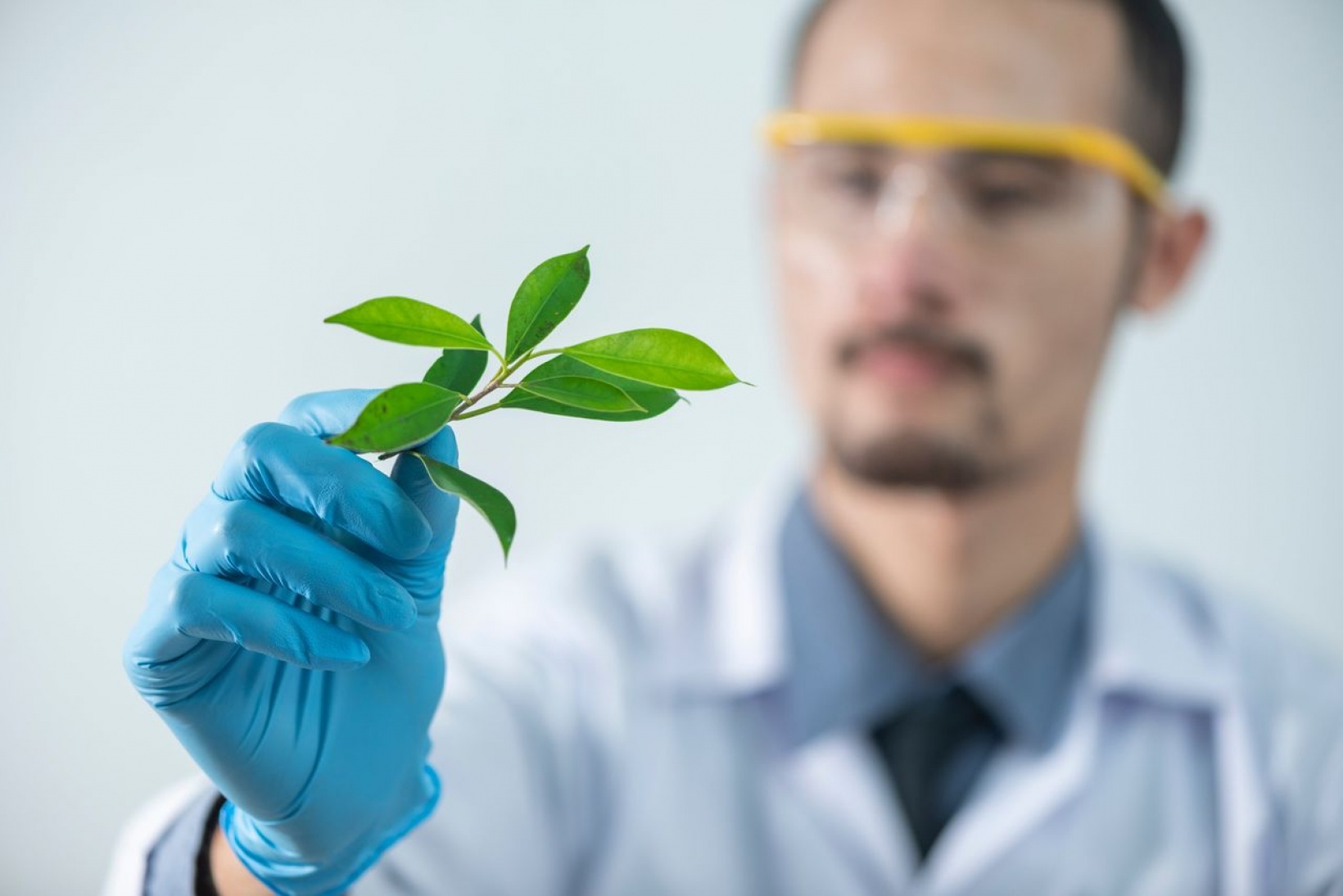
E-Nema is a family-owned business based in Kiel, Germany, that specializes in researching and producing nematodes and other natural organisms that can supplement or replace chemical agents. They are the world's largest producers of plant protection through fermentation. Their customers include industrial producers, farmers, horticulturalists, and hobby gardeners on all inhabited continents.
University of Hull

The University of Hull is a public research university in Kingston upon Hull, a city in the East Riding of Yorkshire, England. It was founded in 1927.
Iniversity of Innsbruck

The Leopold Franzens University of Innsbruck (LFU or LFUI for short, Latin Universitas Leopoldino-Franciscea Oenipontana), founded in 1669, is the largest educational and research institution in western Austria. It is considered the state university of the Austrian federal states of Tyrol and Vorarlberg.
Projects & Apps open for Co-Use on SPOTTERON


ArtSpots



With the COSEA App, Citizen Scientists can observe marine environments, document coastal habitats or species, and report on pollution, infrastructure and the blue economy. Their contributions on the map and activity in the app will help scientists better understand the impacts and drivers of marine factors to protect and foster a healthy relationship between humans and seas.
COSEA | Collaboration for Effective Sea Action



NatureSpots is a non-commercial and free project to discover nature together. In the app, nature photos and sightings of animals, plants or mushrooms can be shared with the community on the map. The app is a new initiative for observing nature and taking part is very simple and straightforward. The app is free of advertising, does not track users and takes digital privacy seriously.
NatureSpots


The new citizen participation uses "Citizen Science" in their hometown and nationwide to get User's feedback on places. As a result, citizens are empowered to become active in a city worth living in to collect and share data themselves and to interact with scientists. This enables them to recognize the consequences of sealing, heat, water shortages, and a lack of biodiversity, and generally, how places in their own environment affect us all.
CIVO Citizen Voice


The IPM-Popillia Horizon 2020 project aims to address the challenge of a new risk to plant health in Europe's agriculture and food safety: the invasion of the Japanese Beetle, Popillia japonica. This invasive species was introduced accidentally to mainland Europe in 2014 and can quickly spread by transportation and trade. As a species with a wide range of feeding plants, P. japonica threatens the entire agricultural sector, urban landscapes, and biodiversity in invaded areas.
IPM Popillia | Integrated Pest Management of the Japanese Beetle



Fridays for Future see itself as a horizontal, grassroots grassroots movement that acts apolitically and refers to science for the facts. To engage the global population more, this app was developed using SPOTTERON. The aim is to find out how the population perceives the climate crisis and which positive and negative emotions are associated with specific topics related to biodiversity and climate crisis.
FRIDAYS FOR FUTURE - Climate App