SPOTTERON
HealthyHoods
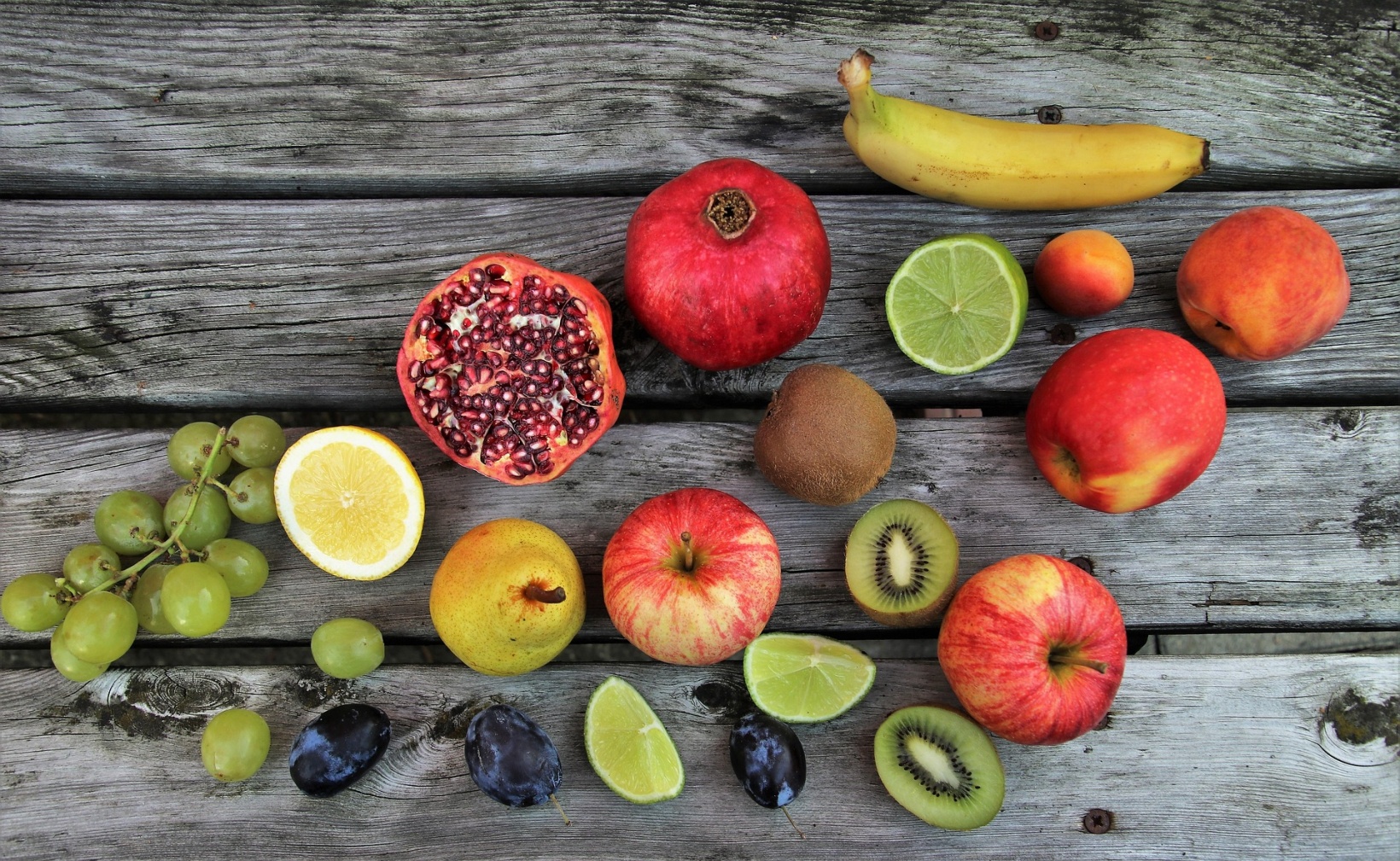
The HealthyHoods App, a Citizen Science project by researchers from Denmark, Latvia, and the Netherlands, aims to promote healthy lifestyles by focusing on food and physical activity opportunities in local neighborhoods. The HealthyHoods App enables users to capture aspects of their neighborhood that either support or hinder a healthy lifestyle, providing valuable insights into how the environment influences daily habits.
Mein Baum
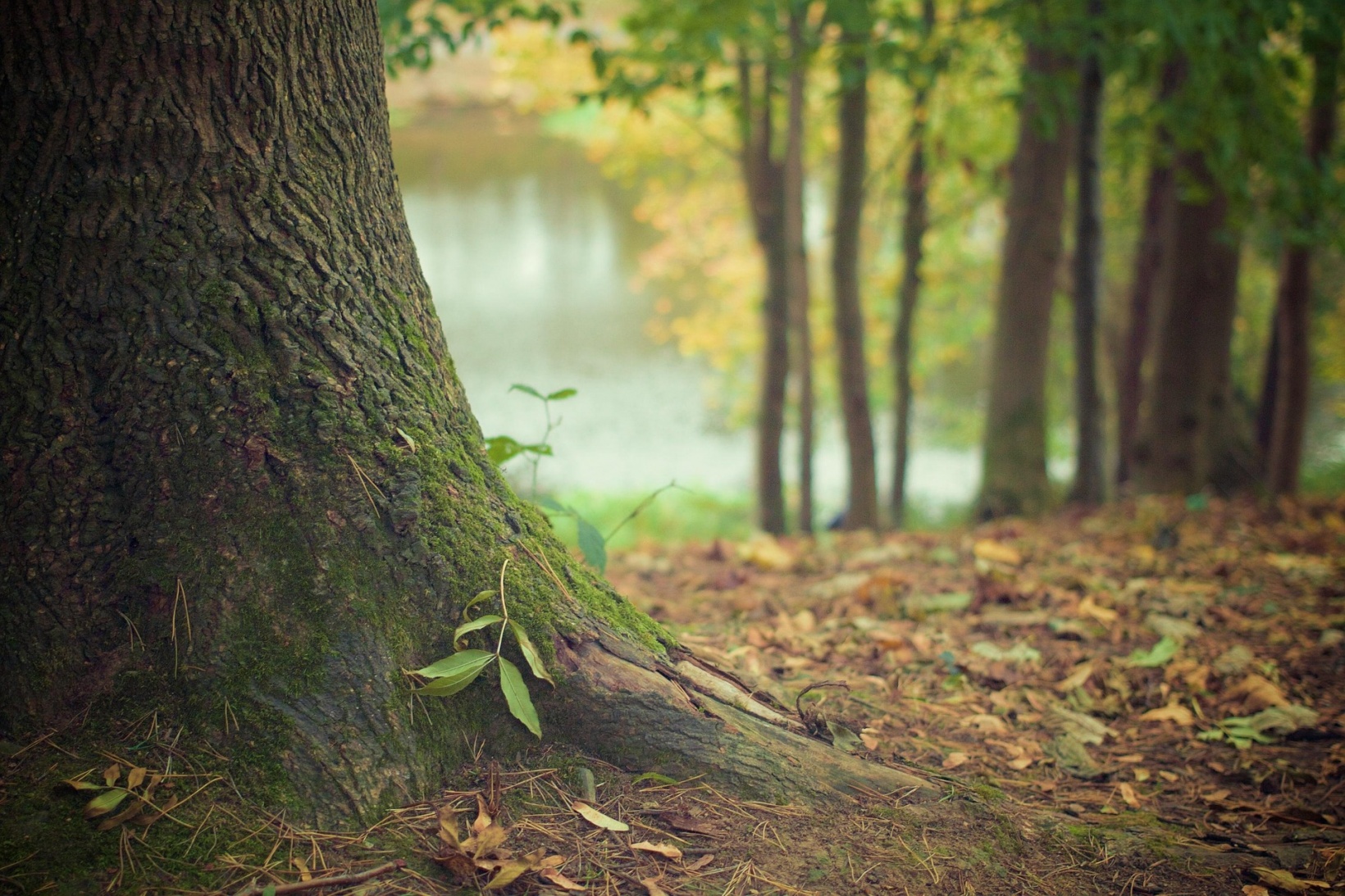
The Mein Baum App helps users care for and protect the trees in their communities by tracking their condition and sharing observations. Trees play a vital role in making cities and villages livable by providing shade, fresh air, and beauty, but they face numerous threats, such as drought, diseases, and urban development.
LinkMeToHealth
LinkMeToHealth is a community-driven App that provides up-to-date information on local health and wellbeing services. It offers a digital directory of nearby medical services, wellbeing offerings, sporting clubs, and other resources to help users improve their health and quality of life. The App is an initiative by The University of Queensland's Centre for Community Health and Wellbeing, with input from the Springfield community in Queensland, Australia.
AgroPionier
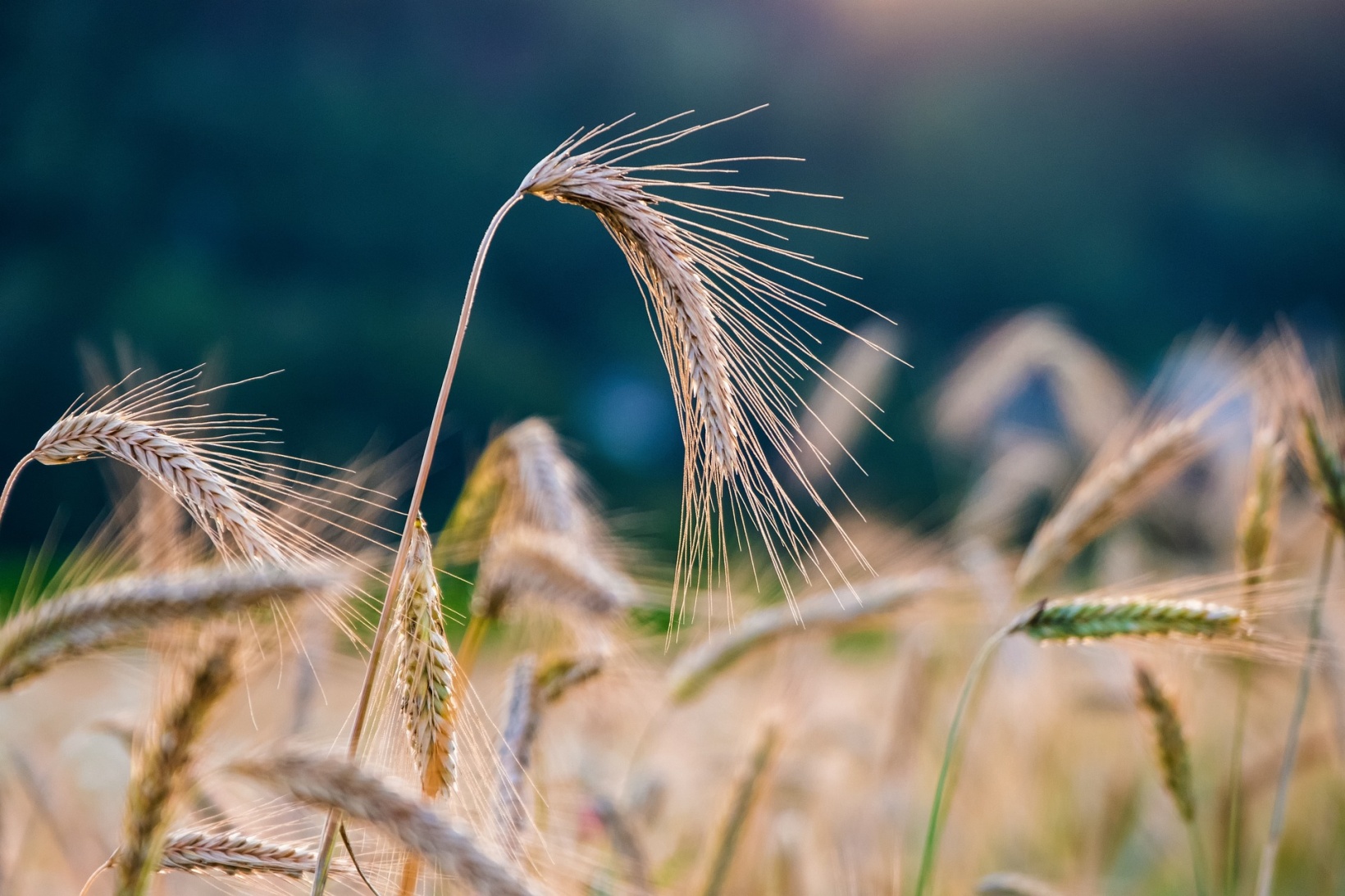
The AgroPionier App is designed to support those working with or interested in niche crops in Switzerland. Developed by the AgroPionier research project of the Zurich University of Applied Sciences (ZHAW) in collaboration with innovative farmers, the App aims to promote exchange and networking related to the cultivation, processing, and marketing of niche crops in the country.
NovelEco
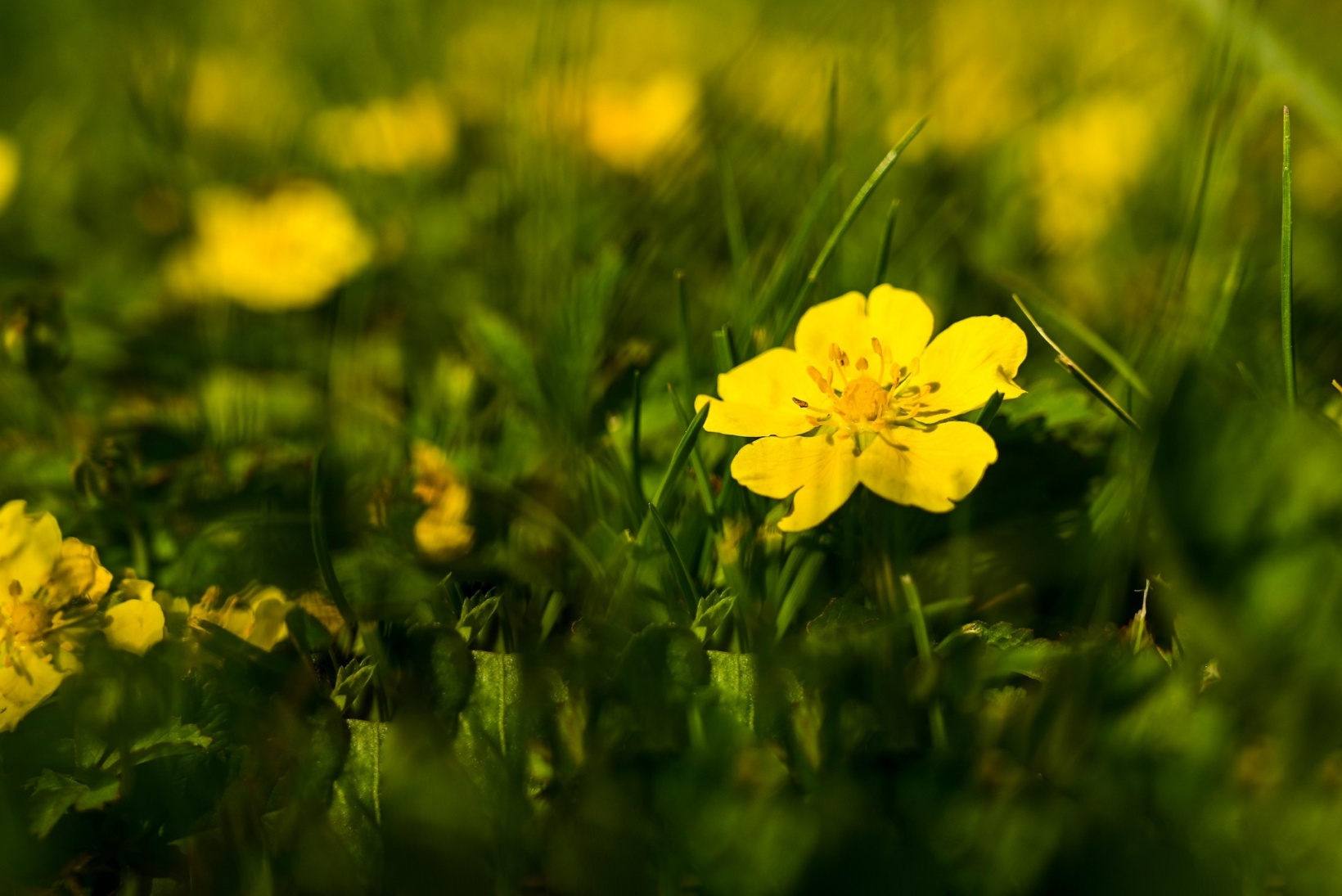
NovelEco is a citizen science project funded by the European Research Council, designed to explore how people perceive urban wild spaces. The project focuses on gathering ecological and social data to understand the dynamics of urban ecosystems, particularly those that develop in unexpected or overlooked areas of cities.
Walkability

Walkability, an initiative by the Walk21 Foundation, a UK charity, aims to make walking safer, more accessible, and enjoyable for people of all ages and abilities. The Walkability App allows users to share their walking experiences, providing valuable insights into the accessibility and safety of public spaces.
UrbanBetter Cityzens
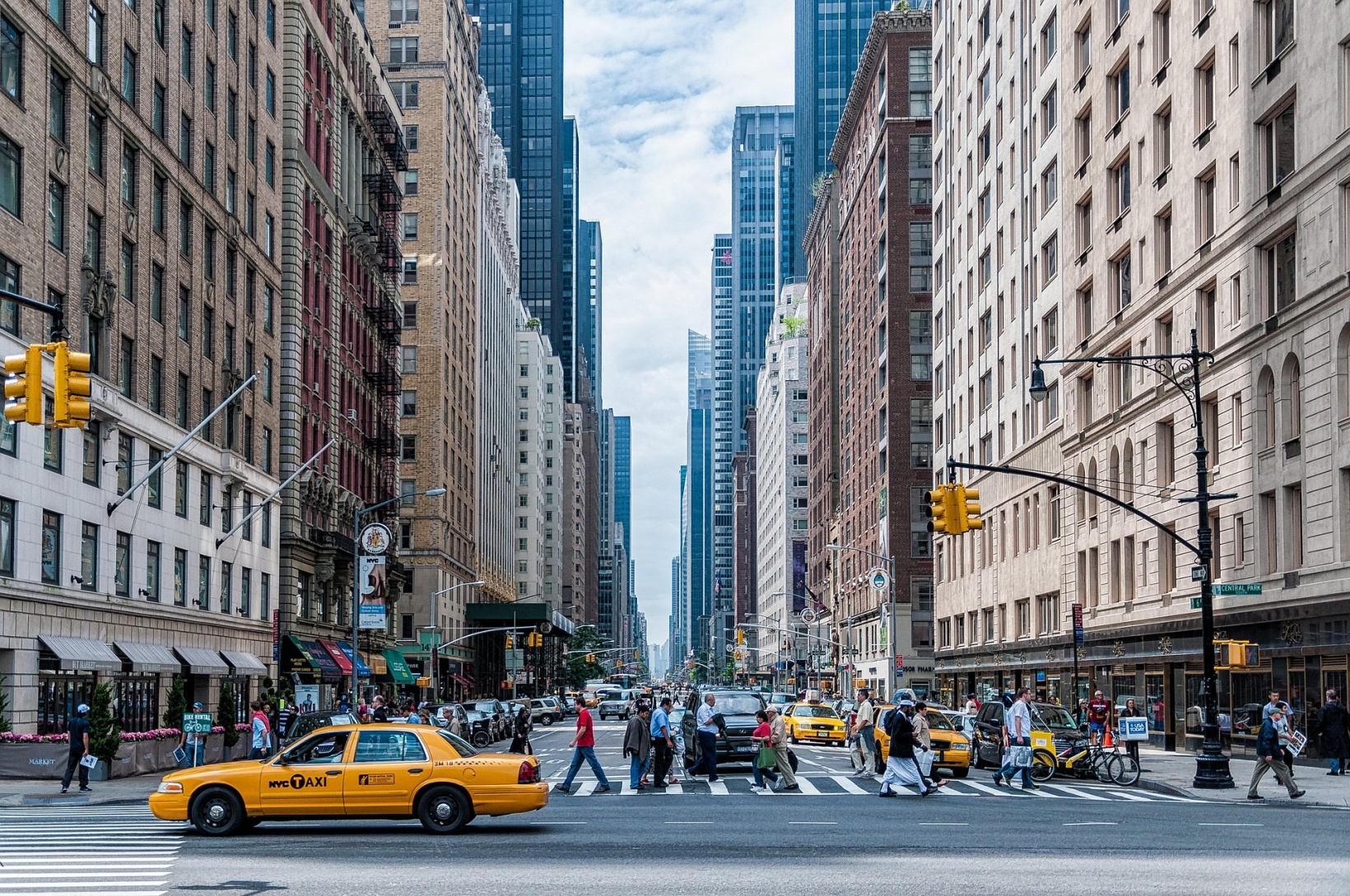
The main objective of the UrbanBetter Cityzens App, initiated by the Africa-led global social enterprise UrbanBetter, is to create a youth-led global movement that connects physical activity with technology and citizen science to promote more climate-resilient and healthier urban public spaces.
BOB - Behavioural Observations in Beetles
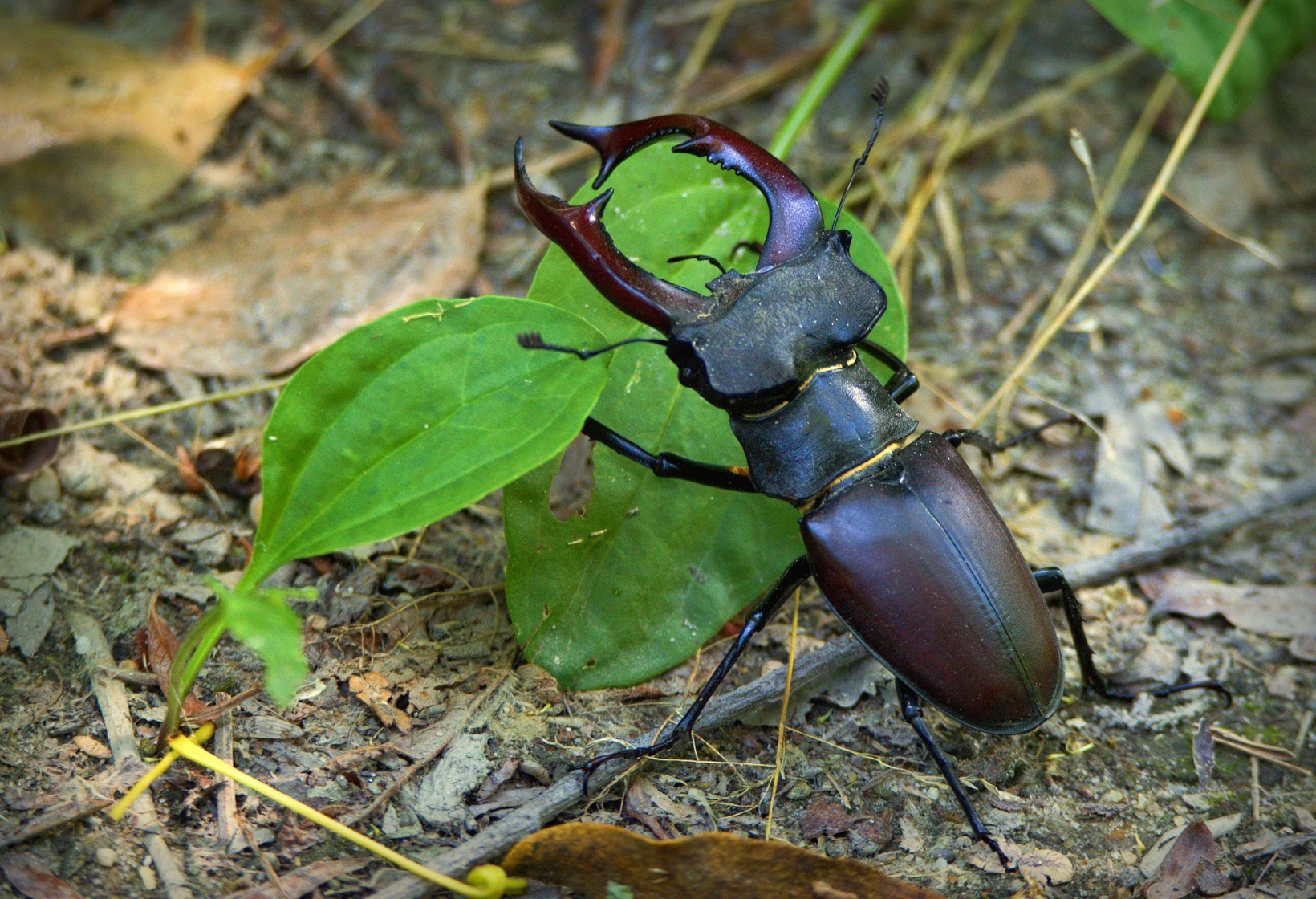
The BOB (acronym for Behavioural Observations in Beetles) App, an initiative by CREA, is dedicated to contributing to the behavioral study of protected insects in Europe. Citizen scientists are invited to observe three particular types of beetles in their surroundings: the stag beetle (Lucanus cervus), the rosalia longicorn (Rosalia alpina) and the funereal longhorn beetle (Morimus asper).
P51 | Citizen Science
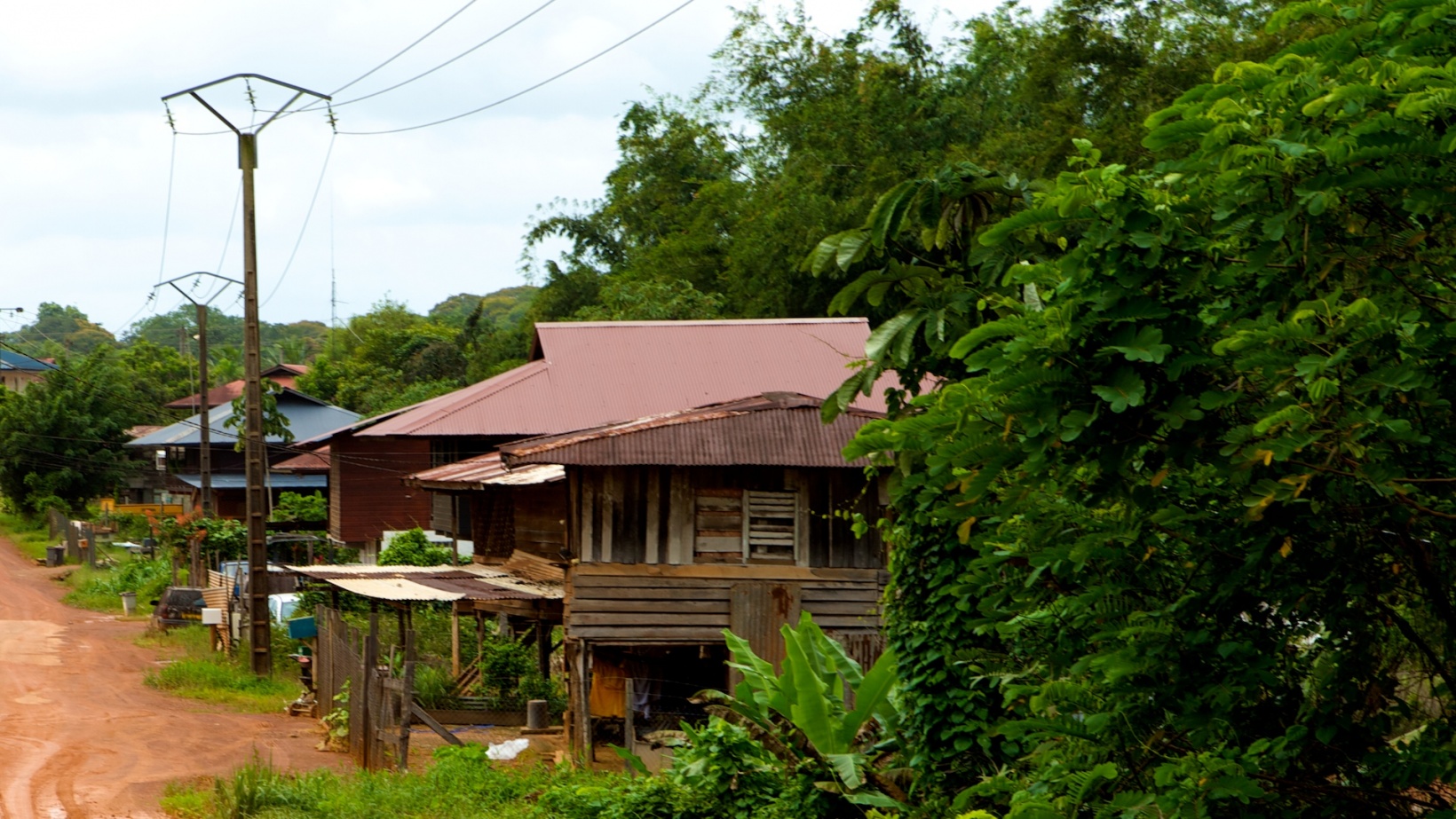
P51 is a project by La Ruta del Clima with the objective to gather knowledge from communities about the effects of climate change on different issues such as infrastructure, territorial changes, human rights, loss of species and territority etc.
COSEA | Collaboration for Effective Sea Action
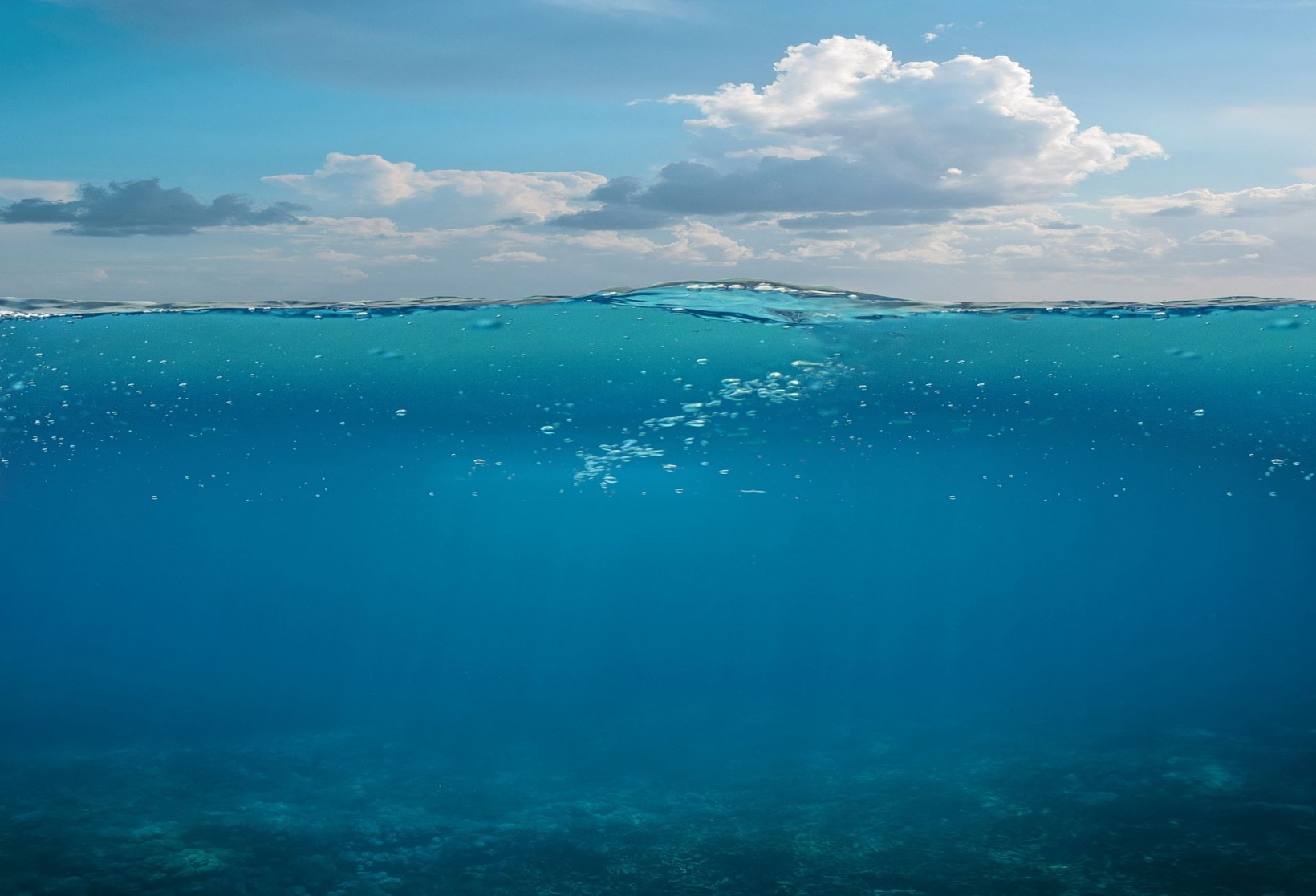
With the COSEA App, Citizen Scientists can observe marine environments, document coastal habitats or species, and report on pollution, infrastructure and the blue economy. Their contributions on the map and activity in the app will help scientists better understand the impacts and drivers of marine factors to protect and foster a healthy relationship between humans and seas.
Projects & Apps open for Co-Use on SPOTTERON


ArtSpots


With the COSEA App, Citizen Scientists can observe marine environments, document coastal habitats or species, and report on pollution, infrastructure and the blue economy. Their contributions on the map and activity in the app will help scientists better understand the impacts and drivers of marine factors to protect and foster a healthy relationship between humans and seas.
COSEA | Collaboration for Effective Sea Action


NatureSpots is a non-commercial and free project to discover nature together. In the app, nature photos and sightings of animals, plants or mushrooms can be shared with the community on the map. The app is a new initiative for observing nature and taking part is very simple and straightforward. The app is free of advertising, does not track users and takes digital privacy seriously.
NatureSpots


The new citizen participation uses "Citizen Science" in their hometown and nationwide to get User's feedback on places. As a result, citizens are empowered to become active in a city worth living in to collect and share data themselves and to interact with scientists. This enables them to recognize the consequences of sealing, heat, water shortages, and a lack of biodiversity, and generally, how places in their own environment affect us all.
CIVO Citizen Voice

The IPM-Popillia Horizon 2020 project aims to address the challenge of a new risk to plant health in Europe's agriculture and food safety: the invasion of the Japanese Beetle, Popillia japonica. This invasive species was introduced accidentally to mainland Europe in 2014 and can quickly spread by transportation and trade. As a species with a wide range of feeding plants, P. japonica threatens the entire agricultural sector, urban landscapes, and biodiversity in invaded areas.
IPM Popillia | Integrated Pest Management of the Japanese Beetle

Fridays for Future see itself as a horizontal, grassroots grassroots movement that acts apolitically and refers to science for the facts. To engage the global population more, this app was developed using SPOTTERON. The aim is to find out how the population perceives the climate crisis and which positive and negative emotions are associated with specific topics related to biodiversity and climate crisis.
FRIDAYS FOR FUTURE - Climate App