SPOTTERON
Barbara Strobl, University of Zurich

Through SPOTTERON we share more than just an app infrastructure with other projects, we also share ideas. This way we get to develop and constantly improve user-friendly apps, which are easy to handle and work for many different kinds of projects.
Daniel Dörler, University of Life Sciences (BOKU), Vienna

To me, SPOTTERON is the successful combination of scientific claim and aesthetic design. The apps work intuitively, are extremely appealing and still fulfill all my scientific requirements when it comes to data quality and safety. Working together happens in a very loyal and trusting way and that allows us to profit from the design- and usability experience SPOTTERON has.
Klaus Wanninger, Lacon

What I especially like about SPOTTERON, is that we get to use many ideas and new tools that were developed for other projects in the SPOTTERON family without having to pay for them..
New Contact Page
How it works

Running your own Citizen Science project on the SPOTTERON platform is easy. First, we provide a free quotation based on a project's description or a Skype call at first hand, which summarizes all the costs, including updates and support for your Citizen Science apps. After your decision, we work in collaboration with your research project to create the app's data structure and necessary assets like a project logo, icons, app store media, and others.
Privacy & data safety

In an online environment, privacy and data safety are essential points to consider when running an interactive project. Being digital natives ourselves, we apply high standards to the SPOTTERON platform in regards to the reliability of the technological solutions, and we also apply advanced ethical standards to increase further the privacy level of the users in your Citizen Science app.
Australia! Get your free Citizen Science Apps on the SPOTTERON platform
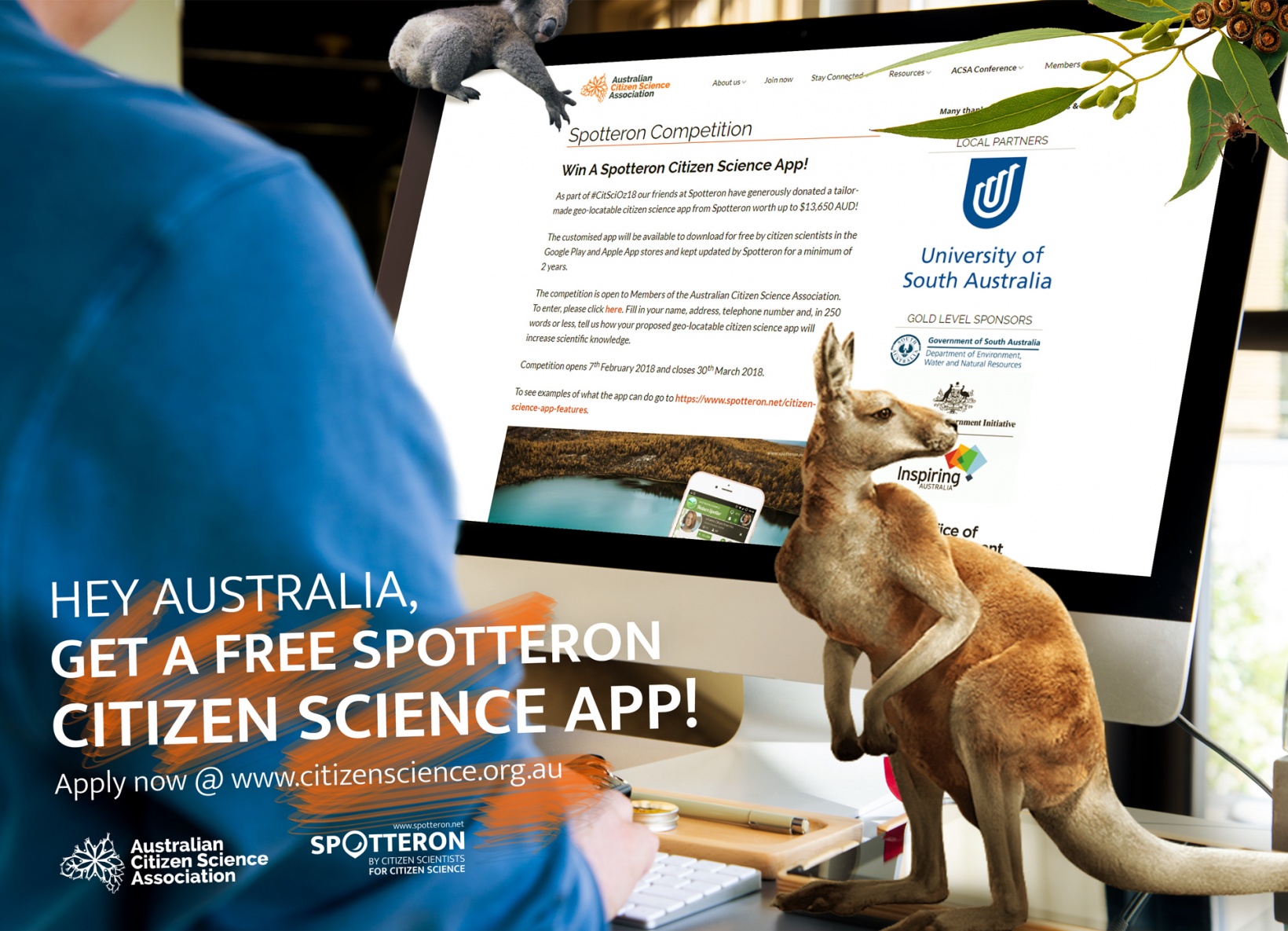
SPOTTERON goes Australia! We are happy to announce that we are giving away a customised geo-locatable free Citizen Science app among all members of the Australian Citizen Science Association that take part in the competition and tell us how their proposed geo-locatable citizen science app will increase scientific knowledge.
New Citizen Science App Feature: Spot Statistics
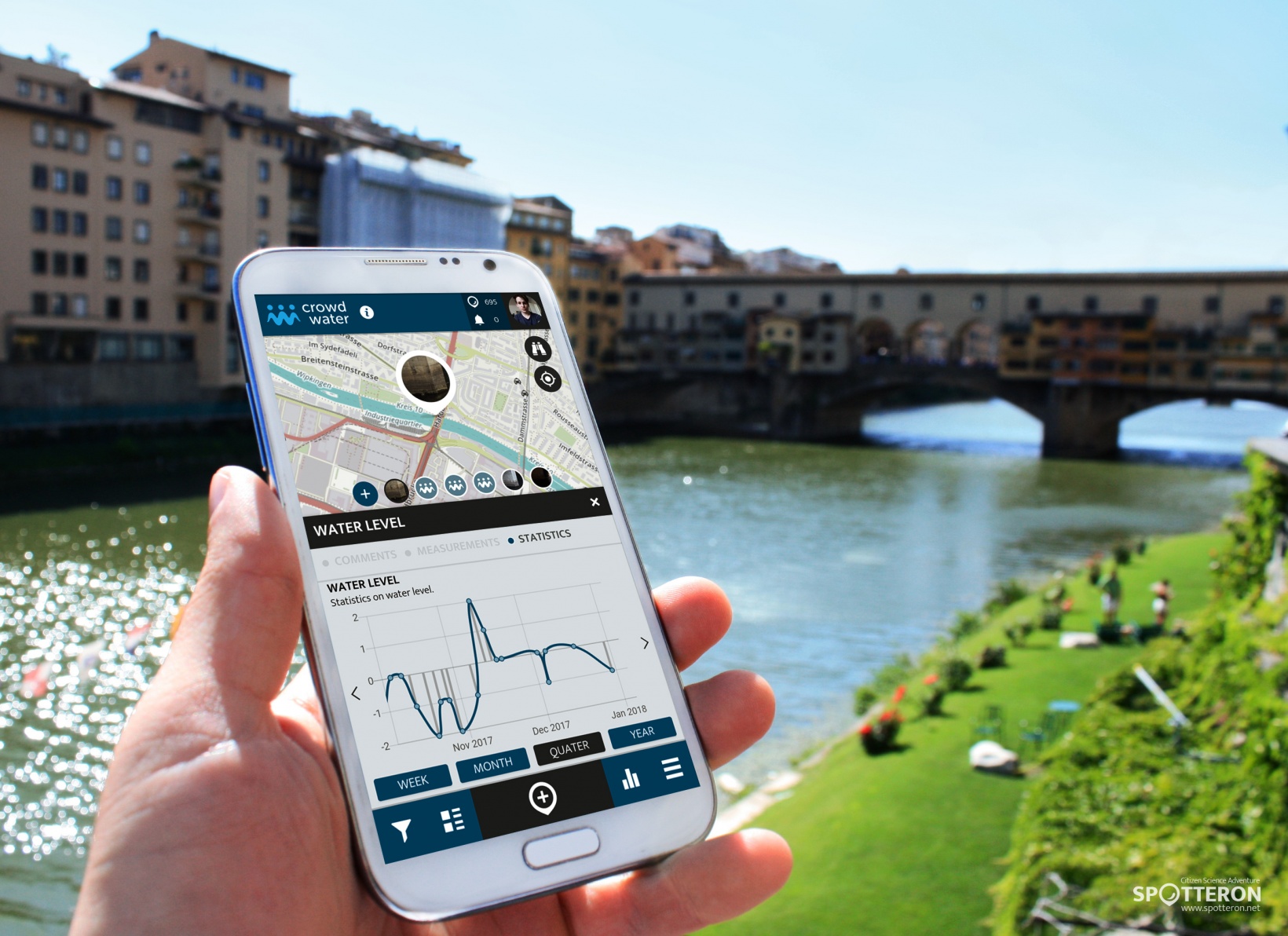
A new feature is ready for use by all Citizen Science projects running on the SPOTTERON platform: Spot Statistics. The observation of change over time plays an important role in many Citizen Science projects, from hydrology, land coverage or phenology. In the CitSci project "Crowdwater", running on SPOTTERON, Citizen Scientist observe the change of water levels in streams and rivers. As an extension to the Citizen Science smartphone apps, we just released a new feature which introduces a new statistic panel in the detail view of a spot.
Citizen Science Christmas!
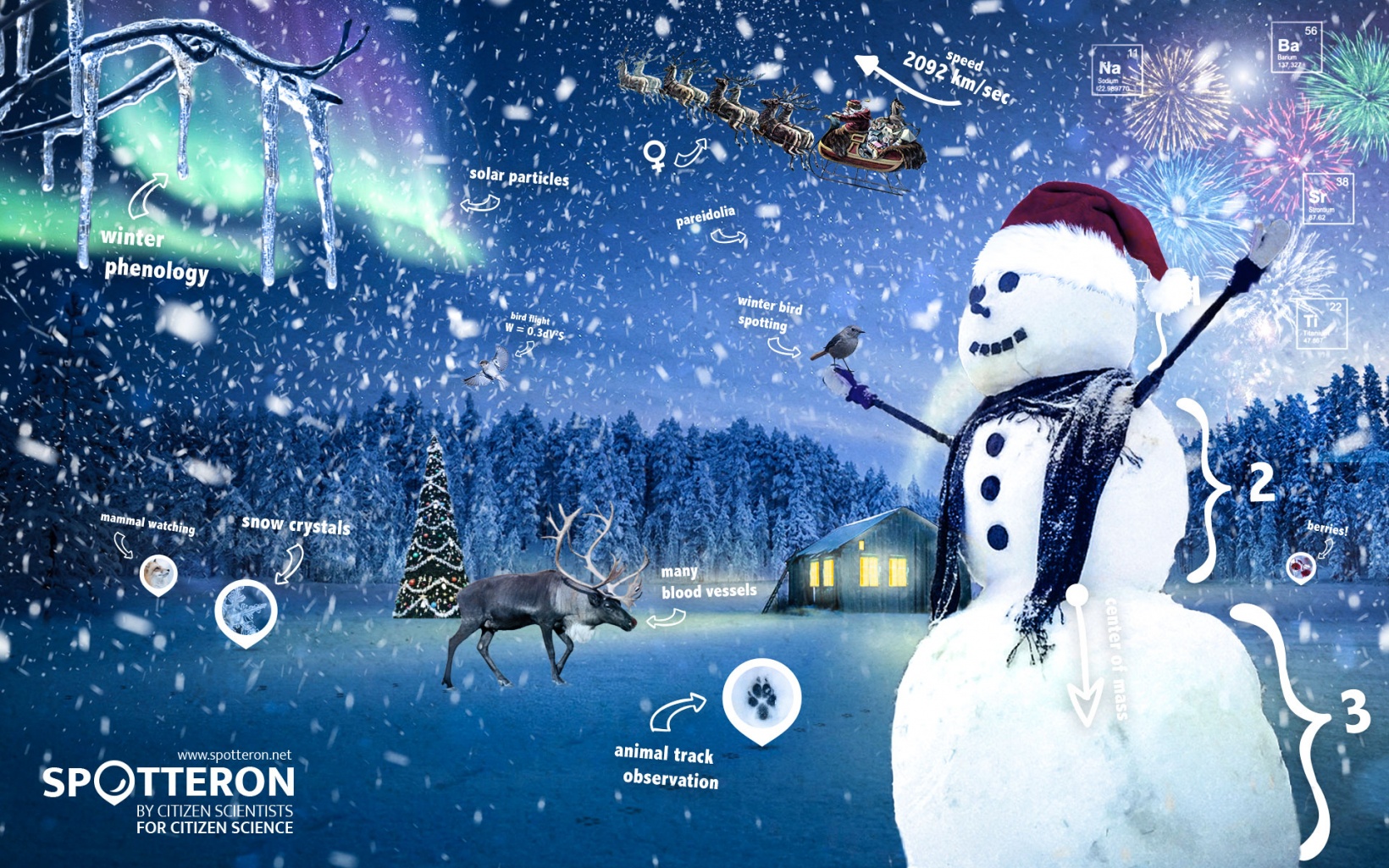
This year has been a big step (and with the release of the community package more like a giant leap) for the SPOTTERON Citizen Science Platform, and thanks to your help and interest, we can now offer a mobile and interactive channel for every CitSci project out there.
Start of the upcoming Top Citizen Science Projekt "Naturkalender"
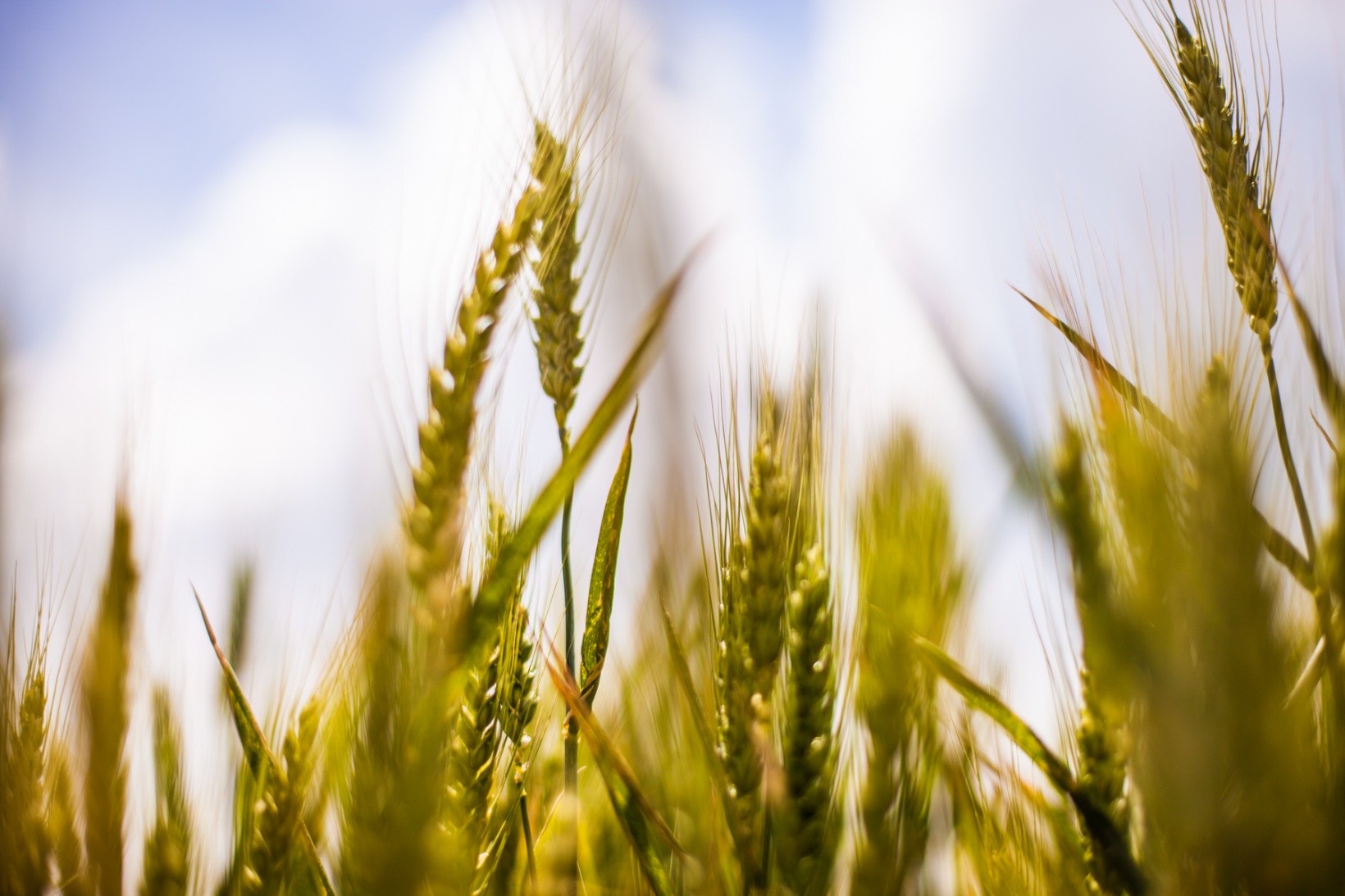
The Sparkling Science Projekt "NaturVerrückt" ("CrazyNature"), currently running on the SPOTTERON Citizen Science Platform, is going to be relaunched and extended in the next months. The new Top Citizen Science-Projektes „Naturkalender“ is all about Phenology and Citizen Scientists can observe the development of various plant species via Smartphone App for Science.
Projects & Apps open for Co-Use on SPOTTERON


ArtSpots


With the COSEA App, Citizen Scientists can observe marine environments, document coastal habitats or species, and report on pollution, infrastructure and the blue economy. Their contributions on the map and activity in the app will help scientists better understand the impacts and drivers of marine factors to protect and foster a healthy relationship between humans and seas.
COSEA | Collaboration for Effective Sea Action



NatureSpots is a non-commercial and free project to discover nature together. In the app, nature photos and sightings of animals, plants or mushrooms can be shared with the community on the map. The app is a new initiative for observing nature and taking part is very simple and straightforward. The app is free of advertising, does not track users and takes digital privacy seriously.
NatureSpots


The new citizen participation uses "Citizen Science" in their hometown and nationwide to get User's feedback on places. As a result, citizens are empowered to become active in a city worth living in to collect and share data themselves and to interact with scientists. This enables them to recognize the consequences of sealing, heat, water shortages, and a lack of biodiversity, and generally, how places in their own environment affect us all.
CIVO Citizen Voice


The IPM-Popillia Horizon 2020 project aims to address the challenge of a new risk to plant health in Europe's agriculture and food safety: the invasion of the Japanese Beetle, Popillia japonica. This invasive species was introduced accidentally to mainland Europe in 2014 and can quickly spread by transportation and trade. As a species with a wide range of feeding plants, P. japonica threatens the entire agricultural sector, urban landscapes, and biodiversity in invaded areas.
IPM Popillia | Integrated Pest Management of the Japanese Beetle

Fridays for Future see itself as a horizontal, grassroots grassroots movement that acts apolitically and refers to science for the facts. To engage the global population more, this app was developed using SPOTTERON. The aim is to find out how the population perceives the climate crisis and which positive and negative emotions are associated with specific topics related to biodiversity and climate crisis.
FRIDAYS FOR FUTURE - Climate App