SPOTTERON
Citizen Science gets social: SPOTTERON TWO Milestone Release
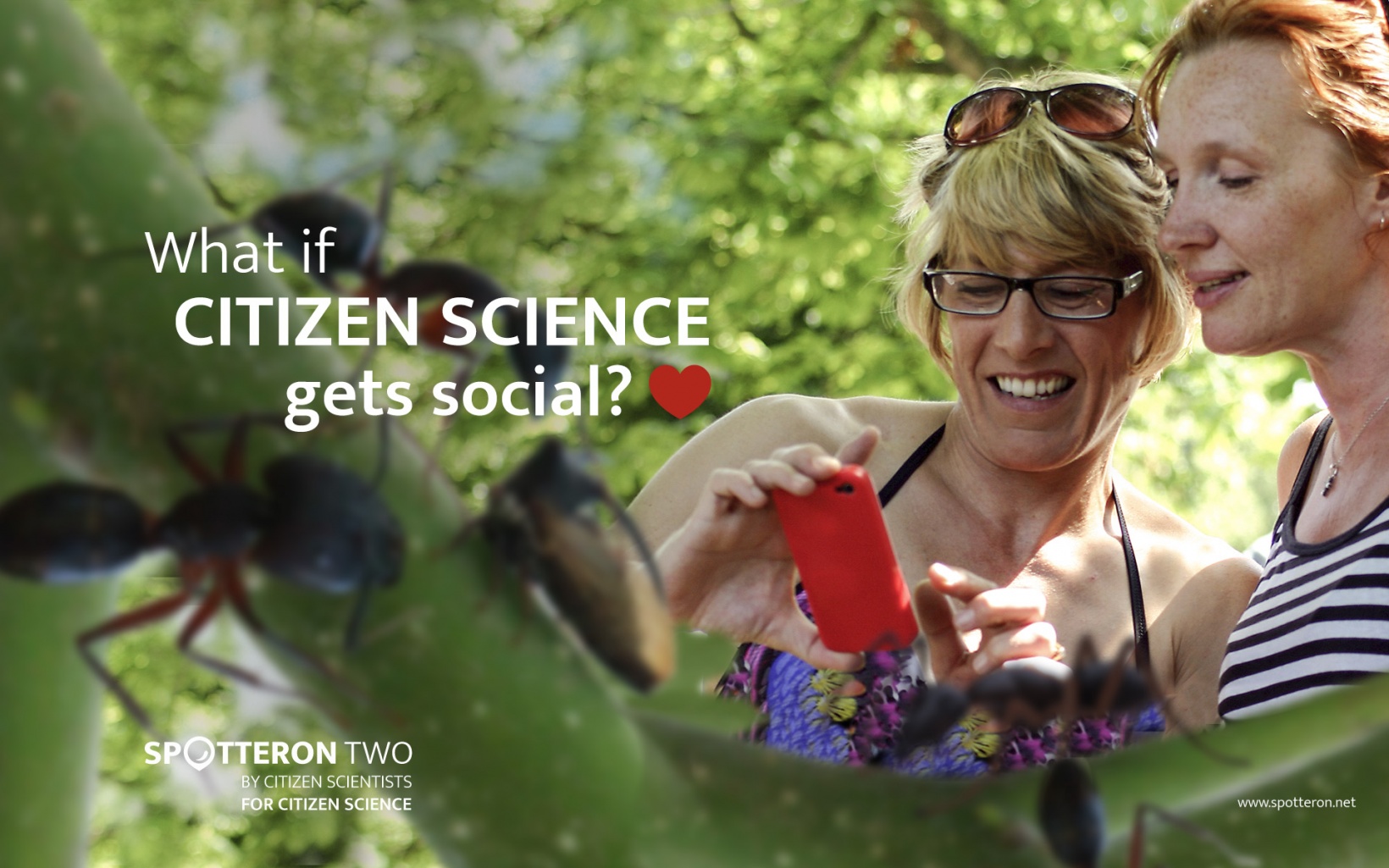
We now provide a full feature community included in all Citizen Science projects running on the SPOTTERON platform. The new milestone version makes Citizen Science not fully mobile but also immersive. Imagine the potential of social interaction built directly into your science project - that's what SPOTTERON TWO is all about..
Full list of SPOTTERON features for Citizen Science apps and interactive maps
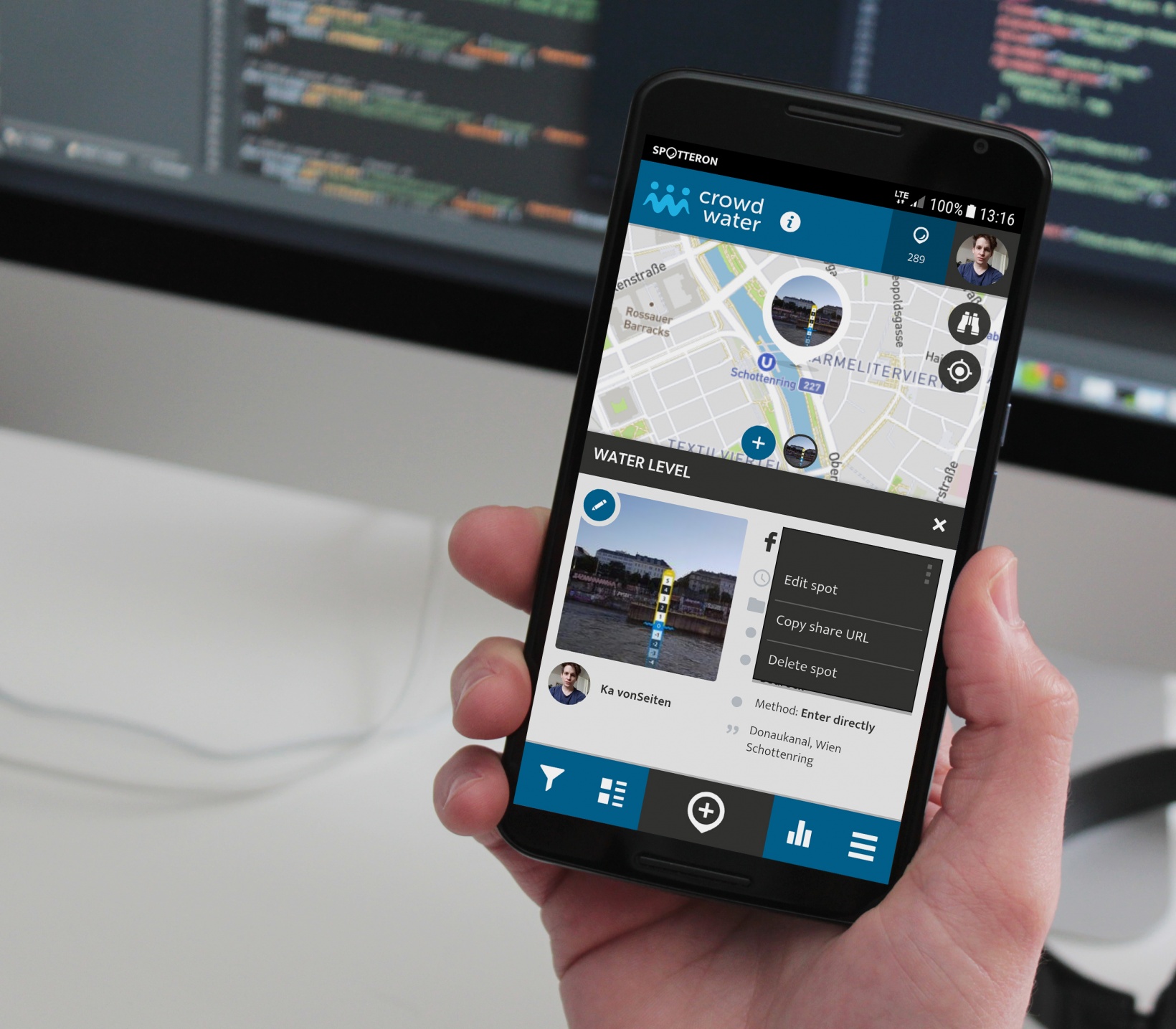
Citizen Science & Communication: Send Direct Messages in your SPOTTERON CitSci App
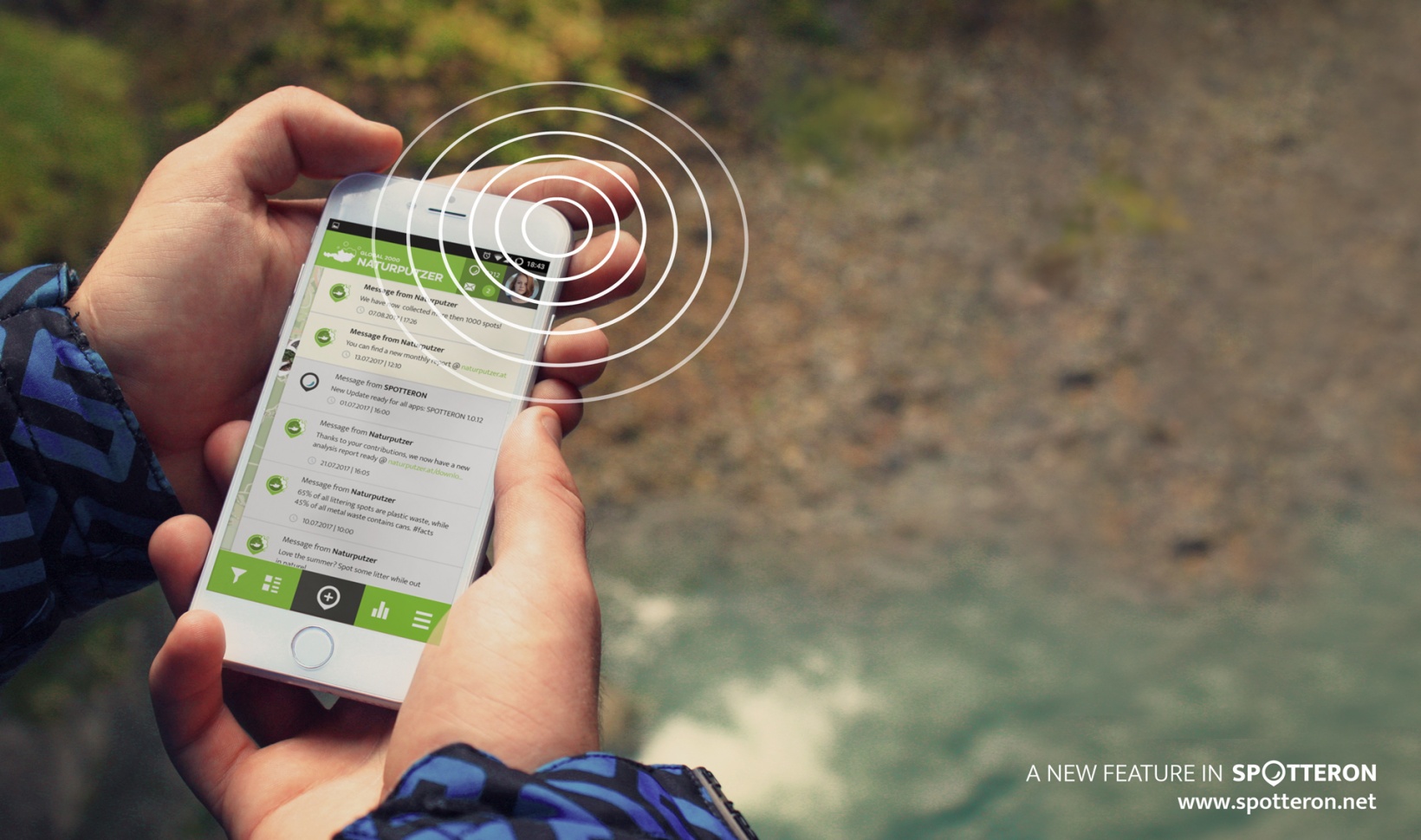
Citizen Science is also about communication. With the upcoming direct message feature we release the first part of a series of SPOTTERON extensions, bringing projects and participants closer together..
Apps
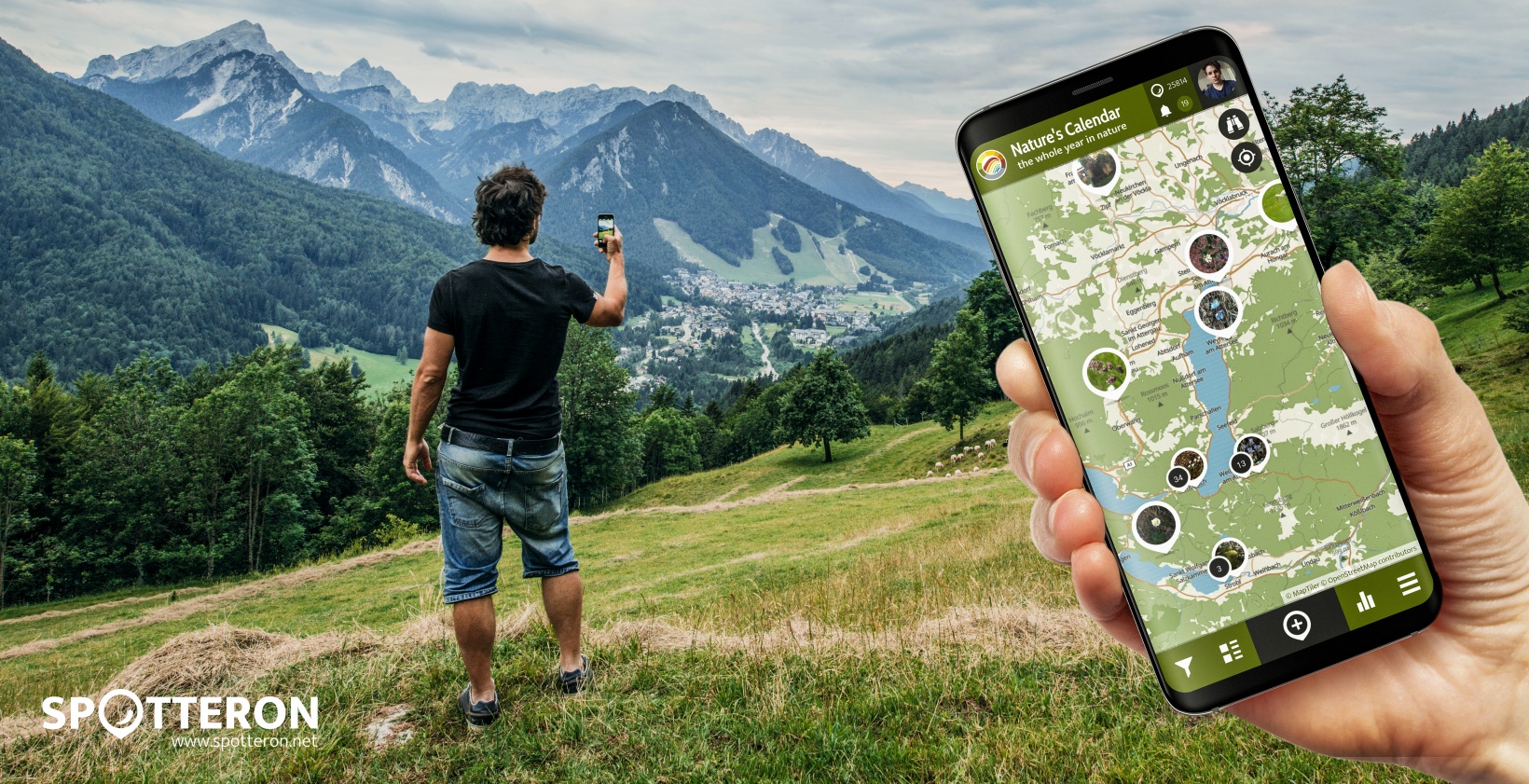
The following Citizen Science projects are running their smartphone apps and interactive maps on the SPOTTERON platform with its wide range of features and advanced tools. All apps on the platform are part of a Citizen Science network with the possibility for users to login at all projects with their own user account simultanously. For all apps, we provide constant support and updates and regulary introduce new features for scientists and citizens alike.
new User-Profiles in SPOTTERON
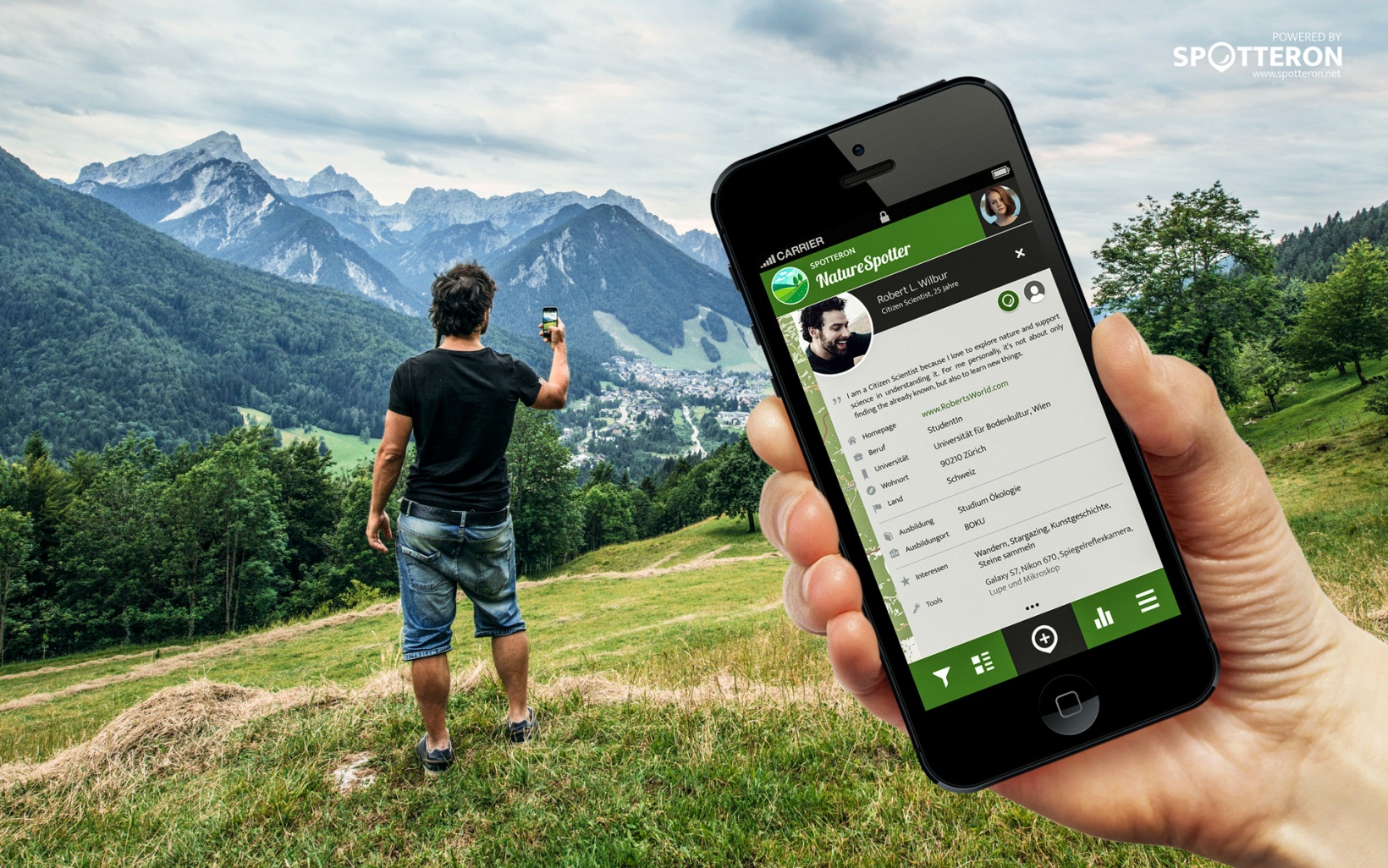
Who are the Citizen Scientists? Which profession or education do they have? Why are they participating in my Citizen Science project? With the new user profiles, these questions are a central element in the Citizen Science Systems SPOTTERON. The Citizen Scientists can now extend their user account with background information directly in the smartphone apps. Additionally, users can upload their own profile picture - because Citizen Science is also a personal matter.
The future of Citizen Science Apps - SPOTTERON 1.0
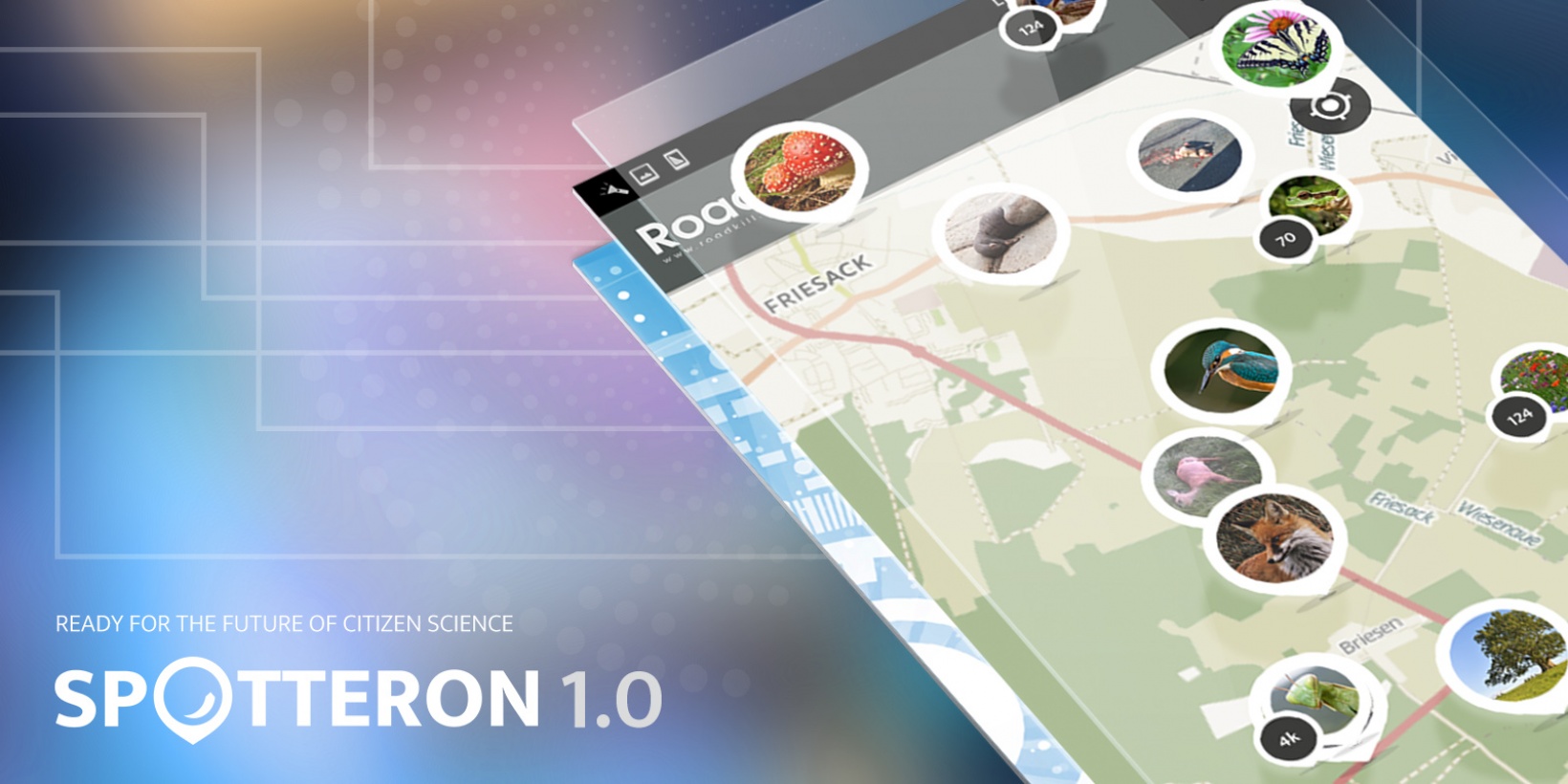
We are very happy to announce that a major milestone for the SPOTTERON Citizen Science System has been reached. During the last months, we worked hard to put the underlaying technology on a completly new basis. With SPOTTERON 1.0 we now can provide you with a modern environment, fully specialized for the use in Citizen Science projects and ready for the future of mobile technology.
Merry Christmas, Citizen Science!
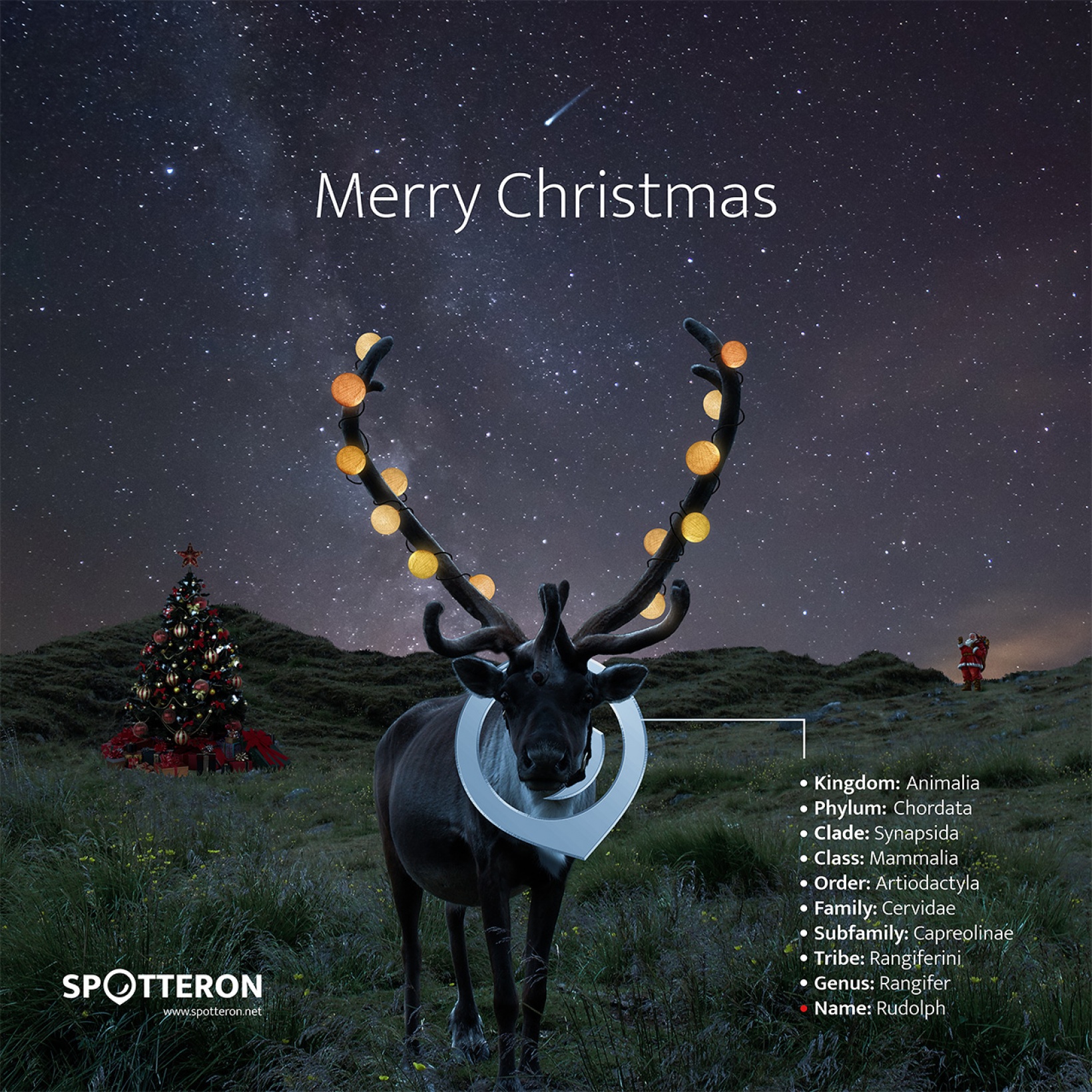
We just want to say Merry Christmas and a big thank you for this exciting year full of #CitizenScience and cool projects to run. SPOTTERON has gone a big step forward, becoming a sophisticated tool for Citizen Science and Environment Protection projects in international use. We are looking forward to 2017 with already upcoming App releases, but until then: Merry Christmas and a Happy New Year!
Sidenote: Best Plants for air filtering #officeadvice
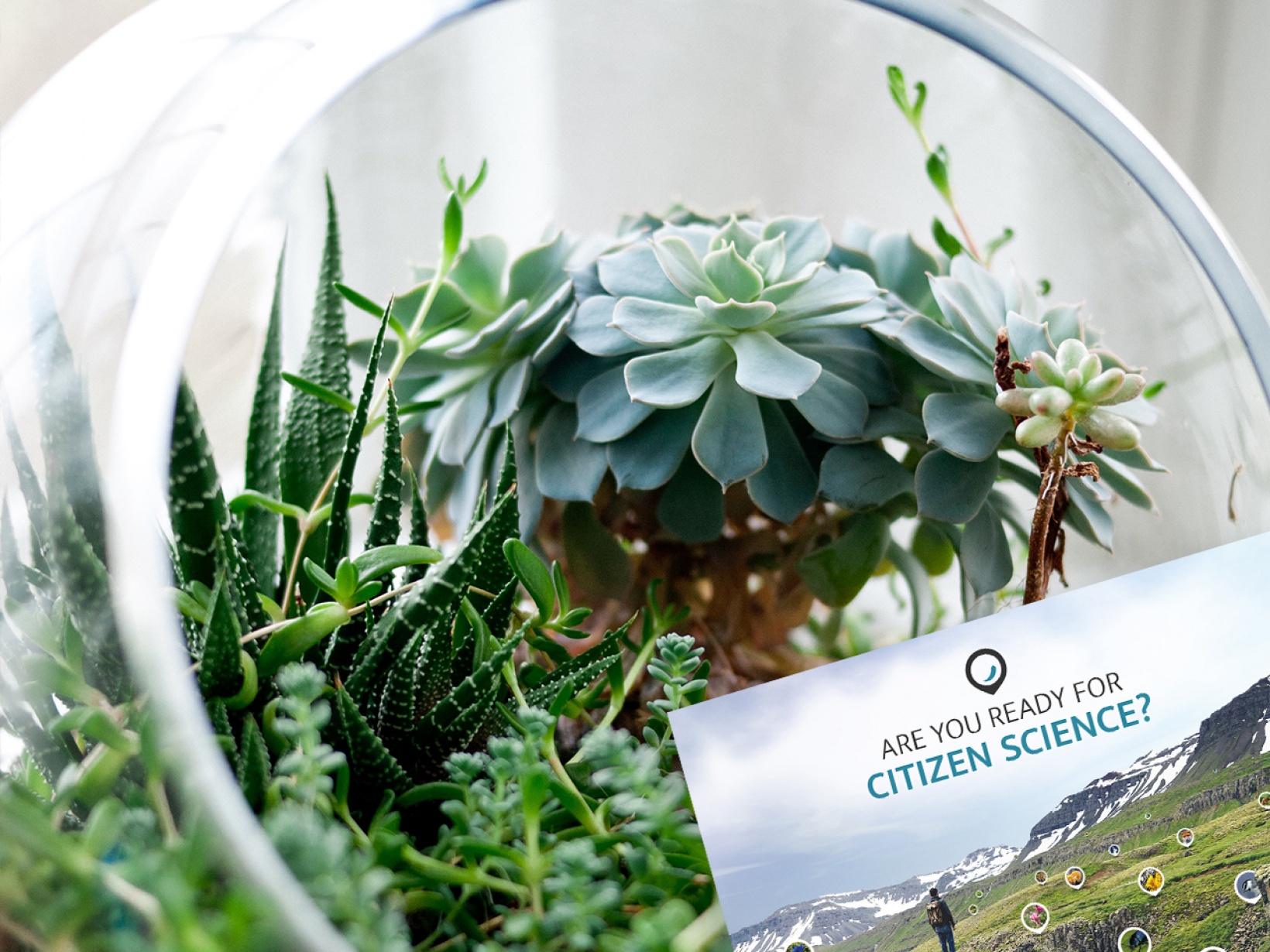
In the 80ties, NASA collaborated with the Associated Contractors of America (ALCA) to research which plants are best for filtering air and reducing the amount of various chemicals. Here is the Link to the complete study: Clean Air study - and the lovethegarden.com Community did put up this inforgraphic as a perfect guide for which plants you should cultivate at home and at your office. Our advise? All of them! SPOTTERON loves jungle:)
What Citizen Science can learn from Pokemon Go
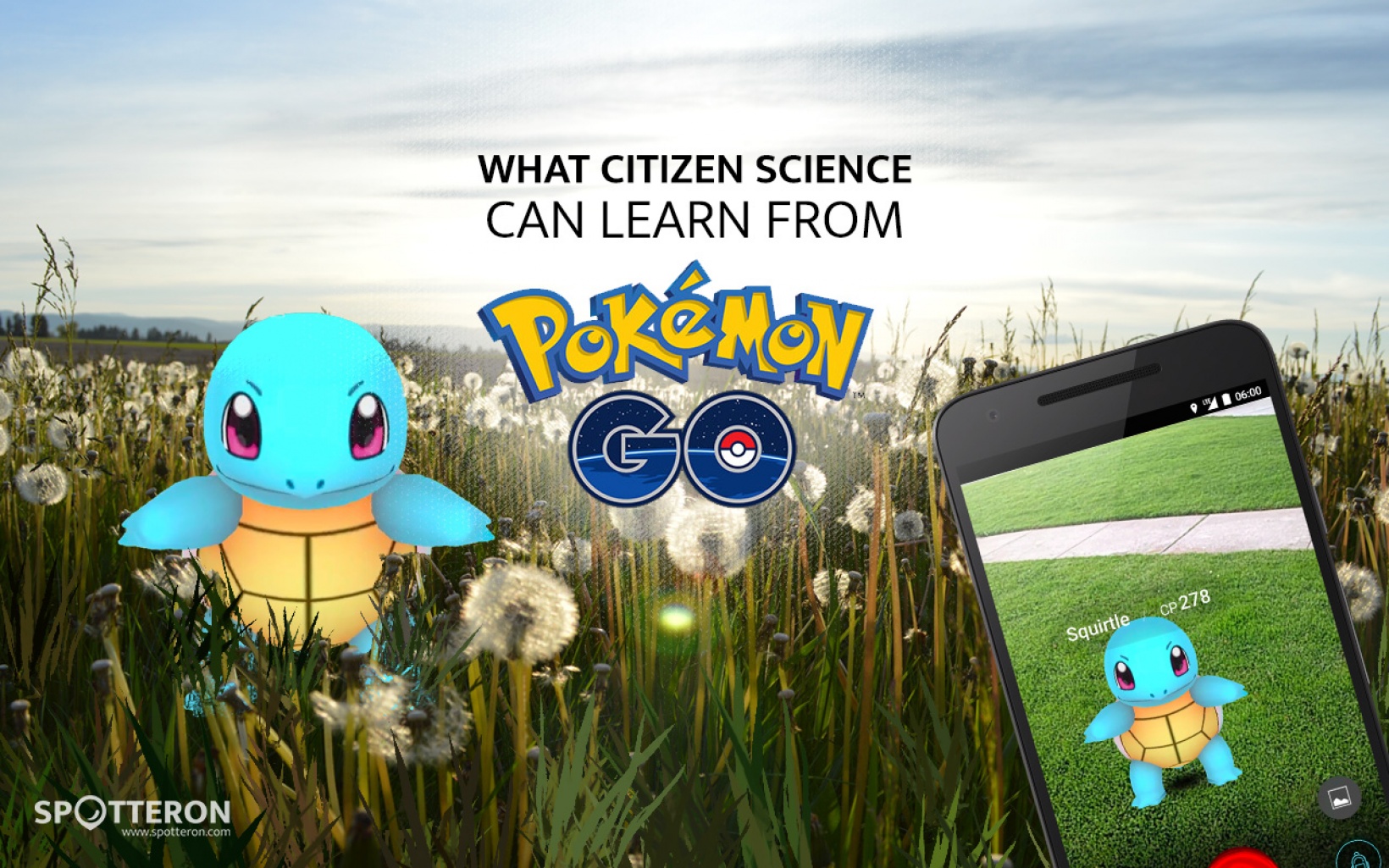
The hype continues: millions of people worldwide are taking their smartphones, go out and hunt down virtual spieces called Pokemons. And those people are not just the hard core gamers or the pokemon fans out there - the phenomon reaches out far.
#ECSA2016 and a new SPOTTERON project
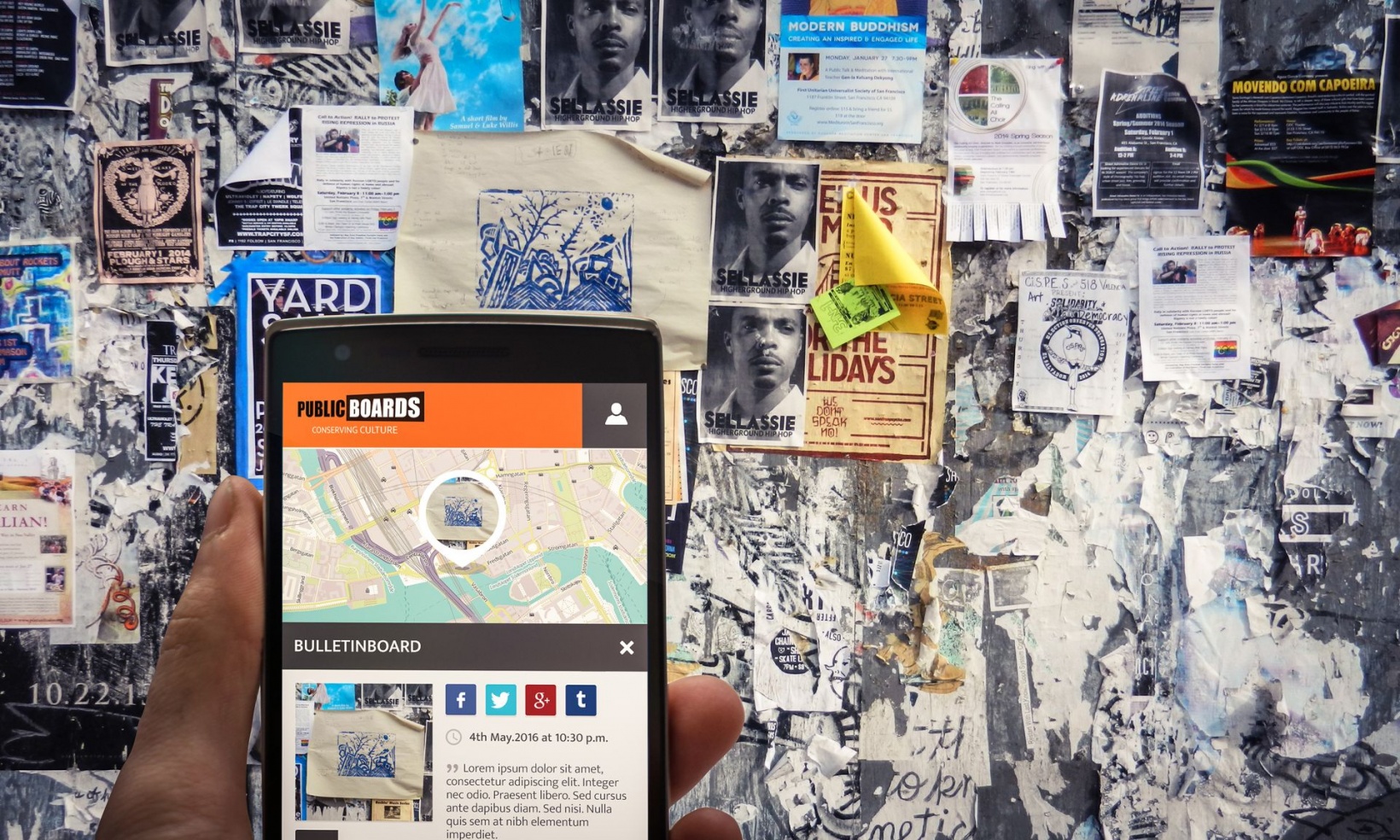
Throwback Thursday for #ECSA2016,
and there are new projects in SPOTTERON!
Projects & Apps open for Co-Use on SPOTTERON


ArtSpots


With the COSEA App, Citizen Scientists can observe marine environments, document coastal habitats or species, and report on pollution, infrastructure and the blue economy. Their contributions on the map and activity in the app will help scientists better understand the impacts and drivers of marine factors to protect and foster a healthy relationship between humans and seas.
COSEA | Collaboration for Effective Sea Action



NatureSpots is a non-commercial and free project to discover nature together. In the app, nature photos and sightings of animals, plants or mushrooms can be shared with the community on the map. The app is a new initiative for observing nature and taking part is very simple and straightforward. The app is free of advertising, does not track users and takes digital privacy seriously.
NatureSpots


The new citizen participation uses "Citizen Science" in their hometown and nationwide to get User's feedback on places. As a result, citizens are empowered to become active in a city worth living in to collect and share data themselves and to interact with scientists. This enables them to recognize the consequences of sealing, heat, water shortages, and a lack of biodiversity, and generally, how places in their own environment affect us all.
CIVO Citizen Voice


The IPM-Popillia Horizon 2020 project aims to address the challenge of a new risk to plant health in Europe's agriculture and food safety: the invasion of the Japanese Beetle, Popillia japonica. This invasive species was introduced accidentally to mainland Europe in 2014 and can quickly spread by transportation and trade. As a species with a wide range of feeding plants, P. japonica threatens the entire agricultural sector, urban landscapes, and biodiversity in invaded areas.
IPM Popillia | Integrated Pest Management of the Japanese Beetle

Fridays for Future see itself as a horizontal, grassroots grassroots movement that acts apolitically and refers to science for the facts. To engage the global population more, this app was developed using SPOTTERON. The aim is to find out how the population perceives the climate crisis and which positive and negative emotions are associated with specific topics related to biodiversity and climate crisis.
FRIDAYS FOR FUTURE - Climate App