SPOTTERON
Roadkill
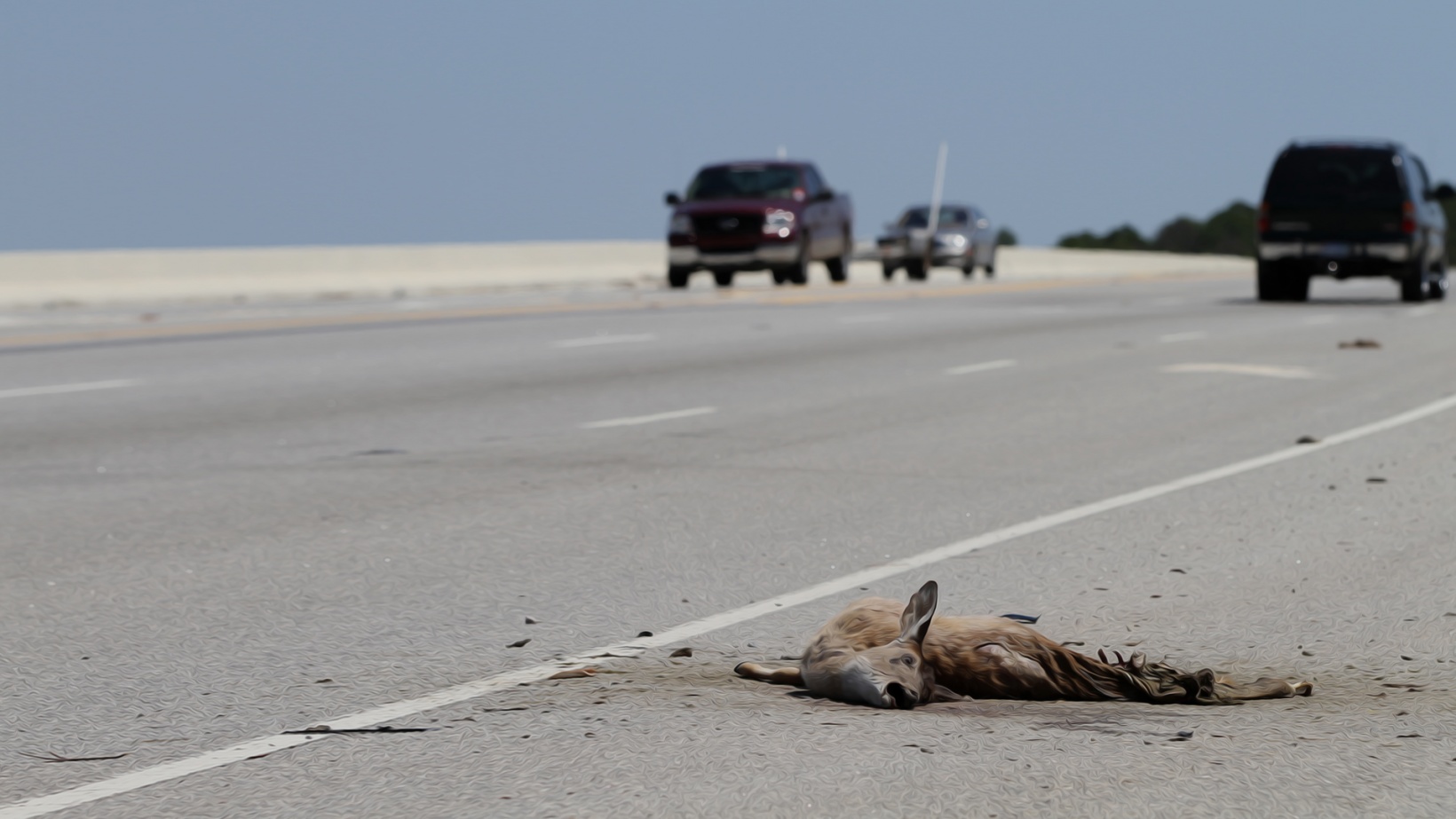
In the Roadkill Citizen Science Project from the University of Natural Ressources and Life Sciences in Vienna, Citizen Scientists and researchers collect data about roadkill on streets all around the world. If there`s a high number of roadkill in one spot or a particular species gets killed in the same place a lot, that can help scientists understand how the animals came to die and find solutions for it.
Finally! The first SPOTTERON Citizen Science Adventure is here!
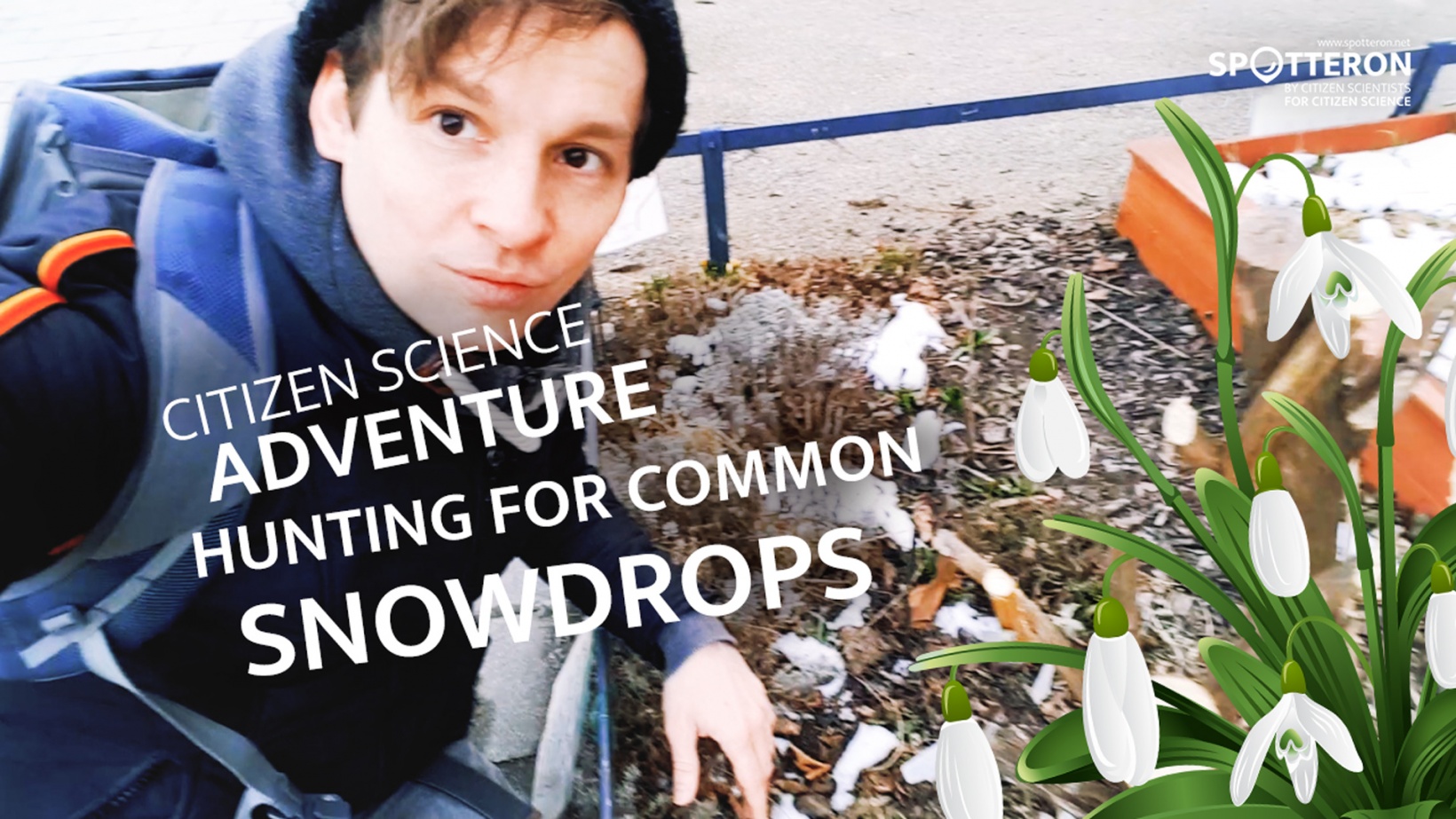
We are really happy to present to you: the very first CITIZEN SCIENCE ADVENTURE! The idea has been lingering in our heads for quite some time now and we were finally able to get this new and exciting project started. The kick-off was made by our beloved Philipp Jonathan with a quick introduction to phenology and a common snowdrop he spotted in the Nature's Calendar app in a viennese parc this weekend.
New: What we do
There is a new video about what we do for Citizen Science on the SPOTTERON platform in our Blog, join Philipp while walking through the museum of natural history, Vienna!
Video: What we do for Citizen Science
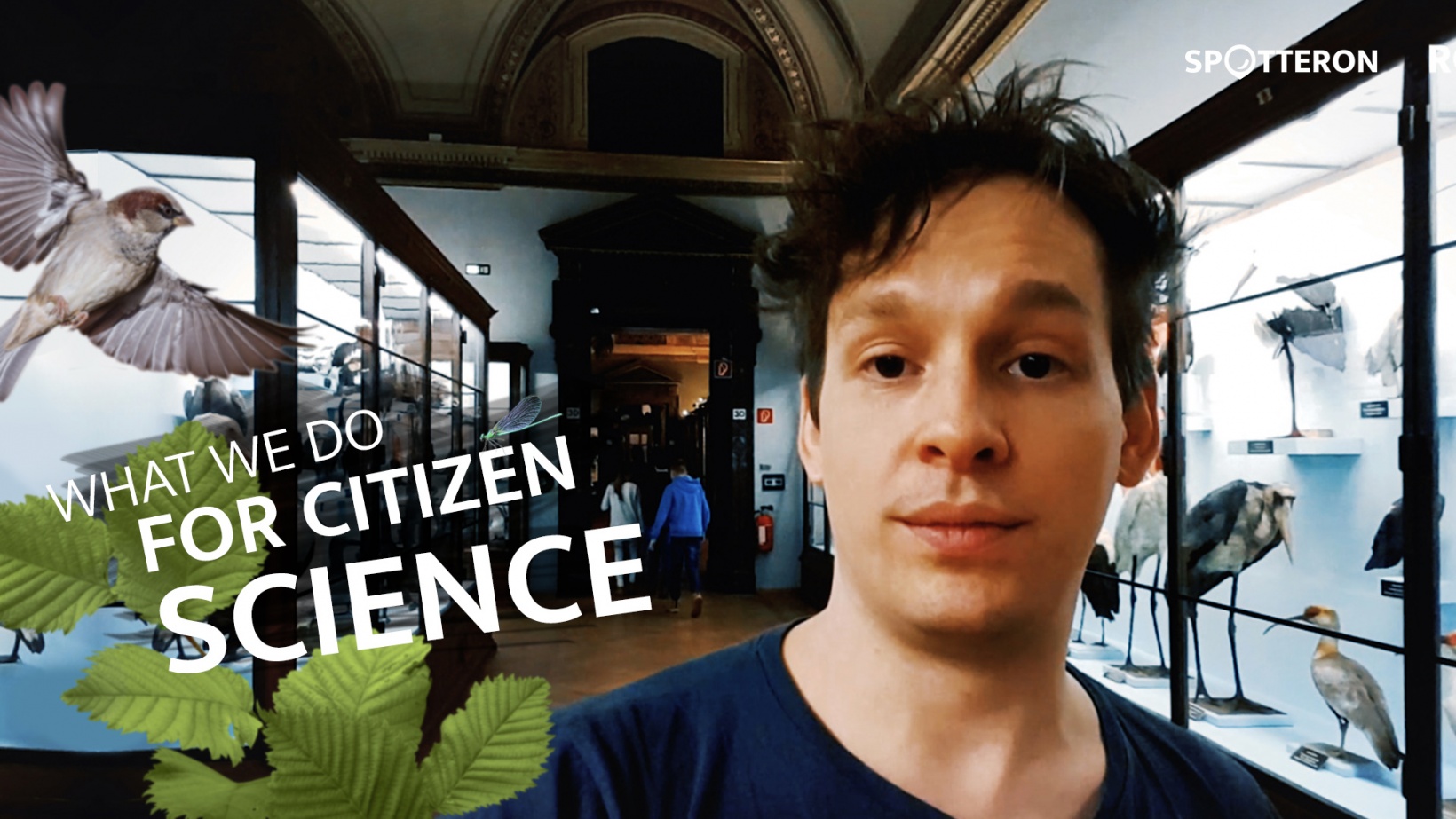
For the current Give-Away of a free Citizen Science App on the SPOTTERON platform for Australia, we did a short introduction video about what we do for Citizen Science and about the traits of the platform itself.
Florian Heigl PhD, University of Life Sciences (BOKU), Vienna
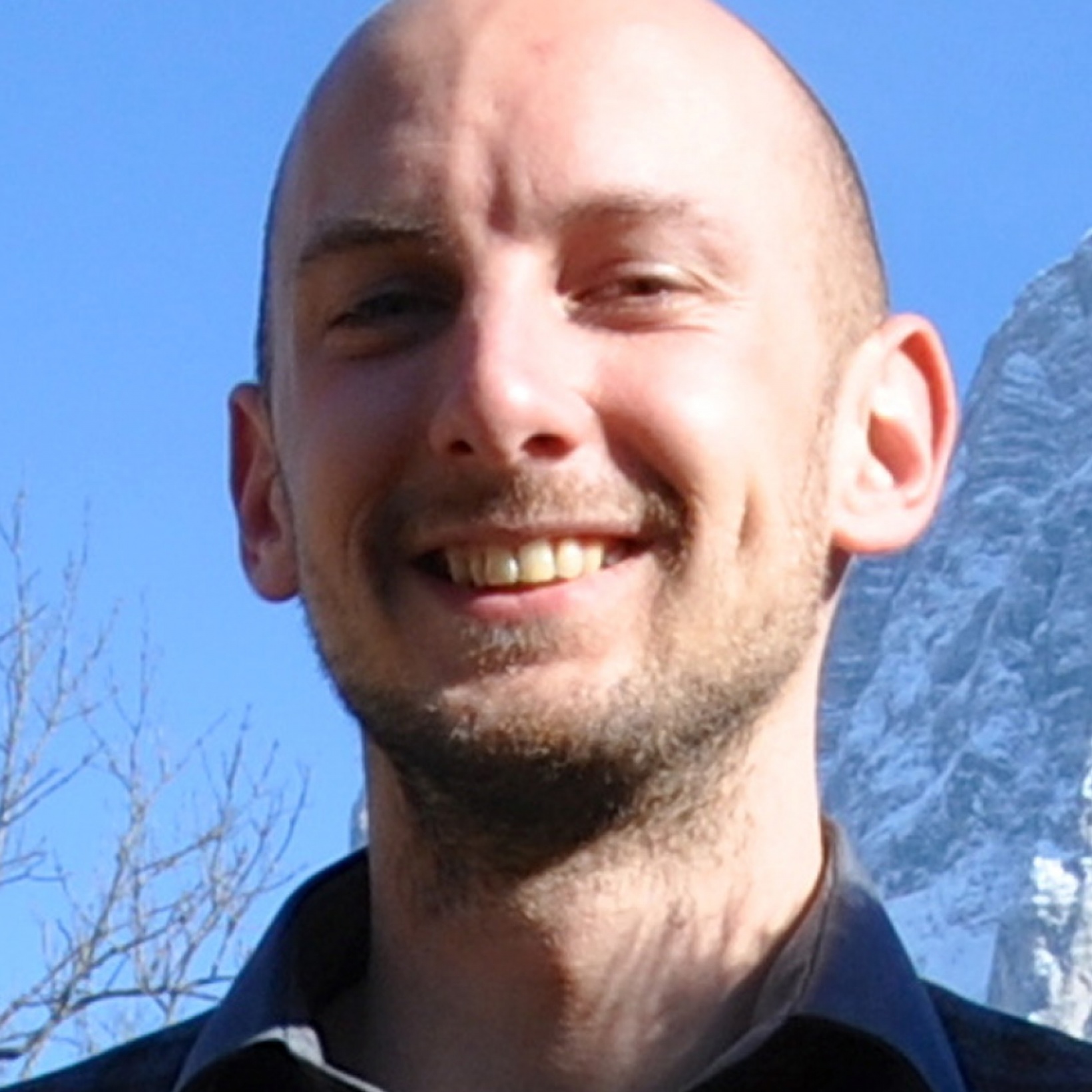
With our project Roadkill, we were on the SPOTTERON platform since its beginnings, this way we got to witness the great development of this tool first-hand and were able to contribute in the shaping process. SPOTTERON manages the fine balance between scientific research, community management and modern design. The personal collaboration on a professional level supports the comfortable atmosphere in the project.
Magdalena Gärtner, Center for Human-Computer Interaction, University of Salzburg

If you are looking for a dedicated team for the development of a Citizen Science App - even if that has to happen quite fast- you are in good hands at SPOTTERON. Fast communication, straightforward coordination and running updates of the app, even after the release, characterize our successful collaboration.
Juliane Stark, University of Life Sciences (BOKU), Vienna

Through the SPOTTERON App "Was geht ab?" we were able to create an appealing and useful possibility for kids, to spot problem- and feel-good areas in their home- and school surroundings. In the SPOTTERON team we found reliable and creative partners, that care about more than just the implementation.
Testimonals
What do #realscientists think about SPOTTERON? Read the new statements by partners from various universities on our website about the platform and the collaboration for Citizen Science projects.
Updated pricing page
Our page for packages and prices of SPOTTERON has been updated, making it more visible that the fixed prices are all-inclusive app design & development and app store setup. SPOTTERON is a complete service.
Simon Etter, University of Zurich
Thanks to the experience and the knowhow as well as the basic structure of SPOTTERON, we were able to have the CrowdWater apps developed in no time. We consider the model that allows every project to use all newly developed tools very fair and transparent. This way our apps even got some new features, we didn't even know we needed before.
Projects & Apps open for Co-Use on SPOTTERON


ArtSpots


With the COSEA App, Citizen Scientists can observe marine environments, document coastal habitats or species, and report on pollution, infrastructure and the blue economy. Their contributions on the map and activity in the app will help scientists better understand the impacts and drivers of marine factors to protect and foster a healthy relationship between humans and seas.
COSEA | Collaboration for Effective Sea Action



NatureSpots is a non-commercial and free project to discover nature together. In the app, nature photos and sightings of animals, plants or mushrooms can be shared with the community on the map. The app is a new initiative for observing nature and taking part is very simple and straightforward. The app is free of advertising, does not track users and takes digital privacy seriously.
NatureSpots


The new citizen participation uses "Citizen Science" in their hometown and nationwide to get User's feedback on places. As a result, citizens are empowered to become active in a city worth living in to collect and share data themselves and to interact with scientists. This enables them to recognize the consequences of sealing, heat, water shortages, and a lack of biodiversity, and generally, how places in their own environment affect us all.
CIVO Citizen Voice


The IPM-Popillia Horizon 2020 project aims to address the challenge of a new risk to plant health in Europe's agriculture and food safety: the invasion of the Japanese Beetle, Popillia japonica. This invasive species was introduced accidentally to mainland Europe in 2014 and can quickly spread by transportation and trade. As a species with a wide range of feeding plants, P. japonica threatens the entire agricultural sector, urban landscapes, and biodiversity in invaded areas.
IPM Popillia | Integrated Pest Management of the Japanese Beetle

Fridays for Future see itself as a horizontal, grassroots grassroots movement that acts apolitically and refers to science for the facts. To engage the global population more, this app was developed using SPOTTERON. The aim is to find out how the population perceives the climate crisis and which positive and negative emotions are associated with specific topics related to biodiversity and climate crisis.
FRIDAYS FOR FUTURE - Climate App