2400 Hits
2400 Hits
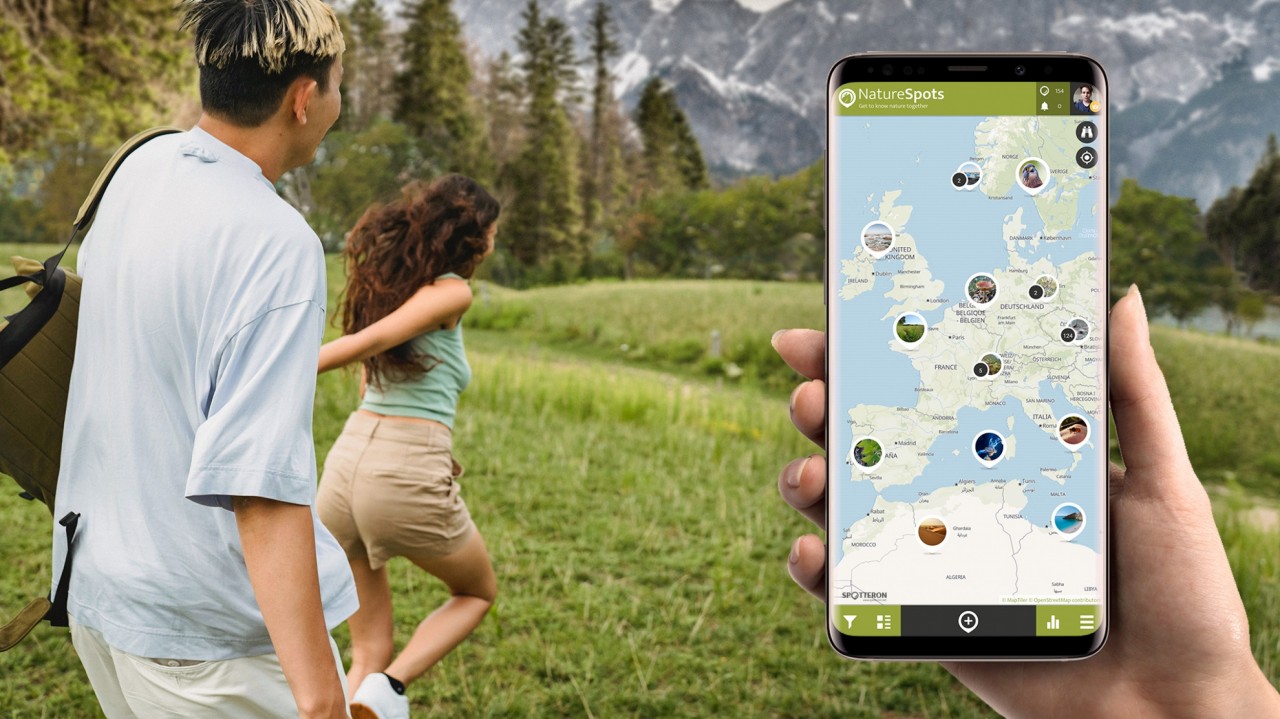
I am a Citizen Scientist. I have been one since I was eight years old, albeit without ever hearing the term even once. I was interested in nature, the environment, and I spent hours after hours exploring the wildlife in ponds, my parents' garden, forests, and even brown land. (Oh, I love brown land, I still sneak through construction fences to explore them sometimes :)
This year was one of the most difficult ones for all of us, with the Corona Virus pandemic, lockdowns and social distancing. But nevertheless, 2020 also brought good things and amazing new Citizen Science projects on the SPOTTERON platform. We loved the exciting work tasks and the diverse project topics which we have been allowed to design and develop in this strange year.
The new call in the EU Horizon 2020 program aims for supporting and implementing a Green Deal. For projects participating in this call and searching for partners for Citizen Science Apps and participatory tools, we are happy to help!
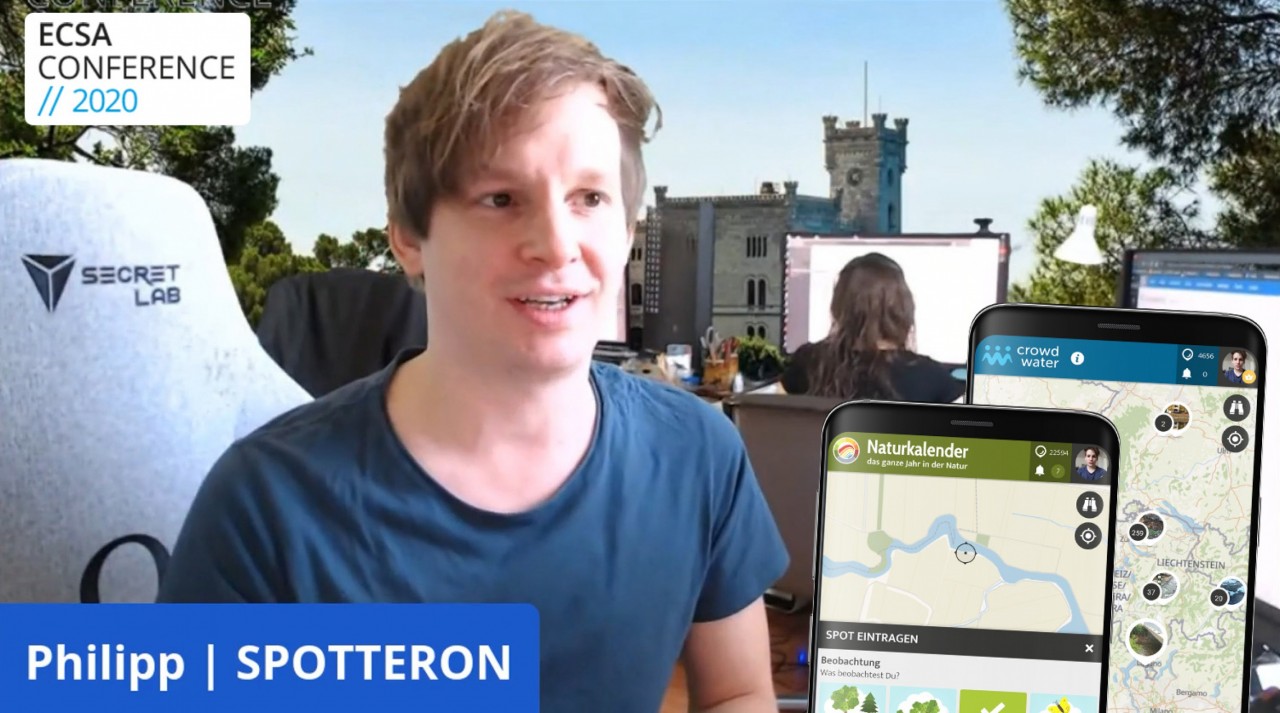
On this year's ECSA Citizen Science conference, we have been invited to hold a workshop on technology and the practice of design for Citizen Science. Since the conference moved completely online (read more about our experiences here in the Blog), we filled the session together with Jessie L. Oliver, who shared her research on how to design fun citizen science tech to find a sneaky Australia bird species (i.e. Eastern bristlebirds). Citizen Science is used and what technology implementation means for Citizen Science Apps and interactive online tools. Thanks for inviting us to be part of that session!
From 6th to 10th of September, the European Citizen Science Conference ECSA 2020 took place in the virtual space. Since we have been designing and developing the SPOTTERON Citizen Science platform for apps and interactive toolkits since 2014 already, it was not our first conference on Citizen Science - at least for Philipp, who is quite a regular in terms of visiting conferences. But this year, things rarely have been normal, and so the virtual event of ECSA 2020 was something new to all of us. Here are some first impressions by 2 conference newbies and a regular:
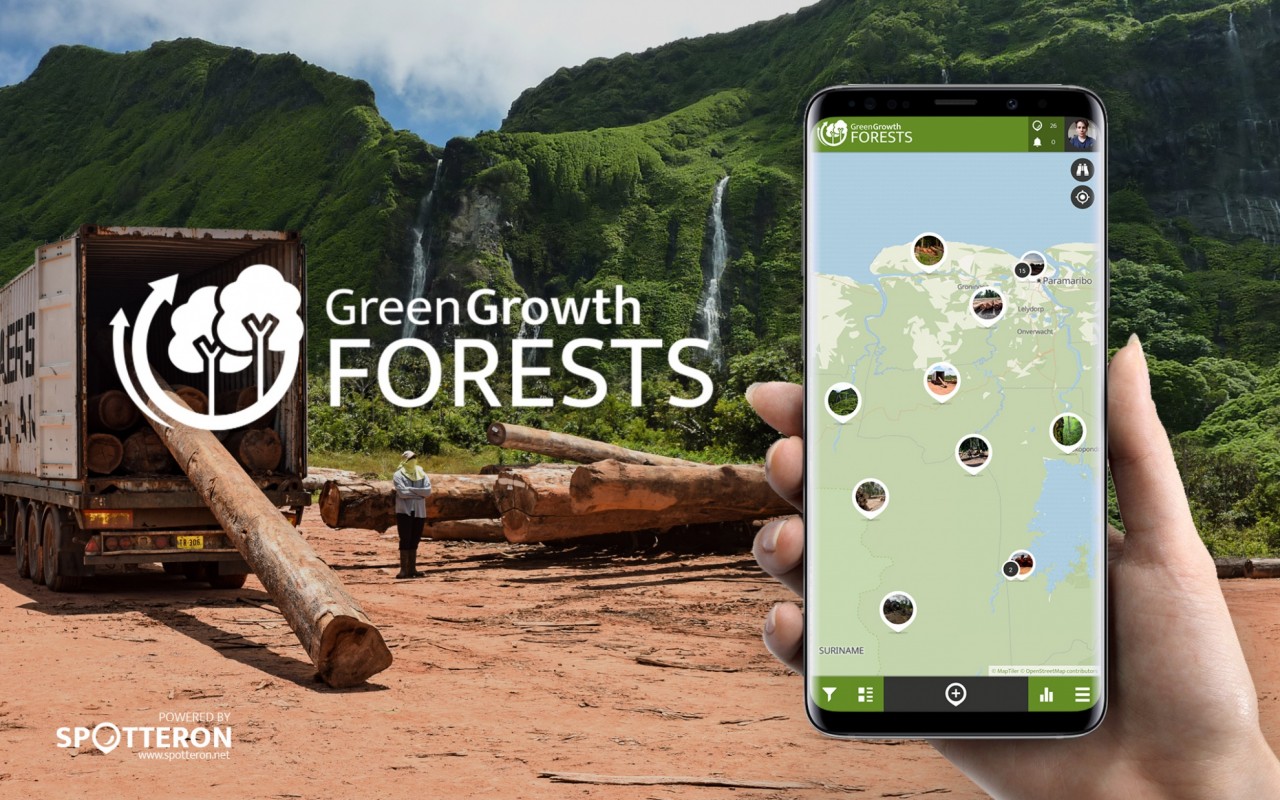
Green Growth Forests is another new app on the SPOTTERON citizen science platform and the first project from South America!
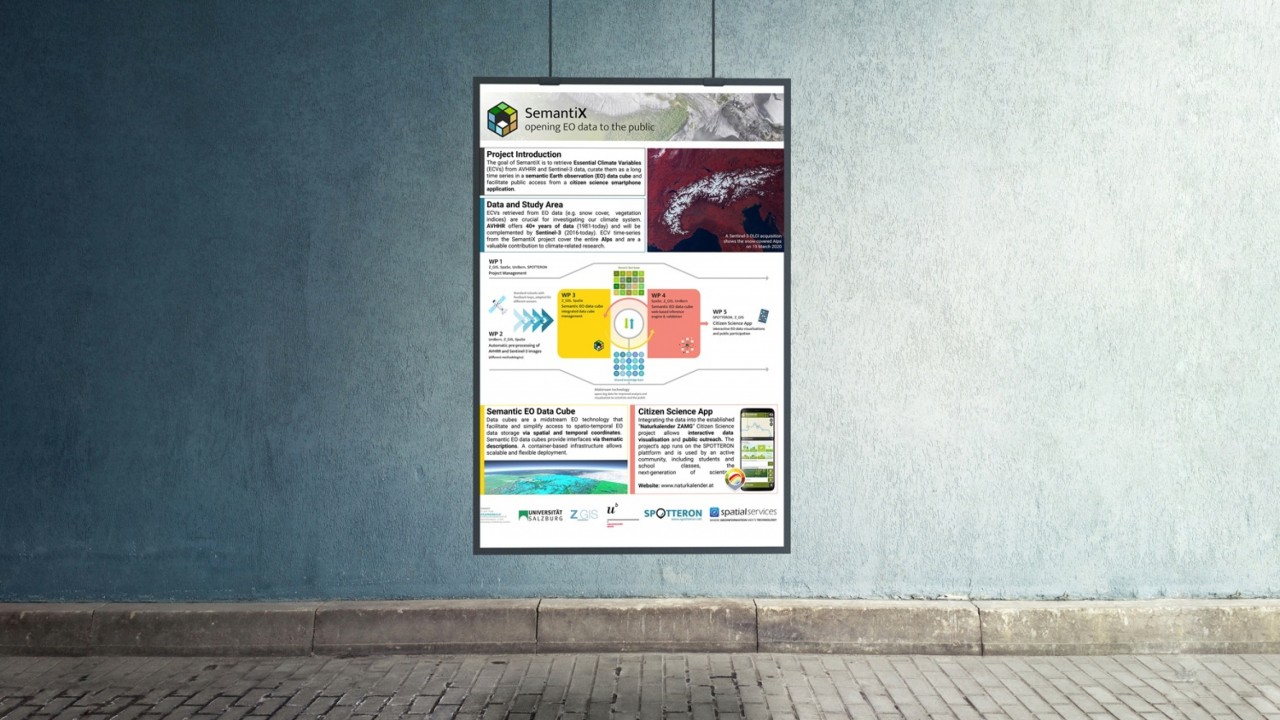
Making complex information easy to understand not just to scientists but also to citizens is an art form, especially when it comes to describing things or places very few among us have ever seen or experienced: space.
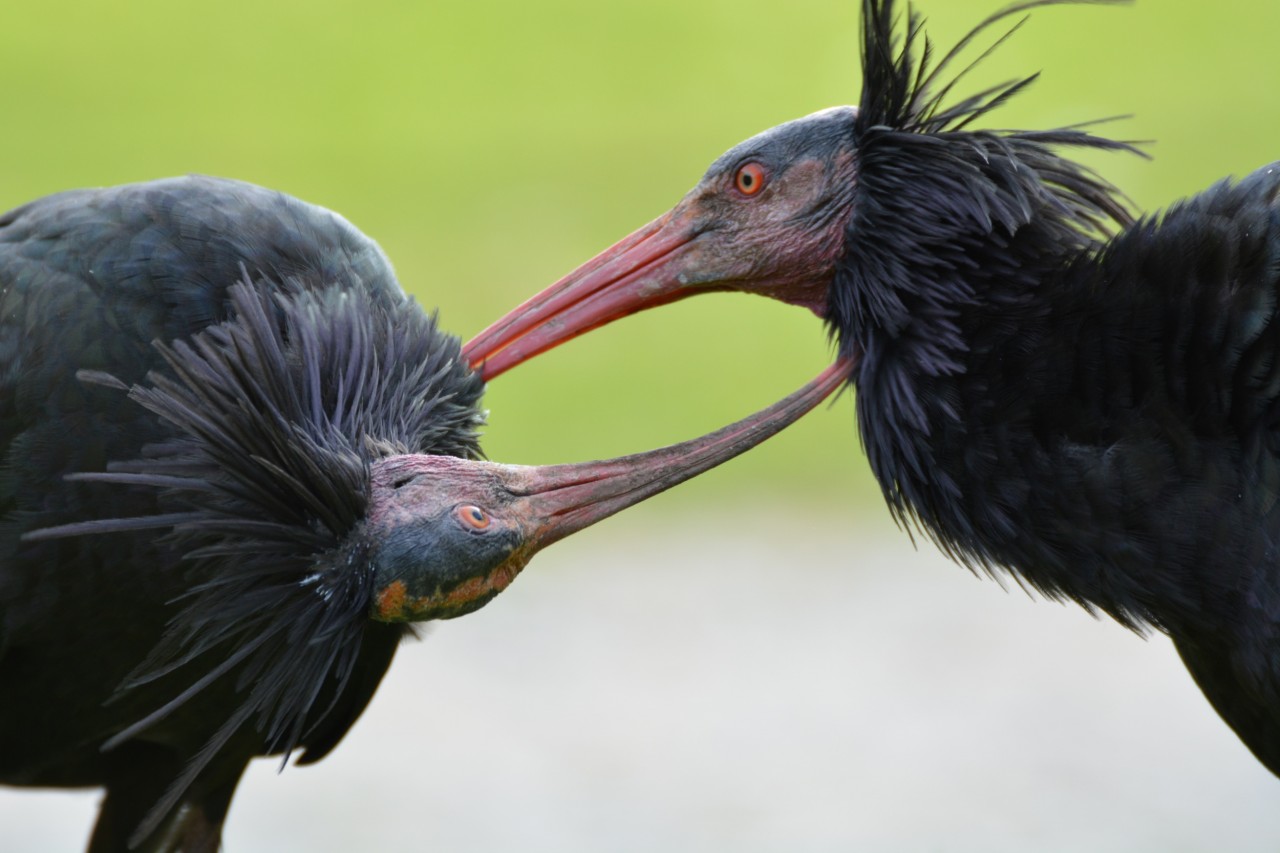
Our Citizen Science partner "Konrad Lorenz Research Center", running the Citizen Science App "Forschen im Almtal" on the SPOTTERON Platform and initiator of "NestCams", our first collaboration with Zooniverse, started a great initiative. At their research station, they host a colony of Northern Bald Ibis, amazing birds which you can also observe in the "Forschen I'm Almtal" Citizen Science App.
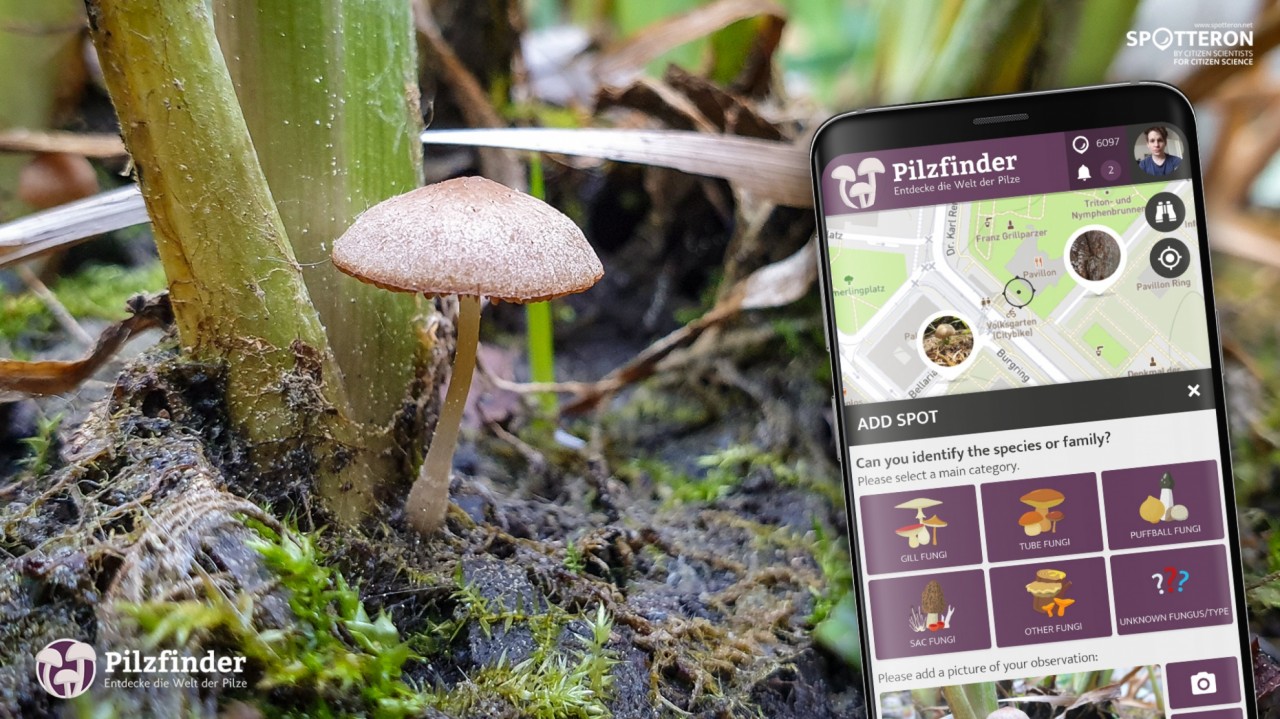
On Saturday last week, I was on a walk outside to get a little bit of sunshine. But since Citizen Science became a significant thing in my life, these rounds are not only for stretching my legs. With the smartphone in my pocket and a bunch of Citizen Science Apps installed, every walk feels like an adventure.
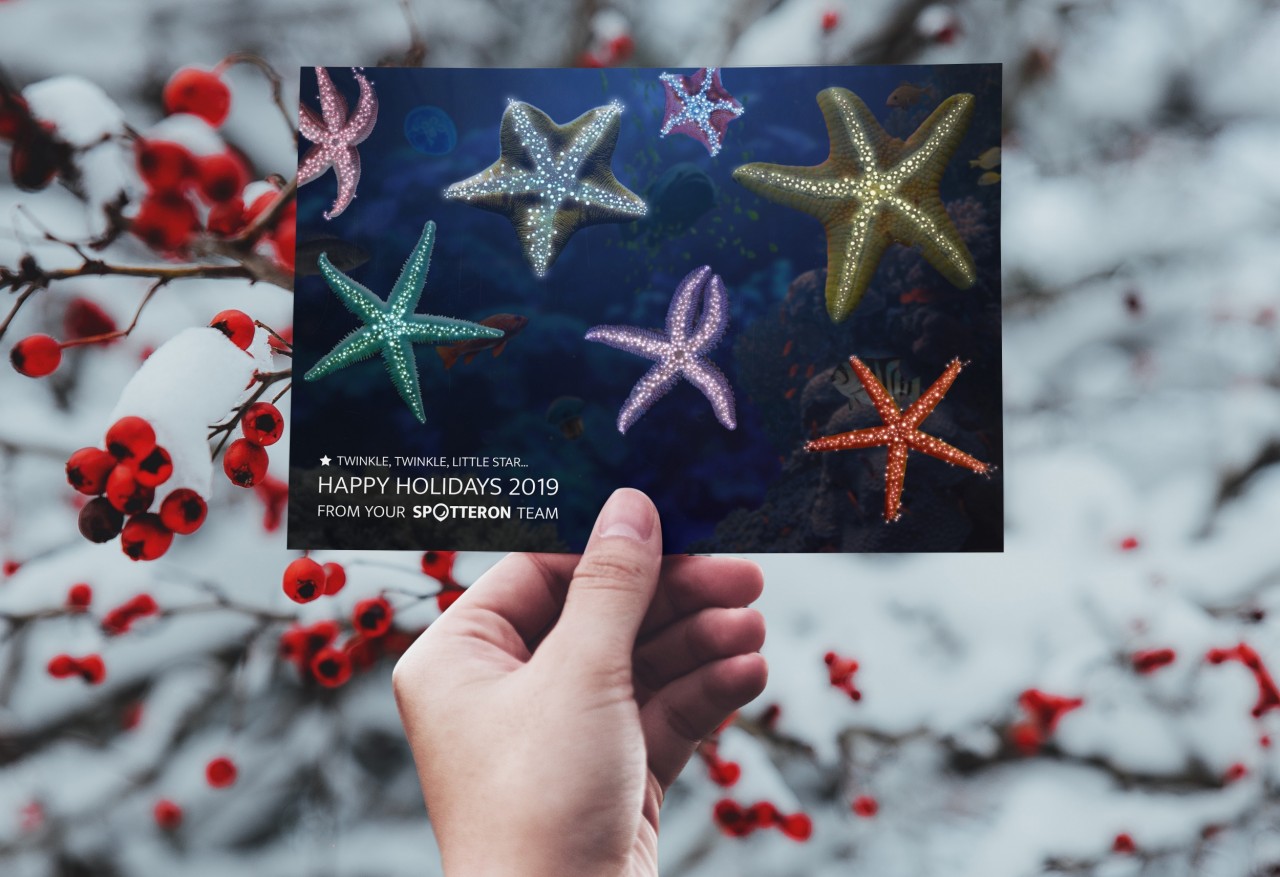
2019 has been an amazing year. The SPOTTERON Citizen Science platform evolved into an even more professional solution for participatory science applications. In summer, we organized the "SPOTTERON Feature Ecosystem" into various thematic packages for a better overview of what the platform brings to every new Citizen Science project. Furthermore, we were able to welcome new project partners from all across Europe, Australia and the United States of America on SPOTTERON.
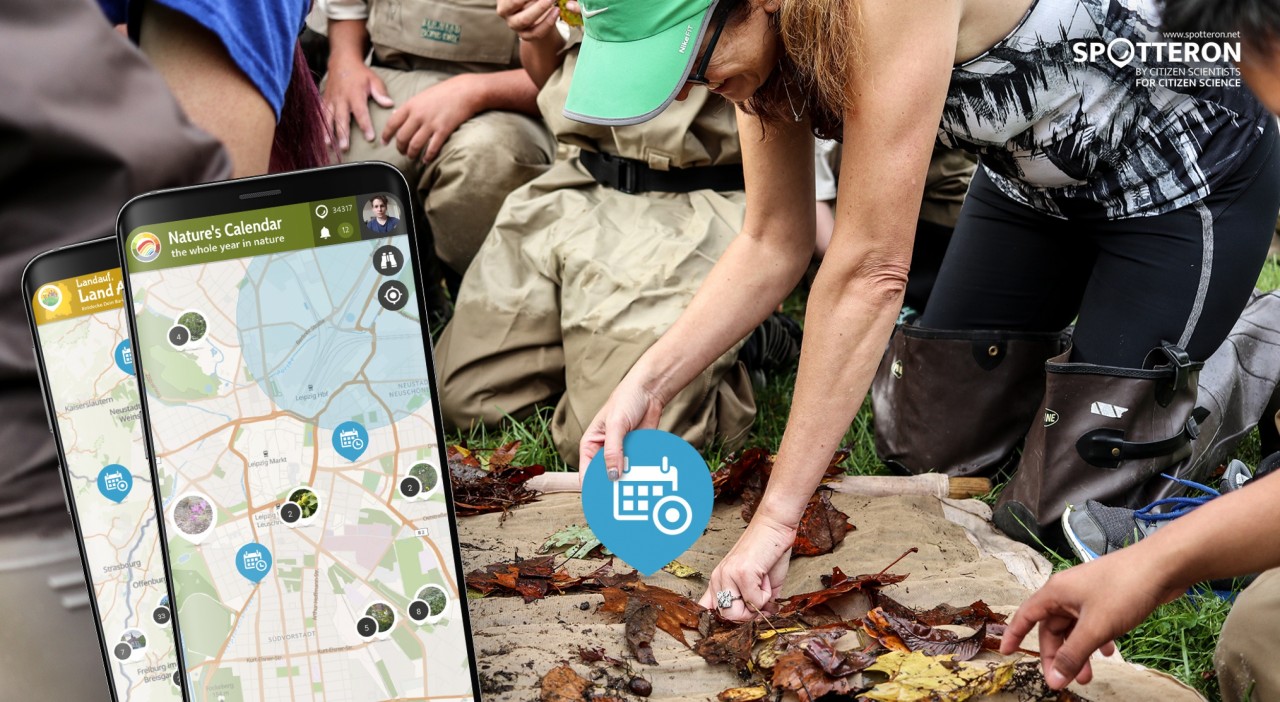
A brand new feature for all Citizen Science apps on the SPOTTERON platform comes with the next release version: Citizen Science Events. With this new extension, the project teams can publish events like workshops or field trips directly in the Citizen Science app. Secondly, it is possible to create area events, to e.g. highlight, where more observations by the Citizen Scientists are needed.
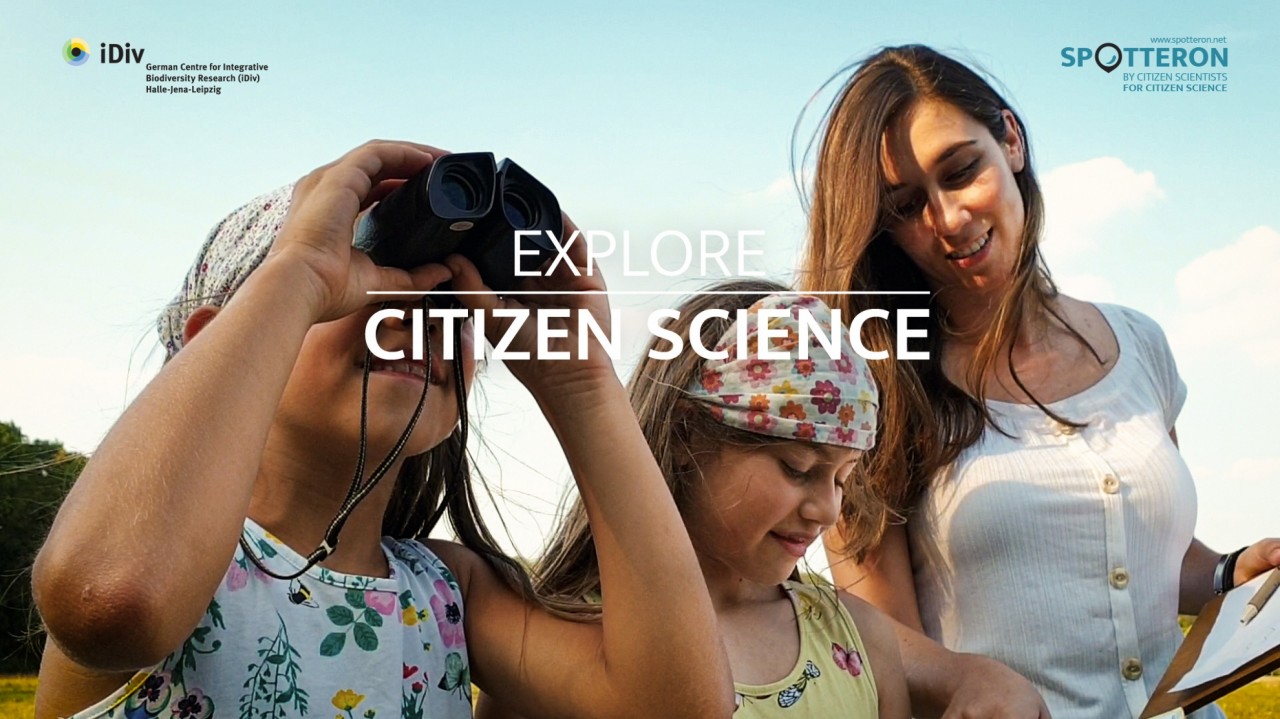
During the iDiv Summer School 2019 "Citizen Science – Innovation in Open Science, Society, and Policy" in Leipzig, Germany, we co-created the concept for a free Citizen Science video called "Explore Citizen Science", which you can download and use freely.