SPOTTERON
Project Ecosystem
PatioSpots

PATIO stands for "Patient Involvement in Oncology" and is a project of the Ludwig Boltzmann Institute Applied Diagnostics, which deals with citizen involvement after the diagnosis of prostate cancer. In the PatioSpots app, users can enter, find & rate WC facilities, as well as treatment, counseling and important contact points in their surrounding area.
EBW - Result-oriented management
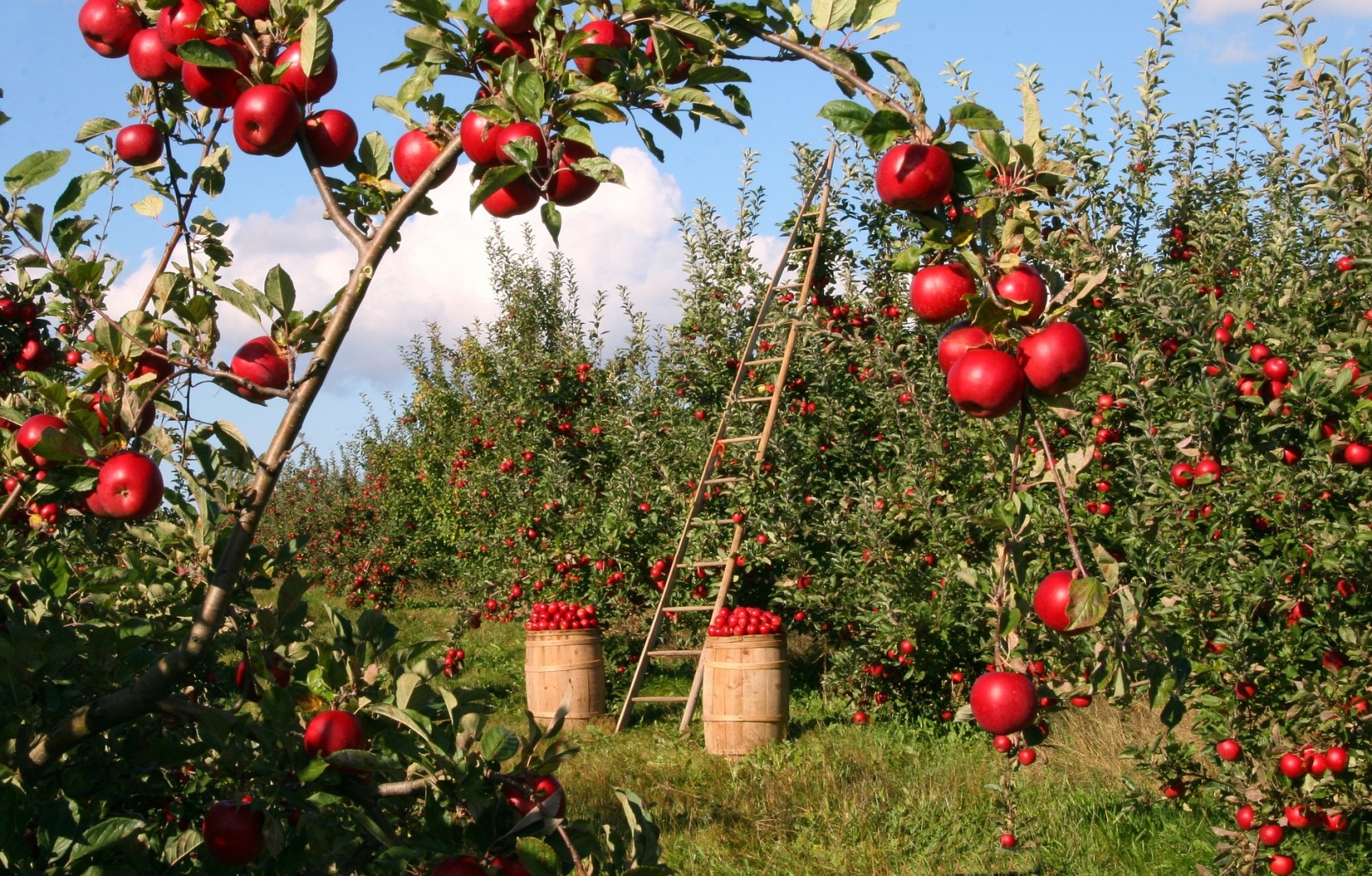
"EBW" stands for "Ergebnisorientierte Bewirtschaftung" ("result-oriented management") and is a highly specialized app for farmers and agriculturists to increase biodiversity in Austrian agricultural and natural landscapes.
Custom Project User Roles in Citizen Science Apps Shortnews
It is often the case in Citizen Science Apps that participants have different levels of experience, tools, or knowledge levels. Examples of this can emerge in many research topics, from experts on species classification to people with measuring equipment. With the new SPOTTERON platform feature "User Roles," we have created the basis for an extendable system to set up different kinds of participant levels in a Citizen Science App. Read more on the Citizen Science Blog
Spatial Data Recording in Citizen Science Apps Shortnews
Many Citizen Science and User Engagement projects utilize more than only point data for locations and spatial dimensions. Examples are plentiful - from setting up transects for counting butterflies to recording habitats and transformations.For that purpose, we have developed a new feature for all Citizen Science Apps on the SPOTTERON platform to enable users to set up in a Spot spatial data along with their recording. Read more on the Citizen Science Blog
Shortnews IPM Popillia Horizon 2020 Invasive Species Monitoring App
The IPM-Popillia Horizon 2020 project aims to address the challenge of a new risk to plant health in Europe's agriculture and food safety: the invasion of the Japanese Beetle, Popillia japonica. Read more about the Integrated Pest Management of the Japanese Beetle and our contribution to the project here.
MINAGRIS | Micro and Nanoplastics in Agricultural Soils
YouCount | Youth Citizen Science

In Europe and globally, substantial numbers of young people are at risk of social exclusion. Therefore, there is a pressing need to develop more knowledge and innovation to create inclusive and youth-friendly societies. The Horizon 2020 R&I Project YouCount contributes to these needs by developing 'actionable' knowledge for social inclusion of disadvantaged youths in the European Union and creating better means for social inclusion through citizen social science.
IPM Popillia | Integrated Pest Management of the Japanese Beetle
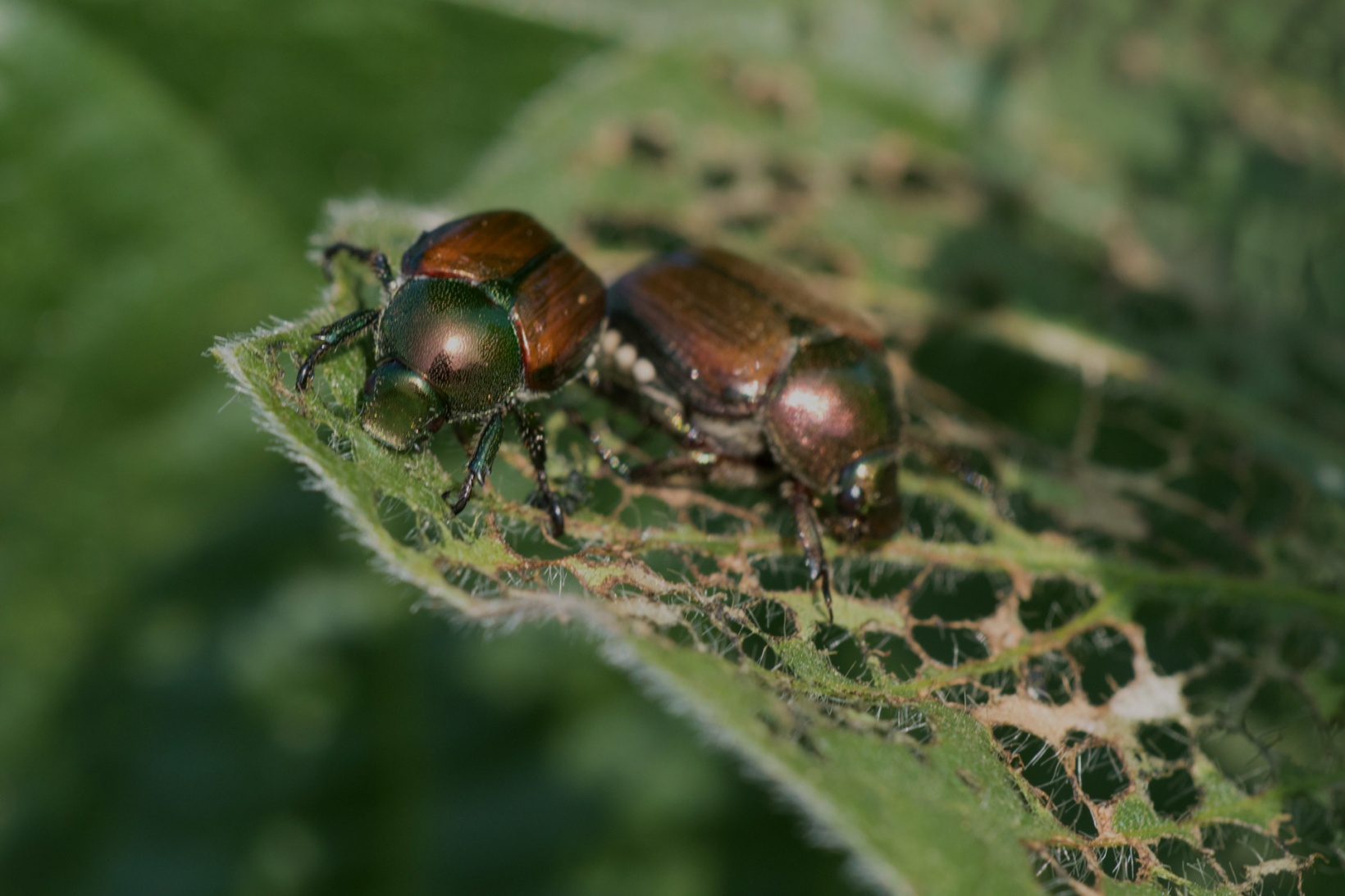
The IPM-Popillia Horizon 2020 project aims to address the challenge of a new risk to plant health in Europe's agriculture and food safety: the invasion of the Japanese Beetle, Popillia japonica. This invasive species was introduced accidentally to mainland Europe in 2014 and can quickly spread by transportation and trade. As a species with a wide range of feeding plants, P. japonica threatens the entire agricultural sector, urban landscapes, and biodiversity in invaded areas.
A Milestone for Citizen Science: SPOTTERON 3.0 Shortnews
We are happy that a new platform generation is finally ready for your Citizen Science Apps! After months of building up the groundwork, thorough evaluation, testing and improving, we are excited to present you the new and most extensive Citizen Science Platform we've ever had running. Welcome to SPOTTERON 3.0! Welcome to the Future of Citizen Science Apps.
Worldwide Citizen Science Apps

With the COSEA App, Citizen Scientists can observe marine environments, document coastal habitats or species, and report on pollution, infrastructure and the blue economy. Their contributions on the map and activity in the app will help scientists better understand the impacts and drivers of marine factors to protect and foster a healthy relationship between humans and seas.
COSEA | Collaboration for Effective Sea Action

Naturkalender is the Austrian phenology App for interested Citizen Scientists who want to contribute to phenology and climate research by keeping a watch on their surroundings. Through Community Science observations like plants beginning to blossom, having fruits, starting to throw off leaves or when animals are active, they support the GeoSphere Austria's (national service for geology, geophysics, climatology, and meteorology) data collection.
Nature's Calendar


CrowdWater is a global Citizen Science project initiated by the University of Zurich, which collects hydrological data. The goal is to develop a cheap and easy data collection method that can be used to predict floods and low flow. The long-term aim of the project is to complement existing gauging station networks, especially in regions with a sparse measurement network, such as in developing countries.
CrowdWater


At the Spot-a-Bee Citizen Science project, the researchers of Cardiff University and the University of Glasgow, UK want to find out what plants, trees and shrubs are important for bees in city and town parks and gardens. The project also wants to understand how planting in urban places might affect the production of urban honey. People can help survey bee-friendly plants in towns, cities and villages.
Spot-a-Bee



CoastSnap is a global Citizen Science project to capture changing coastlines. With the Citizen Science App, users can create timelines of coasts and record their development. Observing and uploading photos of the same location into the CoastSnap App helps researchers to understand how coastlines are changing over time.
CoastSnap


In the SpiderSpotter App, Citizen Scientists can share observations of spiders and their webs to help the research about their adaptation to the environment and contribute to biodiversity monitoring. The App features a range of spider species and it has an active community of spider enthusiasts and arachnologists.
SpiderSpotter

Global 2000's "LitterBug" Project is an initiative of the independent Austrian environmental organization GLOBAL 2000 alongside the Austrian Alpine Association "Edelweiss" and Alpine Club Mountain Club. The initiative was created to free nature from trash and to sharpen our awareness for the trash surrounding us in nature. The aim is to support a sustainably clean environment everywhere.
Global2000 LitterBug


Pilzfinder is the Web App of the mycology research society of the University of Vienna. In the browser-based project, participants can contribute mushroom observations from all across Europe and get feedback from the expert of the Austrian Mycology Society. By joining this Citizen Science project, users help with the science behind fungi and learn more about the fascinating world of mushrooms.
Pilzfinder


Coastal areas are in constant evolution, but in times of the imminent climate crisis, the coastline will change dramatically, and extreme weather phenomena are already starting to be part of our daily life. The Coastal Observer Citizen Science project explores these effects and their impact on the environment and our mood. By contributing observations about floods, tides storms and water quality, Citizen Scientists can help the University of Delaware, US, with their research.
Coastal Observer



ArtSpots

The BOB (acronym for Behavioural Observations in Beetles) App, an initiative by CREA, is dedicated to contributing to the behavioral study of protected insects in Europe. Citizen scientists are invited to observe three particular types of beetles in their surroundings: the stag beetle (Lucanus cervus), the rosalia longicorn (Rosalia alpina) and the funereal longhorn beetle (Morimus asper).
BOB - Behavioural Observations in Beetles

The main objective of the UrbanBetter Cityzens App, initiated by the Africa-led global social enterprise UrbanBetter, is to create a youth-led global movement that connects physical activity with technology and citizen science to promote more climate-resilient and healthier urban public spaces.
UrbanBetter Cityzens


Walkability, an initiative by the Walk21 Foundation, a UK charity, aims to make walking safer, more accessible, and enjoyable for people of all ages and abilities. The Walkability App allows users to share their walking experiences, providing valuable insights into the accessibility and safety of public spaces.
Walkability


HydroCrowd is a research project of the Justus Liebig University Giessen, which investigates the potential of participatory monitoring to increase the availability of hydro-climatic data for sustainable water management in Ecuador, Honduras and Tanzania.
HydroCrowd



NatureSpots is a non-commercial and free project to discover nature together. In the app, nature photos and sightings of animals, plants or mushrooms can be shared with the community on the map. The app is a new initiative for observing nature and taking part is very simple and straightforward. The app is free of advertising, does not track users and takes digital privacy seriously.
NatureSpots

The HealthyHoods App, a Citizen Science project by researchers from Denmark, Latvia, and the Netherlands, aims to promote healthy lifestyles by focusing on food and physical activity opportunities in local neighborhoods. The HealthyHoods App enables users to capture aspects of their neighborhood that either support or hinder a healthy lifestyle, providing valuable insights into how the environment influences daily habits.
HealthyHoods

Bicizen is a Citzien Science project where participants may provide observations about cycling, public engagement, and urban mobility through a citizen science platform that aids cities in their transition to a low-carbon mobility future and empowers urban cyclists with helpful trip information.
BiciZen


spotFIRE is a Citizen Science project focusing on forest fire and fuel management to reduce forest fire risk, initiated by BOKU University (University of Natural Resources and Life Sciences, Vienna). The project aims to evaluate the suitability of a mobile phone application inspired by citizen science approaches to measure forest fuel data and collect information on forest fire events for fire risk management in mountainous regions.
spotFIRE


The "Stjärnförsöket" (Star-Spotting) project collects contributions about light pollution in Sweden and in partner countries. By pointing a cardboard tube in all cardinal directions, Citizen Scientists record how many stars they see at their current location. By these values, light pollution can be calculated directly in the Citizen Science app. The project is part of the "Forskar Fredag 2019" initiative, funded by the EU Horizon 2020 program.
Stjärnförsöket


In the Tea Bag Index Citizen Science App, everything is about soil. Various observation categories are ready to participate in, from easy soil classification and testing to the well-known method of burying and weighting teabags to measure the decay rate of plants. Citizen Scientists are welcome to participate worldwide and contribute to improving climate models and soil research.
Tea Bag Index

Fridays for Future see itself as a horizontal, grassroots grassroots movement that acts apolitically and refers to science for the facts. To engage the global population more, this app was developed using SPOTTERON. The aim is to find out how the population perceives the climate crisis and which positive and negative emotions are associated with specific topics related to biodiversity and climate crisis.
FRIDAYS FOR FUTURE - Climate App
Horizon Europe / Horizon 2020 Projects

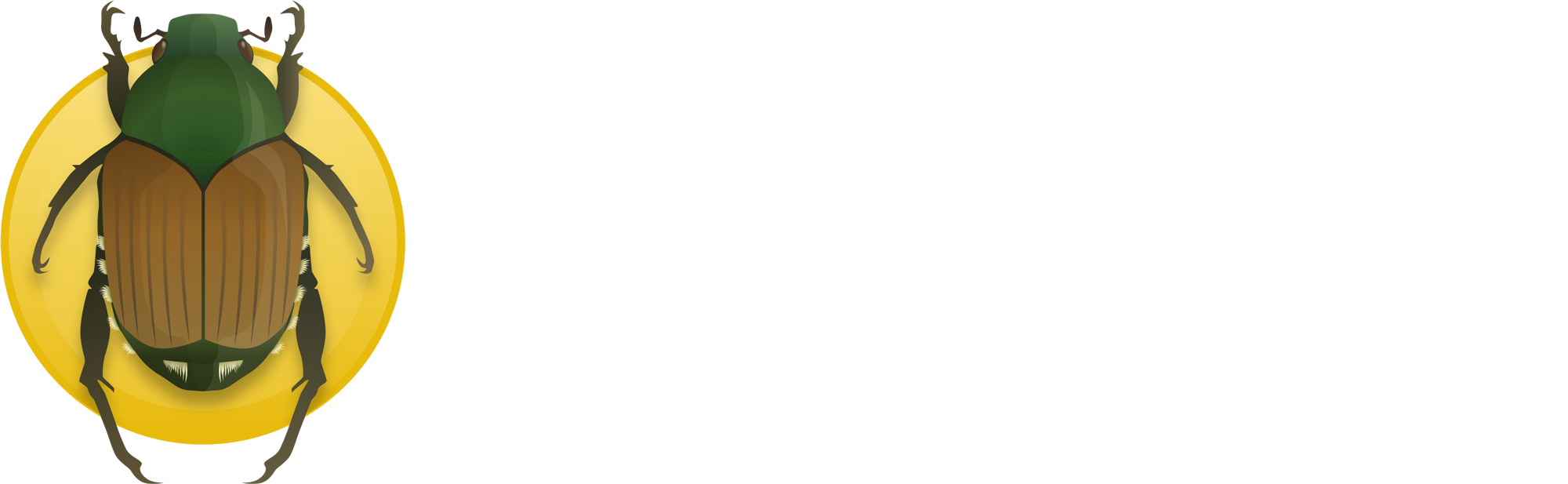
The IPM-Popillia Horizon 2020 project aims to address the challenge of a new risk to plant health in Europe's agriculture and food safety: the invasion of the Japanese Beetle, Popillia japonica. This invasive species was introduced accidentally to mainland Europe in 2014 and can quickly spread by transportation and trade. As a species with a wide range of feeding plants, P. japonica threatens the entire agricultural sector, urban landscapes, and biodiversity in invaded areas.
IPM Popillia | Integrated Pest Management of the Japanese Beetle



EFFECTIVE, a Horizon Europe initiative, targets the emerging threat to the EU's Mediterranean Blue Natural Capital. By leveraging advanced science, technological nature-based solutions, digitalization, and social implication, the project aims to develop a comprehensive scientific knowledge base and practical guidance for the application of Ecosystem-Based Management to promote large-scale marine protected areas establishment in the European seas.
EFFECTIVE | Protection and Restoration Management of Mediterranean Marine Protected Areas


TRANSEATION, funded by Horizon Europe, aims to validate a new level of ecosystem-based management by integrating social implication digitalization and nature-based solutions to safeguard and restore marine ecosystem health and services. The project focuses on demonstrating the effectiveness of marine and coastal hybrid blue-grey infrastructures and developing digital tools for monitoring, analysis, and social involvement, addressing societal challenges and promoting sustainable management practices.
TRANSEATION | Advancements through Hybrid Blue-Grey Infrastructures in Marine and Coastal Areas

In Europe and globally, substantial numbers of young people are at risk of social exclusion. Therefore, there is a pressing need to develop more knowledge and innovation to create inclusive and youth-friendly societies. The Horizon 2020 R&I Project YouCount contributes to these needs by developing 'actionable' knowledge for social inclusion of disadvantaged youths in the European Union and creating better means for social inclusion through citizen social science.
YouCount | Youth Citizen Science



MINAGRIS | Micro and Nanoplastics in Agricultural Soils


StreetMind contributes to a better understanding how environmental factors like urbanicity or climate change influence how individuals across Europe and the world feel, act, and behave. Participants make up their minds with fellow citizens and scientists and share their daily experiences of their surroundings and the environment where they live, work, and interact.
StreetMind

National / Regional Citizen Science Apps


MTA - MountainApp wants to inspire people to immerse themselves in landscapes. MTA - MountainApp is a project jointly run by researchers from Switzerland and Georgia. MTA - MountainApp was developed for a transnational research seminar taught at the University of Zurich and the Ivane Javakhishvili Tbilisi State University.
MTA MountainApp



The ClimateWatch program is the collaborative brainchild of Earthwatch Australia, the Bureau of Meteorology and the University of Melbourne to understand how changes in temperature and rainfall are affecting the seasonal behaviour of Australia's plants and animals. The ClimateWatch Citizen Science App enables every Australian to be involved in collecting and recording data that will help shape the country’s scientific response to climate change.
ClimateWatch



Our Outdoors is a citizen science project which aims to find out more about what users experience when they are in public spaces such as parks, beaches, canals, and town squares. It was developed by researchers in the Scottish Collaboration of Public Health Research and Practice (SCPHRP) at the University of Edinburgh in partnership with Sustrans, the MRC and citizens.
Our Outdoors


The Big City Birds Citizen Science App aims to learn about five specific bird species and their behavioral adaptations to living in the city. Their whereabouts, behaviors, communal roosts, and nest sites are of interest to researchers at the Max Planck Institute of Animal Behavior, the National Australian University, and The University of Sydney. The data collected will help scientists understand these species’ behavior, movement, reproduction, distribution, and habitat use in suburban areas.
Big City Birds


Slip of Evidence


"Crows in the zoo" is a Citizen Science project of the Department for Behavioral and Cognitive Biology of the University of Vienna in cooperation with the Konrad Lorenz Research Station and the Zoo Vienna. The researchers aim to find out more about the species and subspecies of crows that use the Zoo area. All visitors of the Zoo Vienna are welcome to join in!
KraMobil



The MAKENYA | Mammal Atlas Kenya is the first Citizen Science App for an African country running on the SPOTTERON Platform. The Citizen Science Project from the Zoology Department of Kenya's National Museums, enables naturalists to report sightings of mammals during their expeditions. Such data is unavailable, but is valuable for conservation and mapping the distribution of Kenyan mammals.
MAKENYA


The Green Growth Wildlife App intends to address Suriname's existing lack of a centralized system for biodiversity information. With the App, users can efficiently map and analyze the status of Suriname's unique wildlife by gathering data through it.
Green Growth Wildlife


With the Green Growth app everyone can contribute to keeping Suriname the greenest country on earth with 93% forest cover. The data will help to manage the forests of South America. This Citizen Science project aims to create an active community of forest watchers and keep Suriname green.
Green Growth Forests


This project gives interested Citizen Scientists, who range from school pupils to amateur collectors and professional scientists, a basis for identifying new fossil findings, publishing these and thereby completing the network of data from the Earth history in Austria.
Fossilfinder


"EBW" stands for "Ergebnisorientierte Bewirtschaftung" ("result-oriented management") and is a highly specialized app for farmers and agriculturists to increase biodiversity in Austrian agricultural and natural landscapes.
EBW - Result-oriented management


LinkMeToHealth is a community-driven App that provides up-to-date information on local health and wellbeing services. It offers a digital directory of nearby medical services, wellbeing offerings, sporting clubs, and other resources to help users improve their health and quality of life. The App is an initiative by The University of Queensland's Centre for Community Health and Wellbeing, with input from the Springfield community in Queensland, Australia.
LinkMeToHealth


The Mein Baum App helps users care for and protect the trees in their communities by tracking their condition and sharing observations. Trees play a vital role in making cities and villages livable by providing shade, fresh air, and beauty, but they face numerous threats, such as drought, diseases, and urban development.
Mein Baum


CommuniMap invites you to see your local area through fresh eyes - by tuning in to nature, movement, and the daily rhythms that shape your surroundings. Whether you’re walking, wheeling, noticing local trees, or composting at home or elsewhere, CommuniMap provides a space to reflect on what you see and share your observations, contributing to a vibrant community map.
CommuniMap

The Mawas Guardians App is a powerful tool designed to empower the indigenous communities of the Mawas area in Central Kalimantan. It serves as a key resource in their efforts to protect forests and enhance environmental monitoring. Tailored for the Dayak indigenous peoples, the App helps safeguard their land from forest fires and illegal activities, strengthening their role in environmental preservation.
Mawas Guardians


The AgroPionier App is designed to support those working with or interested in niche crops in Switzerland. Developed by the AgroPionier research project of the Zurich University of Applied Sciences (ZHAW) in collaboration with innovative farmers, the App aims to promote exchange and networking related to the cultivation, processing, and marketing of niche crops in the country.
AgroPionier

NovelEco is a citizen science project funded by the European Research Council, designed to explore how people perceive urban wild spaces. The project focuses on gathering ecological and social data to understand the dynamics of urban ecosystems, particularly those that develop in unexpected or overlooked areas of cities.
NovelEco


The [pane] app can be used to examine the soil of farmland, grassland, or gardens. It compares different plots, crops, or farming methods to see how they affect soil health.
[pane]
In the Roadkill Citizen Science Project from the University of Natural Ressources and Life Sciences in Vienna, Citizen Scientists and researchers collect data about roadkill on streets all around the world. If there`s a high number of roadkill in one spot or a particular species gets killed in the same place a lot, that can help scientists understand how the animals came to die and find solutions for it.
Roadkill


The AmphiBiom project aims to take an important step towards a comprehensive protection concept for the green toad. This involves an Austria-wide inventory and analysis of the habitat preferences of the critically endangered green toad, a typical pioneer species that can quickly colonize newly emerging waters.
AmphiApp



PATIO stands for "Patient Involvement in Oncology" and is a project of the Ludwig Boltzmann Institute Applied Diagnostics, which deals with citizen involvement after the diagnosis of prostate cancer. In the PatioSpots app, users can enter, find & rate WC facilities, as well as treatment, counseling and important contact points in their surrounding area.
PatioSpots

QuakeWatch Austria - an initiative of ZAMG (Central Institute for Meteorology and Geodynamics) - involves broad sections of the population in earthquake research. The objective is to record earthquake perceptions and effects in Austria more quickly and precisely. The collected data of the Citizen Scientists support a better assessment of the hazard of future earthquakes.
QuakeWatch Austria

Soils for Science is a Citizen Science initiative of The University of Queensland, Institute for Molecular Bioscience. Soils for Science aims to inform the public on the importance of antibiotic resistance in modern healthcare, and soil microbes as a source of next-generation antibiotics. Soils for Science provides the public with free sampling kits to collect soil samples rich in microbial biodiversity (bacteria and fungi).
Soils for Science

Landauf, LandApp BW is an interactive data collection project by LEO BW and the National Archive of Baden-Würtemberg in Germany, EU. The Citizen Science App is focused on contributions about landmarks and historical buildings in the area. The project is including local communities and gather their knowledge about their own regions.
Landauf, LandApp BW


Nature Park Garden is a project of the Federation for the Environment and Nature Conservation Germany (Bund für Umwelt und Naturschutz Deutschland e.V. (BUND)).
Gardening is experiencing a renaissance. By avoiding pesticides and peat and using natural cycles in cultivation, biodiversity is promoted. Gardens offer enormous potential for the protection of biodiversity, and this Citizen Science project is here to help.
Nature Park Garden | BUND



Cane toads are relentless invaders. Native to Central America, cane toads were transported to sugar cane growing regions of the world early last century, including Australia, in the hope they would eat and eradicate beetles devastating sugar cane crops. The experiment failed spectacularly. Toads ignored beetles, and instead embarked on an epic global invasion.
Cane Toad Challenge


Nature's Calender Burgenland is the next regional project of the Nature's Calender app family. The Citizen Science app can be used locally for phenology observations in nature and offers all community functions and features for species classfication. By the local character of the Citizen Science app especially schools and educational institutions in the region can participate in an optimal way.
Nature's Calender Burgenland



In collaboration with the Institue for Transport at the University of Life Sciences, Vienna, this Citizen Science App was specially made for kids and teenagers. The Community Science project aspires to understand better how they perceive and rate possible dangers and their surroundings in general.
Was Geht Ab?

"Forschen im Almtal" is the app for a Citizen Science project of the University of Vienna in collaboration with the wildlife park in Grünau in Austria's Almtal. Visitors of the Wildlife park can become Citizen Scientists and observe three bird species (grey goose, raven and northern bald ibis) and help collect data on their behaviour in the Citizen Science App 'Forschen im Almtal'.
Forschen im Almtal



The new citizen participation uses "Citizen Science" in their hometown and nationwide to get User's feedback on places. As a result, citizens are empowered to become active in a city worth living in to collect and share data themselves and to interact with scientists. This enables them to recognize the consequences of sealing, heat, water shortages, and a lack of biodiversity, and generally, how places in their own environment affect us all.
CIVO Citizen Voice

Using the WATERLINX APP will open up new insights into intricate interactions between different species of animals and plants and their environment by exploring the relations between water quality, species compositions in ecosystems, and human actions.
WaterLinx | Citizen Science

PartiCollect is a project by NanoObs and PartiCiTaE that invites Citizen Scientists to take part in mapping fine-particle air pollution in the city by collecting tree bark samples, which are then analyzed for metallic pollutants that are largely linked to car traffic and are known to negatively impact human and plant health.
PartiCollect | Citizen Science


P51 is a project by La Ruta del Clima with the objective to gather knowledge from communities about the effects of climate change on different issues such as infrastructure, territorial changes, human rights, loss of species and territority etc.
P51 | Citizen Science
Finished Citizen Science Projects
Fjällkalendern
While visiting Abisko, it's possible to participate in the research project concerning climate change effects in the Arctic and in the Swedish mountains. Interested Citizen Scientists can enter their observations of the mountain slope Nuolja/Njullà in" fenologislinga" ("science path") and thereby contribute to this citizen observatory.
Anslagstavlan
The Citizen Science project Anslagstavlan ("Public boards") collects images from bulletin boards around the world. By taking pictures of messages and describing them, you contribute to the scientific research on communication of a collaborated Community Science project among the University of Gothenburg, the University of Stockholm and the European Researchers' Night. Also, you are sharing a piece of culture with peers around the world.
PoliticsRadar
In the Citizen Science Web-App of "PolitikRadar" pupils from various schools were able to share their views of participatory possibilities in various field of politics. A forum for communication between the research team and the participant was available for further exchange. The results are available at the website of the project here: https://www.politikradar.at/ (german only)
WEVO | Vienna Elections
For the Viennese Elections 2015, the project WEVO was running as a participatory tool with the integration of citizen feedback to politics. Citizens were able to post observations about the daily life in the city of Vienna, categorize and rate their sightings and automatically submit these observations to the various parties available for election.
Surveillance
This community project aims to show the surveillance apparatus we are constantly being watched by. With their entries, the users can collect data on surveillance technology in their surroundings and also raise awareness of the denseness of surveillance surrounding citizens in their day to day lives.

GEFABE
The Top Citizen Science project „Gemeinsam fahren wir besser“ (approx: We drive better together) of the Center for Human-Computer Interaction at the University of Salzburg aims to collect data on driver assistance systems in collaboration with Austrian drivers via the Community Science App GeFaBe. The goal is to highlight shortcomings and security holes but also good practice in driver assistance systems.
Fågelbär
With this Citizen Science app, it's possible to contribute to the Community Science project "Fägelbär "(English: Birdberry) by reporting observations of birds eating berries. Researchers from the Department of Ecology, Environmental and Botany at the University of Stockholm collect the data to better understand which birds feed on which berries, how they are involved in spreading plants, and to gain knowledge about landscaping and consequences of a warmer climate.
Nature's Calendar Styria (Austria)
Nature's Calendar Styria is another regional Nature's Calendar project which also aims to observe nature with the help of attentive Citizen Scientists. They support environment- and climate research with observations of when plants begin to blossom, trees produce fruit or start throwing off leaves or when animals are active. The collected data also goes into the data collection of the Austrian ZAMG (Central Institution for Meteorology and Geodynamics).

BrushTurkeys
BRUSHTURKEYS is a citizen science project aiming to gather sightings of, and behavioural information on, the Australian Brush-turkey, a native species spreading into suburban areas of Australia. This project is coordinated by The University of Sydney, in collaboration with the Royal Botanic Garden Sydney and Taronga Conservation Society.

Nature's Calendar Lower Austria
Nature seems to be on a rollercoaster ride these days. Sometimes there's spring in the middle of winter, then there are cold spells over and over again when it's almost summer. This is why nature- and climate researchers need more and more information about when plants begin to blossom, have fruits or start throwing off their leaves or when animals are active. Entries in the ‚Nature's Calendar' App support the Austrian ZAMG's data collection.


The Citizen Science App "CoronaReport" allows social science to understand the current Corona Virus crisis better and collect data about the impact of COVID-19 on our lives and society. The app can be used by Citizen Scientists to create diaries and reports about situations, with which the Citizen Science community can interact and exchange their thoughts and stories. The contributions will help social science and the data will be made available to research partners. CoronaReport is lead by the University of Edinburgh, Scotland, UK.


The connections between water and geological underground are diverse and often complex. Using the SIBRA App, citizens can generate reliable data on these topics and thus contribute to a better understanding of these connections. At the Geological Survey of Austria, the data is being combined with other methods of measurement and used, inter alia, in developing models and scenarios that allow for assessing possible effects of extreme weather events, such as heavy precipitation, rapid snowmelt, flooding or draught.



WaldrApp is a Citizen Science project from the University of Vienna aiming to collect ecological information on the whereabouts of "Waldrapps" (English: northern bald ibis). Since these birds are an endangered species, the data collected through the app can help gain essential data for future settling projects.

Nature's Calendar Upper Austria is a regional Nature's Calendar project, which also collects data for the Central Institution for Meteorology and Geodynamics (ZAMG). The data collected can be observed in nature and compared over years, so it's observations like plants starting to blossom, trees yielding fruit or throwing off leaves or animals being active that support scientific research in this project.